
Shot Wheat
Triticum aestivum sphaerococcumfam. Poaceae
Educational content — not medical, botanical, or professional advice. Plant identification, safety, and edibility depend on local conditions, cultivars, and correct identification. Consult a qualified botanist or forager before consuming or handling wild specimens. How we source & review →
Garden journal pausedUse profile notes below
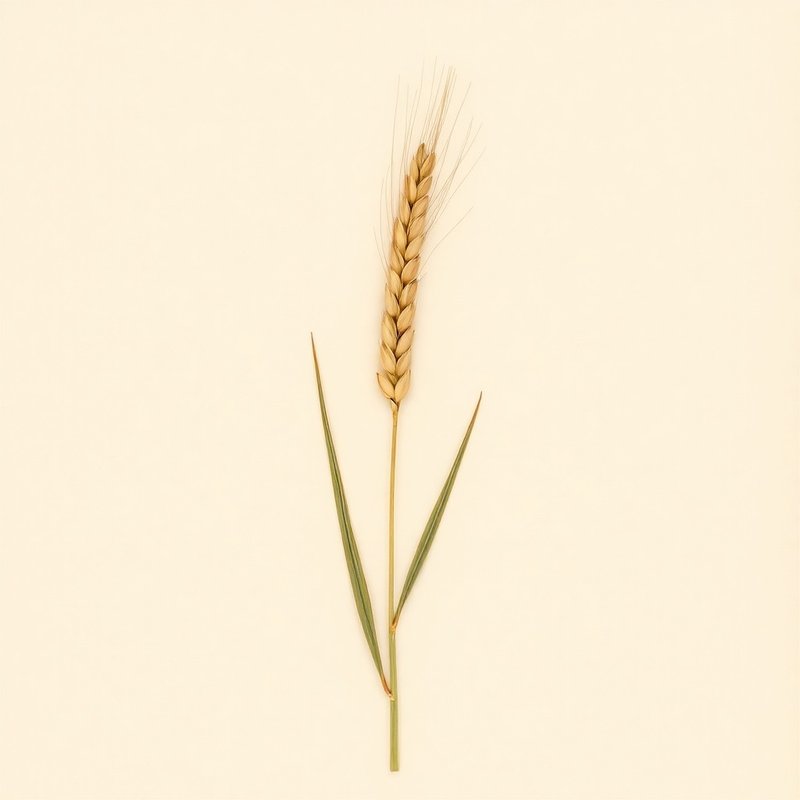
Pl. C7B6 — Triticum aestivum sphaerococcum
Triticum aestivum sphaerococcumTriticum aestivum sphaerococcumTriticum aestivum sphaerococcumTriticum aestivum sphaerococcumTriticum aestivum sphaerococcumTriticum aestivum sphaerococcumTriticum aestivum sphaerococcumTriticum aestivum sphaerococcumTriticum aestivum sphaerococcumTriticum aestivum sphaerococcumTriticum aestivum sphaerococcumTriticum aestivum sphaerococcumTriticum aestivum sphaerococcumTriticum aestivum sphaerococcum
IOverview
Overview
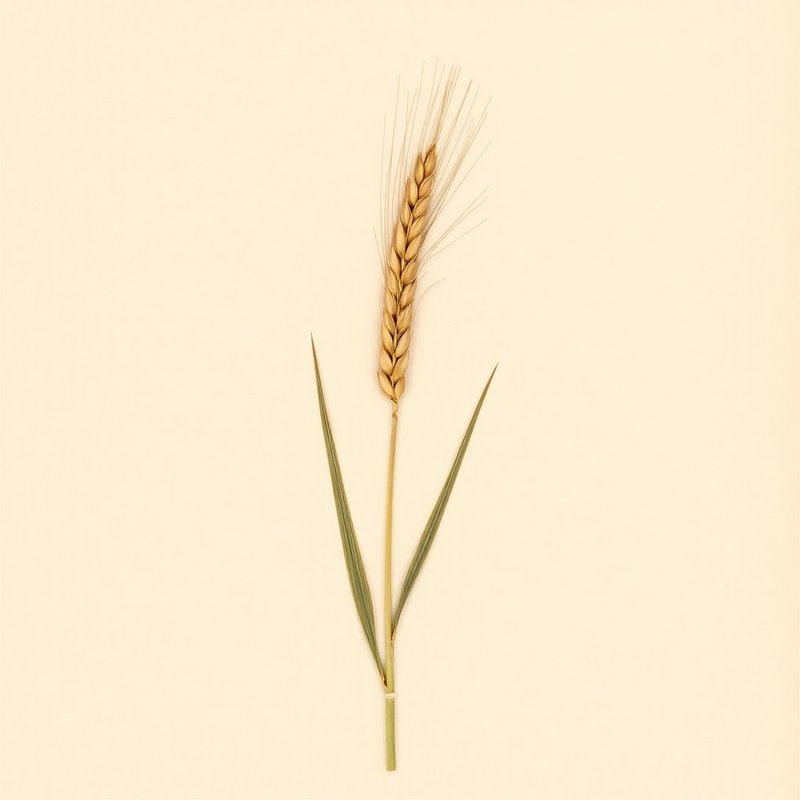
Shot Wheat, Triticum aestivum sphaerococcum, is an annual cereal grass in the family Poaceae, the same botanical family that includes the common wheats. It is grown primarily for its seed, which is edible and can be eaten raw or cooked; in practice the grain is handled much like other wheats, whether milled into flour for baking or boiled and served as a whole grain. Beyond food, the plant has value as a source of biomass, mulch, textile material, and starch, giving it a range of practical uses on a smallholding or farm. Cultivation is relatively undemanding. Shot Wheat grows best in full sun and moist conditions, and it tolerates a broad spread of soils, from light sandy ground through medium loam to heavy clay, which helps explain its adaptability across different sites. It is not drought resistant, so steady moisture through the growing season matters. As an annual, it completes its life cycle in a single season and is normally sown directly where it is to grow, with the seed heads harvested once the grain has matured. The taxon is frequently linked with South Asia and the western Himalaya, where wheat landraces of this kind have long been maintained. Its most distinctive trait is reflected in the name sphaerococcum, referring to a notably rounded, shot-like grain form that sets it apart from more common bread wheats. Potential growers should note that hardiness and detailed cultivation requirements are not documented here, and no medicinal use is recorded for this plant.
Quick answers
What is Shot Wheat?
Shot Wheat, Triticum aestivum sphaerococcum, is an annual cereal grass in the family Poaceae, the same botanical family that includes the common wheats.
Growingconditions · propagation · uses
VCultivation
Cultivation
Shot Wheat thrives in full sun and requires moist conditions. It prefers light to heavy soils, making it adaptable but generally performs well in medium soil types. As an annual plant, Shot Wheat is best sown directly into the garden where it will grow. Harvest the edible parts—seeds—when they are fully mature. While hardiness details aren't provided, this variety is likely hardy in temperate regions.
Light
Full sun
Water
Moist
Soil
Light (sandy), Medium, Heavy (clay)
Life cycle
Annual
For first-time growers
How to grow Shot Wheat for the first time
8steps
Start with Shot Wheat as an annual in a sunny spot, using basic soil preparation and care.
- 1
What you'll need
Seeds or seedlings of Shot Wheat.
- 2
Best time to plant
Plant in spring when the soil is warm enough for planting.
- 3
Soil and container prep
Prepare a well-draining, light to medium soil. Ensure containers are at least 12 inches deep.
- 4
Sowing or transplanting
Direct sow seeds 0.5 inches deep, spaced 6-8 inches apart. Alternatively, start in small pots and transplant once established.
- 5
First two weeks
Water regularly to keep the soil moist but not waterlogged. Monitor for pests and diseases.
- 6
Ongoing care
Continue regular watering as needed. Fertilize lightly with compost or well-rotted manure in early spring.
- 7
Harvest or pruning
Prune any dead or yellowing leaves to maintain plant health and appearance.
- 8
Common mistakes
Overwatering, planting too deep, neglecting soil drainage, not providing enough sunlight, and using chemical fertilizers.
VIEdible & utility
Edible & utility
Edible parts:Seed
Edible uses: The seed of Shot Wheat is edible and can be consumed raw or cooked. It is often prepared in similar ways to regular wheat, such as being ground into flour for baking or boiled as a grain. The plant grows well in moist conditions with light to medium soil types, thriving in full sun.
Other uses:BiomassMulchtextilesStarch
Contextrange · companions · related
VIIDistribution
3 native · 4 introduced
Distribution
3 native · 4 introducedDistribution across1 continent· 3 native· 4 introduced
Asia6 regions
native (2)IndiaPakistan
introduced (4)AfghanistanBangladeshIranIraq
Broader regions
native:West Himalaya
IXSpecimen gallery
1 image
Specimen gallery
1 imageXSee also
8 related
See also
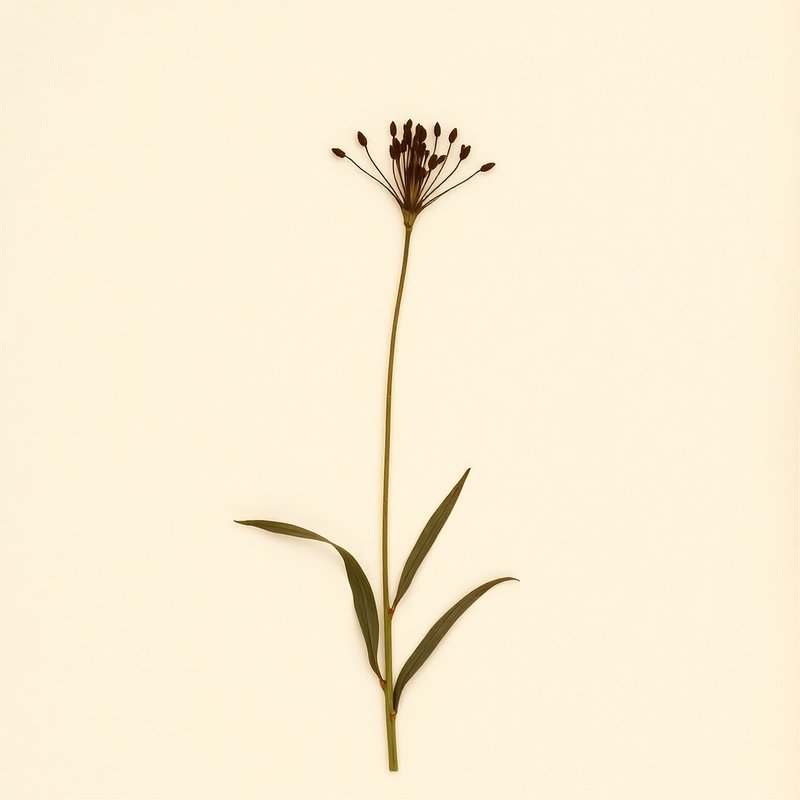
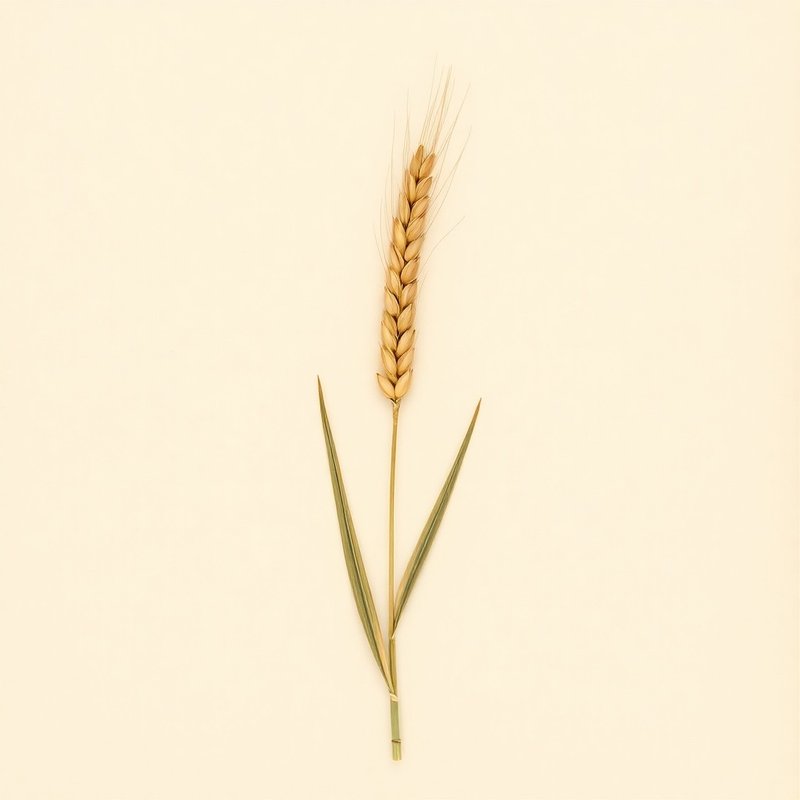
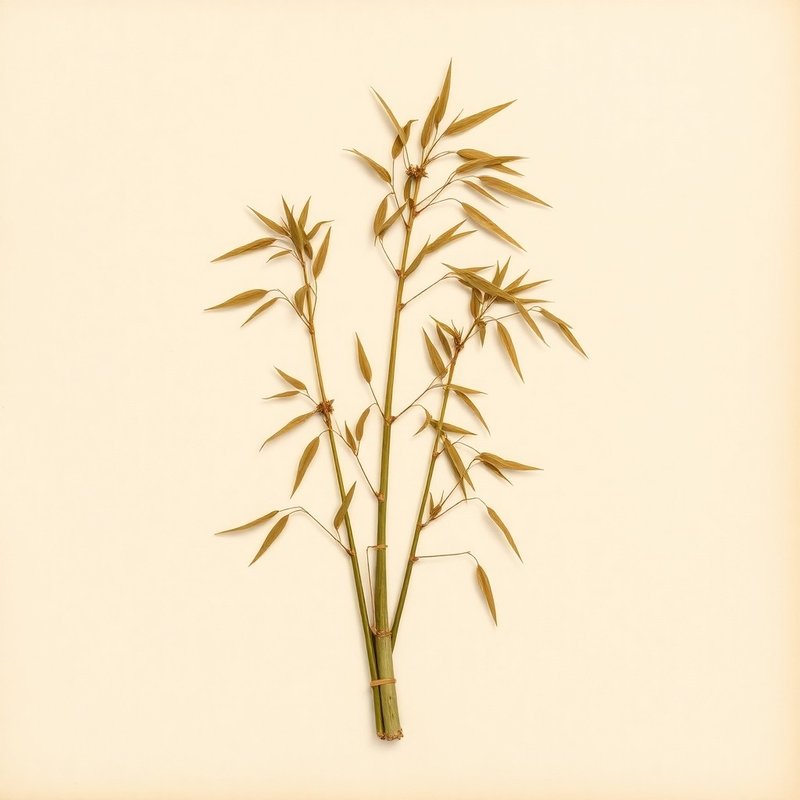
8 relatedPlants you might compare or use together — scored by shared family (Poaceae), common use cases, and growing requirements.
same family · Poaceae
Botanical relatives — often share phytochemistry + growing needs.

XI
Explore further
Companion planting
Compare with similar plants
Native to
XII
About this entry
- Last updated
- Citation
- How to cite this entry · Submit a correction
Back to the cataloguePlant id · c7b6719c-91a6-4b5a-954d-49cf32187ba0
Decision aid
Choosing between Shot Wheat and something else?
Continue reading
❦❦❦❦
Endpaper · archive updates
Get archive updates
Occasional email when substantial new content lands — plant profiles, seasonal growing notes, folk-remedy additions. Free, no tracking, unsubscribe anytime.
Newsletter returning soon.
We are rebuilding the update list around a lightweight editorial workflow. New dispatches will resume after the next content review cycle.