
Japanese Elm
Ulmus japonicafam. Ulmaceae
Educational content — not medical, botanical, or professional advice. Always consult a qualified clinician before using any herbal preparation — especially during pregnancy, breastfeeding, while on medication, or for children. How we source & review →
Garden journal pausedUse profile notes below
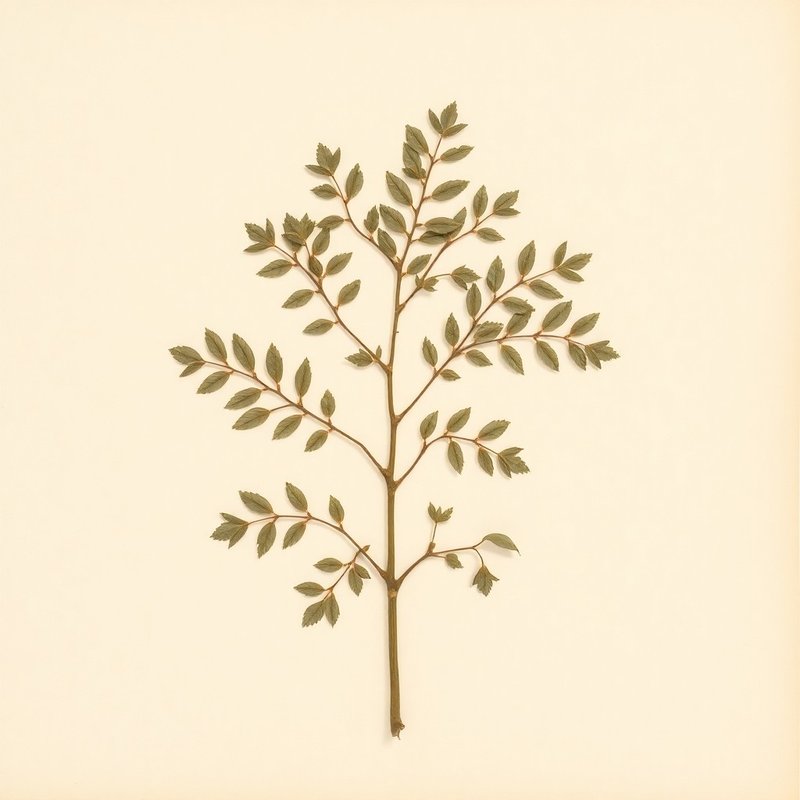
Pl. A6F4 — Ulmus japonica
Ulmus japonicaUlmus japonicaUlmus japonicaUlmus japonicaUlmus japonicaUlmus japonicaUlmus japonicaUlmus japonicaUlmus japonicaUlmus japonicaUlmus japonicaUlmus japonicaUlmus japonicaUlmus japonica
IOverview
Overview
Japanese Elm (Ulmus japonica), a deciduous tree in the Ulmaceae family, is native to East Asia, including regions of China, Japan, Korea, Taiwan, and Vietnam. This adaptable tree can thrive in a variety of climates and soils, making it a valuable addition to gardens and parks. Japanese Elms can grow up to 35 meters tall and prefer light to partial shade with moist conditions. The tree is hardy in zones 4-8, ensuring it can withstand different environmental conditions within its native range. The Japanese Elm is not only ornamental but also edible. Its fruit, inner bark, and leaves can be consumed. The fruit and inner bark are typically eaten raw or dried, while the leaves may be used fresh in salads or cooked as greens. Additionally, this tree has a long history of medicinal use in traditional practices, though specific benefits and compounds are not detailed here. When cultivating Japanese Elms, ensure they grow in light (sandy), medium, or heavy (clay) soils with a pH range of 4.8 to 7.0. They thrive in full to partial sun and require consistently moist, well-drained soil to flourish. The rapid growth rate of this tree makes it a useful choice for landscaping and urban forestry projects.
Quick answers
What is Japanese Elm?
Japanese Elm (Ulmus japonica), a deciduous tree in the Ulmaceae family, is native to East Asia, including regions of China, Japan, Korea, Taiwan, and Vietnam. This adaptable tree can thrive in a variety of climates and soils, making it a valuable addition to gardens and parks.
IV·bMixology suggestions
2 drafts
Mixology suggestions
2 draftsEditorial drafts. These pairings are AI-suggested from traditional herbal lore. Always verify with a qualified herbalist before brewing.
Stress Relief
stresstincture
Used traditionally to soothe the mind and reduce anxiety.
Digestive Harmony
digestiondecoction
Historically used to aid digestion and soothe the stomach.
Growingconditions · propagation · uses
VCultivation
Cultivation
Japanese Elm thrives in full to partial sun and prefers moist, well-drained soils that are light (sandy), medium, or heavy (clay). It is hardy in zones 4-8, making it suitable for temperate regions. For best results, keep the soil consistently moist but avoid overwatering. The tree can grow up to 35 meters tall and is native to China, Japan, Korea, Taiwan, and Vietnam. Harvest edible parts such as fruit, inner bark, and leaves from this versatile plant.
Light
Full sun, Partial sun/shade
Water
Moist
Soil
Light (sandy), Medium, Heavy (clay)
Hardiness
4-8
Habit
Tree
Mature size
35.0 m tall
Soil pH
4.8–7
For first-time growers
How to grow Japanese Elm for the first time
8steps
Start with planting a Japanese Elm tree for its hardiness and adaptability, even if you can't harvest it.
- 1
What you'll need
A young Japanese Elm sapling, garden gloves, a spade or shovel.
- 2
Best time to plant
Plant in spring when the soil is moist and warm enough for roots to establish.
- 3
Soil and container prep
Ensure the soil drains well. Amend with compost if necessary. For containers, use a pot at least 15 liters (4 gallons) in size.
- 4
Sowing or transplanting
Transplant young saplings directly into the garden. Dig a hole twice as wide and deep as the root ball.
- 5
First two weeks
Water regularly to keep soil moist but not waterlogged. Monitor for pests and diseases.
- 6
Ongoing care
Water deeply once or twice a week, depending on rainfall. Fertilize in early spring with a balanced fertilizer.
- 7
Harvest or pruning
Prune in late winter to maintain shape and remove dead branches. Harvest leaves for tea if desired.
- 8
Common mistakes
Overwatering, planting too deep, neglecting regular watering during dry spells, not providing enough space for root growth, and using the wrong type of fertilizer.
VIEdible & utility
Edible & utility
Edible parts:FruitInner barkLeaves
Edible uses: The Japanese Elm is edible and its fruit, inner bark, and leaves can be consumed. The fruit and inner bark are typically eaten raw or dried, while the leaves may be used fresh in salads or cooked as greens.
Other uses:FiberLumber
Contextrange · companions · related
VIIDistribution
8 native · 17 introduced
Distribution
8 native · 17 introducedDistribution across2 continents· 8 native· 17 introduced
Asia7 regions
native (5)ChinaJapanSouth KoreaTaiwanVietnam
introduced (2)GeorgiaUzbekistan
Americas2 regions
introduced (2)BoliviaGuatemala
Broader regions
native:Nansei-shoto
introduced:Alabama, Arkansas, California, Cape Provinces, District of Columbia, Free State, Kentucky, Maine, Maryland, Masachusettes, Massachusetts, Northern Provinces, Virginia
IXSpecimen gallery
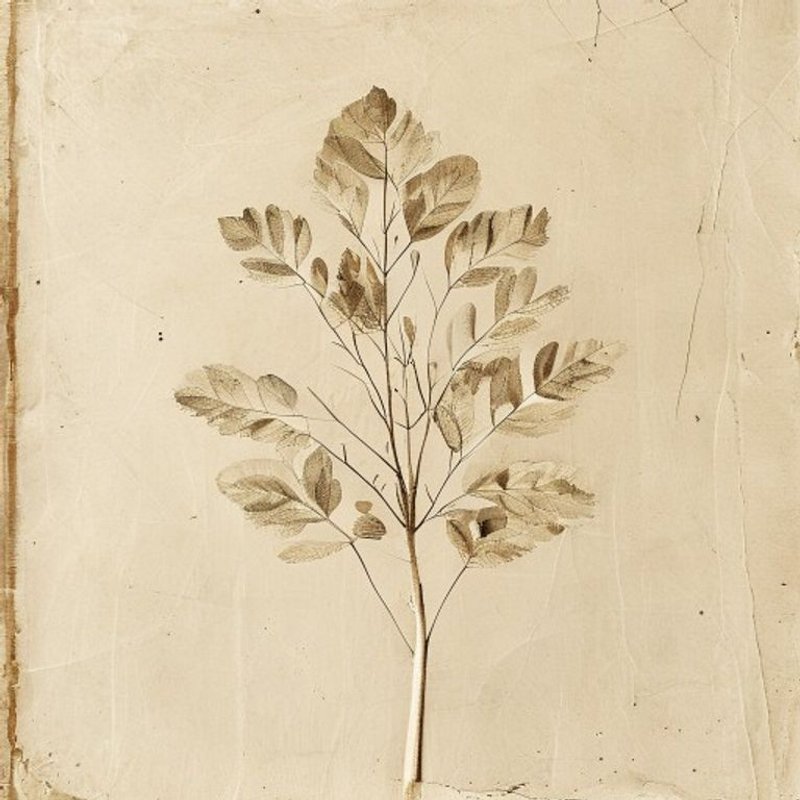
1 image
Specimen gallery
1 imageXSee also
6 related
See also
6 relatedPlants you might compare or use together — scored by shared family (Ulmaceae), common use cases, and growing requirements.
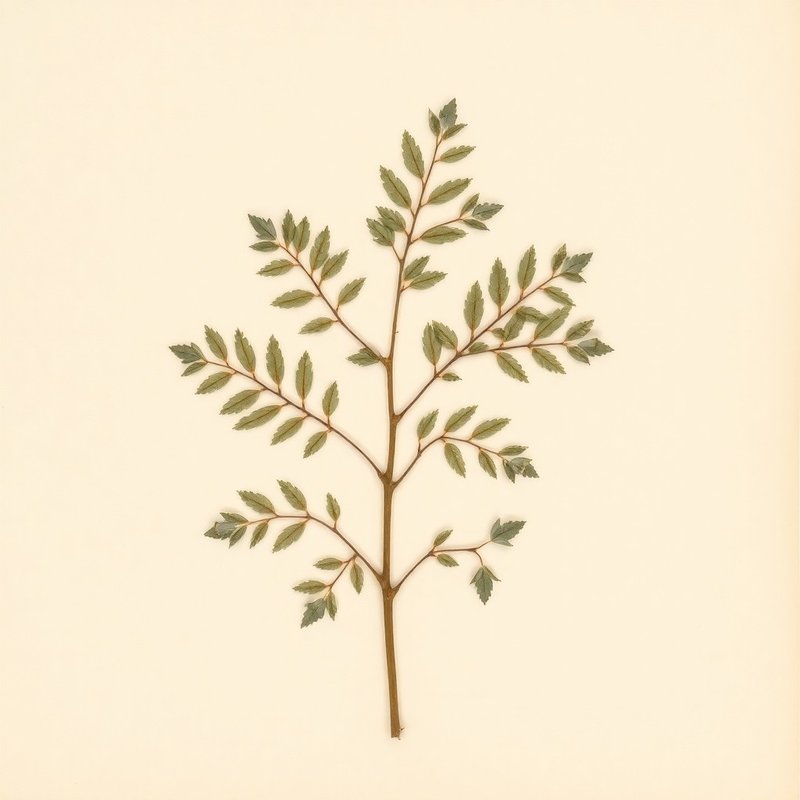
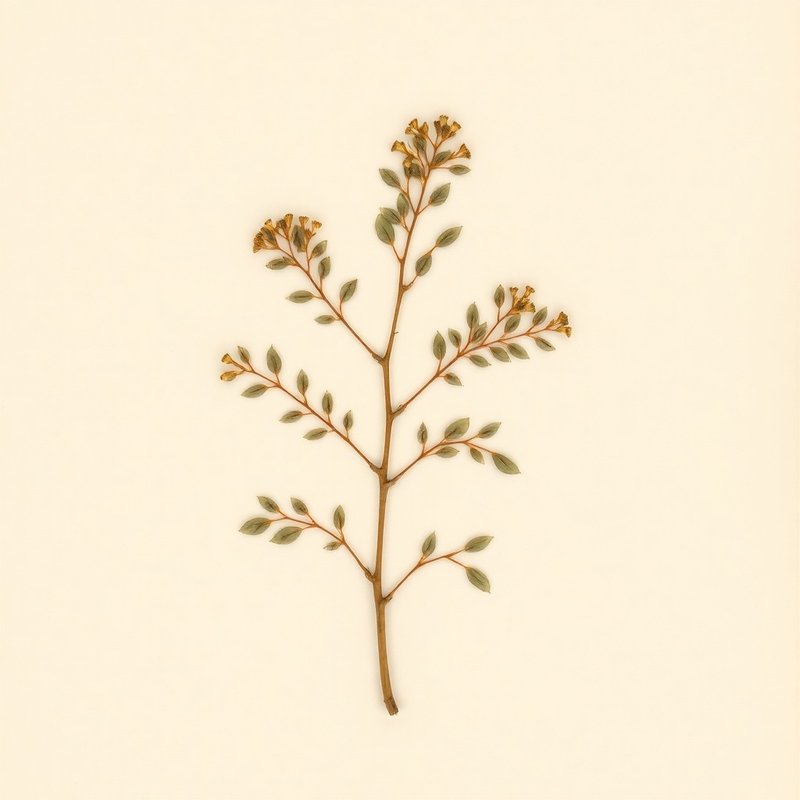
same family · Ulmaceae
Botanical relatives — often share phytochemistry + growing needs.
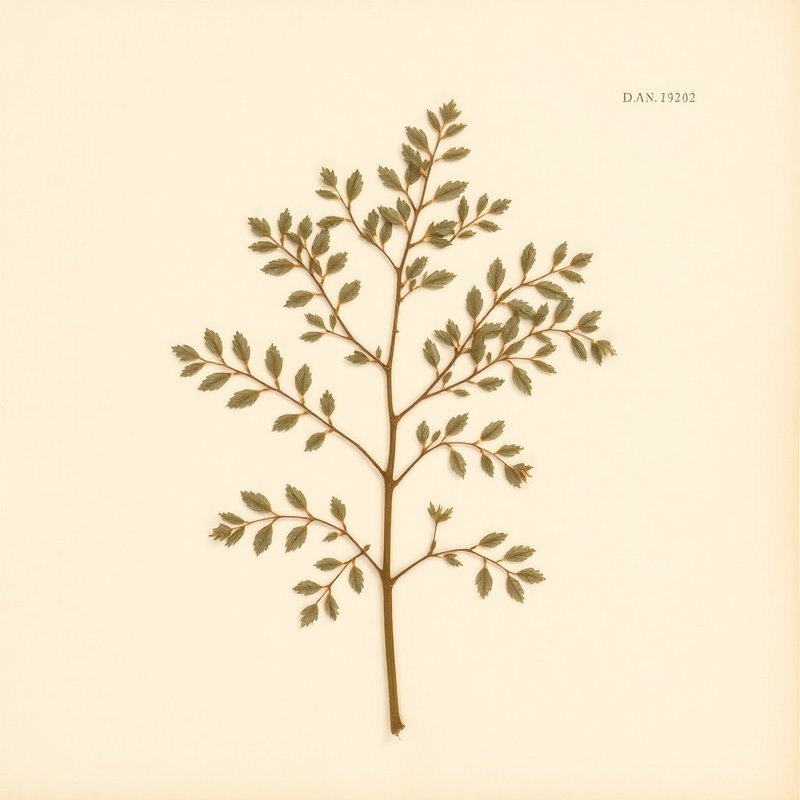
XI
Explore further
Companion planting
Compare with similar plants
Growing zone
XII
About this entry
- Last updated
- Citation
- How to cite this entry · Submit a correction
Back to the cataloguePlant id · a6f4333b-3041-4c2b-afc9-c98492282def
Decision aid
Choosing between Japanese Elm and something else?
Continue reading
❦❦❦❦
Endpaper · archive updates
Get archive updates
Occasional email when substantial new content lands — plant profiles, seasonal growing notes, folk-remedy additions. Free, no tracking, unsubscribe anytime.
Newsletter returning soon.
We are rebuilding the update list around a lightweight editorial workflow. New dispatches will resume after the next content review cycle.