
Georgia Blueberry
Vaccinium melanocarpum
Educational content — not medical, botanical, or professional advice. Always consult a qualified clinician before using any herbal preparation — especially during pregnancy, breastfeeding, while on medication, or for children. How we source & review →
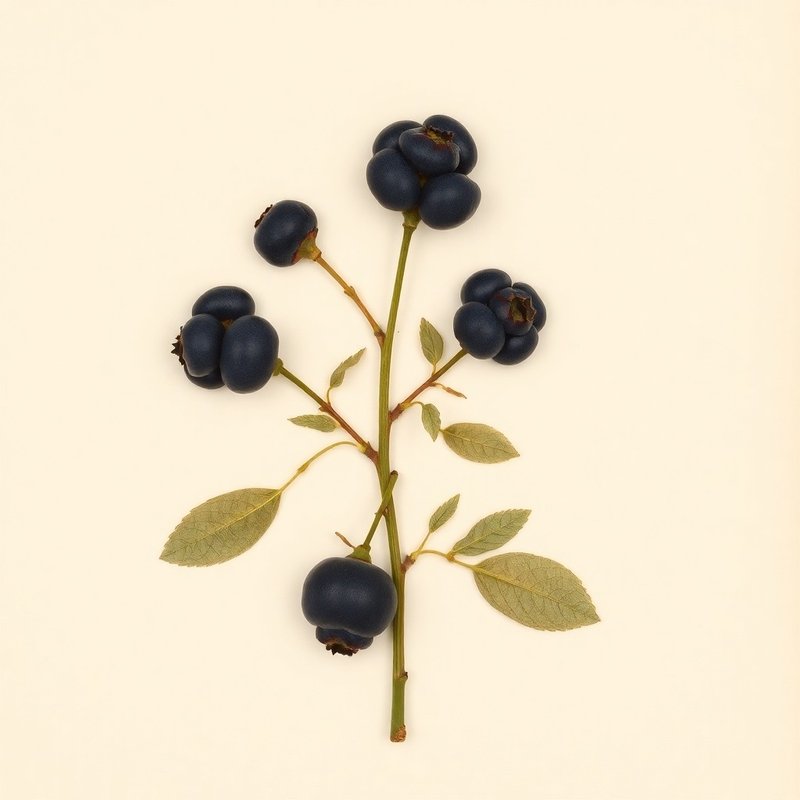
Pl. 4CED — Vaccinium melanocarpum
Vaccinium melanocarpumVaccinium melanocarpumVaccinium melanocarpumVaccinium melanocarpumVaccinium melanocarpumVaccinium melanocarpumVaccinium melanocarpumVaccinium melanocarpumVaccinium melanocarpumVaccinium melanocarpumVaccinium melanocarpumVaccinium melanocarpumVaccinium melanocarpumVaccinium melanocarpum
IOverview
Overview
Georgia Blueberry, scientifically known as Vaccinium melanocarpum, is a deciduous shrub native to the southeastern United States and northeastern Mexico. It thrives in habitats ranging from Alabama to Virginia, with some populations extending into parts of Texas and Oklahoma. Known for its edible fruit, this plant can be found growing in moist, light (sandy) to medium soil conditions that require full sun to partial shade. Georgia Blueberry reaches a height of about 1.2 meters and is hardy in zones 5-9, making it suitable for gardens within these ranges. Its ability to produce fruit makes it valuable both as an ornamental plant and for its edible value.
Quick answers
What is Georgia Blueberry?
Georgia Blueberry, scientifically known as Vaccinium melanocarpum, is a deciduous shrub native to the southeastern United States and northeastern Mexico. It thrives in habitats ranging from Alabama to Virginia, with some populations extending into parts of Texas and Oklahoma.
What is Georgia Blueberry used for?
Traditionally used for immune support. Each claim is evidence-rated — see Section II for full citations.
Best for
Top 1 evidence-ranked use of Georgia Blueberry
Clinicaluses · safety · chemistry · dosagemedicinal profile
IIBenefits & evidence
1 claim · 0 sources
Benefits & evidence
1 claim · 0 sources- Blueberries, including Georgia Blueberry (Vaccinium melanocarpum), have been traditionally used in North American herbalism to support immune health due to their high antioxidant content. Consuming a handful of berries daily may help bolster the body's defenses against oxidative stress.
Rich in anthocyanins and other polyphenols, which act as antioxidants by scavenging free radicals and reducing inflammation. These compounds interact with immune cells to enhance their function without overstimulating them.
IV·bMixology suggestions
1 draft
Mixology suggestions
1 draftEditorial drafts. These pairings are AI-suggested from traditional herbal lore. Always verify with a qualified herbalist before brewing.
Georgia Blueberry support blend
generaltea
AI returned a direct ingredient list; normalized into one draft blend for editorial review.
Growingconditions · propagation · uses
VCultivation
Cultivation
Georgia Blueberry thrives in full to partial sun and prefers moist, well-draining soil that is light (sandy) or medium in texture. It is hardy in zones 5-9 and can grow up to 1.2 meters tall. For optimal fruit production, ensure the plant receives adequate moisture. SKIP
Light
Full sun, Partial sun/shade
Water
Moist
Soil
Light (sandy), Medium
Hardiness
5-9
Mature size
1.2 m tall
For first-time growers
How to grow Georgia Blueberry for the first time
8steps
Start with a simple planting process to grow Georgia Blueberry successfully.
- 1
What you'll need
A container or garden bed, blueberry plants, and mulch.
- 2
Best time to plant
Plant in spring after the last frost or fall before the first freeze.
- 3
Soil and container prep
Ensure soil is well-draining with a pH between 4.5 and 5.5; amend as needed.
- 4
Sowing or transplanting
Transplant young plants from containers into the garden bed, spacing them about 1-2 meters apart.
- 5
First two weeks
Water regularly to keep soil moist but not waterlogged; mulch around the base for moisture retention.
- 6
Ongoing care
Provide consistent watering and light pruning in late winter or early spring.
- 7
Harvest or pruning
Prune plants annually after fruiting to maintain shape and encourage new growth; harvest fruits when they are fully colored.
- 8
Common mistakes
Overwatering, planting in heavy soil, not providing enough sunlight, neglecting regular pruning.
VIEdible & utility
Edible & utility
Edible parts:Fruit
Edible uses: The Georgia Blueberry's fruit is edible and can be eaten fresh or used in various preparations. It is commonly consumed raw but can also be cooked into jams, jellies, or pies. The fruit can also be dried for later use. Skip the invention of specific recipes; focus on these general uses.
Contextrange · companions · related
VIIDistribution
30 native · 0 introduced
Distribution
30 native · 0 introducedDistribution across1 continent· 30 native
Asia1 region
native (1)Georgia
Broader regions
native:Alabama, Arkansas, Connecticut, Delaware, District of Columbia, Florida, Illinois, Indiana, Kansas, Kentucky, Louisiana, Maryland, Massachusetts, Mexico Northeast, Mississippi, Missouri, New Jersey, New York, North Carolina, Ohio, Oklahoma, Ontario, Pennsylvania, Rhode I., South Carolina, Tennessee, Texas, Vermont, Virginia
IXSpecimen gallery
1 image
Specimen gallery
1 imageXSee also
8 related
See also
8 relatedPlants you might compare or use together — scored by shared family, common use cases, and growing requirements.
shared use cases
Different families, similar therapeutic role — good for comparing.


XI
Explore further
Companion planting
Compare with similar plants
Growing zone
XII
About this entry
- Last updated
- Citation
- How to cite this entry · Submit a correction
Back to the cataloguePlant id · 4ced0a22-a80d-4cb9-95b2-da9c45aa837c
Decision aid
Choosing between Georgia Blueberry and something else?
Continue reading
❦❦❦❦
Endpaper · archive updates
Get archive updates
Occasional email when substantial new content lands — plant profiles, seasonal growing notes, folk-remedy additions. Free, no tracking, unsubscribe anytime.