
Tufted Vetch
Vicia craccafam. Fabaceae
Educational content — not medical, botanical, or professional advice. Plant identification, safety, and edibility depend on local conditions, cultivars, and correct identification. Consult a qualified botanist or forager before consuming or handling wild specimens. How we source & review →
Garden journal pausedUse profile notes below
Pl. 1229 — Vicia cracca
Vicia craccaVicia craccaVicia craccaVicia craccaVicia craccaVicia craccaVicia craccaVicia craccaVicia craccaVicia craccaVicia craccaVicia craccaVicia craccaVicia cracca
IOverview
Overview
Tufted Vetch (Vicia cracca) is a perennial vine and herb that belongs to the Fabaceae family. Native to regions including Afghanistan, Albania, Austria, and parts of Europe and Asia, this plant can be found in diverse habitats such as forests, meadows, and agricultural areas. It thrives in light to heavy soil with a pH between 4.9 and 7, making it adaptable to various growing conditions. Tufted Vetch can grow up to 1.8 meters tall and is known for its edible leaves and seeds, which can be used in teas or culinary applications. This plant is also recognized for its ecological benefits, serving as a dynamic accumulator and nitrogen fixer, contributing to soil health and fertility. Its light energy requirement is moderate, thriving in environments with 6 out of 10 units of sunlight. Tufted Vetch has been introduced to regions such as Argentina, Cape Provinces, and parts of North America, where it can be found in areas with similar growing conditions. While not traditionally used for medicinal purposes, its cultivation and use as a cover crop or dynamic accumulator make it a valuable plant in agricultural and ecological contexts.
Quick answers
What is Tufted Vetch?
Tufted Vetch (Vicia cracca) is a perennial vine and herb that belongs to the Fabaceae family. Native to regions including Afghanistan, Albania, Austria, and parts of Europe and Asia, this plant can be found in diverse habitats such as forests, meadows, and agricultural areas.
Growingconditions · propagation · uses
VCultivation
Cultivation
Tufted Vetch thrives in light to medium and heavy soils, preferring a pH between 4.9 and 7. It is hardy in temperate regions with zones ranging from 4-8. This perennial vine or herb reaches up to 1.8 meters in height and requires moist conditions. For cultivation, provide it with full sun to partial shade and well-drained soil. Propagate through seeds or division of established plants. Harvest the leaves and seeds for culinary use.
Light
6/10
Water
Moist
Soil
Light (sandy), Medium, Heavy (clay)
Hardiness
4-8
Life cycle
Perennial
Habit
Vine, Forb/herb
Mature size
1.8 m tall
Soil pH
4.9–7
For first-time growers
How to grow Tufted Vetch for the first time
8steps
Tufted Vetch is a hardy, easy-to-grow perennial that can be a great addition to any beginner's garden.
- 1
What you'll need
Seeds or seedlings of Tufted Vetch.
- 2
Best time to plant
Plant in spring after the last frost, or in early fall for a winter hardiness boost.
- 3
Soil and container prep
Choose a location with well-draining soil that is light (sandy), medium, or heavy (clay). Ensure the pH is between 4.9 and 7.
- 4
Sowing or transplanting
Direct sow seeds 1-2 cm deep in rows spaced about 30 cm apart. Transplant seedlings when they have several sets of leaves.
- 5
First two weeks
Water regularly to keep the soil moist but not waterlogged. Monitor for pests and diseases.
- 6
Ongoing care
Provide support for climbing vines, mulch around the base to retain moisture, and prune in late winter or early spring to maintain shape.
- 7
Harvest or pruning
Prune back any dead or weak growth in late winter. Harvest leaves and seed pods as needed.
- 8
Common mistakes
Overwatering, planting too deep, neglecting support structures for climbing vines.
VIEdible & utility
Edible & utility
Edible parts:LeavesSeed
Edible uses: Tea
Other uses:Cover cropDynamic accumulatorNitrogen fixer
Contextrange · companions · related
VIIDistribution
72 native · 16 introduced
Distribution
72 native · 16 introducedDistribution across2 continents· 72 native· 16 introduced
Europe24 regions
native (24)AlbaniaAustriaBelarusBelgiumBulgariaDenmarkFinlandFranceGermanyGreeceHungaryIcelandIrelandItalyNetherlandsNorwayPolandRomaniaRussiaSpainSwedenSwitzerlandUkraineUnited Kingdom
Asia10 regions
native (10)AfghanistanChinaIranJapanKazakhstanMongoliaPakistanSouth KoreaTaiwanTurkey
Broader regions
native:Altay, Amur, Baltic States, Buryatiya, Chita, Czechoslovakia, East Aegean Is., Føroyar, Irkutsk, Kamchatka, Khabarovsk, Kirgizstan, Krasnoyarsk, Kuril Is., Lebanon-Syria, Magadan, Primorye, Sakhalin, Turkey-in-Europe, Tuva, Yakutskiya, Yugoslavia
introduced:Argentina South, Cape Provinces, Falkland Is., Illinois, Labrador, Maryland, Minnesota, New York, New Zealand North, New Zealand South, Newfoundland, Oregon, South Australia, Vermont, Washington, Wisconsin
XSee also
8 related
See also
8 relatedPlants you might compare or use together — scored by shared family (Fabaceae), common use cases, and growing requirements.
same family · Fabaceae
Botanical relatives — often share phytochemistry + growing needs.
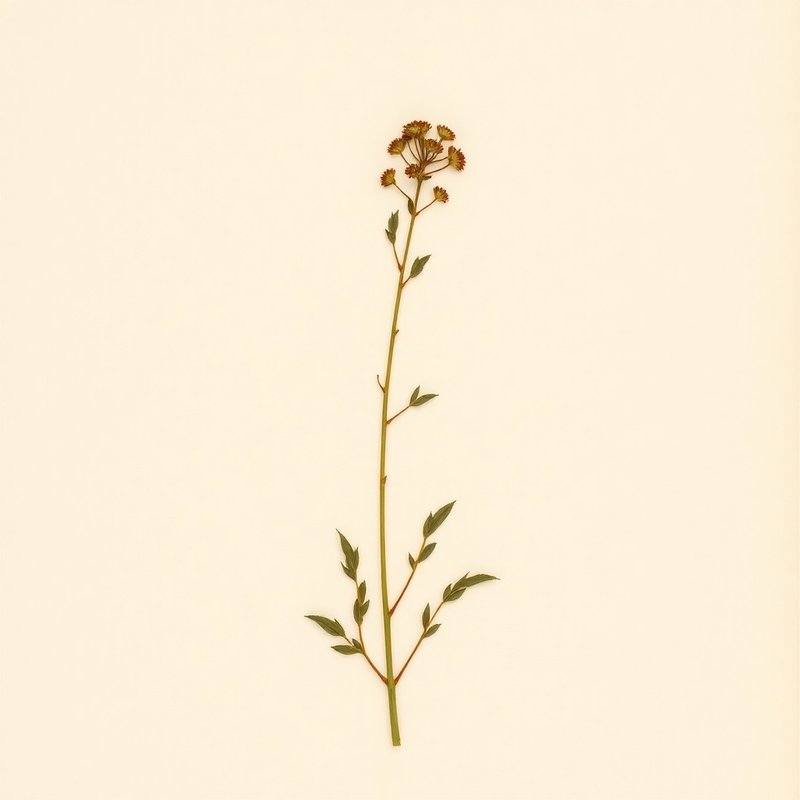
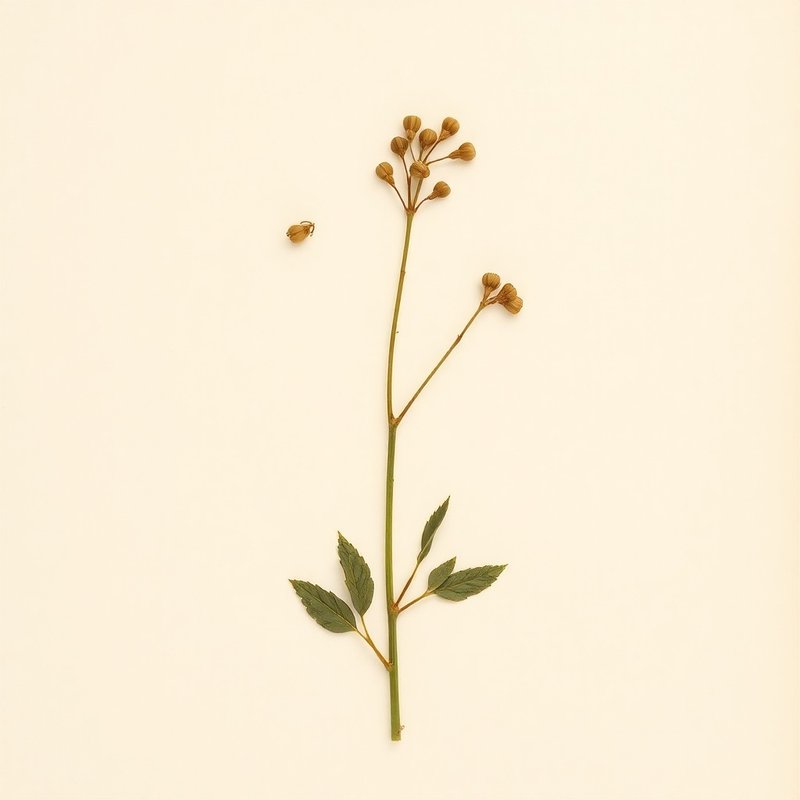


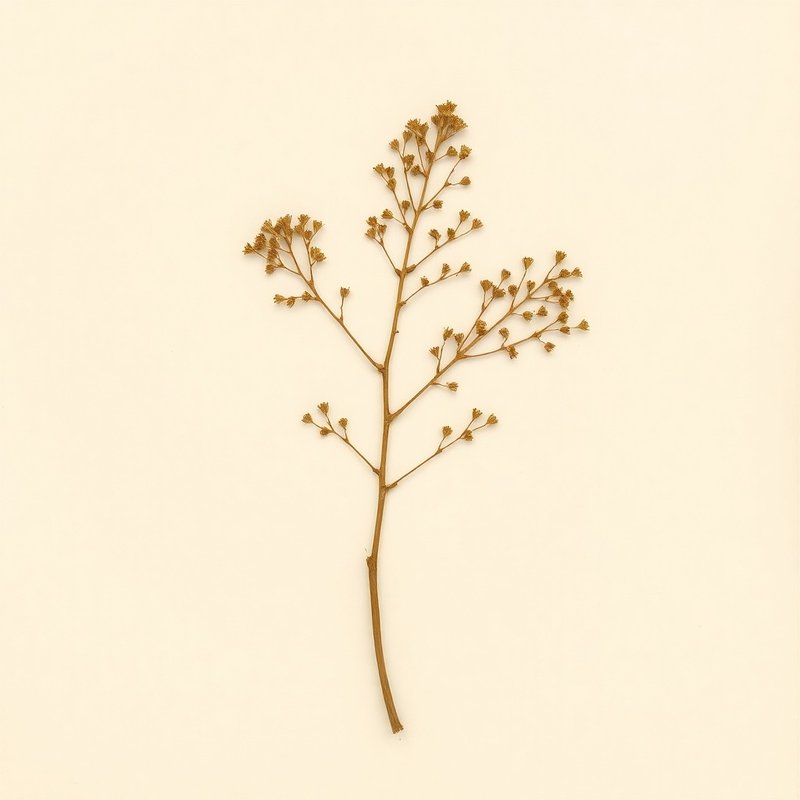
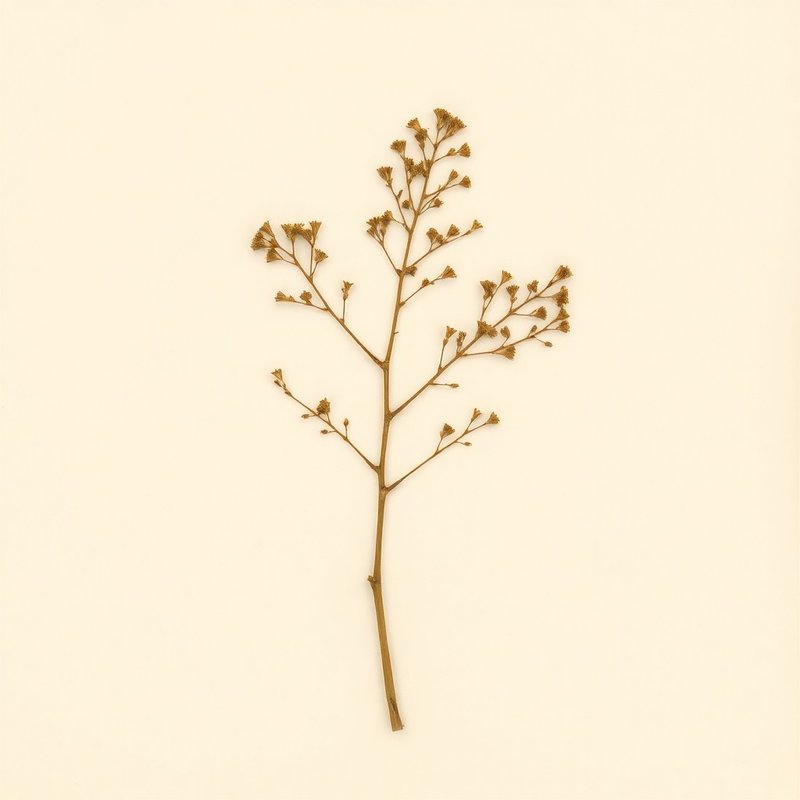
XI
Explore further
Companion planting
Compare with similar plants
Growing zone
Native to
XII
About this entry
- Last updated
- Citation
- How to cite this entry · Submit a correction
Back to the cataloguePlant id · 122987e1-a5ac-4dab-8f9a-11ca10edac76
Decision aid
Choosing between Tufted Vetch and something else?
Continue reading
❦❦❦❦
Endpaper · archive updates
Get archive updates
Occasional email when substantial new content lands — plant profiles, seasonal growing notes, folk-remedy additions. Free, no tracking, unsubscribe anytime.
Newsletter returning soon.
We are rebuilding the update list around a lightweight editorial workflow. New dispatches will resume after the next content review cycle.