
Bitter Vetch
IOverview
Overview
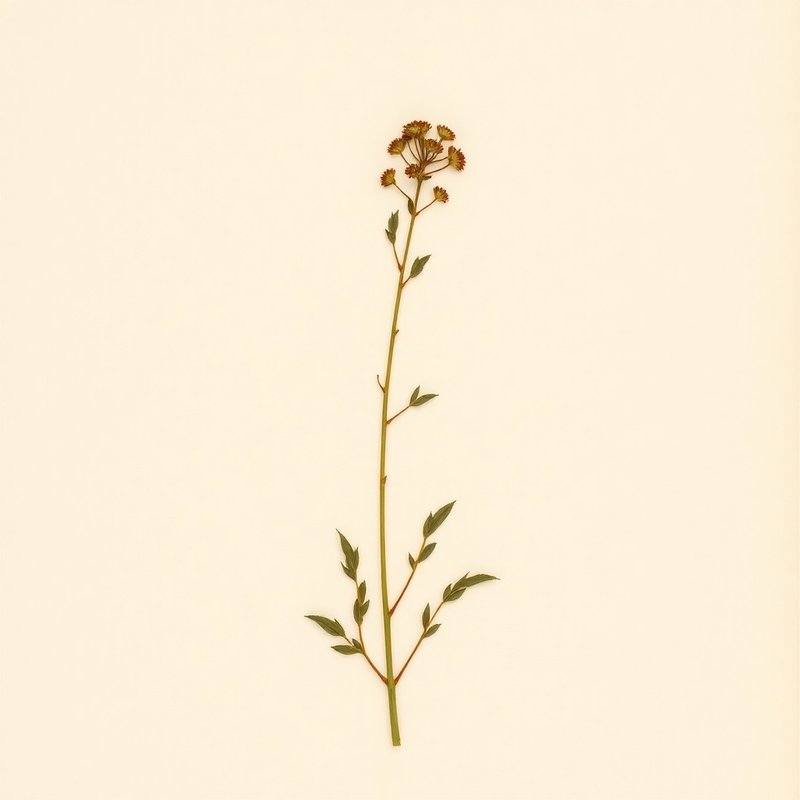
Bitter Vetch (Lathyrus linifolius montanus) is a perennial plant belonging to the Fabaceae family, commonly found in moist to moderately dry soils across Europe, from Albania and Austria to the Baltic States and Belarus. This species is notable for its ability to thrive in various soil types, including light (sandy), medium, and heavy (clay) soils, with an optimal pH range of 4.5–5. Its hardiness spans from zones 5-9, making it adaptable to a wide range of climates. Bitter Vetch is both edible and ornamental. The roots and seeds are suitable for consumption, with the roots being eaten raw or cooked, and the seeds typically dried before use. The seeds can also be ground into flour for various culinary applications. The plant produces purple flowers, typically blooming in May, adding a touch of color to its growing environment. This leguminous plant is known for its nitrogen-fixing capabilities, making it a valuable addition to gardens and agricultural settings. It thrives in moist conditions and prefers at least moderate sunlight (light: 6/10). For optimal growth, the soil pH should be maintained between 4.5–5. Regular watering is necessary to ensure the plant's moisture needs are met. Bitter Vetch can be propagated through seeds or root division. While Bitter Vetch is generally safe for consumption, it is advisable to exercise caution, especially when consuming the seeds, due to potential bitter compounds. Always ensure proper identification and preparation before use.
What is Bitter Vetch?
Bitter Vetch (Lathyrus linifolius montanus) is a perennial plant belonging to the Fabaceae family, commonly found in moist to moderately dry soils across Europe, from Albania and Austria to the Baltic States and Belarus.
VCultivation
Cultivation
How to grow Bitter Vetch for the first time
Start with Bitter Vetch as a simple perennial by following basic planting and care instructions.
- 1
What you'll need
A small trowel, seeds or seedlings, and a watering can.
- 2
Best time to plant
Plant in early spring after the last frost or in late summer for fall germination.
- 3
Soil and container prep
Ensure soil is well-draining with a pH of 4.5–5, and prepare containers at least 30 cm deep.
- 4
Sowing or transplanting
Direct sow seeds 2-3 cm deep or transplant seedlings into prepared soil.
- 5
First two weeks
Keep the soil consistently moist but not waterlogged, and provide partial shade if needed.
- 6
Ongoing care
Water regularly during dry spells, mulch to retain moisture, and fertilize sparingly with compost.
- 7
Harvest or pruning
Prune back after flowering to encourage new growth and maintain shape.
VIEdible & utility
Edible & utility
VIIDistribution
24 native · 1 introduced
Distribution
24 native · 1 introducedIXSpecimen gallery
1 image
Specimen gallery
1 imageXSee also
8 related
See also
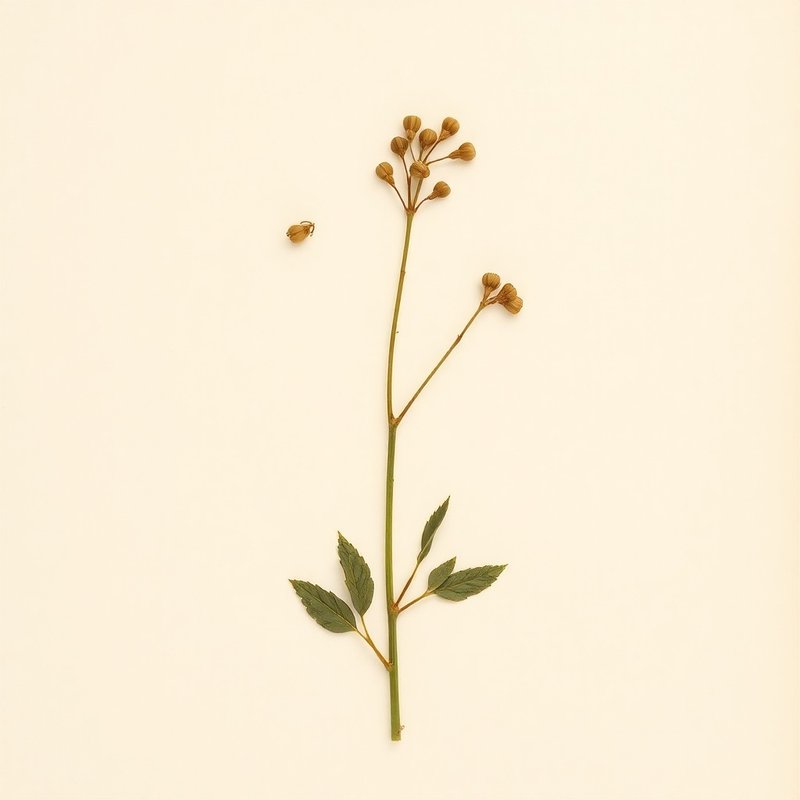
8 relatedPlants you might compare or use together — scored by shared family (Fabaceae), common use cases, and growing requirements.


Explore further
About this entry
- Last updated
- Citation
- How to cite this entry · Submit a correction
Continue reading
Get archive updates
Occasional email when substantial new content lands — plant profiles, seasonal growing notes, folk-remedy additions. Free, no tracking, unsubscribe anytime.