
Grass Pansy
IOverview
Overview
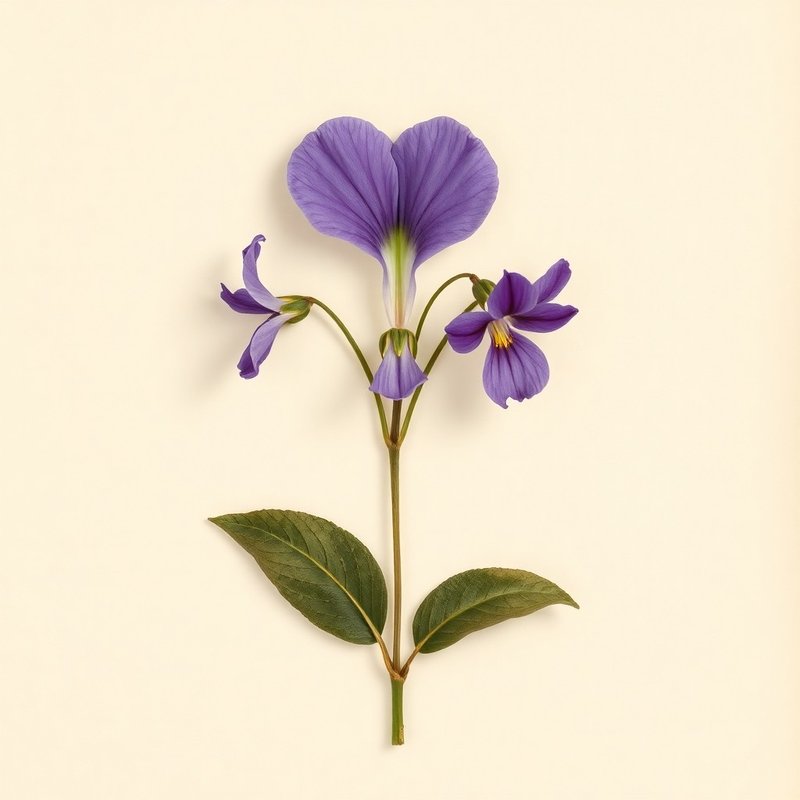
Grass Pansy, scientifically known as Viola pedunculata and belonging to the Violaceae family, is a perennial plant native to California and the northwest region of Mexico. This plant thrives in environments that offer partial sun or shade and prefers moist conditions with light (sandy), medium, or heavy (clay) soil types. It can be found growing in habitats ranging from USDA Hardiness Zones 7 to 10. Grass Pansy is both edible and medicinal; its flowers and leaves are commonly used for culinary purposes, such as making tea. Additionally, it has documented uses in traditional medicine, making it a versatile plant with multiple applications in various settings. One distinctive feature of this plant is its ability to adapt to different soil types while requiring moist conditions, contributing to its resilience in diverse environments. While it is safe for consumption, caution should be exercised when using it medicinally, as the specific compounds and their effects are not well-documented.
What is Grass Pansy?
Grass Pansy, scientifically known as Viola pedunculata and belonging to the Violaceae family, is a perennial plant native to California and the northwest region of Mexico.
IV·bMixology suggestions
2 drafts
Mixology suggestions
2 draftsVCultivation
Cultivation
How to grow Grass Pansy for the first time
Start with Grass Pansy as a simple, low-maintenance perennial for your garden.
- 1
What you'll need
Seeds or small plants, a trowel, and watering can.
- 2
Best time to plant
Plant in spring after the last frost or in fall before the first freeze.
- 3
Soil and container prep
Prepare soil that is light (sandy), medium, or heavy with good drainage. Ensure containers have holes for proper water flow.
- 4
Sowing or transplanting
Direct sow seeds 1/4 inch deep in the ground or transplant young plants into prepared soil.
- 5
First two weeks
Water regularly to keep the soil moist. Shield from direct sunlight during this period if necessary.
- 6
Ongoing care
Provide partial sun and regular watering, especially when the soil feels dry. Mulch around plants for moisture retention.
- 7
Harvest or pruning
Prune spent flowers to encourage more blooms and remove any dead leaves to keep the plant healthy.
- 8
Common mistakes
Overwatering, planting in full sun, neglecting to mulch, not pruning spent flowers.
VIEdible & utility
Edible & utility
VIIDistribution
2 native · 0 introduced
Distribution
2 native · 0 introducedXSee also
8 related
See also
8 relatedPlants you might compare or use together — scored by shared family (Violaceae), common use cases, and growing requirements.
Explore further
About this entry
- Last updated
- Citation
- How to cite this entry · Submit a correction
Continue reading
Get archive updates
Occasional email when substantial new content lands — plant profiles, seasonal growing notes, folk-remedy additions. Free, no tracking, unsubscribe anytime.