
Chinese Violet
IOverview
Overview
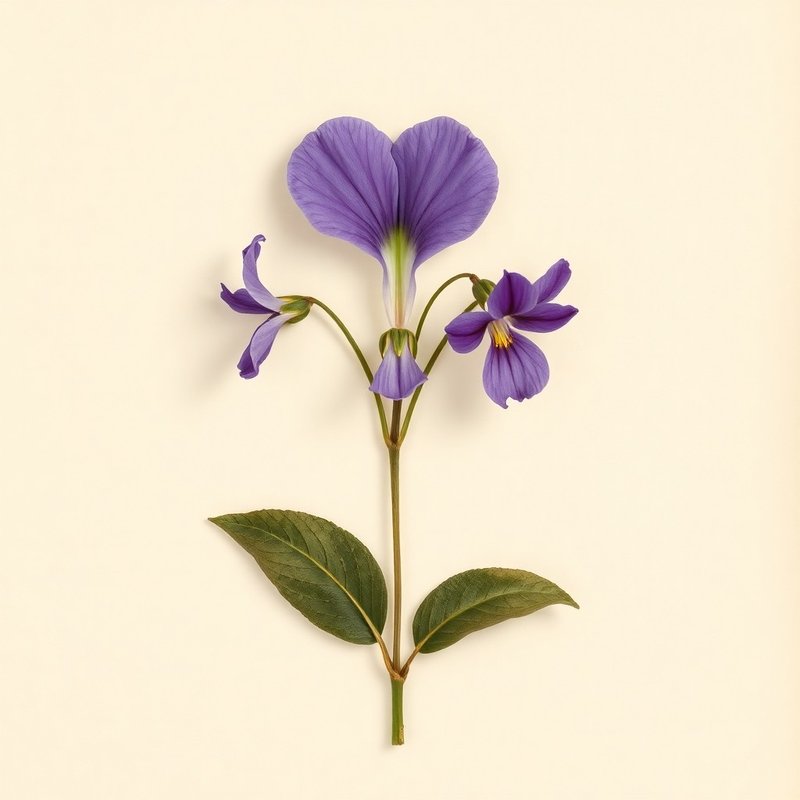
Chinese Violet (Viola yezoensis) is a perennial plant native to Japan, belonging to the Violaceae family. This small, flowering plant thrives in moist conditions and prefers light or partial sun exposure. It can be found growing in various soil types, including sandy, medium, and clay soils, making it adaptable to different growing environments. Known for its edible flowers and leaves, Chinese Violet is also used medicinally, though its specific compounds and benefits are not detailed here. Its distinctive features include a height of about 0.2 meters and a hardiness range from USDA zones 5 to 9, making it suitable for gardens and landscapes in these climates. For optimal growth, maintain consistent moisture levels and ensure the soil remains well-drained. Propagate via division or seed sowing. The edible parts include both its flowers and leaves, adding a delicate touch to teas and culinary dishes.
What is Chinese Violet?
Chinese Violet (Viola yezoensis) is a perennial plant native to Japan, belonging to the Violaceae family. This small, flowering plant thrives in moist conditions and prefers light or partial sun exposure.
IV·bMixology suggestions
2 drafts
Mixology suggestions
2 draftsVCultivation
Cultivation
How to grow Chinese Violet for the first time
Chinese Violet is a low-maintenance perennial that's perfect for beginners.
- 1
What you'll need
Seeds or small plants, potting soil, containers with drainage holes.
- 2
Best time to plant
Plant in spring after the last frost or in fall before the first freeze.
- 3
Soil and container prep
Use a well-draining potting mix. Containers should be at least 10 cm deep.
- 4
Sowing or transplanting
Direct sow seeds outdoors after danger of frost is past, or start indoors 4-6 weeks before planting outside.
- 5
First two weeks
Keep soil consistently moist. Place in a partially shaded area to avoid sunburn.
- 6
Ongoing care
Water when the top inch of soil feels dry. Provide partial shade during hot summer months.
- 7
Harvest or pruning
Prune dead leaves and spent flowers to encourage new growth and a tidy appearance.
- 8
Common mistakes
Overwatering, planting in full sun, neglecting to prune.
VIEdible & utility
Edible & utility
VIIDistribution
1 native · 0 introduced
Distribution
1 native · 0 introducedXSee also
8 related
See also
8 relatedPlants you might compare or use together — scored by shared family (Violaceae), common use cases, and growing requirements.
Explore further
About this entry
- Last updated
- Citation
- How to cite this entry · Submit a correction
Continue reading
Get archive updates
Occasional email when substantial new content lands — plant profiles, seasonal growing notes, folk-remedy additions. Free, no tracking, unsubscribe anytime.