
Wood Violet
Viola rivinianafam. Violaceae
Educational content — not medical, botanical, or professional advice. Always consult a qualified clinician before using any herbal preparation — especially during pregnancy, breastfeeding, while on medication, or for children. How we source & review →
Garden journal pausedUse profile notes below
Pl. E7C8 — Viola riviniana
Viola rivinianaViola rivinianaViola rivinianaViola rivinianaViola rivinianaViola rivinianaViola rivinianaViola rivinianaViola rivinianaViola rivinianaViola rivinianaViola rivinianaViola rivinianaViola riviniana
IOverview
Overview
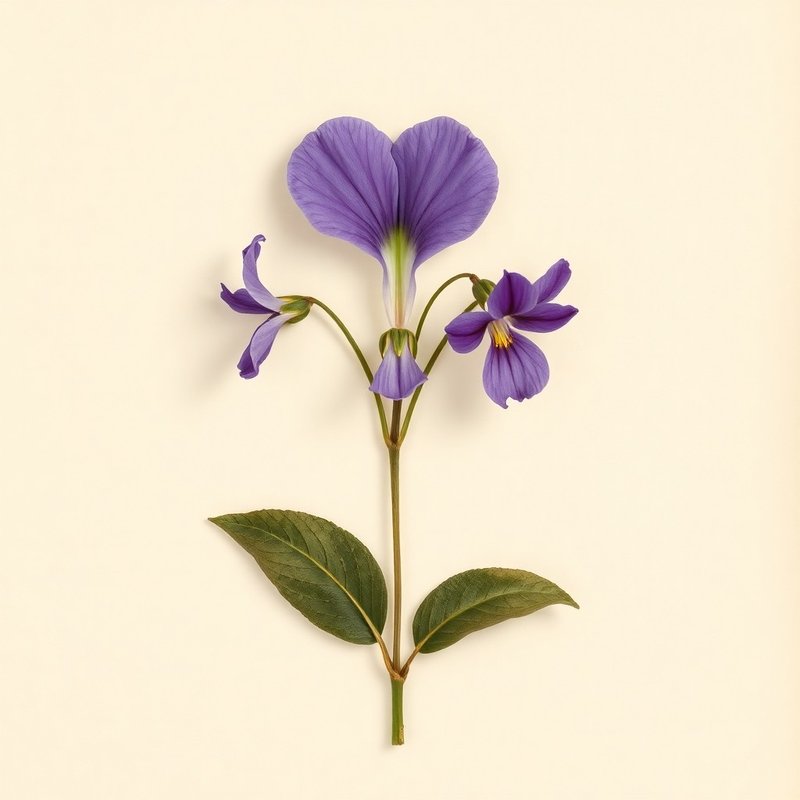
Wood Violet (Viola riviniana), a perennial plant in the Violaceae family, is native to a wide range of European countries, including Albania, Austria, Belarus, Belgium, Bulgaria, and many others, as well as parts of North Africa such as Algeria and Morocco. This adaptable plant thrives in moist, partial sun to full sun conditions and prefers soil that is light (sandy), medium, or heavy (clay). Standing at approximately 20 cm tall, Wood Violet is recognized by its heart-shaped leaves and delicate purple flowers, making it a popular ornamental choice. The plant is also known for its edible and medicinal properties, with its flowers and leaves being used to make tea. Wood Violet has been introduced to regions such as British Columbia, California, Oregon, Victoria, and Washington, where it can be found growing in gardens and natural settings. In terms of cultivation, Wood Violet is hardy in zones 4-8, making it suitable for temperate regions. It can be propagated through division or seed. While it is generally safe, caution should be exercised when using any part of the plant for medicinal purposes, as individual reactions may vary. The plant's edible and ornamental value, combined with its adaptability, makes it a valuable addition to gardens and natural landscapes.
Quick answers
What is Wood Violet?
Wood Violet (Viola riviniana), a perennial plant in the Violaceae family, is native to a wide range of European countries, including Albania, Austria, Belarus, Belgium, Bulgaria, and many others, as well as parts of North Africa such as Algeria and Morocco.
IV·bMixology suggestions
2 drafts
Mixology suggestions
2 draftsEditorial drafts. These pairings are AI-suggested from traditional herbal lore. Always verify with a qualified herbalist before brewing.
Growingconditions · propagation · uses
VCultivation
Cultivation
Wood Violet thrives in partial sun to full sun and prefers moist soil that is light (sandy), medium, or heavy (clay). It grows well in hardiness zones 4-8, making it suitable for temperate regions. Propagate via division or seed. This perennial reaches a height of about 0.2 meters and can be enjoyed for its edible flowers and leaves.
Light
Full sun, Partial sun/shade
Water
Moist
Soil
Light (sandy), Medium, Heavy (clay)
Hardiness
4-8
Life cycle
Perennial
Mature size
0.2 m tall
For first-time growers
How to grow Wood Violet for the first time
8steps
Start with Wood Violets to gain gardening confidence and enjoy their beauty and utility.
- 1
What you'll need
Wood Violet seeds or young plants, a small garden trowel, a watering can.
- 2
Best time to plant
Plant in spring after the last frost or in fall before the first freeze.
- 3
Soil and container prep
Use well-draining soil with a mix of light (sandy), medium, or heavy clay. Ensure containers have drainage holes.
- 4
Sowing or transplanting
Direct sow seeds in the garden or start young plants indoors 4-6 weeks before planting outdoors.
- 5
First two weeks
Keep soil consistently moist and provide partial shade to prevent seedlings from drying out.
- 6
Ongoing care
Water regularly, especially during dry spells. Mulch around the plants to retain moisture and suppress weeds.
- 7
Harvest or pruning
Prune dead leaves and flowers to encourage new growth and maintain a tidy appearance.
- 8
Common mistakes
Overwatering, planting in heavy shade, neglecting to mulch, not providing enough drainage.
VIEdible & utility
Edible & utility
Edible parts:FlowersLeaves
Edible uses: Tea
Other uses:Ground cover
Contextrange · companions · related
VIIDistribution
38 native · 5 introduced
Distribution
38 native · 5 introducedDistribution across2 continents· 38 native· 5 introduced
Europe24 regions
native (24)AlbaniaAustriaBelarusBelgiumBulgariaDenmarkFinlandFranceGermanyGreeceHungaryIcelandIrelandItalyNetherlandsNorwayPolandPortugalRomaniaRussiaSpainSwedenSwitzerlandUnited Kingdom
Africa3 regions
native (3)AlgeriaMoroccoTunisia
Broader regions
native:Baltic States, Czechoslovakia, East Aegean Is., Føroyar, Yugoslavia
introduced:British Columbia, California, Oregon, Victoria, Washington
XSee also
8 related
See also
8 relatedPlants you might compare or use together — scored by shared family (Violaceae), common use cases, and growing requirements.
same family · Violaceae
Botanical relatives — often share phytochemistry + growing needs.
XI
Explore further
Companion planting
Compare with similar plants
Growing zone
XII
About this entry
- Last updated
- Citation
- How to cite this entry · Submit a correction
Back to the cataloguePlant id · e7c8afde-a203-4001-a5e0-4f31fc748ba1
Decision aid
Choosing between Wood Violet and something else?
Continue reading
❦❦❦❦
Endpaper · archive updates
Get archive updates
Occasional email when substantial new content lands — plant profiles, seasonal growing notes, folk-remedy additions. Free, no tracking, unsubscribe anytime.
Newsletter returning soon.
We are rebuilding the update list around a lightweight editorial workflow. New dispatches will resume after the next content review cycle.