
Vitis labruscana
IOverview
Overview
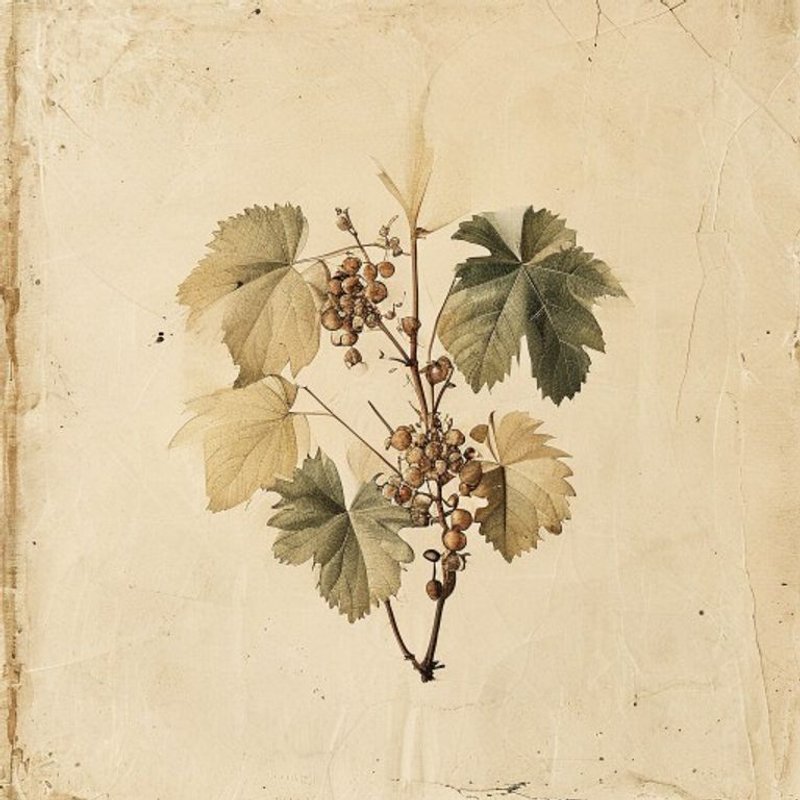
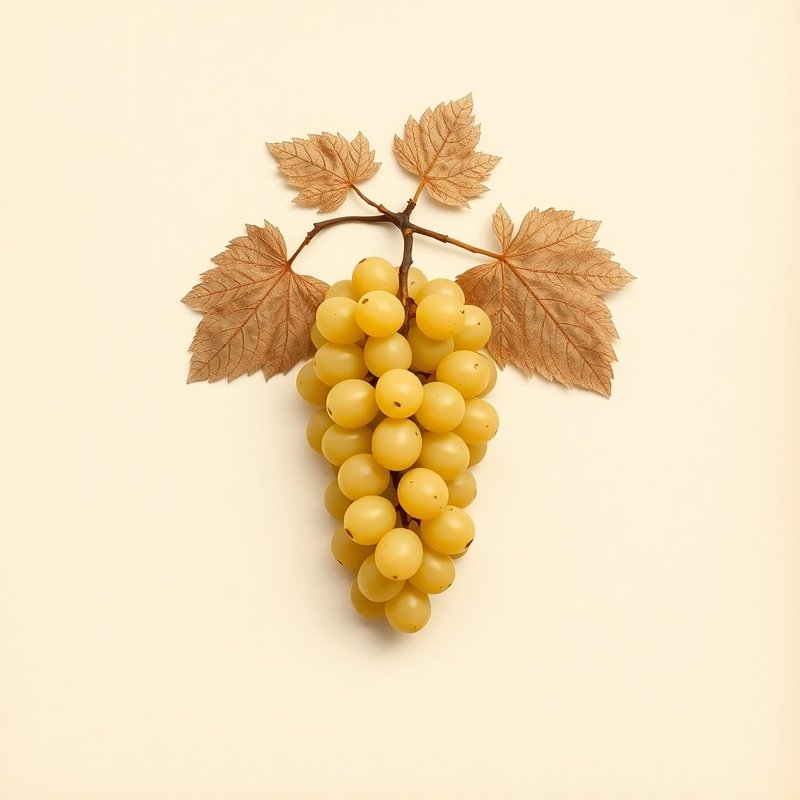
Vitis labruscana, commonly known as the American grape, belongs to the Vitaceae family and is a deciduous vine native to eastern North America. This plant thrives in full to partial sun and can adapt to various soil types, including light (sandy), medium, and heavy (clay) soils. It prefers moist conditions but can tolerate dry environments, making it hardy in zones 4-8. The American grape is known for its edible fruit, which can be enjoyed fresh or used in jams and jellies. The leaves can also be dried and steeped to make a tea, though they are not typically consumed raw. This vine can grow up to 15 meters in height, contributing to its prominence in landscapes and gardens. While primarily used for culinary purposes, Vitis labruscana also has ornamental value, making it a versatile addition to any garden.
What is Vitis labruscana?
Vitis labruscana, commonly known as the American grape, belongs to the Vitaceae family and is a deciduous vine native to eastern North America. This plant thrives in full to partial sun and can adapt to various soil types, including light (sandy), medium, and heavy (clay) soils.
VCultivation
Cultivation
How to grow Vitis labruscana for the first time
Start with a simple, low-maintenance grape vine for your first gardening project.
- 1
What you'll need
A Vitis labruscana plant or cutting, garden gloves, and a trellis system.
- 2
Best time to plant
Plant in early spring after the last frost or late summer before the first freeze.
- 3
Soil and container prep
Ensure soil is well-draining; amend with compost if necessary. For containers, use a pot at least 15 liters (4 gallons) in size.
- 4
Sowing or transplanting
Transplant the young plant into your garden bed or container, ensuring it's planted at the same depth as it was in its nursery pot.
- 5
First two weeks
Water regularly to keep soil moist but not waterlogged. Monitor for pests and diseases.
- 6
Ongoing care
Provide regular watering during dry spells, especially when fruit is developing. Prune annually in late winter or early spring.
- 7
Harvest or pruning
Prune the vine to maintain shape and encourage new growth. Harvest fruit in late summer or early fall when ripe.
VIEdible & utility
Edible & utility
VIIIGarden companions
2 pairs
Garden companions
2 pairsThese plants help — by repelling pests, fixing nitrogen, attracting pollinators, or sharing space well.
XSee also
8 related
See also
8 relatedPlants you might compare or use together — scored by shared family (Vitaceae), common use cases, and growing requirements.
Explore further
About this entry
- Last updated
- Citation
- How to cite this entry · Submit a correction
Continue reading
Get archive updates
Occasional email when substantial new content lands — plant profiles, seasonal growing notes, folk-remedy additions. Free, no tracking, unsubscribe anytime.