
Bergamot
Monarda didyma
Educational content — not medical, botanical, or professional advice. Always consult a qualified clinician before using any herbal preparation — especially during pregnancy, breastfeeding, while on medication, or for children. How we source & review →
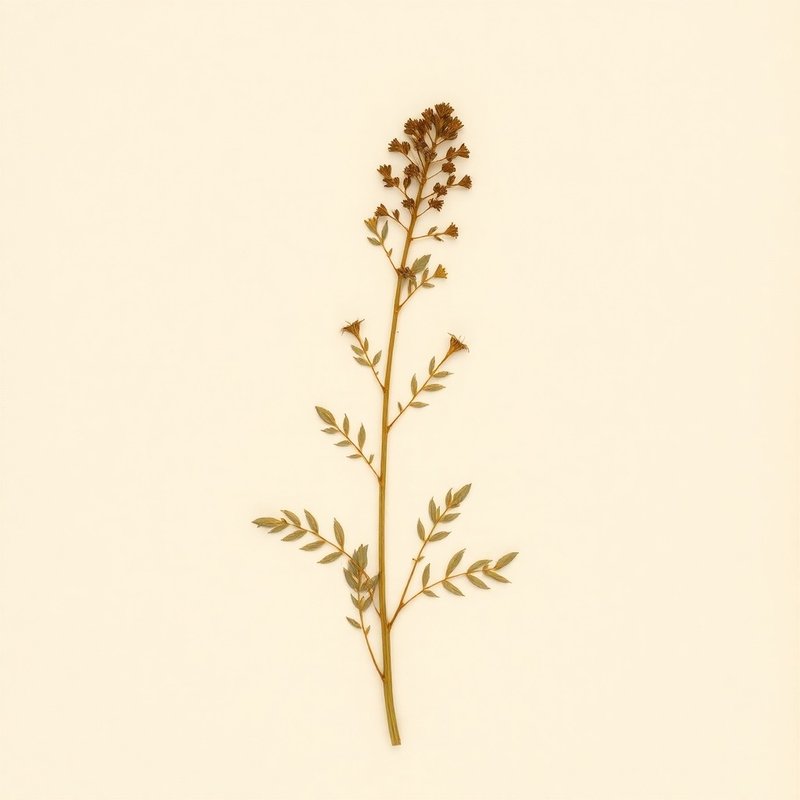
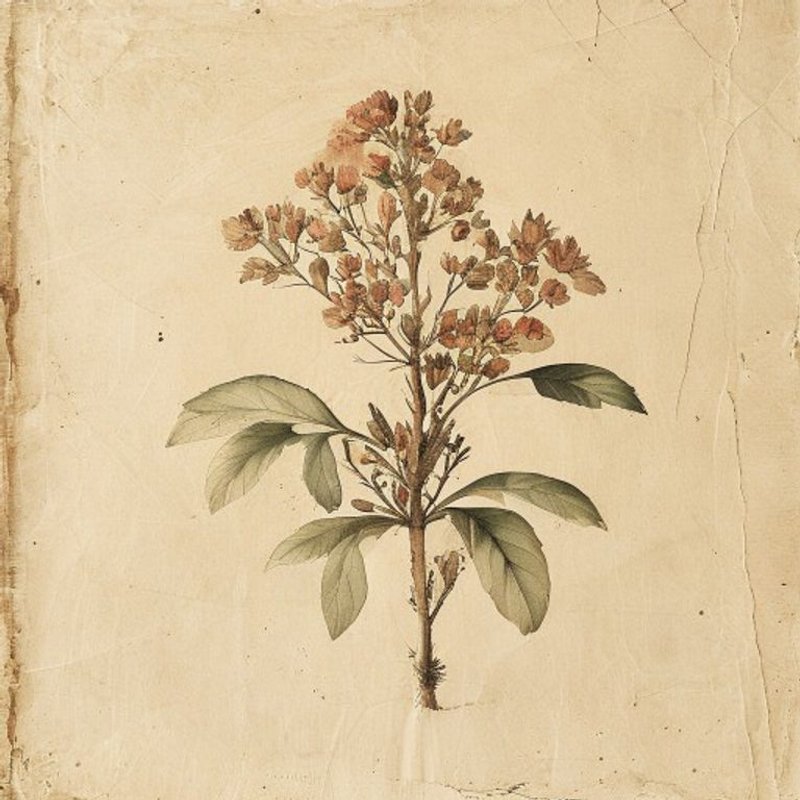
Pl. 3E57 — Monarda didyma
Monarda didymaMonarda didymaMonarda didymaMonarda didymaMonarda didymaMonarda didymaMonarda didymaMonarda didymaMonarda didymaMonarda didymaMonarda didymaMonarda didymaMonarda didymaMonarda didyma
IOverview
Overview
Bergamot (Monarda didyma) is a perennial herb native to eastern North America, found in states such as Alabama, Connecticut, Georgia, Kentucky, and Massachusetts. Known for its ornamental value and culinary uses, this plant thrives in moist, light to medium soil and prefers full sun to partial shade. It can grow up to 1.5 meters tall and is often propagated through division or seed sowing. Bergamot's edible parts include flowers, leaves, and shoots, making it a versatile addition to gardens and culinary dishes. Its hardiness ranges from zones 4-10, allowing for widespread cultivation in suitable climates.
Quick answers
What is Bergamot?
Bergamot (Monarda didyma) is a perennial herb native to eastern North America, found in states such as Alabama, Connecticut, Georgia, Kentucky, and Massachusetts. Known for its ornamental value and culinary uses, this plant thrives in moist, light to medium soil and prefers full sun to partial shade.
What is Bergamot used for?
Traditionally used for mood support, stress & anxiety. Each claim is evidence-rated — see Section II for full citations.
Best for
Top 2 evidence-ranked uses of Bergamot
Clinicaluses · safety · chemistry · dosagemedicinal profile
IIBenefits & evidence
2 claims · 0 sources
Benefits & evidence
2 claims · 0 sources- Traditional-use note: Bergamot appears in herbal sources around emotional well-being traditions, often as a aromatherapy. PlantSage presents this as ethnobotanical context, not as medical advice.
Traditional context only. This reviewed claim keeps the original moderate confidence level, but avoids treatment, disease, dosage, or guaranteed-effect language.
- Traditional-use note: Bergamot appears in herbal sources around calming and relaxation traditions, often as a tincture. PlantSage presents this as ethnobotanical context, not as medical advice.
Traditional context only. This reviewed claim keeps the original moderate confidence level, but avoids treatment, disease, dosage, or guaranteed-effect language.
IV·bMixology suggestions
1 draft
Mixology suggestions
1 draftEditorial drafts. These pairings are AI-suggested from traditional herbal lore. Always verify with a qualified herbalist before brewing.
Bergamot support blend
generaltea
AI returned a direct ingredient list; normalized into one draft blend for editorial review.
Growingconditions · propagation · uses
VCultivation
Cultivation
Bergamot thrives in full to partial sun and prefers moist, light (sandy), medium, or heavy (clay) soil. It is hardy in zones 4-10 and can grow up to 1.5 meters tall. Propagate through seed sowing directly outdoors in early spring or by dividing established plants. Space plants about 12-18 inches apart for best results. The edible parts include the flowers, leaves, and shoots.
Light
Full sun, Partial sun/shade
Water
Moist
Soil
Light (sandy), Medium, Heavy (clay)
Hardiness
4-10
Life cycle
Perennial
Habit
Forb/herb
Mature size
0.7-1.5m m tall
- Propagation
- Seed - transplant, Seed - direct sow, Division
- Sow outdoors
- early spring - 8 weeks before first frost
- Sow indoors
- 6-8 weeks before last frost
- Germination
- 10-20 days
- Spacing
- 12-18inches
For first-time growers
How to grow Bergamot for the first time
8steps
Start with planting Bergamot in your garden for a low-maintenance, attractive addition.
- 1
What you'll need
Bergamot seeds or divisions, a trowel, and mulch.
- 2
Best time to plant
Plant Bergamot in early spring, about 8 weeks before the first frost.
- 3
Soil and container prep
Ensure soil is well-draining with medium moisture; amend as needed for containers.
- 4
Sowing or transplanting
Direct sow seeds outdoors after danger of frost, or divide established plants in spring.
- 5
First two weeks
Water regularly to keep the soil moist but not waterlogged. Monitor for pests and diseases.
- 6
Ongoing care
Provide full sun to partial shade; mulch around the base to retain moisture and suppress weeds.
- 7
Harvest or pruning
Prune after flowering to encourage new growth and prevent legginess. Remove dead leaves as needed.
- 8
Common mistakes
Overwatering, planting in heavy clay soil, neglecting to divide overcrowded plants.
VIEdible & utility
Edible & utility
Edible parts:FlowersLeavesShoots
Edible uses: Condiment, Tea
Other uses:CompanionEssential OilFragrance
Contextrange · companions · related
VIIDistribution
22 native · 6 introduced
Distribution
22 native · 6 introducedDistribution across2 continents· 22 native· 6 introduced
Europe2 regions
introduced (2)AustriaRussia
Asia1 region
native (1)Georgia
Broader regions
native:Michigan, Connecticut, Kentucky, Maine, Maryland, Massachusetts, Vermont, Virginia, West Virginia, Alabama, Masachusettes, eastern North America, Mississippi, New Hampshire, New Jersey, New York, North Carolina, Ohio, Ontario, Pennsylvania, Tennessee
introduced:Illinois, Minnesota, Wisconsin
VIIIGarden companions
22 pairs
Garden companions
22 pairsPlant near these
These plants help — by repelling pests, fixing nitrogen, attracting pollinators, or sharing space well.
Vitis labruscana
Vitis labruscana
Pollinator-friendly
Bergamot attracts pollinators that help with grape pollination.
✶ AI suggested
Pumpkin / Zucchini
Cucurbita pepo
Pollinator-friendly
Bee balm brings pollinators into cucurbit plantings.
Pot marigold
Calendula officinalis
Pollinator-friendly
Lower-confidence herb guild pairing: overlapping bloom windows increase beneficial-insect habitat in medicinal herb beds.
Fagopyrum esculentum
Fagopyrum esculentum
Pollinator-friendly
Lower-confidence herb guild pairing: overlapping bloom windows increase beneficial-insect habitat in medicinal herb beds.
Yarrow
Achillea millefolium
Pollinator-friendly
Lower-confidence herb guild pairing: overlapping bloom windows increase beneficial-insect habitat in medicinal herb beds.
White Clover
Trifolium repens
Living mulch
Lower-confidence herb guild pairing: low living mulches protect soil around taller perennial herbs when kept from crowding crowns.
Apple
Malus domestica
Pollinator-friendly
Lower-confidence orchard guild pairing: long-blooming insectary plants support pollinators and pest predators near fruit trees.
Apricot
Prunus armeniaca
Pollinator-friendly
Lower-confidence orchard guild pairing: long-blooming insectary plants support pollinators and pest predators near fruit trees.
Sweet cherry
Prunus avium
Pollinator-friendly
Lower-confidence orchard guild pairing: long-blooming insectary plants support pollinators and pest predators near fruit trees.
Sour cherry
Prunus cerasus
Pollinator-friendly
Lower-confidence orchard guild pairing: long-blooming insectary plants support pollinators and pest predators near fruit trees.
European plum
Prunus domestica
Pollinator-friendly
Lower-confidence orchard guild pairing: long-blooming insectary plants support pollinators and pest predators near fruit trees.
Peach
Prunus persica
Pollinator-friendly
Lower-confidence orchard guild pairing: long-blooming insectary plants support pollinators and pest predators near fruit trees.
Pear
Pyrus communis
Pollinator-friendly
Lower-confidence orchard guild pairing: long-blooming insectary plants support pollinators and pest predators near fruit trees.
Black elderberry
Sambucus nigra
Pollinator-friendly
Lower-confidence orchard guild pairing: long-blooming insectary plants support pollinators and pest predators near fruit trees.
Common Grape Vine
Vitis vinifera
Pollinator-friendly
Lower-confidence orchard guild pairing: long-blooming insectary plants support pollinators and pest predators near fruit trees.
Quince
Cydonia oblonga
Pollinator-friendly
Lower-confidence orchard guild pairing: long-blooming insectary plants support pollinators and pest predators near fruit trees.
Strawberry
Fragaria × ananassa
Pollinator-friendly
Lower-confidence berry guild pairing: insectary flowers improve pollinator presence and support predators around soft fruit.
Black currant
Ribes nigrum
Pollinator-friendly
Lower-confidence berry guild pairing: insectary flowers improve pollinator presence and support predators around soft fruit.
Red currant
Ribes rubrum
Pollinator-friendly
Lower-confidence berry guild pairing: insectary flowers improve pollinator presence and support predators around soft fruit.
Red raspberry
Rubus idaeus
Pollinator-friendly
Lower-confidence berry guild pairing: insectary flowers improve pollinator presence and support predators around soft fruit.
Northern Highbush Blueberry
Vaccinium corymbosum
Pollinator-friendly
Lower-confidence berry guild pairing: insectary flowers improve pollinator presence and support predators around soft fruit.
Wild Strawberry
Fragaria vesca
Pollinator-friendly
Lower-confidence berry guild pairing: insectary flowers improve pollinator presence and support predators around soft fruit.
IXSpecimen gallery
1 image
Specimen gallery
1 imageXSee also
8 related
See also
8 relatedPlants you might compare or use together — scored by shared family, common use cases, and growing requirements.
shared use cases
Different families, similar therapeutic role — good for comparing.

XI
Explore further
Companion planting
Health goals
Compare with similar plants
Growing zone
XII
About this entry
- Last updated
- Citation
- How to cite this entry · Submit a correction
Back to the cataloguePlant id · 3e57dede-6024-497d-b0ab-4673c27e7b92
Decision aid
Choosing between Bergamot and something else?
Continue reading
❦❦❦❦
Endpaper · archive updates
Get archive updates
Occasional email when substantial new content lands — plant profiles, seasonal growing notes, folk-remedy additions. Free, no tracking, unsubscribe anytime.