
Youngia denticulata

IOverview
Overview
Youngia denticulata, a member of the Asteraceae family, is an annual or biennial plant native to regions including Amur, China, Japan, Korea, and parts of Mongolia and Russia. This hardy plant thrives in moist conditions with light soil that is either sandy or medium in texture, and it requires full sun to partial shade for optimal growth. Known both for its edible leaves and documented medicinal uses, Youngia denticulata has a wide native range that spans from the northern parts of China to Korea and Japan. The leaves of Youngia denticulata are edible and can be consumed raw or cooked, making them a versatile addition to salads or soups. This plant's adaptability to various environments and its culinary and traditional medicine benefits make it a valuable addition to gardens and landscapes. While the plant is generally safe, caution should be exercised when using it medicinally, as individual reactions may vary.
What is Youngia denticulata?
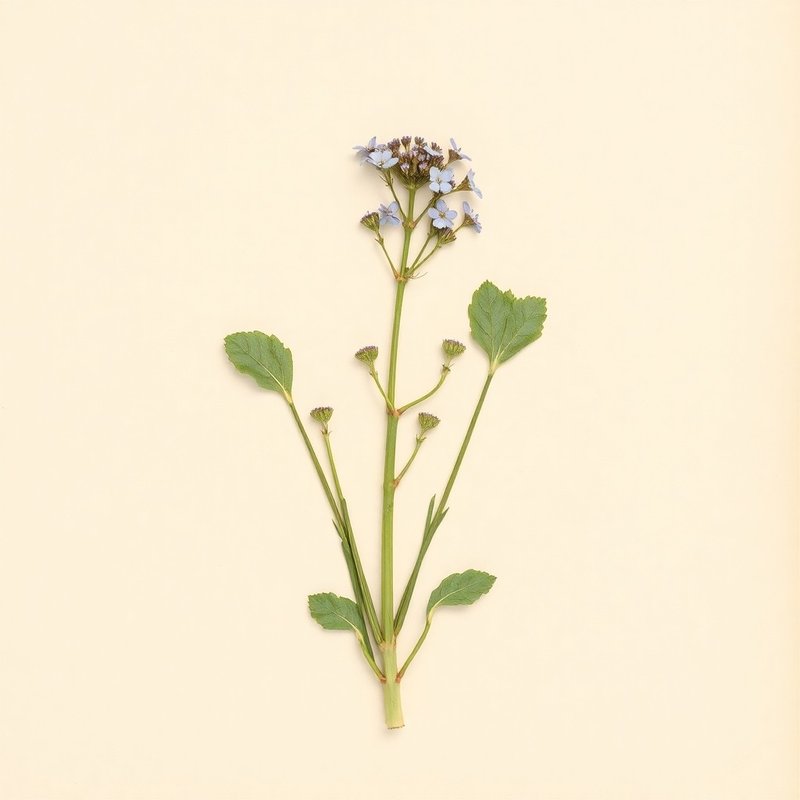
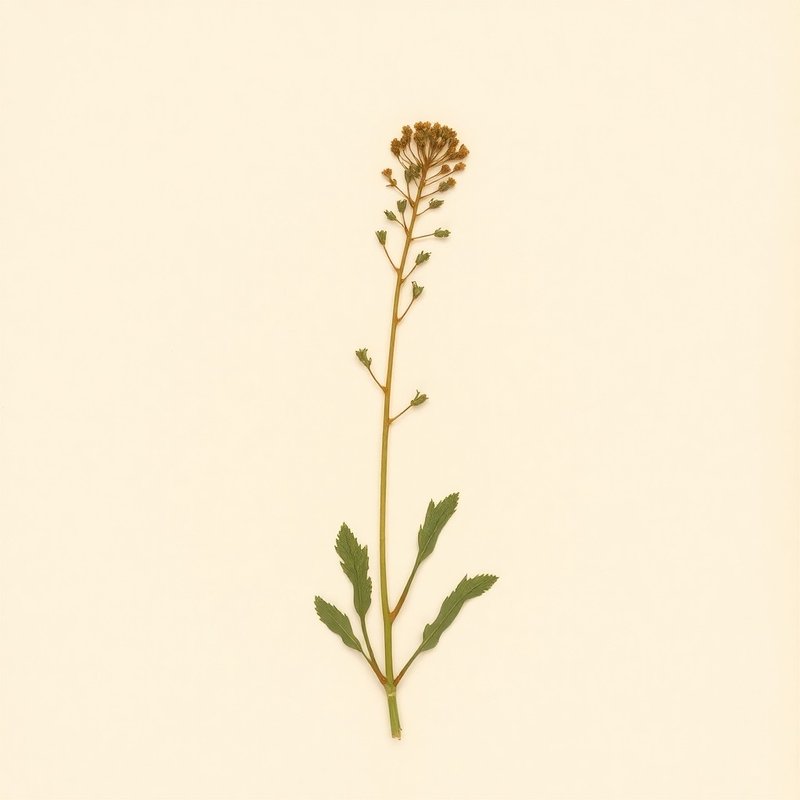
Youngia denticulata, a member of the Asteraceae family, is an annual or biennial plant native to regions including Amur, China, Japan, Korea, and parts of Mongolia and Russia.
IV·bMixology suggestions
1 draft
Mixology suggestions
1 draftVCultivation
Cultivation
How to grow Youngia denticulata for the first time
Start with simple soil and light conditions for a successful Skip plant.
- 1
What you'll need
Seeds or young plants, a small trowel, and a watering can.
- 2
Best time to plant
Plant in spring after the last frost, when soil is warm.
- 3
Soil and container prep
Use well-draining soil with some sand for lightness. Full sun or partial shade works best.
- 4
Sowing or transplanting
Direct sow seeds 1 cm deep in rows, or transplant young plants about 30 cm apart.
- 5
First two weeks
Water regularly to keep the soil moist but not soggy. Avoid overwatering.
- 6
Ongoing care
Provide consistent moisture and mulch around the base for weed control. Prune dead leaves as needed.
- 7
Harvest or pruning
Prune regularly to encourage bushy growth, removing any yellowed or damaged leaves.
- 8
Common mistakes
Overwatering, planting in heavy soil, and not providing enough light are common issues.
VIEdible & utility
Edible & utility
VIIDistribution
14 native · 0 introduced
Distribution
14 native · 0 introducedIXSpecimen gallery
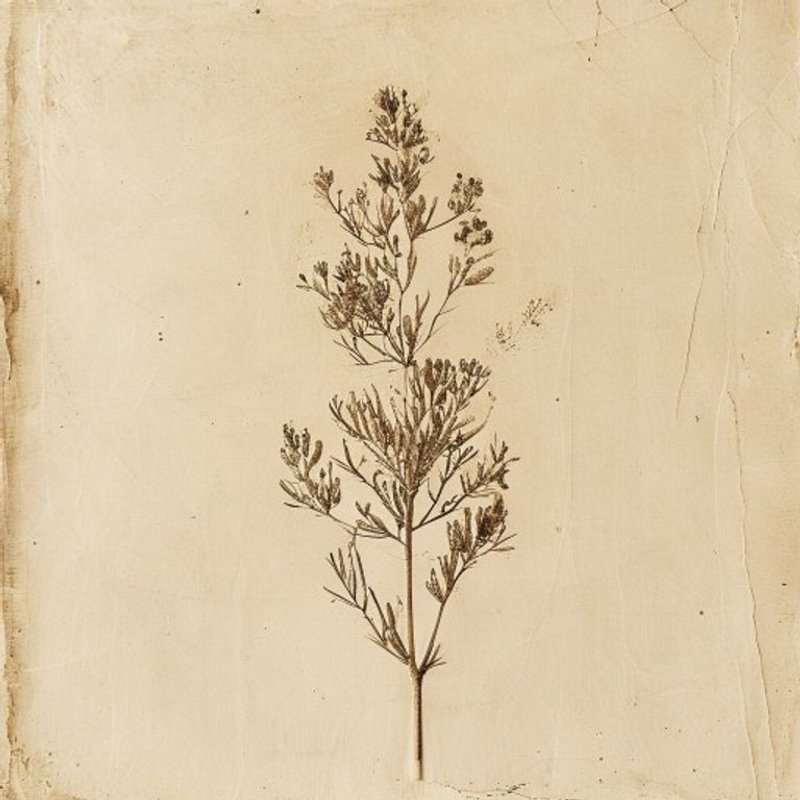
1 image
Specimen gallery
1 imageXSee also
8 related
See also
8 relatedPlants you might compare or use together — scored by shared family (Asteraceae), common use cases, and growing requirements.
Explore further
About this entry
- Last updated
- Citation
- How to cite this entry · Submit a correction
Continue reading
Get archive updates
Occasional email when substantial new content lands — plant profiles, seasonal growing notes, folk-remedy additions. Free, no tracking, unsubscribe anytime.