
Rocky Mountains Zinnia
Zinnia grandiflorafam. Asteraceae
Educational content — not medical, botanical, or professional advice. Always consult a qualified clinician before using any herbal preparation — especially during pregnancy, breastfeeding, while on medication, or for children. How we source & review →
Garden journal pausedUse profile notes below
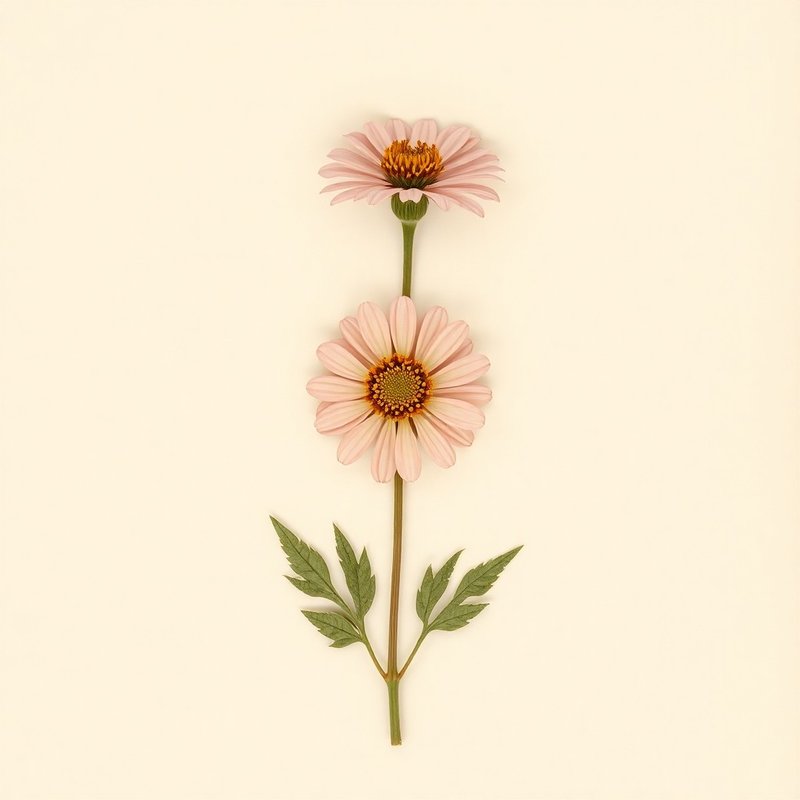
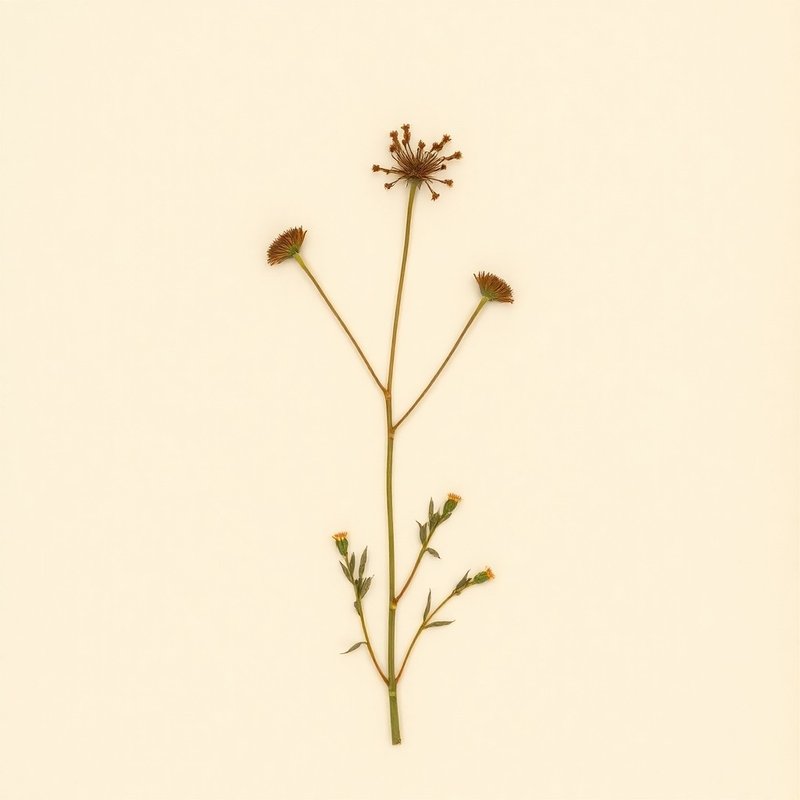
Pl. CCE3 — Zinnia grandiflora
Zinnia grandifloraZinnia grandifloraZinnia grandifloraZinnia grandifloraZinnia grandifloraZinnia grandifloraZinnia grandifloraZinnia grandifloraZinnia grandifloraZinnia grandifloraZinnia grandifloraZinnia grandifloraZinnia grandifloraZinnia grandiflora
IOverview
Overview
The Rocky Mountains Zinnia (Zinnia grandiflora) is a perennial plant belonging to the Asteraceae family, native to a wide range of regions including Western North America, Northern Mexico, parts of South America such as Argentina, Bolivia, Colombia, Ecuador, and Venezuela. This hardy plant thrives in full sun and dry conditions, making it well-suited for arid or semi-arid environments. Known for its medicinal properties, the Rocky Mountains Zinnia has been utilized by various cultures for its therapeutic benefits. With a compact stature, it reaches a height and width of approximately 0.2 meters, adding vibrant color to gardens and landscapes. While primarily recognized for its traditional uses, it can also be an attractive addition to gardens, especially in areas native to its range. Due to its medicinal properties, caution should be exercised when handling or using this plant. This perennial, with its preference for full sun and dry conditions, can be a valuable addition to gardens in hardiness zones 4-8. Its native range extends from the western United States to parts of South America, making it adaptable to diverse climates. The Rocky Mountains Zinnia's small size and attractive blooms make it a suitable choice for rock gardens, borders, or as a low-maintenance ground cover. Its hardiness and drought-resistant nature make it an ideal plant for areas with limited water resources. While primarily known for its traditional medicinal uses, it can also serve as an ornamental plant, enhancing the aesthetic appeal of gardens and landscapes. Due to its potential medicinal benefits, it is important to handle this plant with care and seek professional guidance for its use.
Quick answers
What is Rocky Mountains Zinnia?
The Rocky Mountains Zinnia (Zinnia grandiflora) is a perennial plant belonging to the Asteraceae family, native to a wide range of regions including Western North America, Northern Mexico, parts of South America such as Argentina, Bolivia, Colombia, Ecuador, and Venezuela.
IV·bMixology suggestions
1 draft
Mixology suggestions
1 draftEditorial drafts. These pairings are AI-suggested from traditional herbal lore. Always verify with a qualified herbalist before brewing.
Sunset Elixir
stresstincture
Historically used for calming the mind.
Growingconditions · propagation · uses
VCultivation
Cultivation
Rocky Mountains Zinnia thrives in full sun and prefers dry conditions, making it a low-maintenance addition to the garden. It is hardy in zones 4-8 and can grow up to 0.2 meters in both height and width. This perennial is native to a wide range of regions including parts of North and South America. For propagation, gardeners can use seeds or division. Regular pruning can help maintain its compact size and encourage more blooms.
Light
Full sun
Water
Dry
Hardiness
4-8
Life cycle
Perennial
Mature size
0.2 m × 0.2 m
For first-time growers
How to grow Rocky Mountains Zinnia for the first time
8steps
Start with Rocky Mountains Zinnia for a low-maintenance, beginner-friendly garden.
- 1
What you'll need
Seeds or seedlings, small pots if starting indoors, well-draining soil.
- 2
Best time to plant
Plant outdoors after the last frost in spring, or start seeds indoors about 4-6 weeks before planting.
- 3
Soil and container prep
Use a well-draining potting mix. Ensure containers have drainage holes.
- 4
Sowing or transplanting
Direct sow outdoors in full sun, or start seeds indoors and transplant seedlings after danger of frost passes.
- 5
First two weeks
Water sparingly to avoid waterlogging. Keep soil moist but not wet.
- 6
Ongoing care
Provide full sun exposure. Water only when the soil is dry to the touch, and deadhead spent flowers for continuous bloom.
- 7
Harvest or pruning
Prune back any leggy growth to encourage bushier plants. Remove dead leaves and spent blooms as needed.
- 8
Common mistakes
Overwatering, planting in heavy soil, neglecting to prune for shape.
Contextrange · companions · related
VIIDistribution
30 native · 33 introduced
Distribution
30 native · 33 introducedDistribution across3 continents· 30 native· 33 introduced
Asia4 regions
native (1)Georgia
introduced (3)BangladeshChinaNepal
Americas16 regions
native (10)BoliviaColombiaEcuadorEl SalvadorGuatemalaHondurasNicaraguaParaguayPeruVenezuela
introduced (6)BahamasCubaDominican RepublicHaitiPuerto RicoUnited States
Africa9 regions
introduced (9)BotswanaCabo VerdeEritreaEswatiniEthiopiaLesothoMauritiusNamibiaZimbabwe
Broader regions
native:Argentina Northeast, Argentina Northwest, Arizona, Colorado, Florida, Kansas, Mexico Central, Mexico Gulf, Mexico Northeast, Mexico Northwest, Mexico Southeast, Mexico Southwest, New Mexico, North Carolina, Northern Mexico, Oklahoma, South Carolina, Texas, Western North America
introduced:Cape Provinces, East Himalaya, Free State, Gulf of Guinea Is., KwaZulu-Natal, Leeward Is., New South Wales, Northern Provinces, Queensland, Réunion, Rodrigues, Trinidad-Tobago, Tubuai Is.
IXSpecimen gallery
1 image
Specimen gallery
1 imageXSee also
8 related
See also
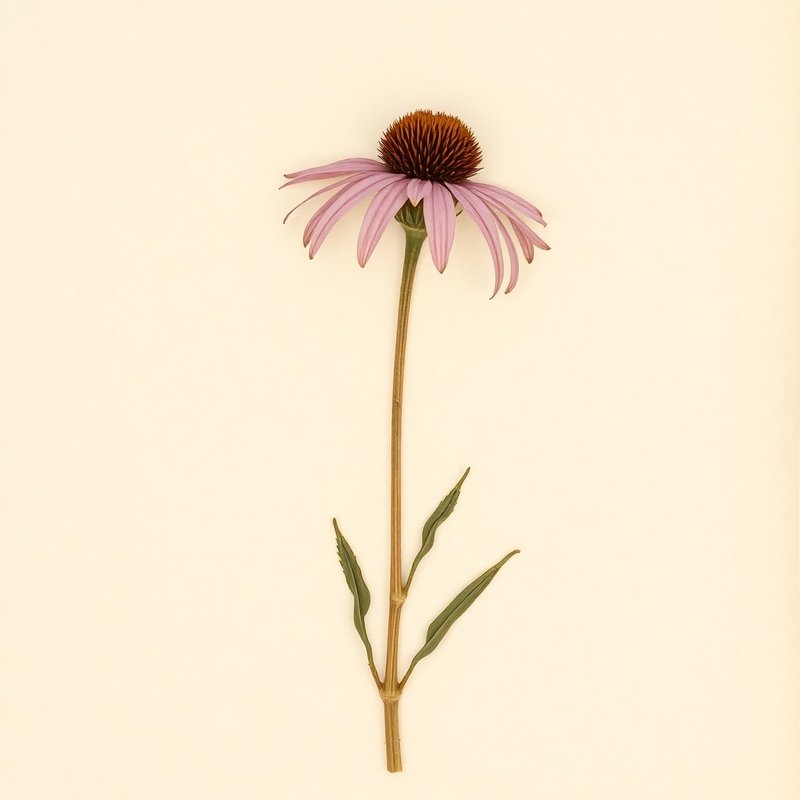
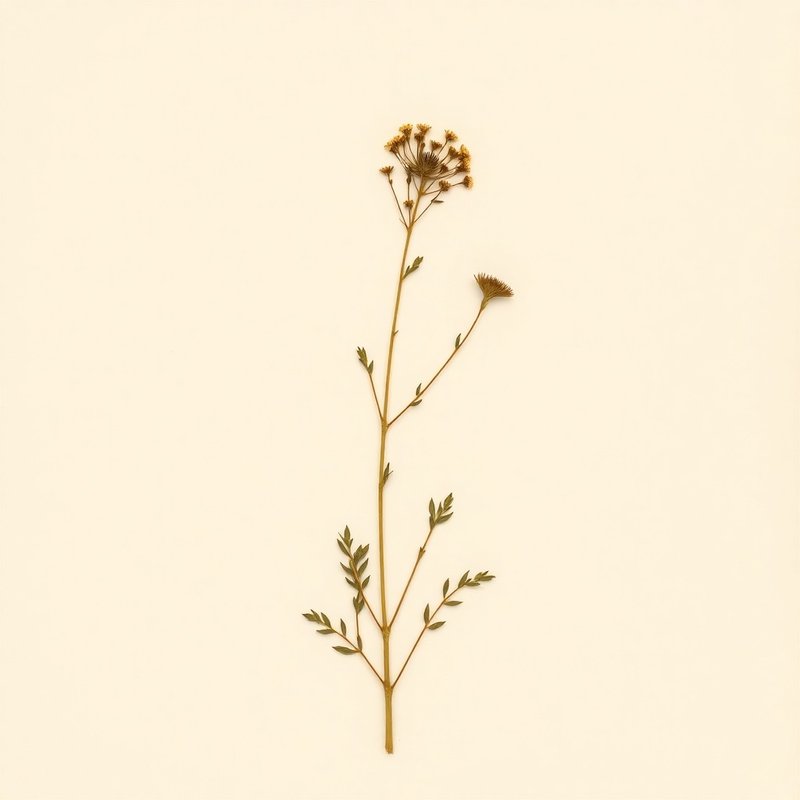
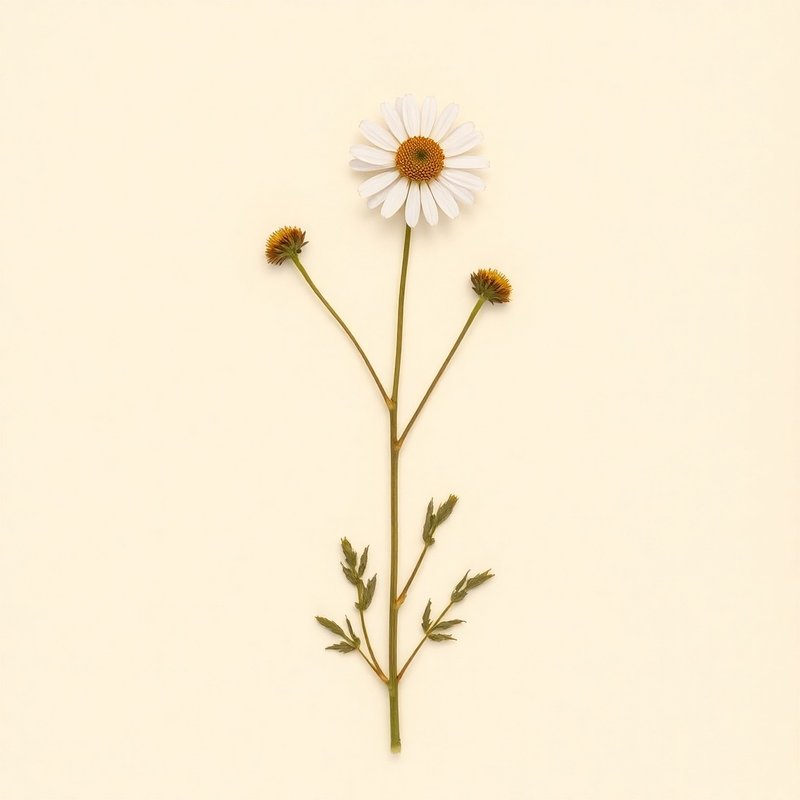
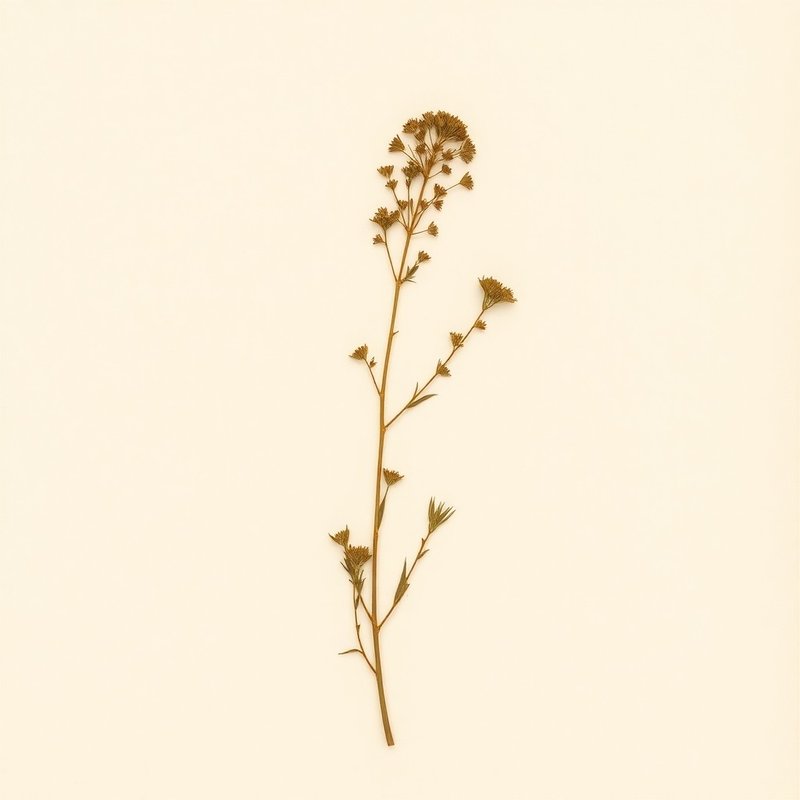
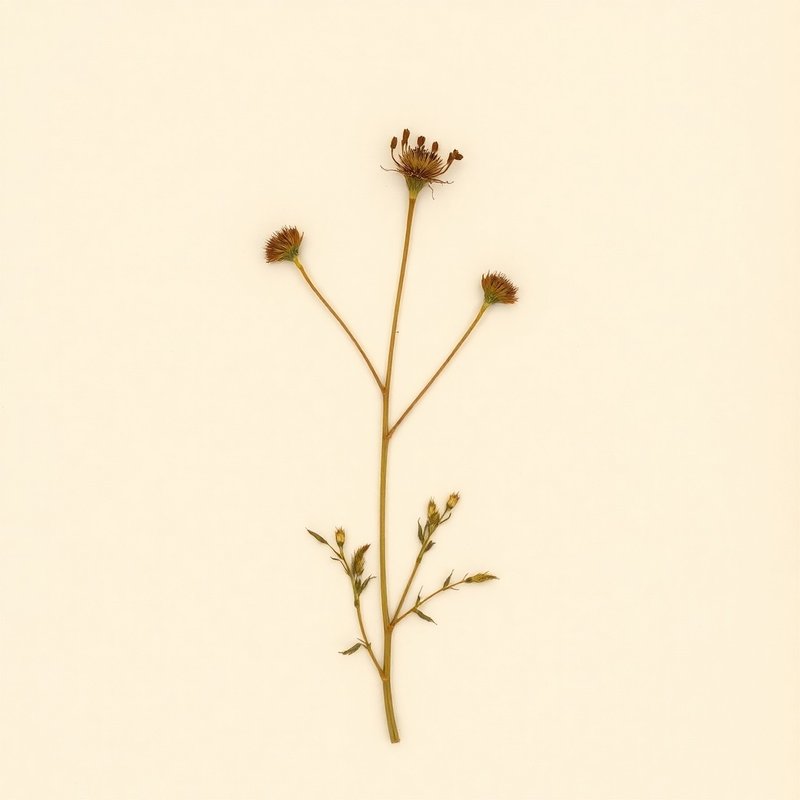
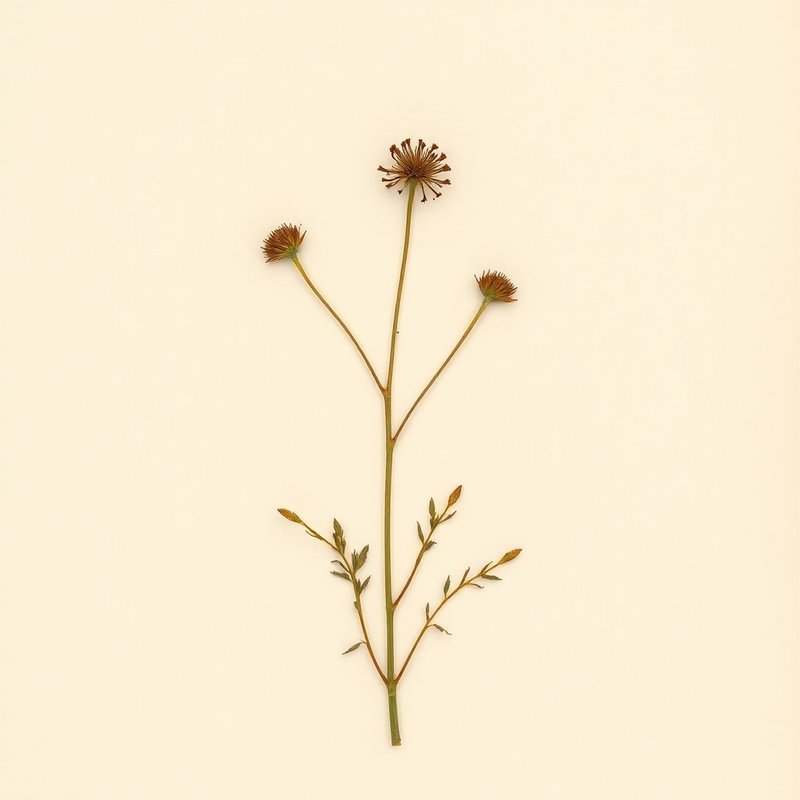
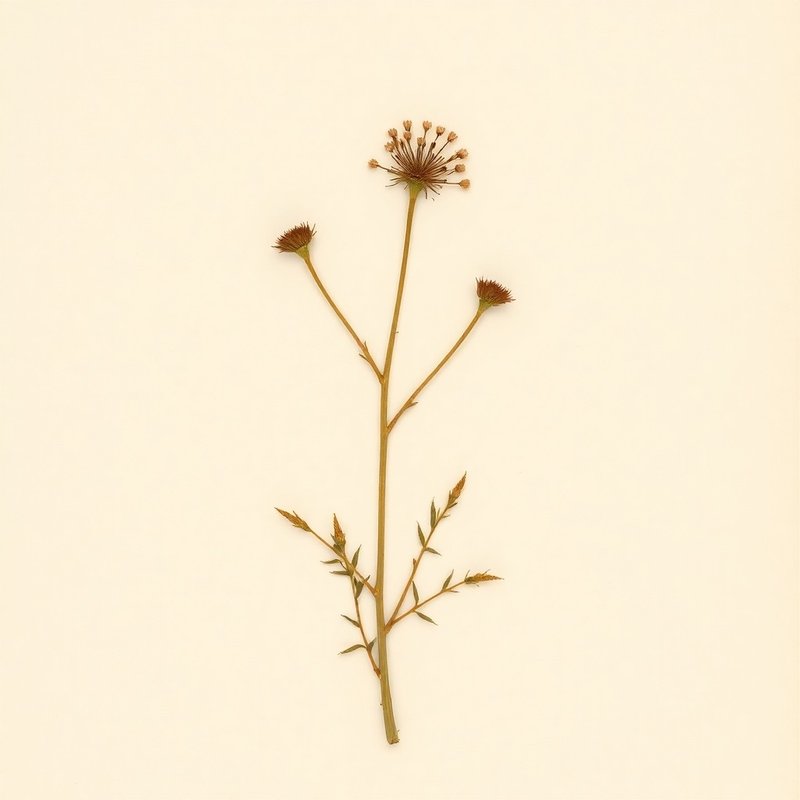
8 relatedPlants you might compare or use together — scored by shared family (Asteraceae), common use cases, and growing requirements.
same family · Asteraceae
Botanical relatives — often share phytochemistry + growing needs.
XI
Explore further
Companion planting
Compare with similar plants
Growing zone
Native to
XII
About this entry
- Last updated
- Citation
- How to cite this entry · Submit a correction
Back to the cataloguePlant id · cce38f25-745f-4e75-9936-8fef38bcb263
Decision aid
Choosing between Rocky Mountains Zinnia and something else?
Continue reading
❦❦❦❦
Endpaper · archive updates
Get archive updates
Occasional email when substantial new content lands — plant profiles, seasonal growing notes, folk-remedy additions. Free, no tracking, unsubscribe anytime.
Newsletter returning soon.
We are rebuilding the update list around a lightweight editorial workflow. New dispatches will resume after the next content review cycle.