
Amaranthus thunbergii
IOverview
Overview
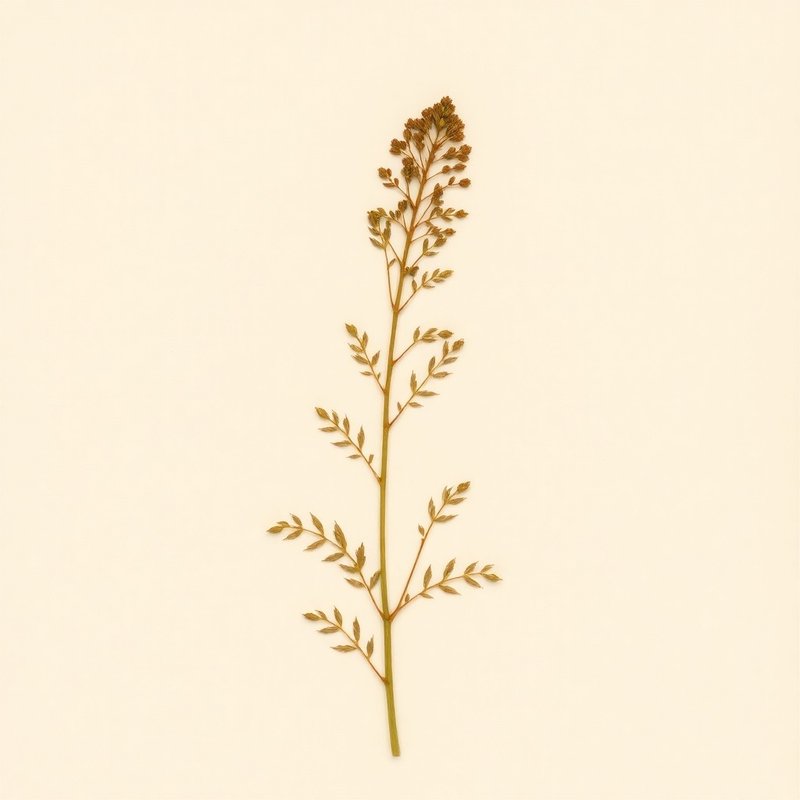
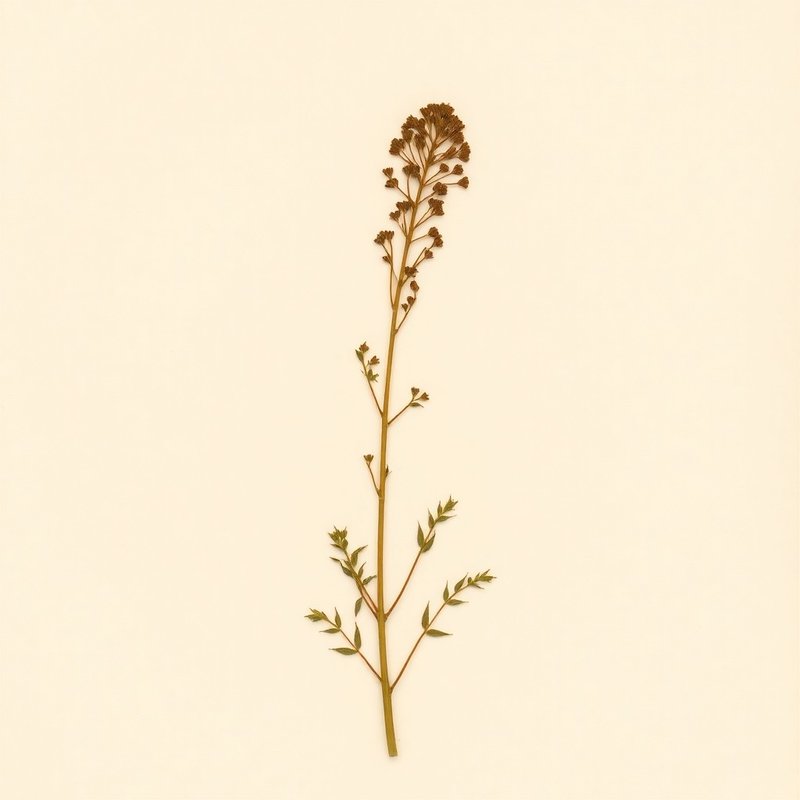
Amaranthus thunbergii, a light-loving annual herb from the Amaranthaceae family, reaches a height of about 0.5 meters. Native to regions such as Angola, Botswana, and Ethiopia, this plant thrives in moist conditions and can adapt to various soil types, including sandy, medium, and clay-heavy soils. Known for its edible leaves and seeds, Amaranthus thunbergii has been cultivated for its nutritional value across its native range. Its versatility makes it a useful addition to gardens, where it can be harvested for culinary use. This plant thrives in full sun and is well-suited for temperate regions. For propagation, sow seeds directly into the garden once all danger of frost has passed. The edible parts include leaves and seeds, which can be eaten raw or cooked, and the seeds can be dried before consumption. Amaranthus thunbergii's ability to grow in diverse environments makes it a valuable plant for gardens and agricultural settings. This plant is native to Angola, Botswana, Cape Provinces, Eritrea, Ethiopia, Free State, Kenya, KwaZulu-Natal, Lesotho, Malawi, Mozambique, Namibia, Northern Provinces, Somalia, Swaziland, Tanzania, Uganda, Zambia, Zaïre, and Zimbabwe. It has also been introduced into Germany, South Carolina, and St. Helena.
What is Amaranthus thunbergii?
Amaranthus thunbergii, a light-loving annual herb from the Amaranthaceae family, reaches a height of about 0.5 meters. Native to regions such as Angola, Botswana, and Ethiopia, this plant thrives in moist conditions and can adapt to various soil types, including sandy, medium, and clay-heavy soils.
VCultivation
Cultivation
How to grow Amaranthus thunbergii for the first time
Start with Skip as a simple, low-maintenance annual plant for your garden.
- 1
What you'll need
Seeds or seedlings, a small trowel, and a watering can.
- 2
Best time to plant
Plant Skip in late spring after the last frost date in your area.
- 3
Soil and container prep
Choose a location with well-draining soil that is light (sandy), medium, or heavy. Ensure it gets full sun.
- 4
Sowing or transplanting
Direct sow seeds 0.5 meters apart in the garden bed or start seedlings indoors and transplant them later.
- 5
First two weeks
Water regularly to keep soil moist, especially during dry spells. Monitor for pests and diseases.
- 6
Ongoing care
Continue regular watering as needed, especially in hot weather. Mulch around the base to retain moisture.
- 7
Harvest or pruning
Prune back any leggy growth to encourage bushy foliage. Remove spent flowers to promote more blooms.
- 8
Common mistakes
Overwatering, planting in poor soil, and not providing enough sunlight are common issues beginners face with Skip.
VIEdible & utility
Edible & utility
VIIDistribution
20 native · 3 introduced
Distribution
20 native · 3 introducedIXSpecimen gallery
1 image
Specimen gallery
1 imageXSee also
8 related
See also
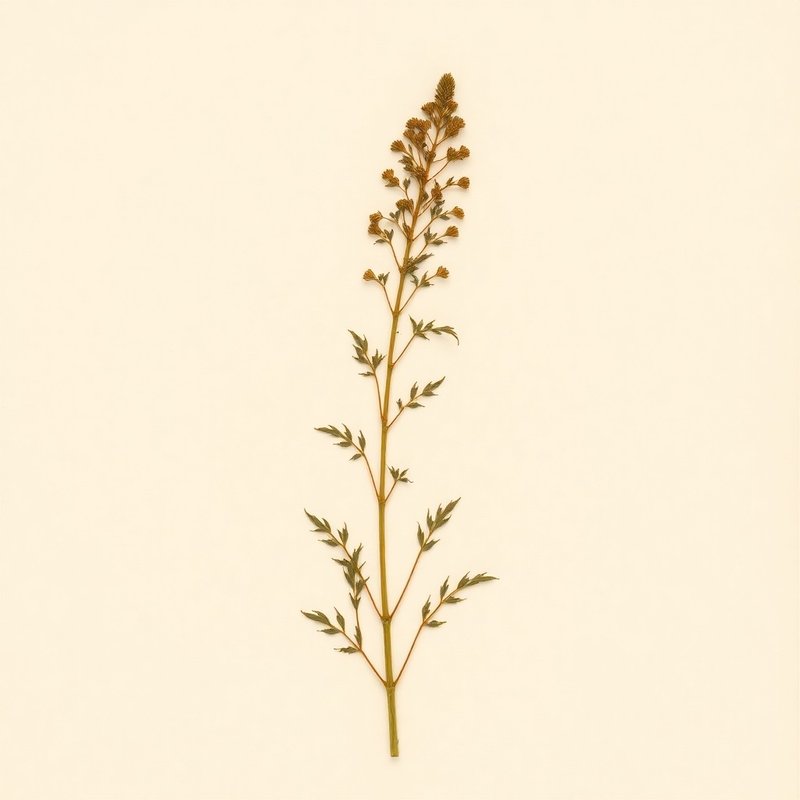
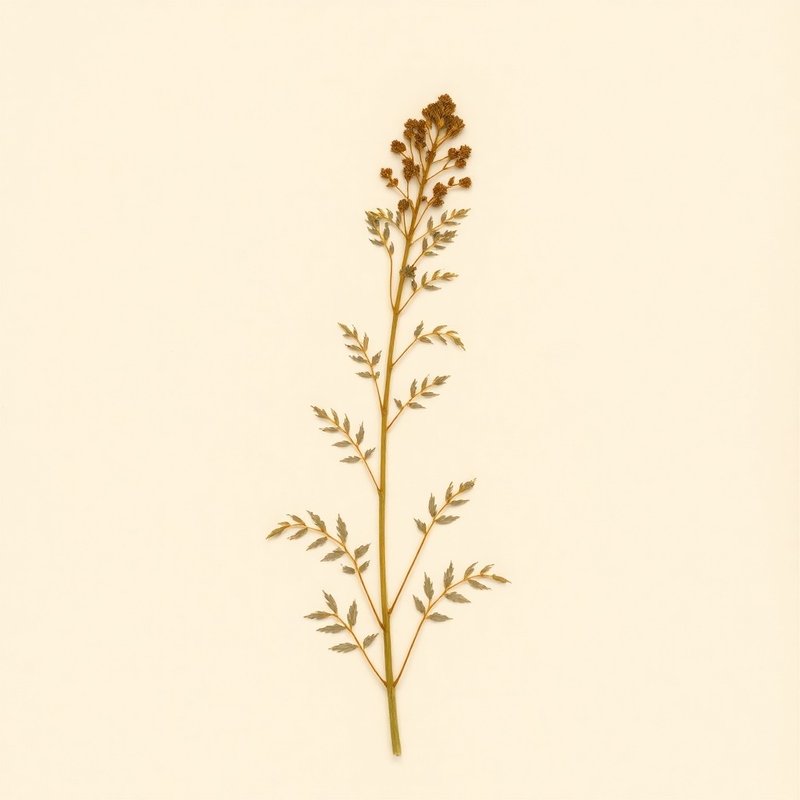
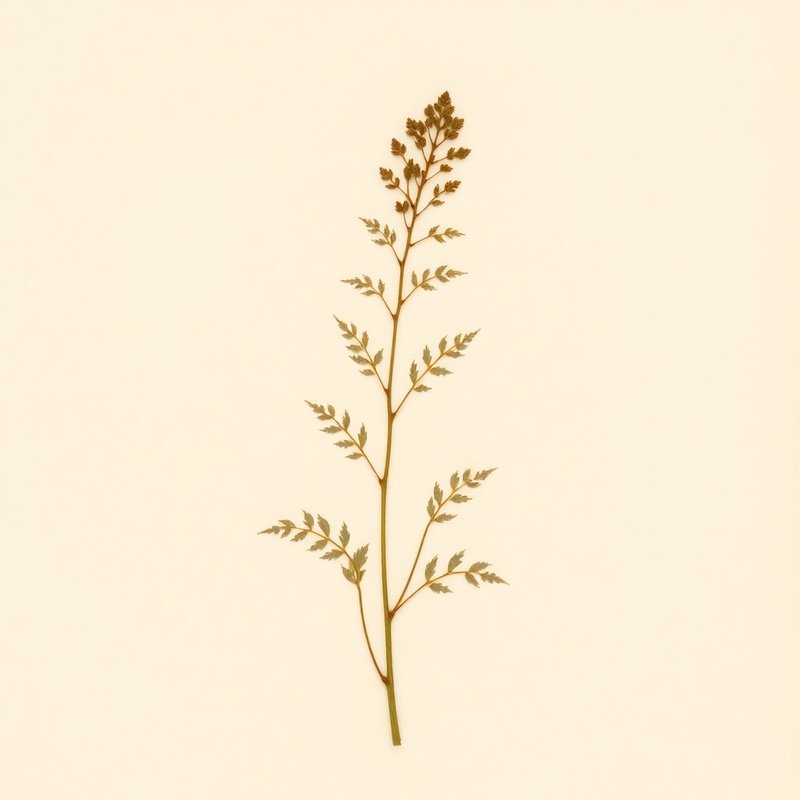
8 relatedPlants you might compare or use together — scored by shared family (Amaranthaceae), common use cases, and growing requirements.
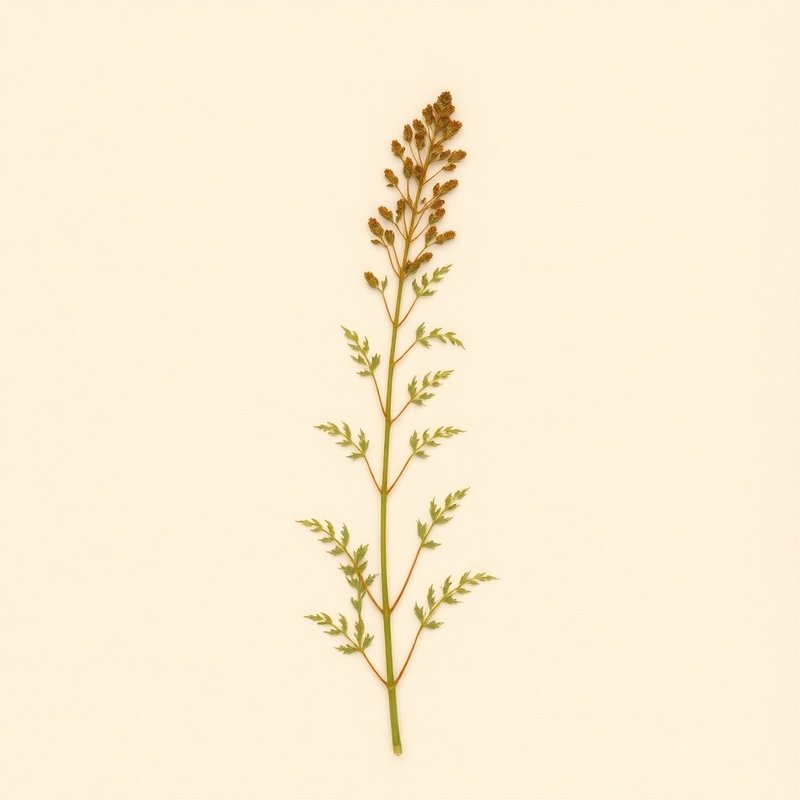
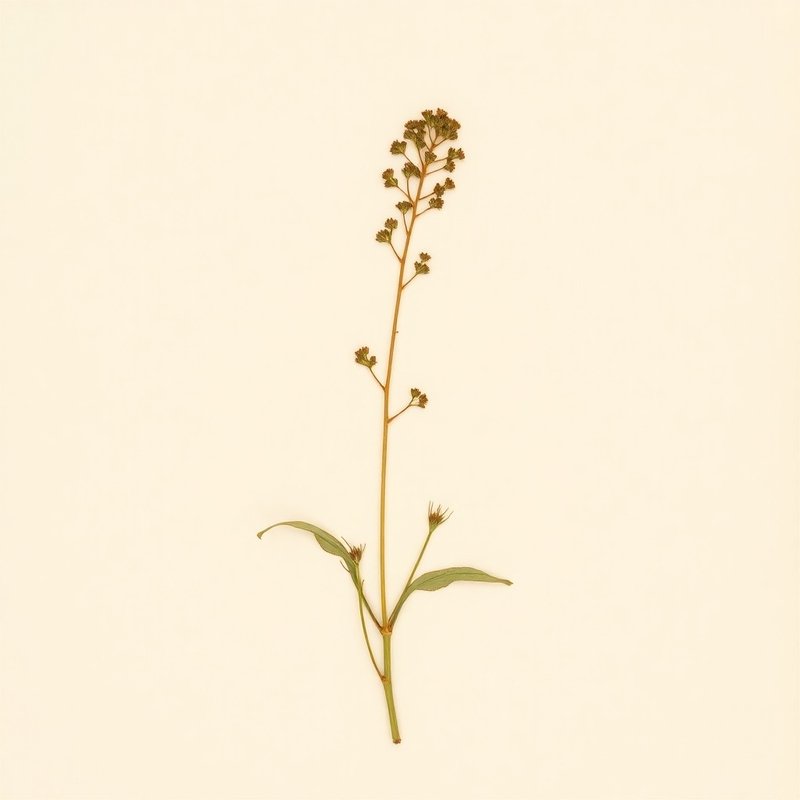
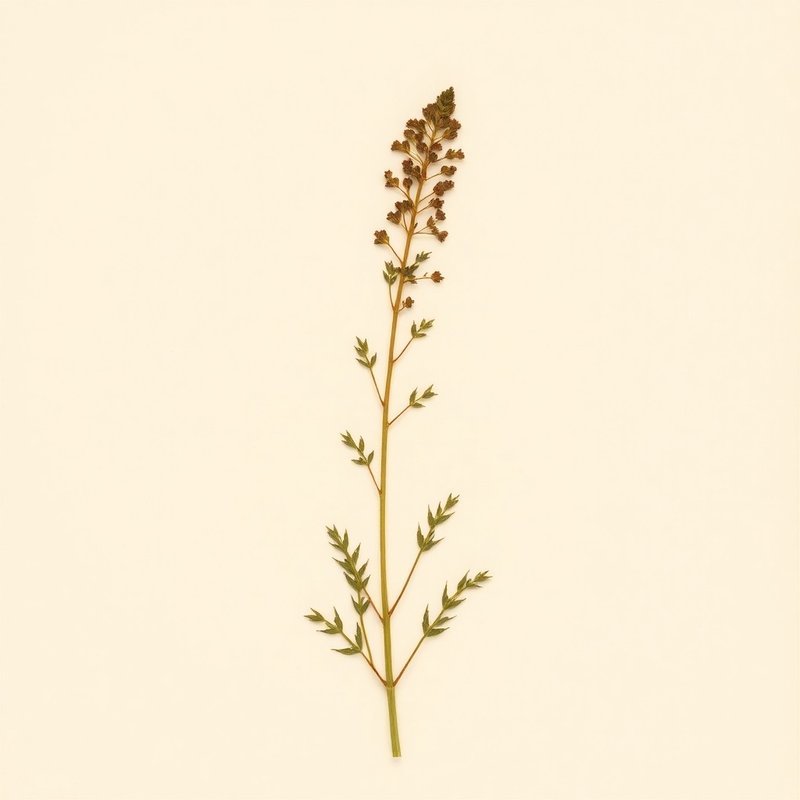
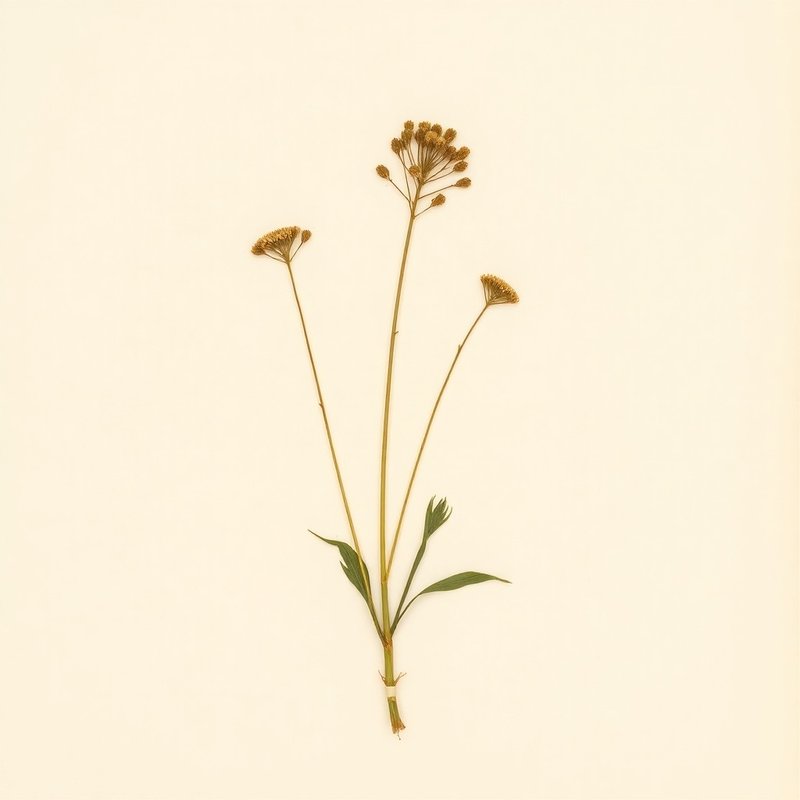
Explore further
About this entry
- Last updated
- Citation
- How to cite this entry · Submit a correction
Continue reading
Get archive updates
Occasional email when substantial new content lands — plant profiles, seasonal growing notes, folk-remedy additions. Free, no tracking, unsubscribe anytime.