
Agave
Agave cantala agavefam. Asclepiadaceae
Educational content — not medical, botanical, or professional advice. Plant identification, safety, and edibility depend on local conditions, cultivars, and correct identification. Consult a qualified botanist or forager before consuming or handling wild specimens. How we source & review →
Garden journal pausedUse profile notes below

Pl. B0D9 — Agave cantala agave
Agave cantala agaveAgave cantala agaveAgave cantala agaveAgave cantala agaveAgave cantala agaveAgave cantala agaveAgave cantala agaveAgave cantala agaveAgave cantala agaveAgave cantala agaveAgave cantala agaveAgave cantala agaveAgave cantala agaveAgave cantala agave
IOverview
Overview
Agave cantala agave is a fast-growing perennial agave in the Asparagaceae family, grown mainly for its edible shoots and stems. It reaches roughly two metres in height and is hardy in zones 9 to 12, thriving in full sun. It adapts to a range of soil textures, including light sandy, medium, and heavy clay types, and tolerates both dry and moist conditions, though it is not considered notably drought-resistant. The plant's culinary value lies in its shoots and stems, which are harvested and eaten either fresh or cooked. Young shoots can be roasted to deepen their flavour, while the stem may be boiled or baked before use, giving cooks several ways to prepare the same crop. The profile lists the species as native to Aruba and the Netherlands Antilles, where it grows in warm, exposed settings. In cultivation it can be propagated by dividing established plants or by removing offsets from the base, and its upright habit and rapid growth give it value in gardens and landscapes. Because it can become large, it is best given space to mature. The available data does not record this plant as medicinal, so its shoots and stems should be treated as a food only. Unfamiliar plant material should always be identified with care before it is eaten, and no part should be consumed without confidence in its identification.
Quick answers
What is Agave?
Agave cantala agave is a fast-growing perennial agave in the Asparagaceae family, grown mainly for its edible shoots and stems. It reaches roughly two metres in height and is hardy in zones 9 to 12, thriving in full sun.
Growingconditions · propagation · uses
VCultivation
Cultivation
Agave cantala agave thrives in full sun and prefers well-draining soil that can be light (sandy), medium, or heavy (clay). It is drought-tolerant but will also grow in moist conditions. This perennial reaches a height of 2 meters and is hardy in zones 9-12. To propagate, gardeners can divide the plant or use offsets from the base. Harvest edible parts such as shoots and stems for culinary uses.
Light
Full sun
Water
Dry, Moist
Soil
Light (sandy), Medium, Heavy (clay)
Hardiness
9-12
Life cycle
Perennial
Mature size
2.0 m tall
For first-time growers
How to grow Agave for the first time
8steps
Start with an easy-to-grow agave for a beginner gardener.
- 1
What you'll need
A young Agave plant, a pot or garden bed, and basic gardening tools.
- 2
Best time to plant
Plant in spring when the weather is warming up.
- 3
Soil and container prep
Use well-draining soil with sand or perlite. For containers, ensure they have drainage holes.
- 4
Sowing or transplanting
Transplant a young Agave from another plant or purchase one from a nursery.
- 5
First two weeks
Water sparingly to avoid rotting the roots. Place in full sun once established.
- 6
Ongoing care
Provide full sunlight and water only when the soil is completely dry.
- 7
Harvest or pruning
Prune dead leaves to maintain a neat appearance, but do not harvest edible parts unless matured.
- 8
Common mistakes
Overwatering, planting in heavy soils, and inadequate sunlight are common pitfalls for beginners.
VIEdible & utility
Edible & utility
Edible parts:ShootsStem
Edible uses: The agave plant's shoots and stems are edible. They can be prepared in various ways—raw or cooked. Typically, the young shoots are harvested and eaten either fresh or roasted to enhance their flavor. The stem can also be boiled or baked before consumption.
Contextrange · companions · related
VIIDistribution
2 native · 5 introduced
Distribution
2 native · 5 introducedDistribution across2 continents· 2 native· 5 introduced
Europe1 region
introduced (1)Spain
Asia4 regions
introduced (4)BangladeshIndiaNepalPakistan
Broader regions
native:Aruba, Netherlands Antilles
IXSpecimen gallery
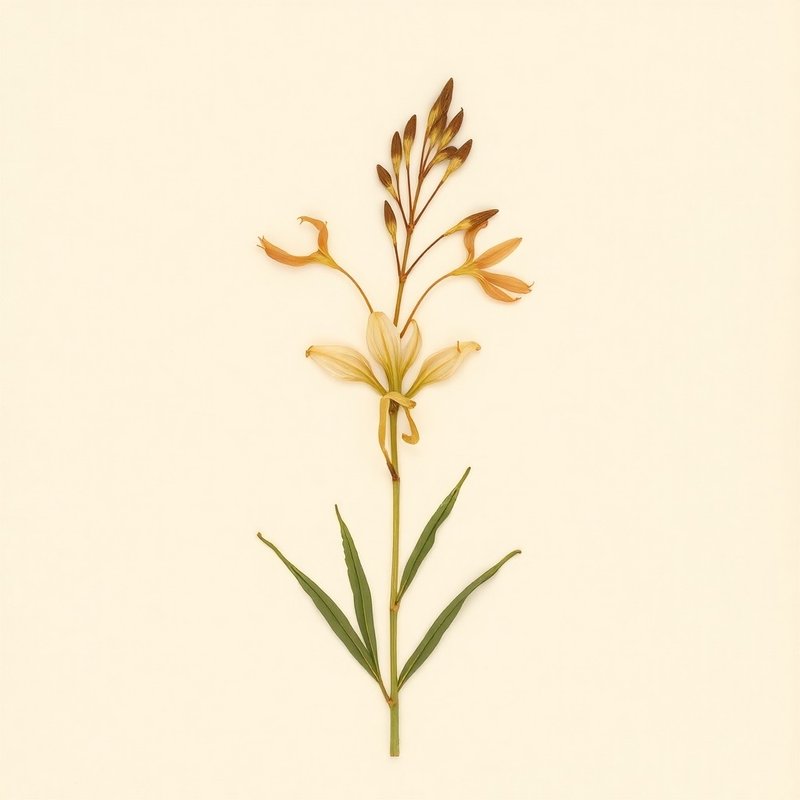
1 image
Specimen gallery
1 imageXSee also
8 related
See also
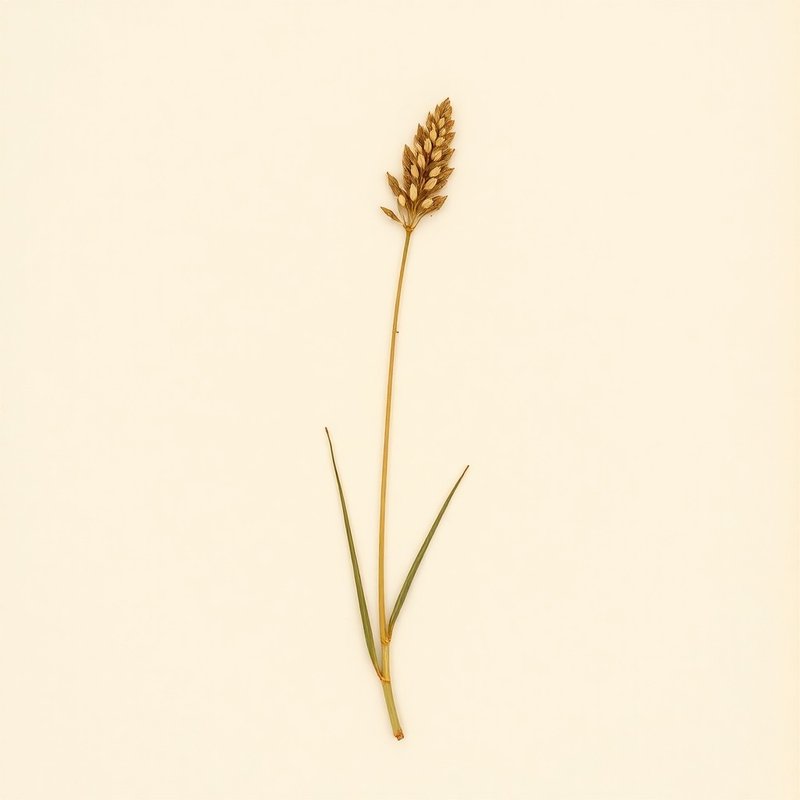
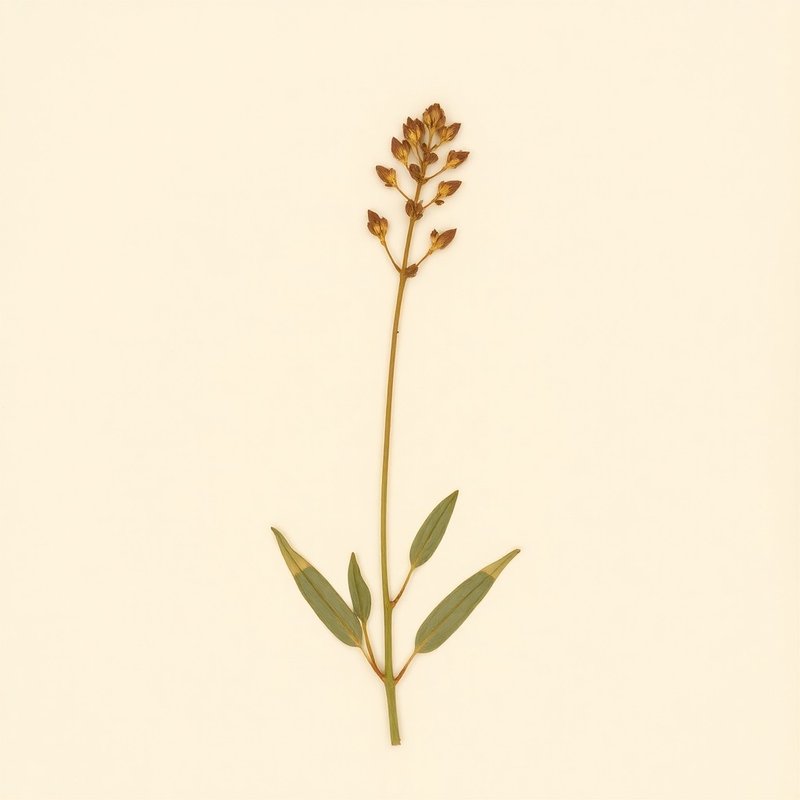
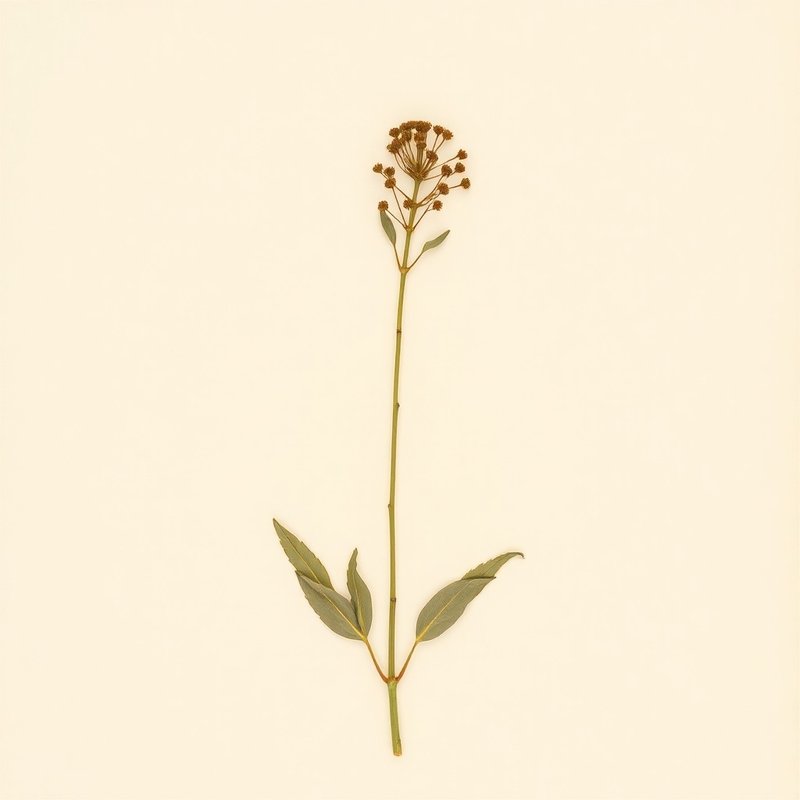
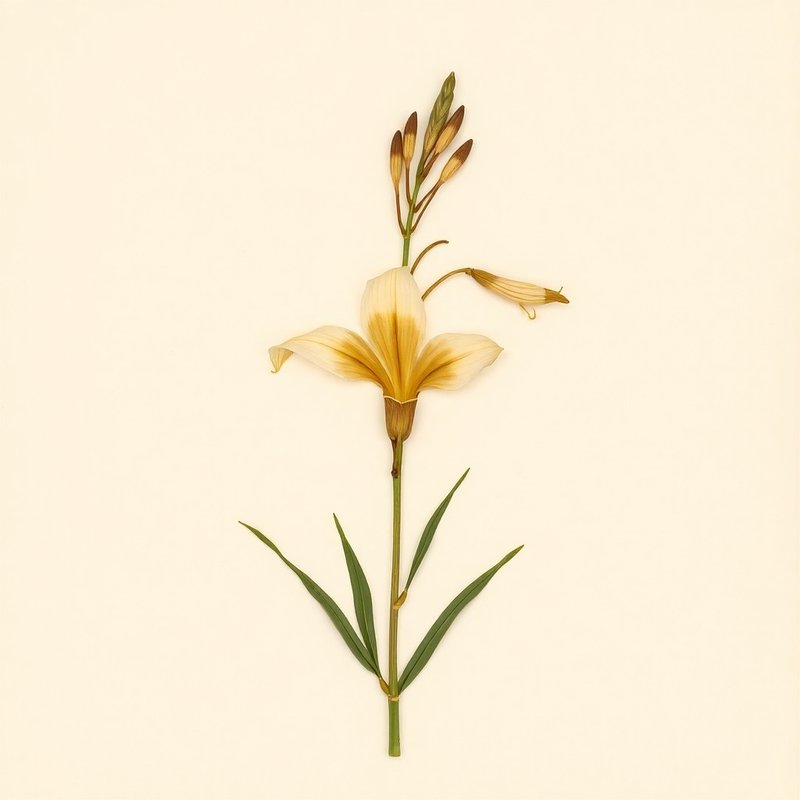
8 relatedPlants you might compare or use together — scored by shared family (Asclepiadaceae), common use cases, and growing requirements.
same family · Asclepiadaceae
Botanical relatives — often share phytochemistry + growing needs.



XI
Explore further
Companion planting
Compare with similar plants
Growing zone
Native to
XII
About this entry
- Last updated
- Citation
- How to cite this entry · Submit a correction
Back to the cataloguePlant id · b0d97c95-4e09-45aa-8cb3-efa8453221d8
Decision aid
Choosing between Agave and something else?
Continue reading
❦❦❦❦
Endpaper · archive updates
Get archive updates
Occasional email when substantial new content lands — plant profiles, seasonal growing notes, folk-remedy additions. Free, no tracking, unsubscribe anytime.
Newsletter returning soon.
We are rebuilding the update list around a lightweight editorial workflow. New dispatches will resume after the next content review cycle.