
Hemerocallis bulbiferum
Hemerocallis bulbiferumfam. Asclepiadaceae
Educational content — not medical, botanical, or professional advice. Plant identification, safety, and edibility depend on local conditions, cultivars, and correct identification. Consult a qualified botanist or forager before consuming or handling wild specimens. How we source & review →
Garden journal pausedUse profile notes below
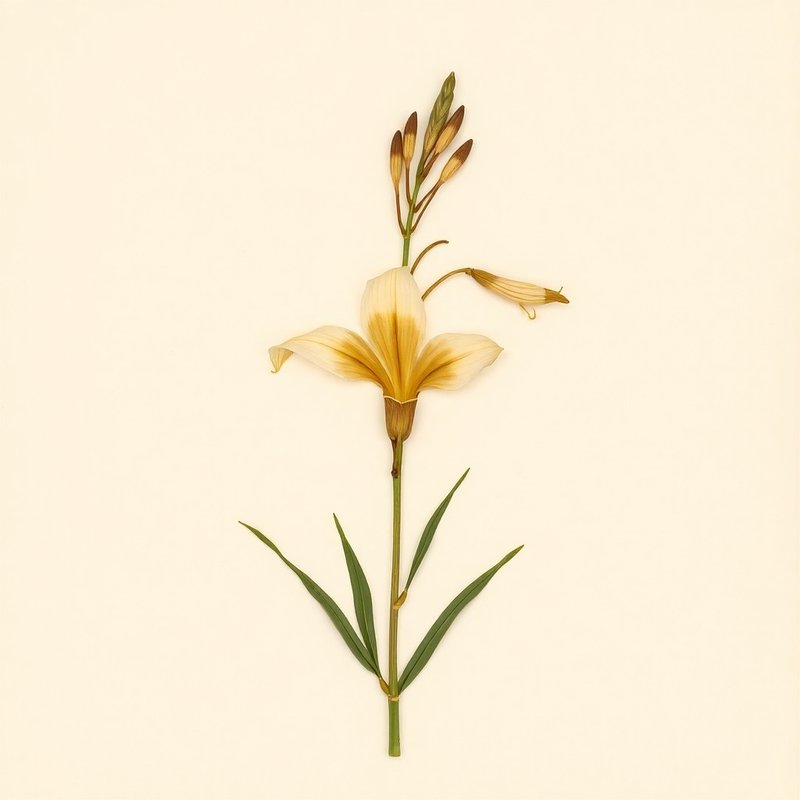
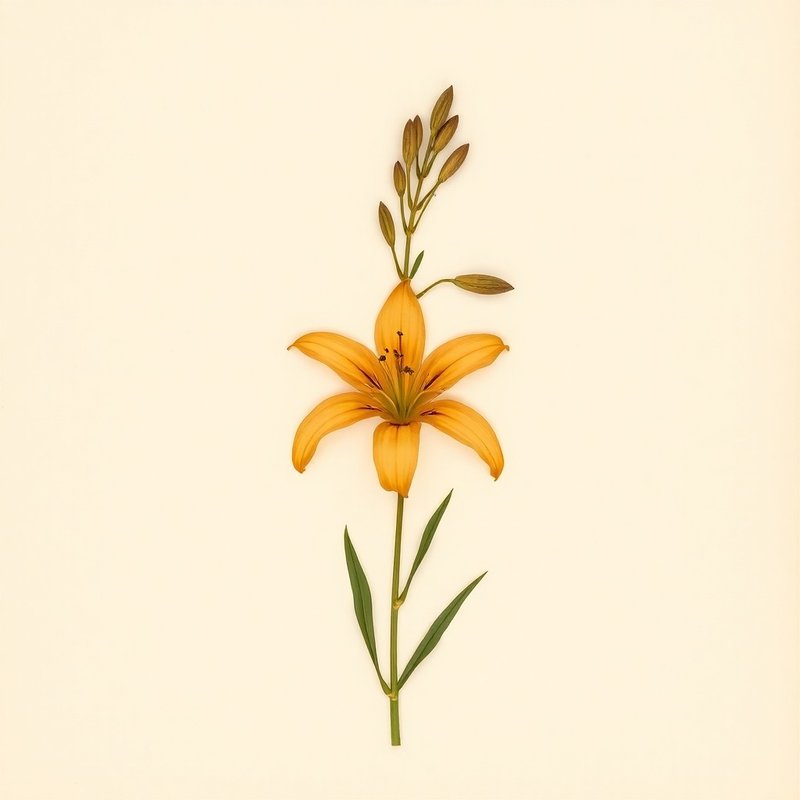
Pl. A470 — Hemerocallis bulbiferum
Hemerocallis bulbiferumHemerocallis bulbiferumHemerocallis bulbiferumHemerocallis bulbiferumHemerocallis bulbiferumHemerocallis bulbiferumHemerocallis bulbiferumHemerocallis bulbiferumHemerocallis bulbiferumHemerocallis bulbiferumHemerocallis bulbiferumHemerocallis bulbiferumHemerocallis bulbiferumHemerocallis bulbiferum
IOverview
Overview
Hemerocallis bulbiferum, commonly known as the bulbiferous daylily, is a perennial forb/herb native to regions including China, Japan, Korea, Taiwan, and the Nansei-shoto islands. This plant belongs to the Asclepiadaceae family and is valued for its edible parts, which include flowers, leaves, and shoots. The flowers are often eaten raw or used in salads for their mild flavor, while leaves can be cooked like spinach, and young shoots are typically steamed or stir-fried to enhance their tender texture. This plant thrives in various soil types—light (sandy), medium, and heavy (clay)—and prefers a pH range of 4.8 to 8. It has an energy level rating of 8 out of 10, indicating it can tolerate both dry and moist conditions, making it adaptable for different growing environments. The bulbiferous daylily is known for its bright yellow flowers and medium green foliage with a texture that is neither too fine nor too coarse. For optimal growth, ensure the soil remains consistently moist during the growing season. Propagation can be achieved through division of rhizomes in spring or fall. While not medicinal, this plant offers culinary versatility and ornamental value, making it a useful addition to gardens and landscapes.
Quick answers
What is Hemerocallis bulbiferum?
Hemerocallis bulbiferum, commonly known as the bulbiferous daylily, is a perennial forb/herb native to regions including China, Japan, Korea, Taiwan, and the Nansei-shoto islands. This plant belongs to the Asclepiadaceae family and is valued for its edible parts, which include flowers, leaves, and shoots.
Growingconditions · propagation · uses
VCultivation
Cultivation
Hemerocallis bulbiferum thrives in light to partial shade and prefers well-drained soils that are medium or heavy with a pH between 4.8 and 8. It is hardy in temperate regions but can tolerate various moisture levels, from dry to moist conditions. For optimal growth, ensure the soil remains consistently moist during the growing season. Propagate through division of rhizomes in spring or fall. Harvest edible parts such as flowers, leaves, and shoots for culinary use.
Light
8/10
Water
Dry, Moist
Soil
Light (sandy), Medium, Heavy (clay)
Life cycle
Perennial
Habit
Forb/herb
Soil pH
4.8–8
For first-time growers
How to grow Hemerocallis bulbiferum for the first time
8steps
Start with Hemerocallis bulbiferum by planting it in a well-prepared soil and giving it the right care, making your first gardening experience smooth.
- 1
What you'll need
A Hemerocallis bulbiferum plant or bulbs, a trowel, compost, and mulch.
- 2
Best time to plant
Plant in early spring or late fall when the soil is cool but not frozen.
- 3
Soil and container prep
Choose a location with well-draining soil that can be light (sandy), medium, or heavy. Ensure the pH is between 4.8 and 8.
- 4
Sowing or transplanting
Plant bulbs about 2-3 inches deep and 6-10 inches apart in a sunny spot with moist soil.
- 5
First two weeks
Water the plants regularly to keep the soil consistently moist but not waterlogged. Monitor for any signs of stress or pests.
- 6
Ongoing care
Provide full sun and regular watering, especially during dry spells. Fertilize once a year in early spring with compost.
- 7
Harvest or pruning
Prune dead flowers to encourage new growth and maintain the plant's appearance. Remove any yellowing leaves for better health.
- 8
Common mistakes
Overwatering, planting too deep, neglecting to mulch, not providing enough sunlight, and using incorrect fertilizers.
VIEdible & utility
Edible & utility
Edible parts:FlowersLeavesShoots
Edible uses: The Hemerocallis bulbiferum is edible with its flowers, leaves, and shoots being consumed. The flowers are often eaten raw or used in salads for their mild flavor. Leaves can be cooked like spinach, while young shoots are typically steamed or stir-fried to enhance their tender texture.
Other uses:Weaving material
Contextrange · companions · related
VIIDistribution
7 native · 88 introduced
Distribution
7 native · 88 introducedDistribution across3 continents· 7 native· 88 introduced
Europe11 regions
introduced (11)AustriaBelgiumBulgariaFranceGermanyHungaryItalyRomaniaRussiaSwitzerlandUkraine
Asia11 regions
native (4)ChinaJapanSouth KoreaTaiwan
introduced (7)BangladeshChinaGeorgiaIndiaNepalPakistanTurkey
Americas7 regions
introduced (7)Costa RicaCubaDominican RepublicHaitiHondurasJamaicaPuerto Rico
Broader regions
native:Nansei-shoto
introduced:Alabama, Arkansas, Colorado, Connecticut, Czechoslovakia, Delaware, District of Columbia, East Himalaya, Florida, Idaho, Illinois, Indiana, Iowa, Kansas, Kentucky, Kirgizstan, Leeward Is., Louisiana, Maine, Maryland, Masachusettes, Mexico Central, Mexico Northeast, Mexico Southeast, Mexico Southwest, Michigan, Minnesota, Mississippi, Missouri, Montana, Nebraska, New Brunswick, New Hampshire, New Jersey, New York, New Zealand North, New Zealand South, North Carolina, Nova Scotia, Ohio, Ontario, Panamá, Pennsylvania, Primorye, Prince Edward I., Québec, Rhode I., South Carolina, South Dakota, Tennessee, Texas, Transcaucasus, Utah, Vermont, Virginia, Washington, West Himalaya, West Virginia, Windward Is., Wisconsin, Yugoslavia
IXSpecimen gallery
1 image
Specimen gallery
1 imageXSee also
8 related
See also
8 relatedPlants you might compare or use together — scored by shared family (Asclepiadaceae), common use cases, and growing requirements.
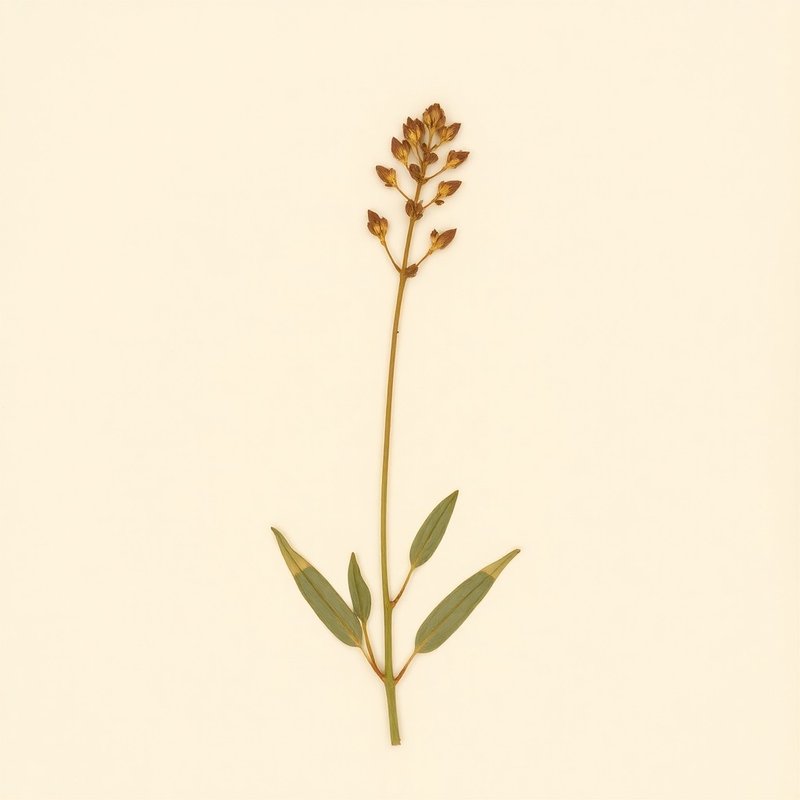
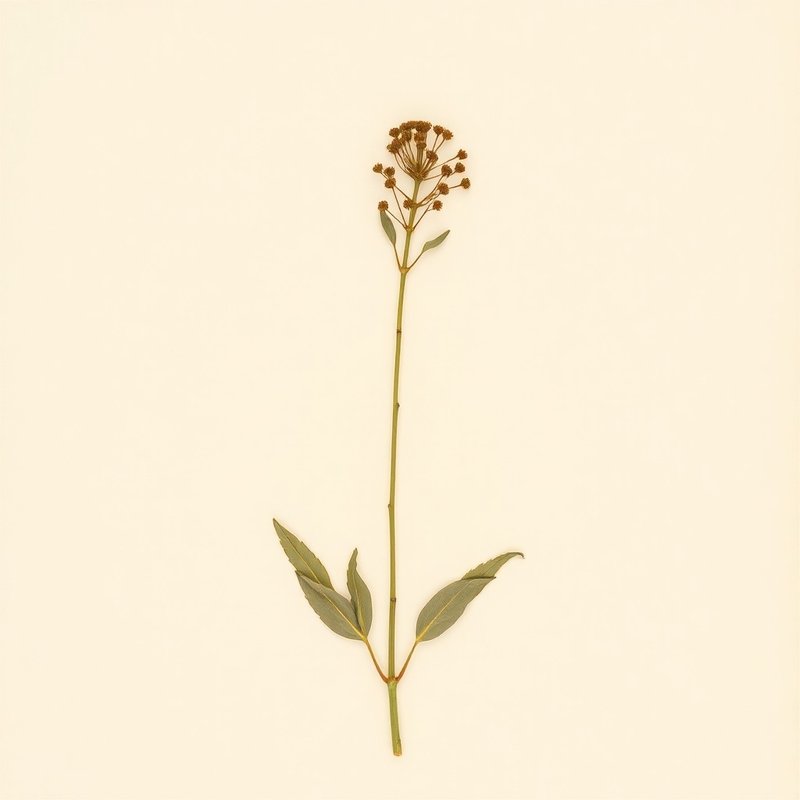
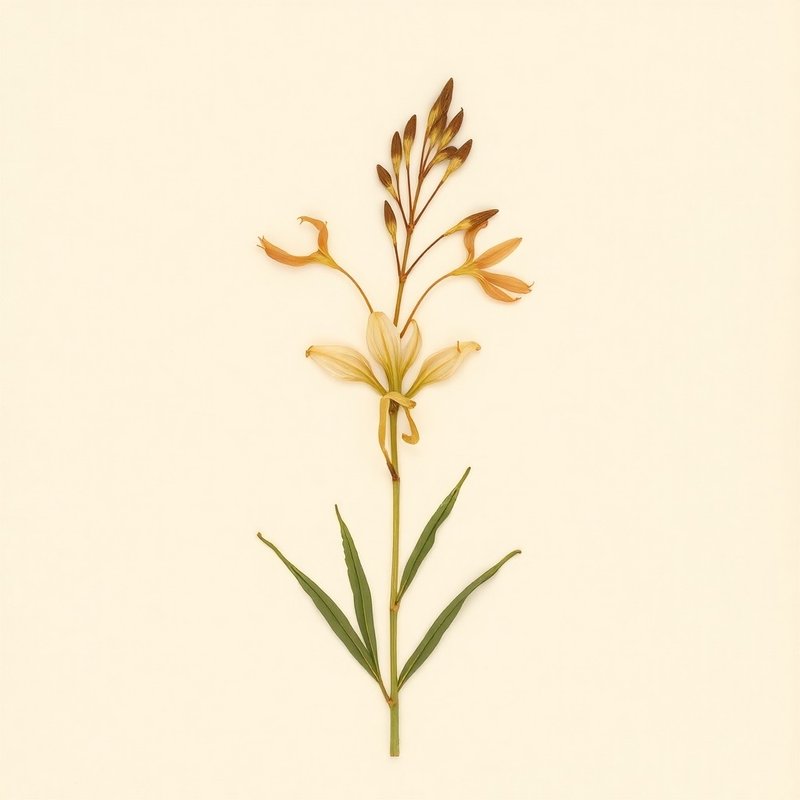
same family · Asclepiadaceae
Botanical relatives — often share phytochemistry + growing needs.




XI
Explore further
Companion planting
Compare with similar plants
XII
About this entry
- Last updated
- Citation
- How to cite this entry · Submit a correction
Back to the cataloguePlant id · a470d207-810a-4a3e-97e2-07c7b8400f76
Decision aid
Choosing between Hemerocallis bulbiferum and something else?
Continue reading
❦❦❦❦
Endpaper · archive updates
Get archive updates
Occasional email when substantial new content lands — plant profiles, seasonal growing notes, folk-remedy additions. Free, no tracking, unsubscribe anytime.
Newsletter returning soon.
We are rebuilding the update list around a lightweight editorial workflow. New dispatches will resume after the next content review cycle.