
Desert Lily
Hesperocallis undulatafam. Asclepiadaceae
Educational content — not medical, botanical, or professional advice. Plant identification, safety, and edibility depend on local conditions, cultivars, and correct identification. Consult a qualified botanist or forager before consuming or handling wild specimens. How we source & review →

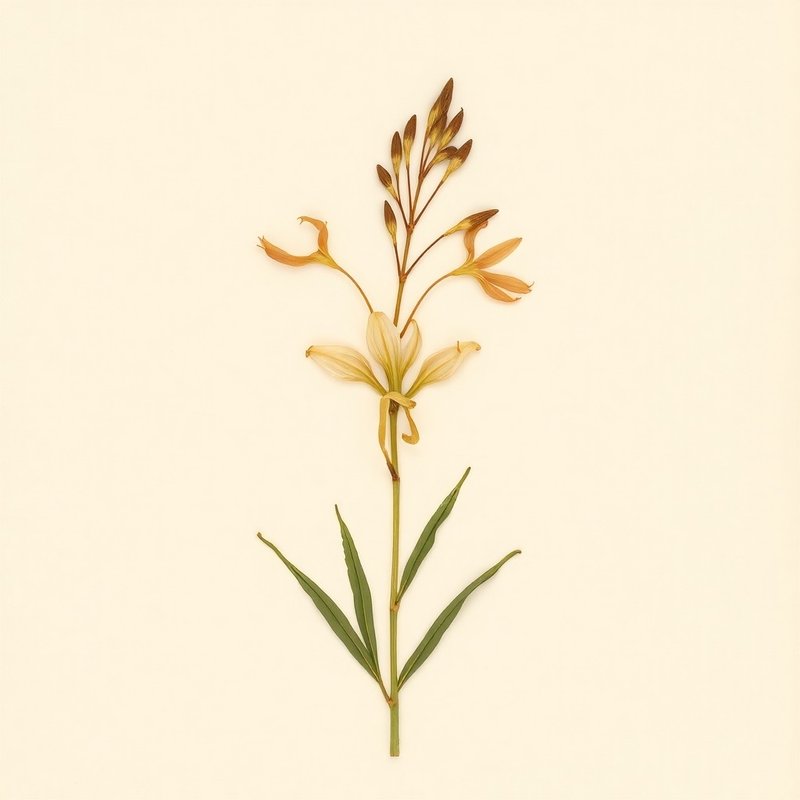
Pl. 5FCA — Hesperocallis undulata
Hesperocallis undulataHesperocallis undulataHesperocallis undulataHesperocallis undulataHesperocallis undulataHesperocallis undulataHesperocallis undulataHesperocallis undulataHesperocallis undulataHesperocallis undulataHesperocallis undulataHesperocallis undulataHesperocallis undulataHesperocallis undulata
IOverview
Overview
Desert Lily (Hesperocallis undulata) is a member of the Asclepiadaceae family and is native to Arizona, California, Nevada, and Mexico's northwest region. This small forb or herb thrives in full sun and can tolerate both dry and moist conditions, making it adaptable to various habitats. Known for its edible root, desert lily has been utilized by indigenous communities. One distinctive feature of this plant is its unique, undulating leaves that give the species its name. Another notable characteristic is its large, white flowers with a striking red center, which appear in late spring or early summer, adding ornamental value to landscapes.
Quick answers
What is Desert Lily?
Desert Lily (Hesperocallis undulata) is a member of the Asclepiadaceae family and is native to Arizona, California, Nevada, and Mexico's northwest region. This small forb or herb thrives in full sun and can tolerate both dry and moist conditions, making it adaptable to various habitats.
Growingconditions · propagation · uses
VCultivation
Cultivation
Desert Lily thrives in full sun and prefers light to medium soil that is well-draining. It can tolerate dry conditions but also benefits from occasional moisture. This plant grows best in USDA Hardiness Zones 8-11, making it suitable for warmer climates. To propagate, divide the roots in spring or fall. The edible parts are the roots, which can be harvested carefully to enjoy their flavor while ensuring the plant's health and longevity.
Light
Full sun
Water
Dry, Moist
Soil
Light (sandy), Medium
Hardiness
8-11
Habit
Forb/herb
Mature size
0.3 m tall
For first-time growers
How to grow Desert Lily for the first time
8steps
Start your Desert Lily journey with simple, basic care for a rewarding experience.
- 1
What you'll need
Desert Lily bulbs or seedlings, well-draining soil, a container or garden bed.
- 2
Best time to plant
Plant in late winter or early spring for best results.
- 3
Soil and container prep
Use light, sandy soil with good drainage. Ensure containers have holes for excess water.
- 4
Sowing or transplanting
Plant bulbs 5-10 cm deep in the soil, spaced about 30 cm apart.
- 5
First two weeks
Keep the soil slightly moist but avoid overwatering. Monitor for signs of growth.
- 6
Ongoing care
Provide full sun and water sparingly once established. Fertilize lightly in spring if needed.
- 7
Harvest or pruning
Prune dead leaves to maintain the plant's appearance, but avoid cutting into the bulb.
- 8
Common mistakes
Overwatering, planting too deep, neglecting sun exposure, using heavy soil, and fertilizing excessively.
VIEdible & utility
Edible & utility
Edible parts:Root
Edible uses: The Desert Lily's root is edible and can be eaten raw or cooked. Typically, the root is dug up and prepared by boiling or roasting to make it more palatable. Skip the detailed recipe; just know that this part of the plant provides a mild, slightly sweet flavor when incorporated into dishes.
Other uses:Fragrance
Contextrange · companions · related
VIIDistribution
4 native · 0 introduced
Distribution
4 native · 0 introducedDistribution across0 continents· 4 native
Broader regions
native:Mexico Northwest, Nevada, Arizona, California
IXSpecimen gallery
1 image
Specimen gallery
1 imageXSee also
8 related
See also
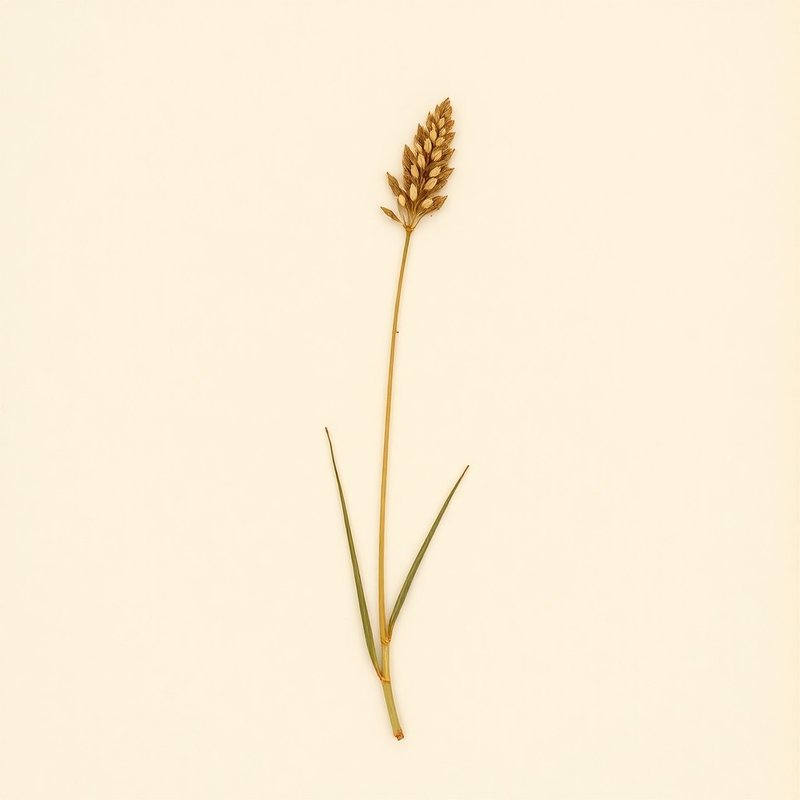
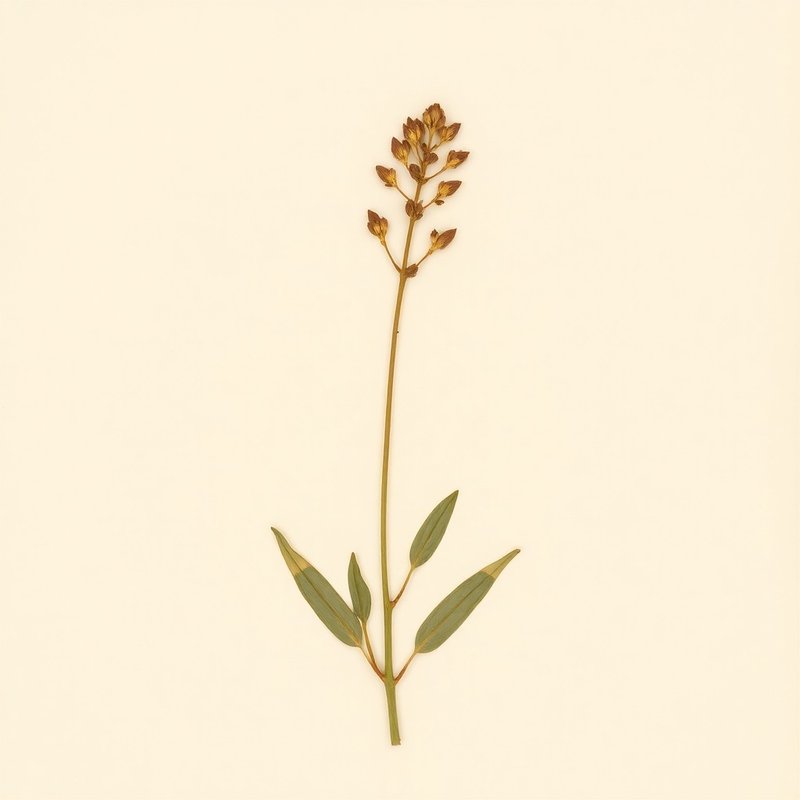
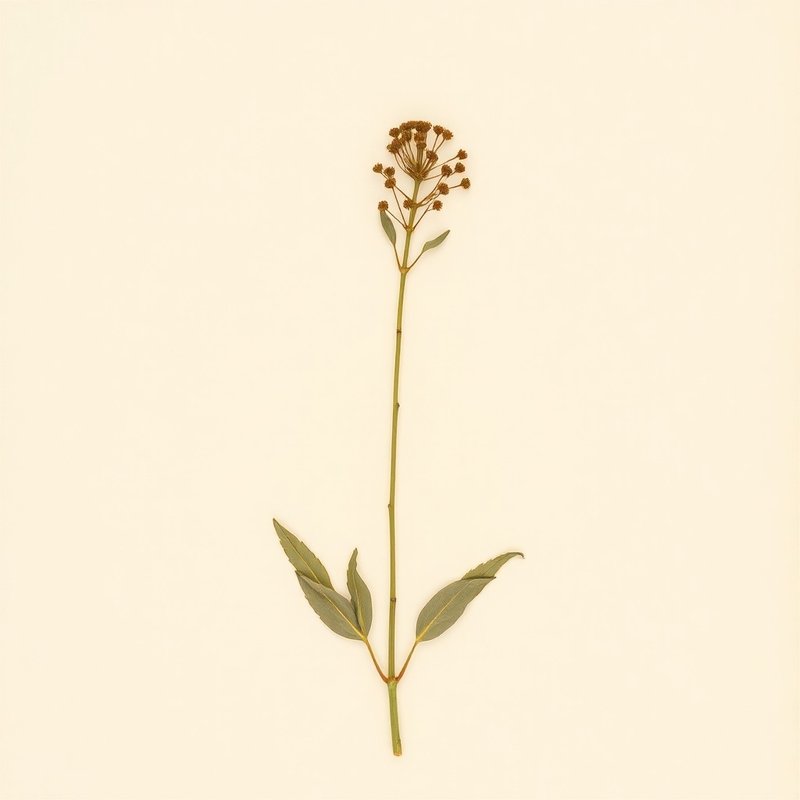
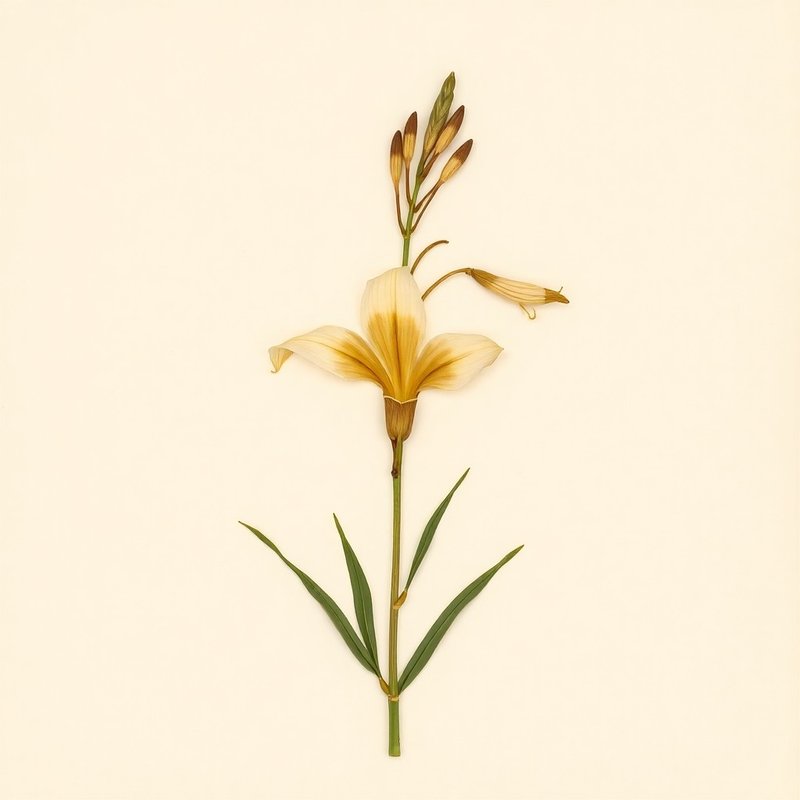
8 relatedPlants you might compare or use together — scored by shared family (Asclepiadaceae), common use cases, and growing requirements.
same family · Asclepiadaceae
Botanical relatives — often share phytochemistry + growing needs.



XI
Explore further
Companion planting
Compare with similar plants
Growing zone
XII
About this entry
- Last updated
- Citation
- How to cite this entry · Submit a correction
Back to the cataloguePlant id · 5fca3a0d-8325-4dab-a8a6-776f704da526
Decision aid
Choosing between Desert Lily and something else?
Continue reading
❦❦❦❦
Endpaper · archive updates
Get archive updates
Occasional email when substantial new content lands — plant profiles, seasonal growing notes, folk-remedy additions. Free, no tracking, unsubscribe anytime.