
American Green Alder
Alnus viridis crispafam. Betulaceae
Educational content — not medical, botanical, or professional advice. Plant identification, safety, and edibility depend on local conditions, cultivars, and correct identification. Consult a qualified botanist or forager before consuming or handling wild specimens. How we source & review →
Garden journal pausedUse profile notes below
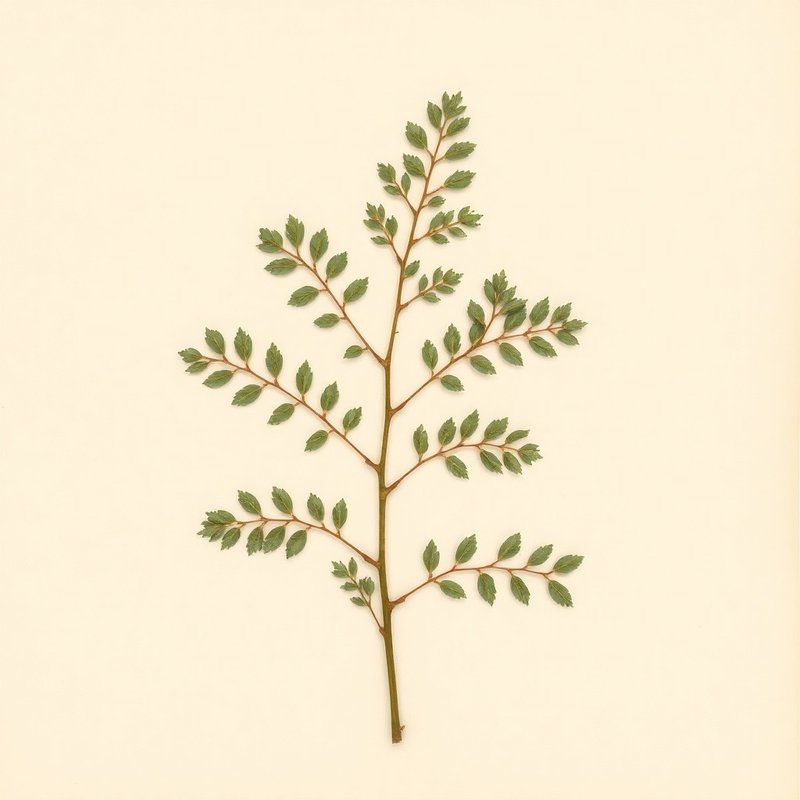
Pl. 8DC4 — Alnus viridis crispa
Alnus viridis crispaAlnus viridis crispaAlnus viridis crispaAlnus viridis crispaAlnus viridis crispaAlnus viridis crispaAlnus viridis crispaAlnus viridis crispaAlnus viridis crispaAlnus viridis crispaAlnus viridis crispaAlnus viridis crispaAlnus viridis crispaAlnus viridis crispa
IOverview
Overview
American Green Alder, scientifically known as Alnus viridis crispa, is a deciduous shrub belonging to the Betulaceae family. Native to coastal regions in Japan, Khabarovsk, Korea, the Kuril Islands, and Primorye, extending to Sakhalin, this plant thrives in moist or wet conditions with medium to heavy clay soil, making it well-suited for boggy areas. It requires full sun to partial shade and is hardy in zones 4-8. Notably, the flowers of American Green Alder are edible and can be consumed raw or used in various preparations. They are often picked when fully open and incorporated into salads for a mild, nutty flavor. This alder is also known for its utility as a nitrogen fixer and can be used for dye and teeth cleaning. While the flowers are edible, it is important to note that the plant should not be consumed in large quantities or used medicinally without proper guidance.
Quick answers
What is American Green Alder?
American Green Alder, scientifically known as Alnus viridis crispa, is a deciduous shrub belonging to the Betulaceae family.
Growingconditions · propagation · uses
VCultivation
Cultivation
American Green Alder (Alnus viridis crispa) thrives in full to partial sun and prefers moist to wet soil, making it suitable for areas with medium to heavy clay soil. It is hardy in zones 4-8, and grows to a height of 3 meters. For cultivation, ensure the soil remains consistently moist, as the plant requires ample water. Propagation can be done through seed or cutting. The edible parts include the flowers, which can be enjoyed in various culinary applications.
Light
Full sun, Partial sun/shade
Water
Moist, Wet
Soil
Medium, Heavy (clay)
Hardiness
4-8
Mature size
3.0 m tall
For first-time growers
How to grow American Green Alder for the first time
8steps
Start with American Green Alder as a simple, low-maintenance tree for your garden.
- 1
What you'll need
A young American Green Alder sapling and some basic gardening tools like a spade and watering can.
- 2
Best time to plant
Plant in early spring or late fall when the soil is moist but not waterlogged.
- 3
Soil and container prep
Ensure the soil is well-draining yet moisture-retentive, with a pH between 6.0 and 7.5. For containers, use a mix of peat moss, perlite, and compost.
- 4
Sowing or transplanting
Transplant young saplings directly into the garden bed or a large container filled with prepared soil.
- 5
First two weeks
Water regularly to keep the soil consistently moist. Avoid overwatering, as this can lead to root rot.
- 6
Ongoing care
Provide full sun to partial shade and water when the top inch of soil feels dry. Prune in late winter or early spring to maintain shape.
- 7
Harvest or pruning
Prune young branches for shaping or remove dead wood as needed throughout the growing season.
- 8
Common mistakes
Overwatering, planting in heavy clay soil without proper drainage, and not providing enough sunlight are common issues to avoid.
VIEdible & utility
Edible & utility
Edible parts:Flowers
Edible uses: The American Green Alder's flowers are edible and can be consumed raw or used in various preparations. They are often picked when fully open and incorporated into salads for a mild, nutty flavor. Skip the detailed recipes; focus on these simple uses instead.
Other uses:DyeTeethNitrogen fixer
Contextrange · companions · related
VIIDistribution
6 native · 0 introduced
Distribution
6 native · 0 introducedDistribution across1 continent· 6 native
Asia2 regions
native (2)JapanSouth Korea
Broader regions
native:Khabarovsk, Kuril Is., Primorye, Sakhalin
IXSpecimen gallery
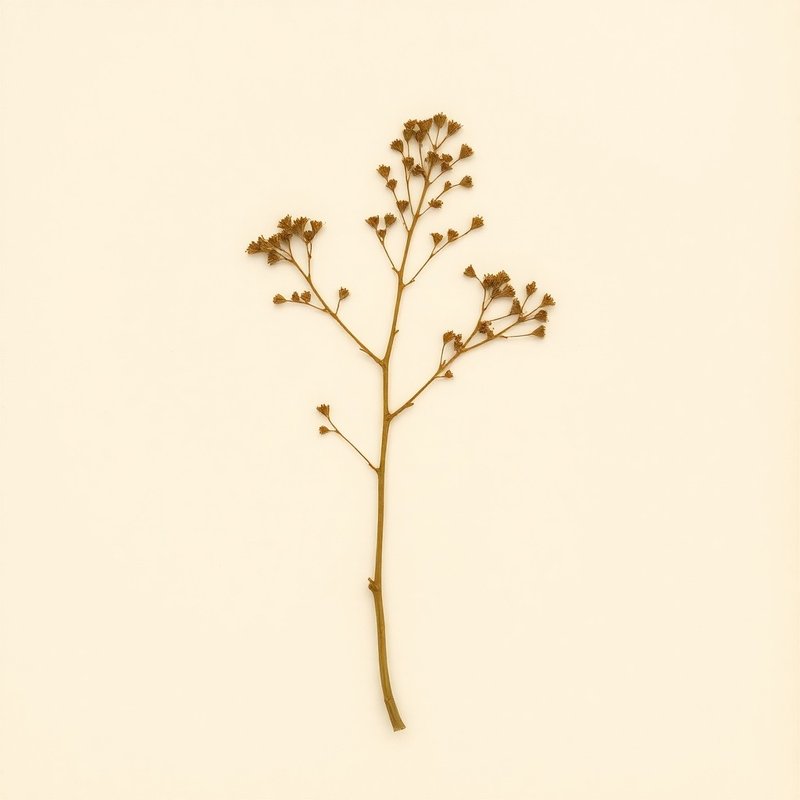
1 image
Specimen gallery
1 imageXSee also
7 related
See also
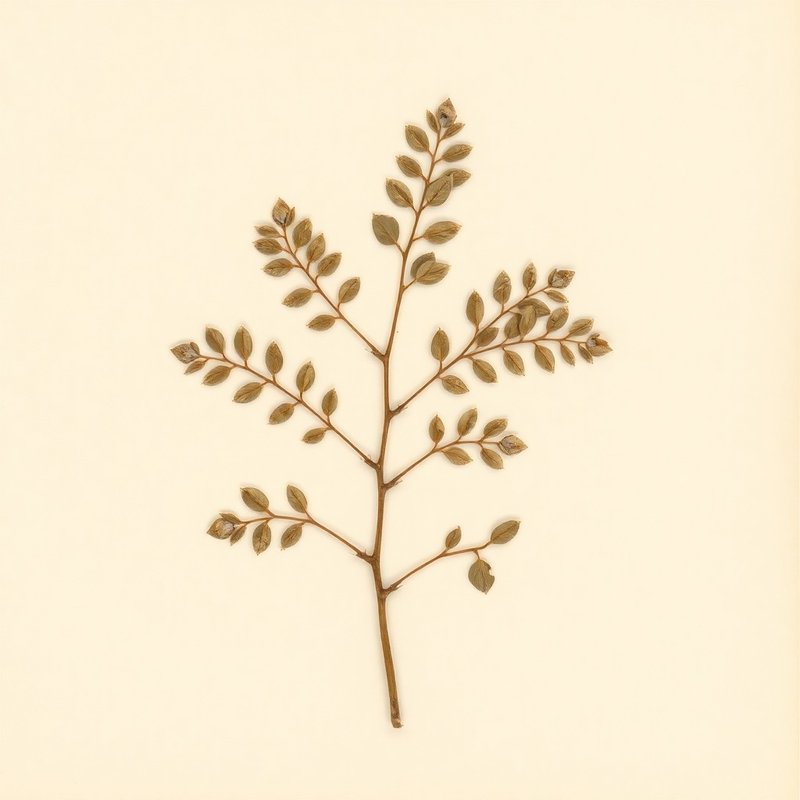
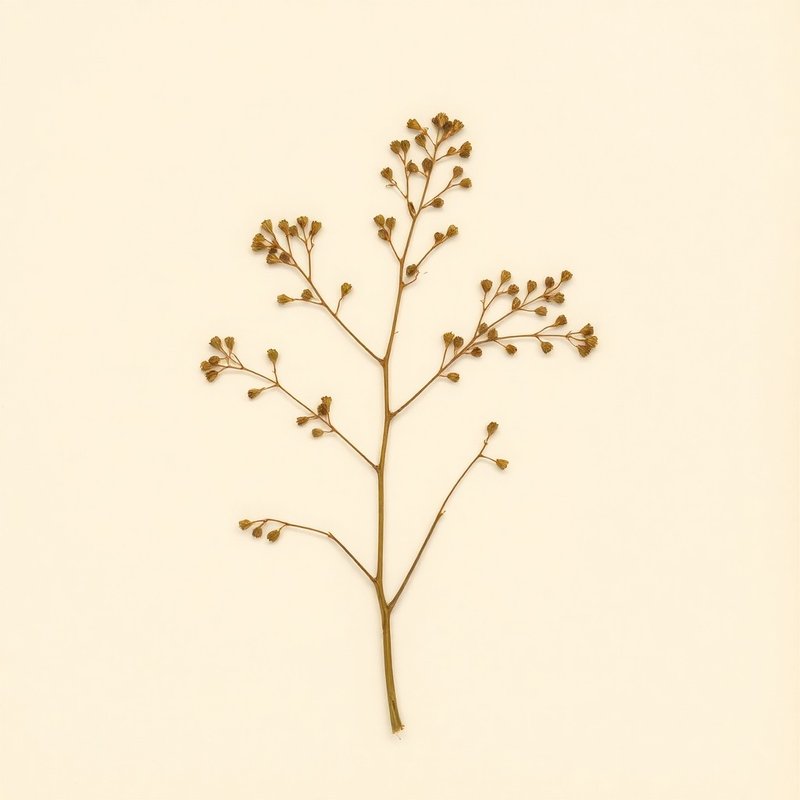
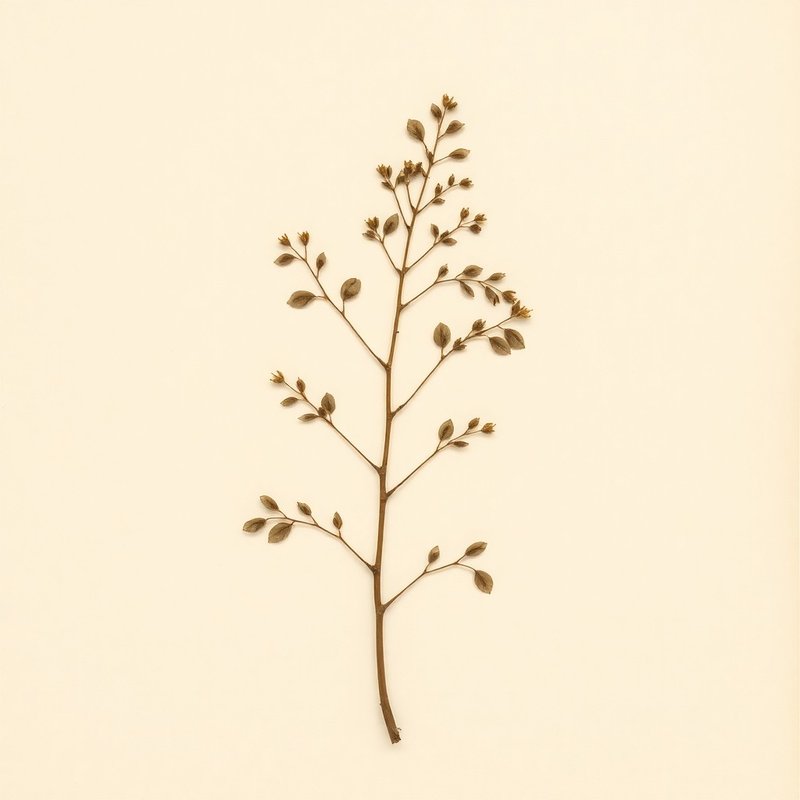
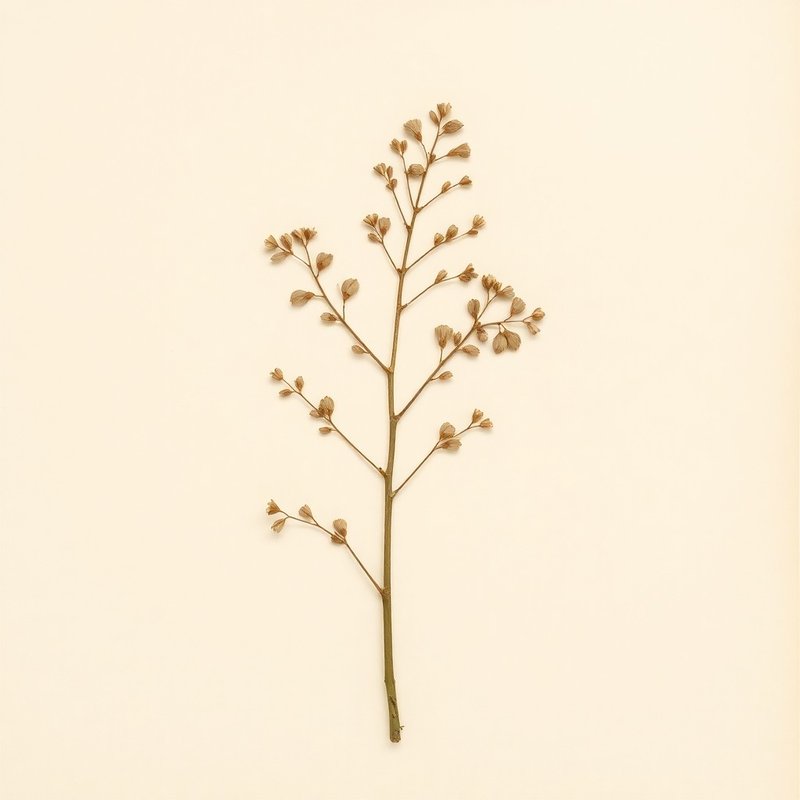
7 relatedPlants you might compare or use together — scored by shared family (Betulaceae), common use cases, and growing requirements.
same family · Betulaceae
Botanical relatives — often share phytochemistry + growing needs.


XI
Explore further
Companion planting
Compare with similar plants
Growing zone
Native to
XII
About this entry
- Last updated
- Citation
- How to cite this entry · Submit a correction
Back to the cataloguePlant id · 8dc4b321-f7e1-4d7b-863f-3e618610d1bd
Decision aid
Choosing between American Green Alder and something else?
Continue reading
❦❦❦❦
Endpaper · archive updates
Get archive updates
Occasional email when substantial new content lands — plant profiles, seasonal growing notes, folk-remedy additions. Free, no tracking, unsubscribe anytime.
Newsletter returning soon.
We are rebuilding the update list around a lightweight editorial workflow. New dispatches will resume after the next content review cycle.