
Silver Birch
Betula pendulafam. Betulaceae
Educational content — not medical, botanical, or professional advice. Plant identification, safety, and edibility depend on local conditions, cultivars, and correct identification. Consult a qualified botanist or forager before consuming or handling wild specimens. How we source & review →
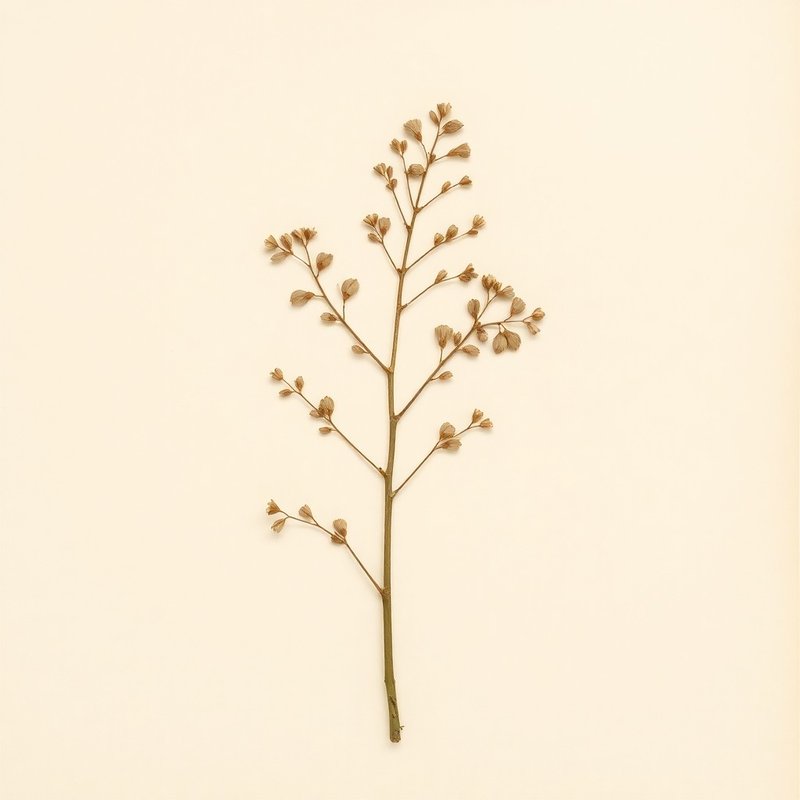
Pl. C737 — Betula pendula
Betula pendulaBetula pendulaBetula pendulaBetula pendulaBetula pendulaBetula pendulaBetula pendulaBetula pendulaBetula pendulaBetula pendulaBetula pendulaBetula pendulaBetula pendulaBetula pendula
IOverview
Overview
Silver Birch (Betula pendula) is a deciduous tree native to a wide range of regions including Alaska, Albania, Alberta, and Austria, among others. Known for its ornamental value due to the distinctive silver-gray bark that peels off in thin strips, this tree also has edible parts such as flowers, inner bark, leaves, and sap. It thrives in various soil types—light (sandy), medium, and heavy (clay)—and prefers a pH range of 5 to 7.5. The plant is hardy in zones 2-6 and can grow up to 20 meters tall. Its native range extends across Europe, Asia, and parts of North America, making it adaptable to diverse climates.
Quick answers
What is Silver Birch?
Silver Birch (Betula pendula) is a deciduous tree native to a wide range of regions including Alaska, Albania, Alberta, and Austria, among others.
Growingconditions · propagation · uses
VCultivation
Cultivation
Silver Birch thrives in light to moist soils that are well-draining or clayey, with a pH between 5 and 7.5. It prefers partial shade but can tolerate full sun. Hardy in temperate regions from zones 2-6, this tree grows up to 20 meters tall. Propagate via seed or cuttings. Silver Birch is edible, offering sap, leaves, inner bark, and flowers as food sources.
Light
8/10
Water
Dry, Moist
Soil
Light (sandy), Medium, Heavy (clay)
Hardiness
2-6
Habit
Tree
Mature size
20.0 m tall
Soil pH
5–7.5
Seasonal calendar
Northern hemisphere · UTC month is September
winterspringsummerautumnwinter
BloomJFMAMJJASOND
For first-time growers
How to grow Silver Birch for the first time
7steps
Start with planting a Silver Birch sapling to ensure success for a beginner gardener.
- 1
What you'll need
A young Silver Birch sapling, garden gloves, and a shovel.
- 2
Best time to plant
Plant in early spring or late autumn when the soil is moist but not waterlogged.
- 3
Soil and container prep
Ensure the soil drains well. Amend with compost if necessary. For containers, use a mix of peat moss, perlite, and potting soil.
- 4
Sowing or transplanting
Transplant the sapling to a prepared hole that is twice as wide but not deeper than its root ball.
- 5
First two weeks
Water regularly to keep the soil moist. Avoid overwatering, which can lead to root rot.
- 6
Ongoing care
Water during dry spells and mulch around the base to retain moisture and suppress weeds. Prune only dead or damaged branches.
- 7
Harvest or pruning
Prune in late winter before new growth starts, focusing on removing any weak or crossing branches.
VIEdible & utility
Edible & utility
Edible parts:FlowersInner barkLeavesSap
Edible uses: Tea
Other uses:AdhesiveCraftingFire starterCompostDyeEssential OilFiberantifungalHairtextilesPioneerPolishTanninWaterproofingLumberDynamic accumulatorFragrance
Contextrange · companions · related
VIIDistribution
30 native · 0 introduced
Distribution
30 native · 0 introducedDistribution across3 continents· 30 native
Europe15 regions
native (15)AlbaniaAustriaBelarusBelgiumBulgariaDenmarkFinlandFranceGermanyGreeceHungaryRussiaSpainSwedenUnited Kingdom
Asia1 region
native (1)China
Americas1 region
native (1)United States
Broader regions
native:Alberta, Altay, Amur, Argentina South, Baltic States, Buryatiya, Chita, Czechoslovakia
IXSpecimen gallery
1 image
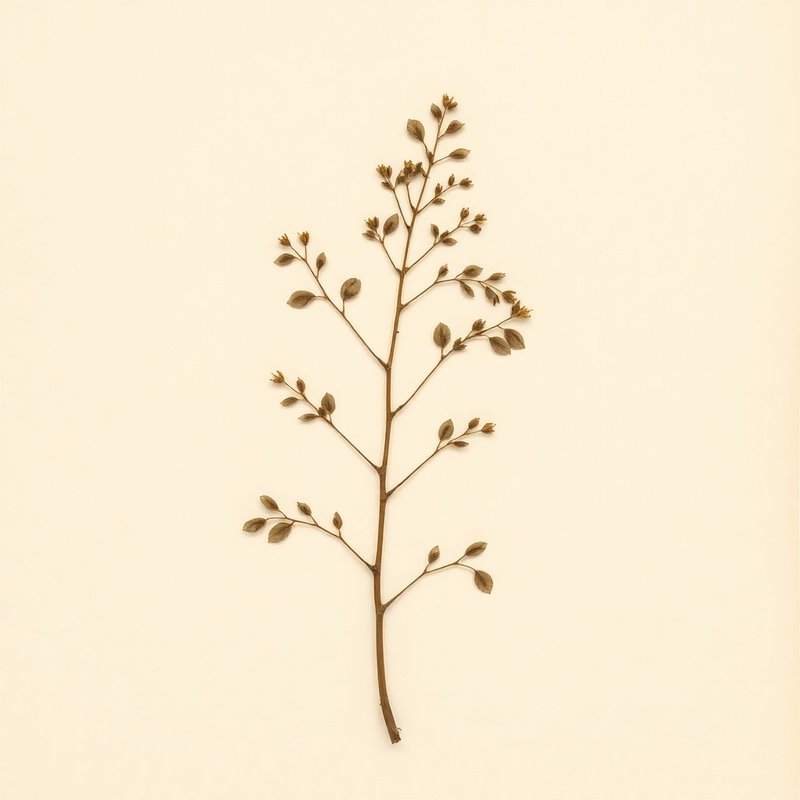
Specimen gallery
1 imageXSee also
7 related
See also
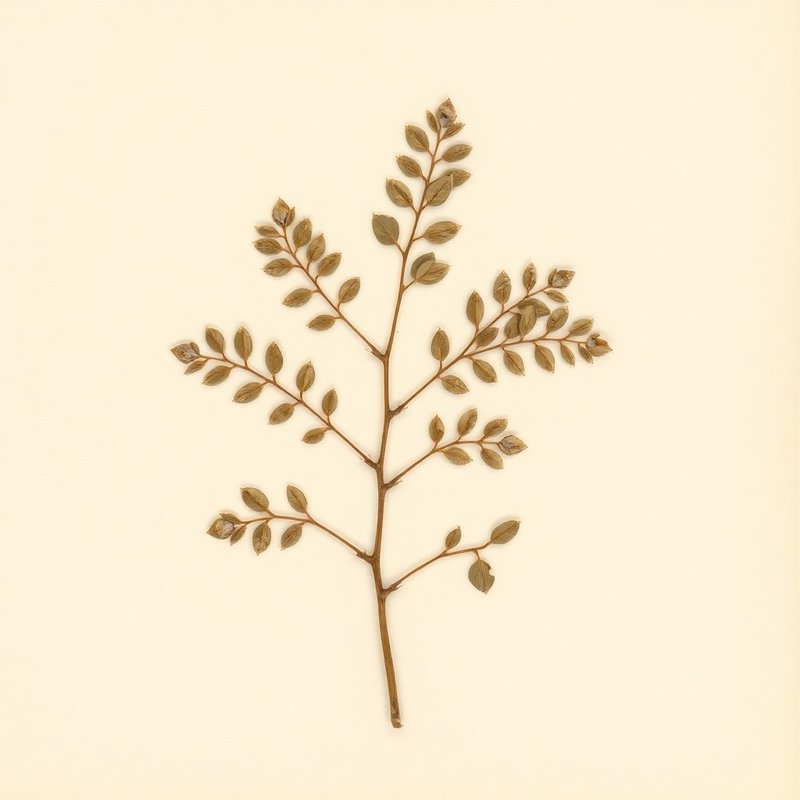
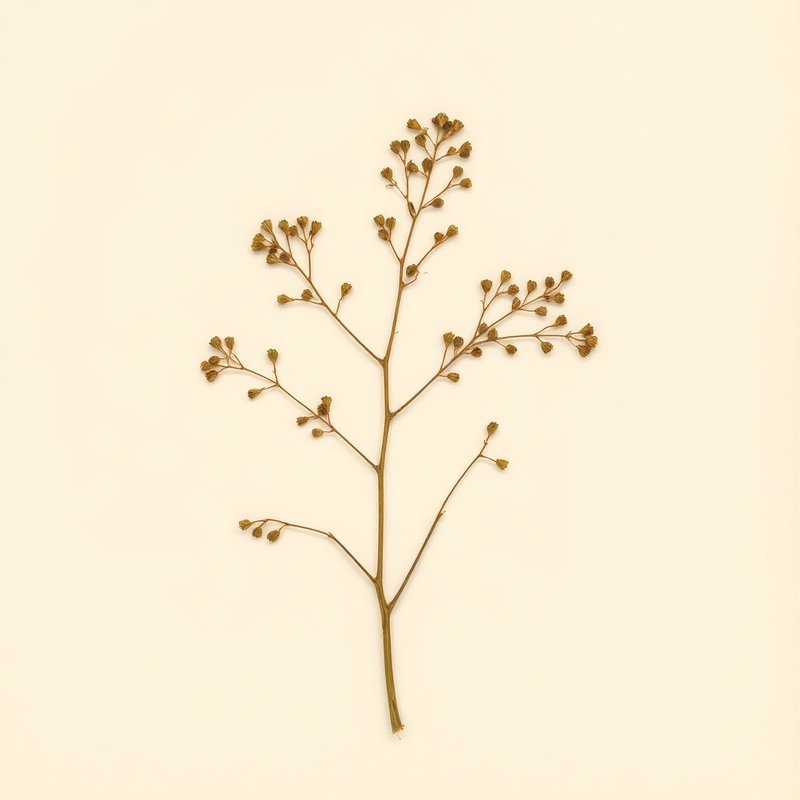
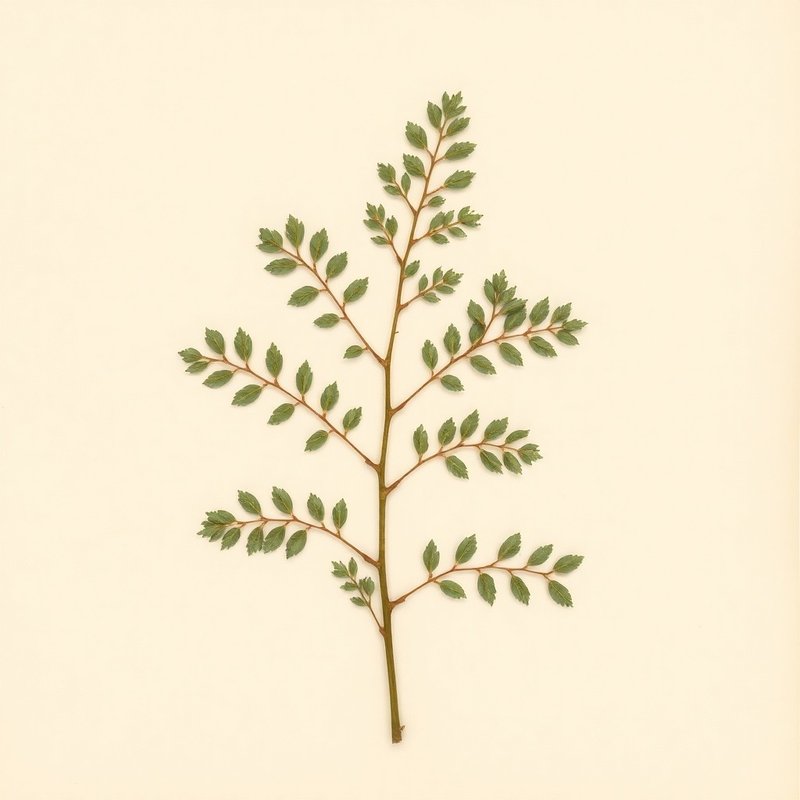
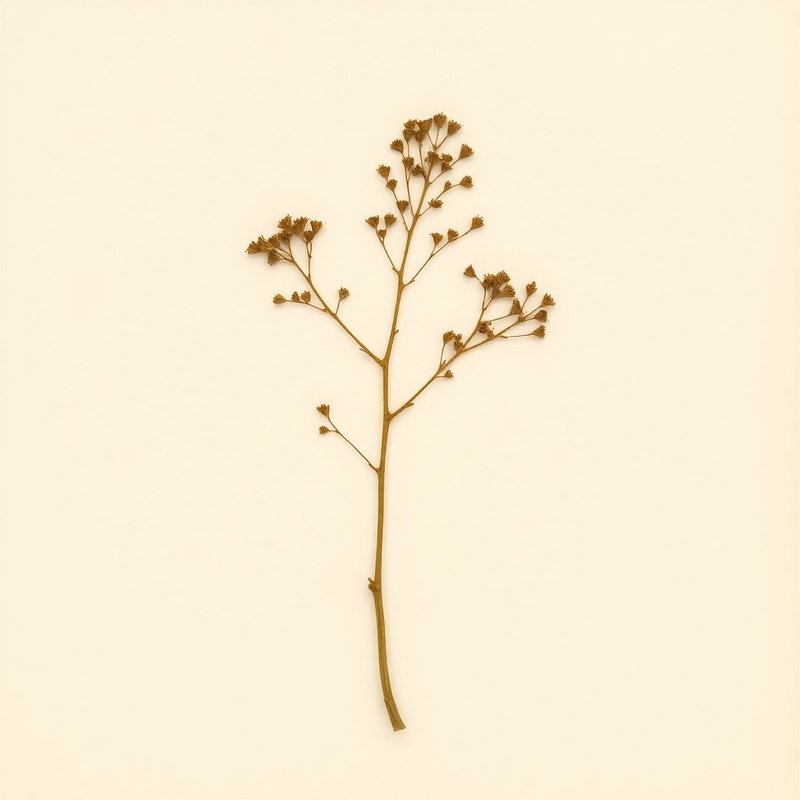
7 relatedPlants you might compare or use together — scored by shared family (Betulaceae), common use cases, and growing requirements.
same family · Betulaceae
Botanical relatives — often share phytochemistry + growing needs.


XI
Explore further
Companion planting
Compare with similar plants
Growing zone
XII
About this entry
- Last updated
- Citation
- How to cite this entry · Submit a correction
Back to the cataloguePlant id · c737bc94-b347-46df-a75d-5fa31c0a5e73
Decision aid
Choosing between Silver Birch and something else?
Continue reading
❦❦❦❦
Endpaper · archive updates
Get archive updates
Occasional email when substantial new content lands — plant profiles, seasonal growing notes, folk-remedy additions. Free, no tracking, unsubscribe anytime.