
Cherry Birch
Betula lentafam. Betulaceae
Educational content — not medical, botanical, or professional advice. Plant identification, safety, and edibility depend on local conditions, cultivars, and correct identification. Consult a qualified botanist or forager before consuming or handling wild specimens. How we source & review →
Garden journal pausedUse profile notes below

Pl. A7B6 — Betula lenta
Betula lentaBetula lentaBetula lentaBetula lentaBetula lentaBetula lentaBetula lentaBetula lentaBetula lentaBetula lentaBetula lentaBetula lentaBetula lentaBetula lenta
IOverview
Overview
Cherry Birch (Betula lenta) is a deciduous tree native to the eastern United States, found in states such as Alabama, Connecticut, Georgia, Kentucky, Maine, Maryland, Massachusetts, and Mississippi. This tree thrives in moist conditions with light to partial shade and can grow up to 24 meters tall, making it hardy in zones 3-7. The distinctive feature of the Cherry Birch is its reddish-brown bark, which peels off in thin strips, revealing a lighter inner layer. Its ornamental qualities make it a versatile addition to gardens and landscapes. The tree's inner bark and sap are edible parts that can be harvested for use as condiments or sweeteners, and even to prepare tea. Additionally, the wood of the Cherry Birch is valued for its lumber and essential oil production, while its tannin content makes it useful in creating fire starters. The tree also serves as a dynamic accumulator, enhancing soil fertility through its root system. While not medicinal, the Cherry Birch plays an important role in both ecological and horticultural contexts. Its introduction into Poland further highlights its adaptability and usefulness beyond its native range.
Quick answers
What is Cherry Birch?
Cherry Birch (Betula lenta) is a deciduous tree native to the eastern United States, found in states such as Alabama, Connecticut, Georgia, Kentucky, Maine, Maryland, Massachusetts, and Mississippi.
Growingconditions · propagation · uses
VCultivation
Cultivation
Cherry Birch thrives in full to partial sun and prefers moist soil that is light (sandy), medium, or heavy (clay). It grows well in hardiness zones 3-7, making it suitable for temperate regions. For cultivation, ensure the soil remains consistently moist but avoid overwatering. This tree can reach heights of up to 24 meters and is native to a range of eastern North American states. The inner bark and sap are edible parts that can be harvested.
Light
Full sun, Partial sun/shade
Water
Moist
Soil
Light (sandy), Medium, Heavy (clay)
Hardiness
3-7
Mature size
24.0 m tall
For first-time growers
How to grow Cherry Birch for the first time
7steps
Start with planting Cherry Birch in a suitable location and basic care to ensure its healthy growth.
- 1
What you'll need
A young Cherry Birch sapling, garden gloves, a shovel, and water.
- 2
Best time to plant
Plant in early spring or late fall when the soil is moist but not soggy.
- 3
Soil and container prep
Ensure the soil is well-draining with a pH between 5.0 and 7.0; loosen the topsoil to about 30 cm deep.
- 4
Sowing or transplanting
Transplant young saplings into a prepared hole that's twice as wide but not deeper than the root ball.
- 5
First two weeks
Water regularly, keeping the soil moist but not waterlogged. Avoid direct sunlight for the first few days.
- 6
Ongoing care
Provide full sun to partial shade and regular watering; mulch around the base to retain moisture.
- 7
Harvest or pruning
Prune in late winter before new growth starts, focusing on removing dead or crossing branches.
VIEdible & utility
Edible & utility
Edible parts:Inner barkSap
Edible uses: Condiment, Sweetener, Tea
Other uses:Essential OilFire starterTanninLumberDynamic accumulatorFragrance
Contextrange · companions · related
VIIDistribution
22 native · 1 introduced
Distribution
22 native · 1 introducedDistribution across2 continents· 22 native· 1 introduced
Europe1 region
introduced (1)Poland
Asia1 region
native (1)Georgia
Broader regions
native:Alabama, Connecticut, Kentucky, Maine, Maryland, Masachusettes, Massachusetts, Mississippi, New Hampshire, New Jersey, New York, North Carolina, Ohio, Ontario, Pennsylvania, Rhode I., South Carolina, Tennessee, Vermont, Virginia, West Virginia
VIIIGarden companions
1 pair
Garden companions
1 pairPlant near these
These plants help — by repelling pests, fixing nitrogen, attracting pollinators, or sharing space well.
IXSpecimen gallery
1 image
Specimen gallery
1 imageXSee also
7 related
See also
7 relatedPlants you might compare or use together — scored by shared family (Betulaceae), common use cases, and growing requirements.
same family · Betulaceae
Botanical relatives — often share phytochemistry + growing needs.

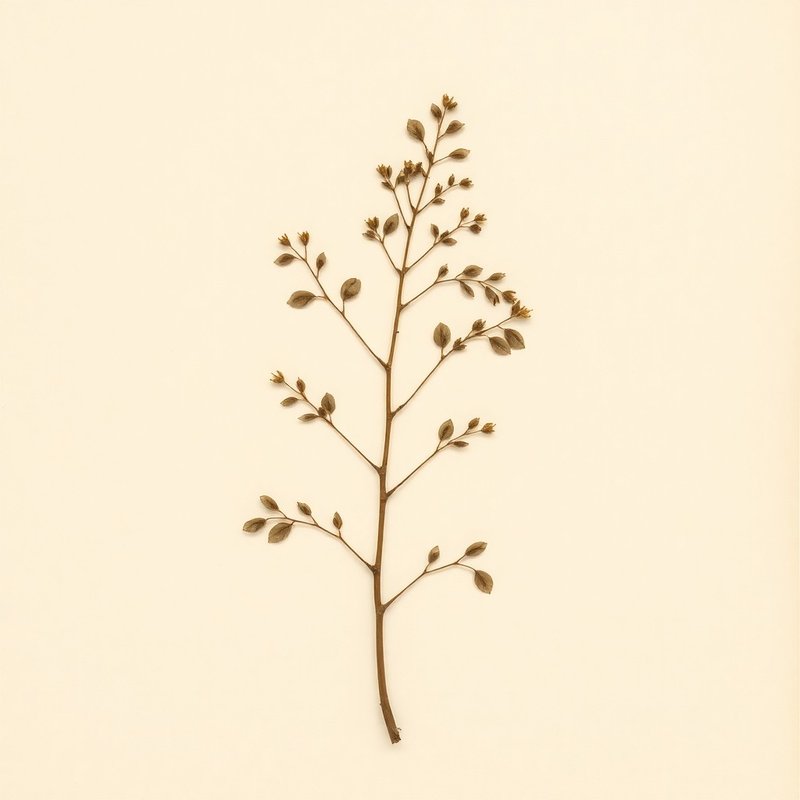
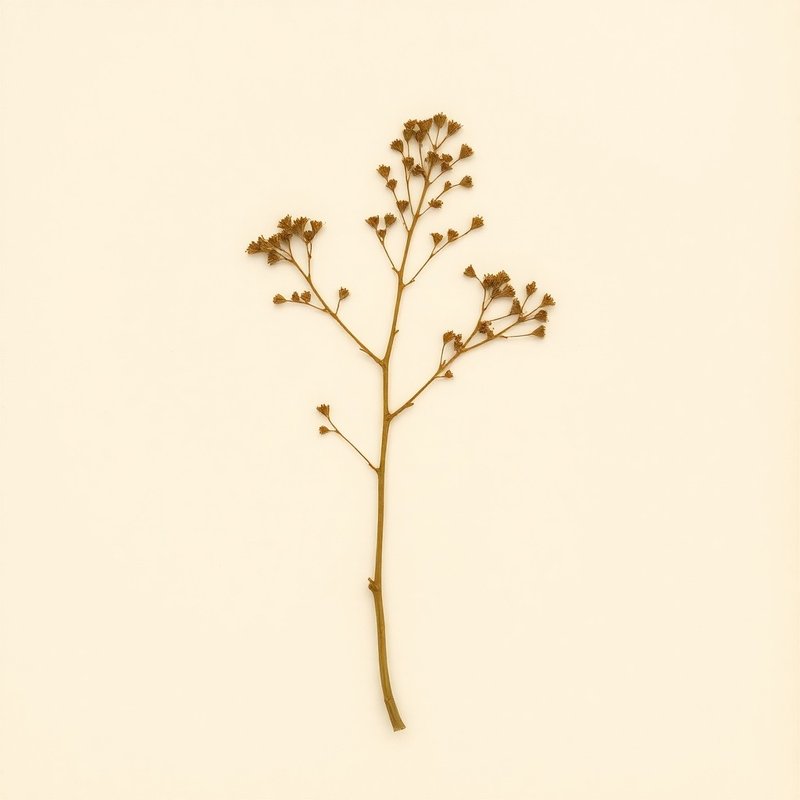
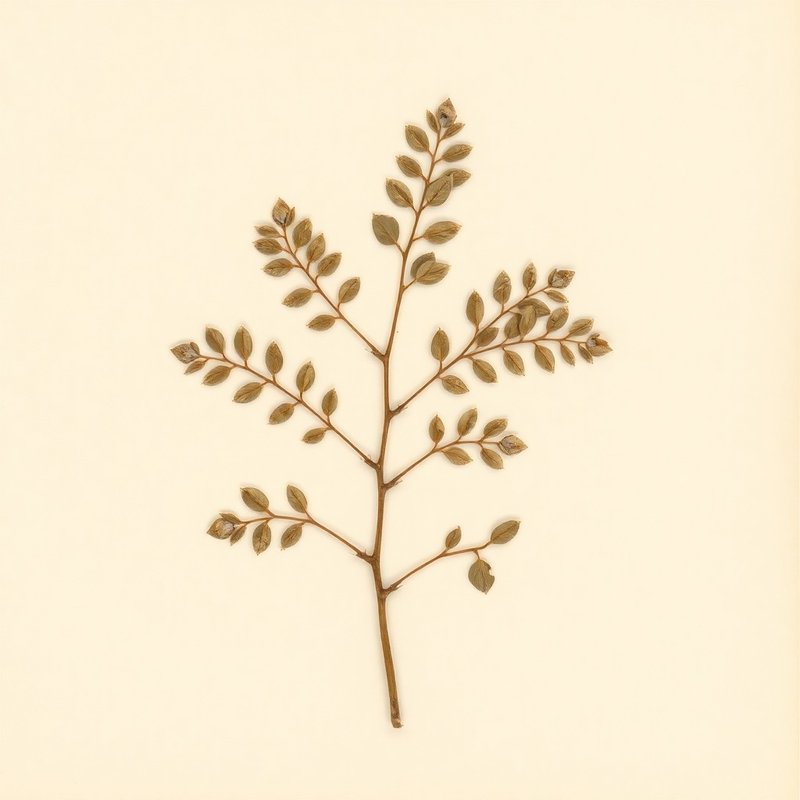
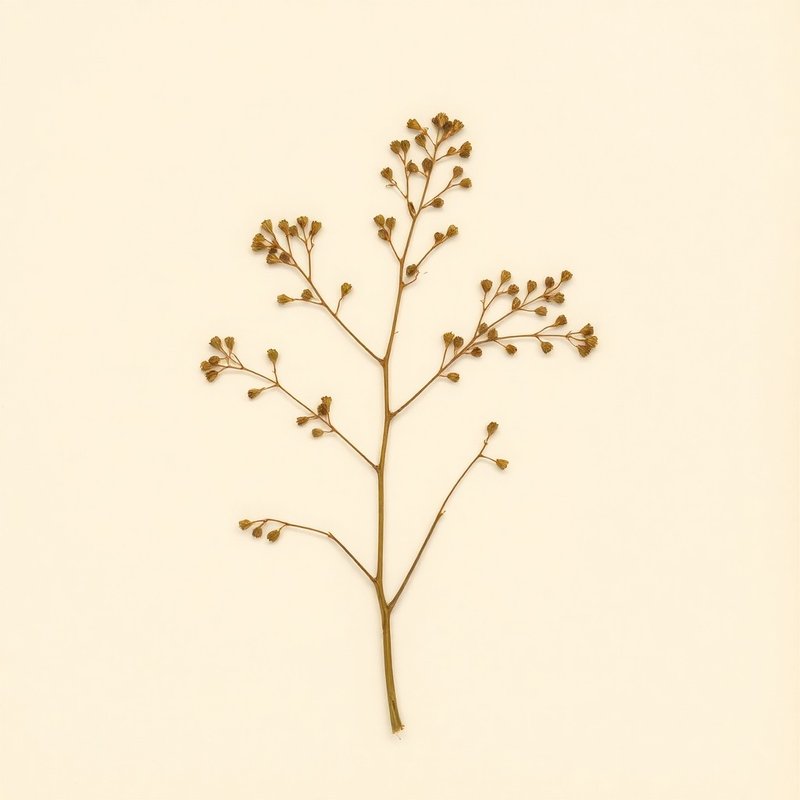
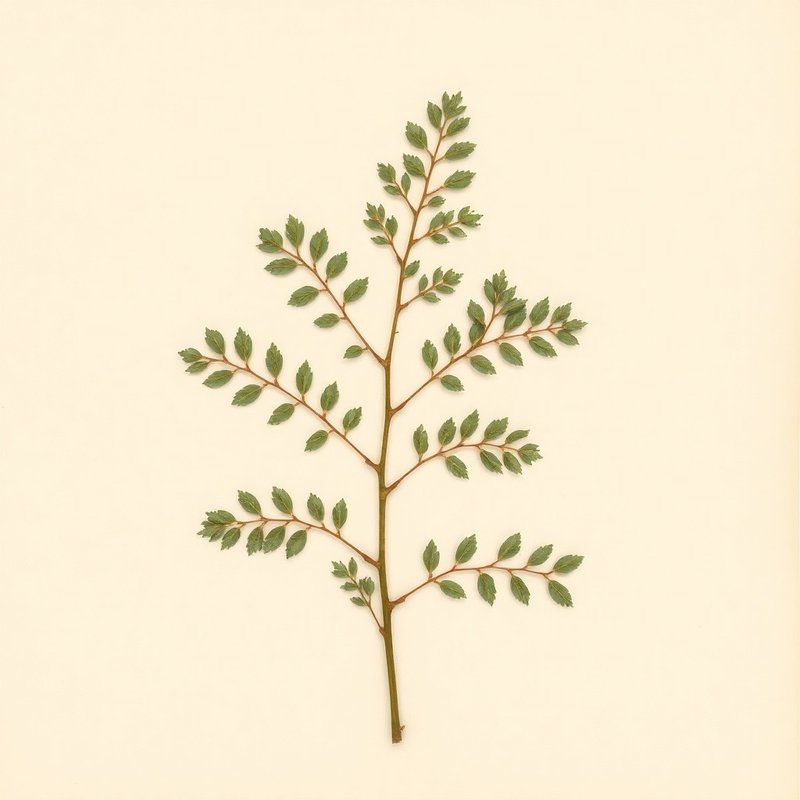
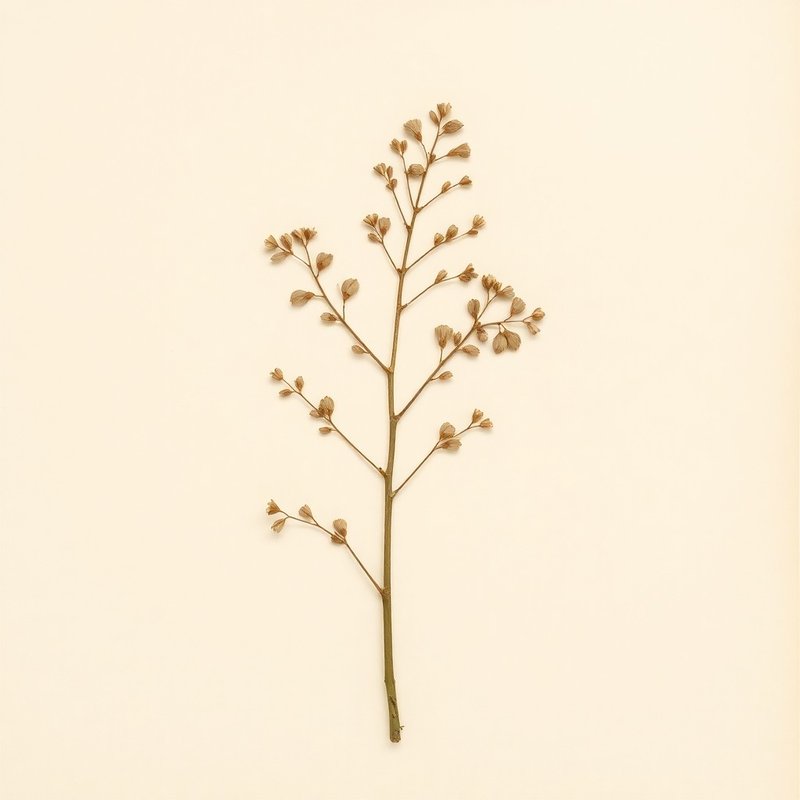
XI
Explore further
Companion planting
Compare with similar plants
Growing zone
Native to
XII
About this entry
- Last updated
- Citation
- How to cite this entry · Submit a correction
Back to the cataloguePlant id · a7b6591e-42af-4f1d-8ee4-8e06cd1020c7
Decision aid
Choosing between Cherry Birch and something else?
Continue reading
❦❦❦❦
Endpaper · archive updates
Get archive updates
Occasional email when substantial new content lands — plant profiles, seasonal growing notes, folk-remedy additions. Free, no tracking, unsubscribe anytime.
Newsletter returning soon.
We are rebuilding the update list around a lightweight editorial workflow. New dispatches will resume after the next content review cycle.