
River Birch
Betula nigrafam. Betulaceae
Educational content — not medical, botanical, or professional advice. Plant identification, safety, and edibility depend on local conditions, cultivars, and correct identification. Consult a qualified botanist or forager before consuming or handling wild specimens. How we source & review →
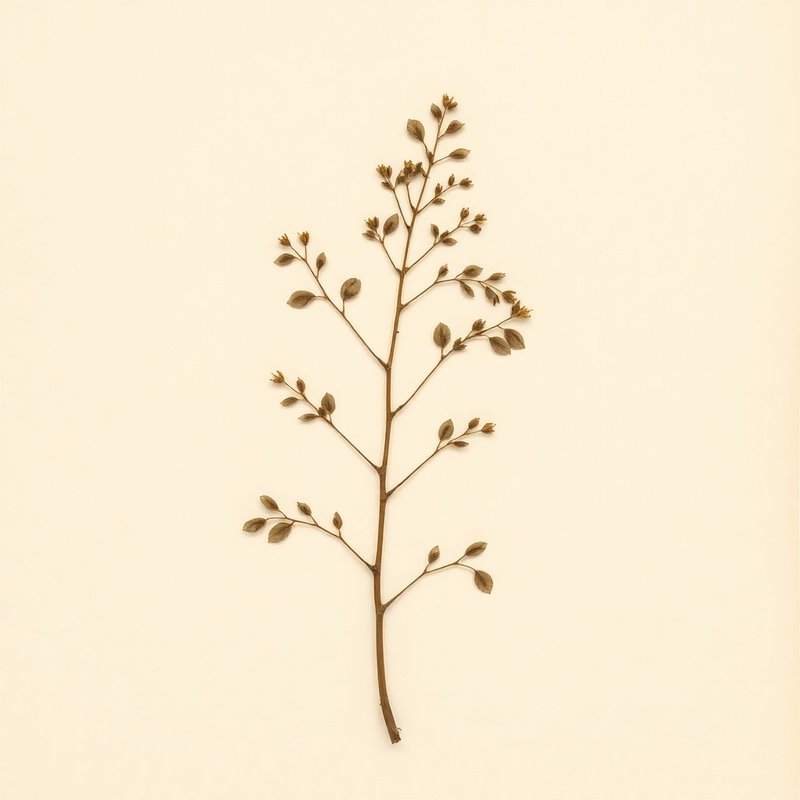
Pl. F806 — Betula nigra
Betula nigraBetula nigraBetula nigraBetula nigraBetula nigraBetula nigraBetula nigraBetula nigraBetula nigraBetula nigraBetula nigraBetula nigraBetula nigraBetula nigra
IOverview
Overview
River Birch (Betula nigra) is a deciduous tree native to the eastern United States, found in states such as Alabama, Arkansas, Connecticut, Delaware, and District of Columbia. Known for its ornamental value and edible sap, this tree thrives in moist environments with light to partial shade. Its distinctive features include peeling, dark brown bark that reveals creamy white inner layers, and a height of up to 20 meters. River Birch prefers well-drained soils ranging from light (sandy) to heavy (clay), with a pH between 3 and 6.5, making it adaptable in hardiness zones 3-9.
Quick answers
What is River Birch?
River Birch (Betula nigra) is a deciduous tree native to the eastern United States, found in states such as Alabama, Arkansas, Connecticut, Delaware, and District of Columbia. Known for its ornamental value and edible sap, this tree thrives in moist environments with light to partial shade.
Growingconditions · propagation · uses
VCultivation
Cultivation
River Birch thrives in full to partial sun and prefers moist, well-drained soils that are light (sandy), medium, or heavy (clay). It is hardy in zones 3-9 and can grow up to 20 meters tall. For cultivation, ensure the soil pH ranges between 3 and 6.5 for optimal growth. Propagate via seeds or cuttings. Given its native range across eastern North America, River Birch adapts well to temperate regions with similar climates.
Light
Full sun, Partial sun/shade
Water
Moist
Soil
Light (sandy), Medium, Heavy (clay)
Hardiness
3-9
Habit
Tree
Mature size
20.0 m tall
Soil pH
3–6.5
For first-time growers
How to grow River Birch for the first time
8steps
Start with planting a young River Birch tree for a beginner-friendly project.
- 1
What you'll need
A young River Birch sapling, garden gloves, and a shovel.
- 2
Best time to plant
Plant in spring or fall when the weather is cooler.
- 3
Soil and container prep
Ensure soil drains well; amend with compost if necessary. For containers, use a mix of light, medium, and heavy soils.
- 4
Sowing or transplanting
Transplant young saplings directly into the ground or a large pot.
- 5
First two weeks
Water regularly to keep soil moist. Monitor for signs of stress like wilting.
- 6
Ongoing care
Water when dry, especially in summer. Prune only if necessary to remove dead or damaged branches.
- 7
Harvest or pruning
Prune during dormant season to maintain shape and health.
- 8
Common mistakes
Overwatering, planting too deep, neglecting winter protection in colder zones.
VIEdible & utility
Edible & utility
Edible parts:Sap
Edible uses: Sweetener
Other uses:CraftingErosion controlLumber
Contextrange · companions · related
VIIDistribution
30 native · 0 introduced
Distribution
30 native · 0 introducedDistribution across1 continent· 30 native
Asia1 region
native (1)Georgia
Broader regions
native:North Carolina, Connecticut, Delaware, District of Columbia, Florida, Illinois, Indiana, Iowa, Kansas, Kentucky, Louisiana, Maryland, Massachusetts, Minnesota, Mississippi, Missouri, New Jersey, New York, Ohio, Oklahoma, Pennsylvania, South Carolina, Tennessee, Texas, Virginia, West Virginia, Wisconsin, Alabama, Masachusettes
IXSpecimen gallery
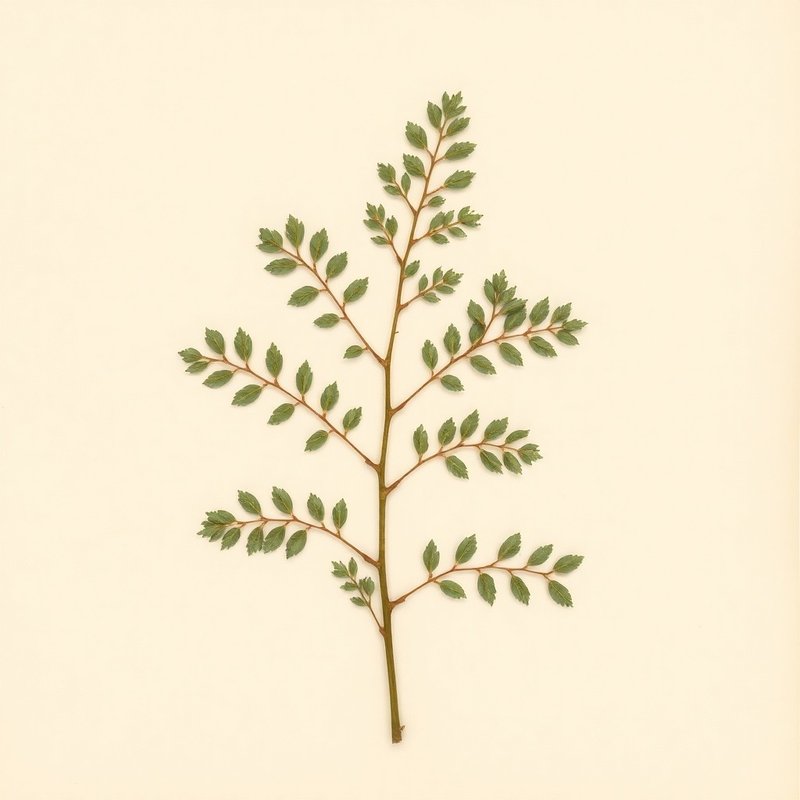
1 image
Specimen gallery
1 imageXSee also
7 related
See also
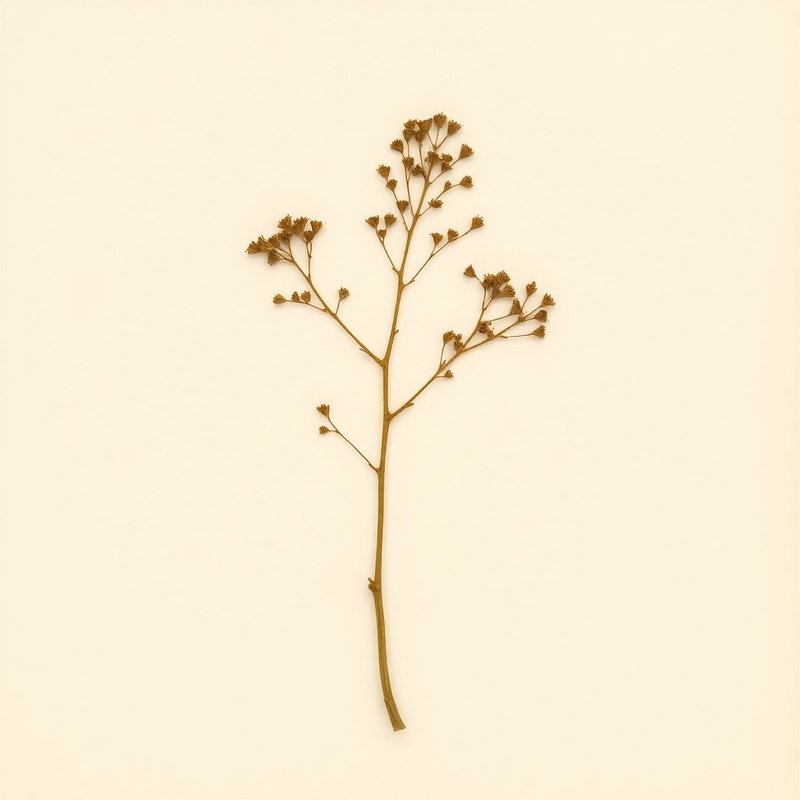
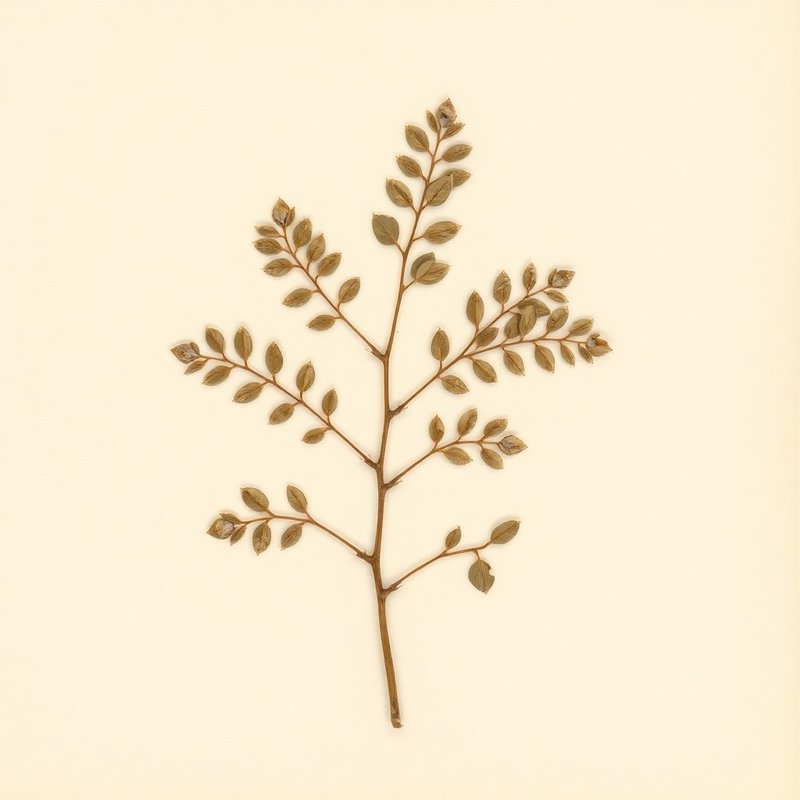
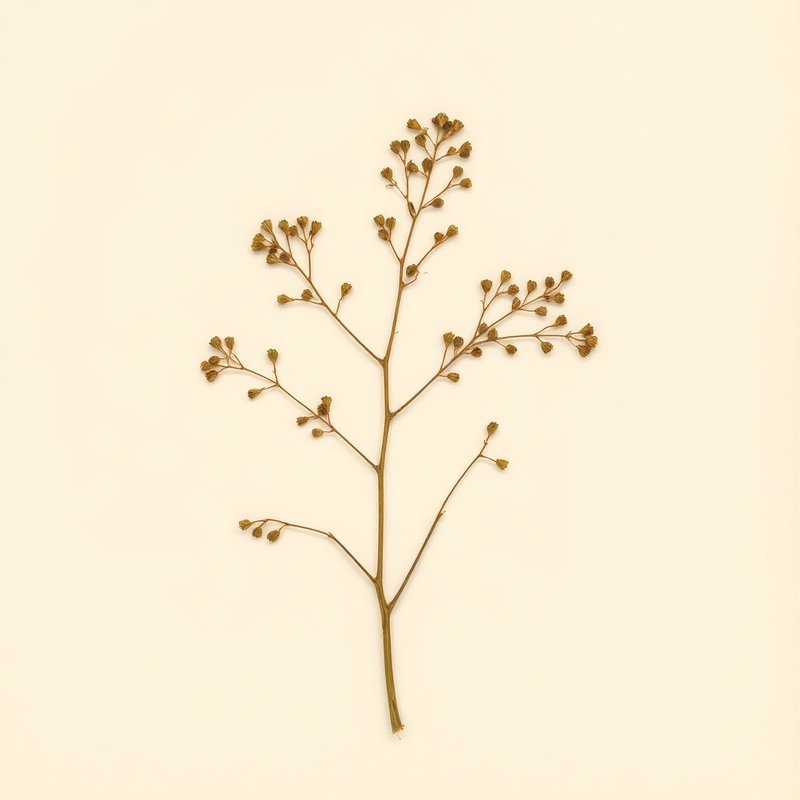
7 relatedPlants you might compare or use together — scored by shared family (Betulaceae), common use cases, and growing requirements.
same family · Betulaceae
Botanical relatives — often share phytochemistry + growing needs.


XI
Explore further
Companion planting
Compare with similar plants
Growing zone
XII
About this entry
- Last updated
- Citation
- How to cite this entry · Submit a correction
Back to the cataloguePlant id · f806c532-ea33-41d5-9716-f5f27d37128b
Decision aid
Choosing between River Birch and something else?
Continue reading
❦❦❦❦
Endpaper · archive updates
Get archive updates
Occasional email when substantial new content lands — plant profiles, seasonal growing notes, folk-remedy additions. Free, no tracking, unsubscribe anytime.