
Udo
Aralia cordata
Educational content — not medical, botanical, or professional advice. Always consult a qualified clinician before using any herbal preparation — especially during pregnancy, breastfeeding, while on medication, or for children. How we source & review →

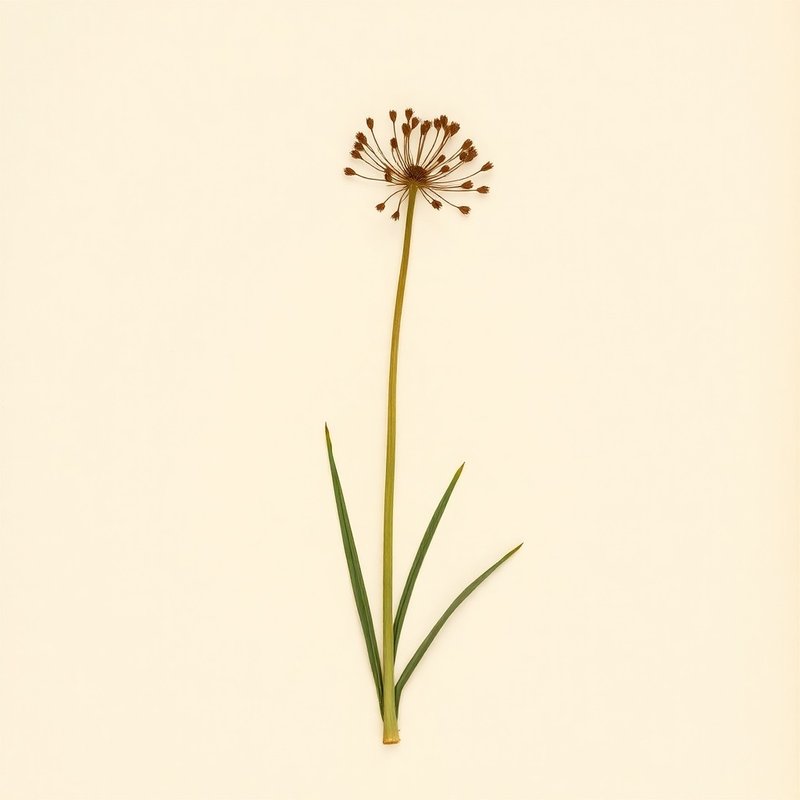
Pl. 2A1B — Aralia cordata
Aralia cordataAralia cordataAralia cordataAralia cordataAralia cordataAralia cordataAralia cordataAralia cordataAralia cordataAralia cordataAralia cordataAralia cordataAralia cordataAralia cordata
IOverview
Overview
Udo (Aralia cordata) is a perennial subshrub or herb known for its ornamental and edible qualities. Native to regions including China South-Central, Southeast, Japan, Korea, Sakhalin, Taiwan, and Kuril Islands, this plant thrives in partial sun to full shade with moist soil that can be light (sandy), medium, or heavy (clay). It is hardy from zone 4 to 9 and grows up to 1.8 meters tall. The leaves, shoots, stems, and roots of Udo are edible, making it a versatile addition to gardens and culinary dishes. One distinctive feature of this plant is its ability to adapt to various soil pH levels between 5 and 7.2, enhancing its suitability for diverse garden settings.
Quick answers
What is Udo?
Udo (Aralia cordata) is a perennial subshrub or herb known for its ornamental and edible qualities.
What is Udo used for?
Traditionally used for immune support, digestion. Each claim is evidence-rated — see Section II for full citations.
Best for
Top 2 evidence-ranked uses of Udo
Clinicaluses · safety · chemistry · dosagemedicinal profile
IIBenefits & evidence
2 claims · 0 sources
Benefits & evidence
2 claims · 0 sources- Udo is traditionally used in East Asian medicine to support the immune system, often consumed as a tea or decoction.
The mechanism is not fully characterised but may involve compounds that modulate immune responses and enhance overall health.
- Udo has been traditionally used in East Asian medicine for digestive issues, often prepared as a decoction to support gastrointestinal health.
The mechanism is not fully characterised but may involve compounds that interact with the gut microbiota and promote digestive comfort.
IV·bMixology suggestions
2 drafts
Mixology suggestions
2 draftsEditorial drafts. These pairings are AI-suggested from traditional herbal lore. Always verify with a qualified herbalist before brewing.
Stress Relief
stresstincture
Used traditionally to soothe nervousness.
Digestive Comfort
digestiondecoction
Historically used for digestive issues.
Growingconditions · propagation · uses
VCultivation
Cultivation
Udo (Aralia cordata) thrives in partial sun to full shade and prefers moist, well-drained soils that are light (sandy), medium, or heavy (clay). It is hardy in zones 4-9, making it suitable for temperate regions. Propagate through division or seed sowing. Udo grows up to 1.8 meters tall as a subshrub or herb and can be harvested for its edible leaves, roots, shoots, and stems. Maintain soil pH between 5 and 7.2 for optimal growth.
Light
Partial sun/shade, Full shade
Water
Moist
Soil
Light (sandy), Medium, Heavy (clay)
Hardiness
4-9
Life cycle
Perennial
Habit
Subshrub, Forb/herb
Mature size
1.8 m tall
Soil pH
5–7.2
For first-time growers
How to grow Udo for the first time
8steps
Start with Udo as a simple, low-maintenance perennial for your garden.
- 1
What you'll need
A small Udo plant or seeds, a trowel, and mulch.
- 2
Best time to plant
Plant in spring after the last frost or fall before the first freeze.
- 3
Soil and container prep
Choose a spot with partial sun to full shade. Ensure soil is well-draining and has a pH between 5 and 7.2.
- 4
Sowing or transplanting
Transplant young plants or sow seeds directly in the garden after danger of frost is past.
- 5
First two weeks
Water regularly to keep soil moist but not waterlogged. Mulch around the plant to retain moisture and suppress weeds.
- 6
Ongoing care
Water when the top inch of soil feels dry, especially during hot weather. Prune in late winter or early spring to maintain shape.
- 7
Harvest or pruning
Prune dead or damaged stems in late winter for a tidy appearance and to encourage new growth.
- 8
Common mistakes
Overwatering, planting in full sun, using the wrong soil type, neglecting winter protection in colder zones.
VIEdible & utility
Edible & utility
Edible parts:LeavesRootShootsStem
Edible uses: The Udo plant (Aralia cordata) is edible and its leaves, roots, shoots, and stems can be consumed. Typically, the young shoots are prepared raw or cooked in stir-fries or soups. The roots may be dried for later use or ground into a powder. Leaves and stems can also be eaten fresh or used in various dishes.
Contextrange · companions · related
VIIDistribution
8 native · 1 introduced
Distribution
8 native · 1 introducedDistribution across1 continent· 8 native· 1 introduced
Asia4 regions
native (4)ChinaJapanSouth KoreaTaiwan
Broader regions
native:Kuril Is., Nansei-shoto, Sakhalin
introduced:Czechoslovakia
IXSpecimen gallery
1 image
Specimen gallery
1 imageXSee also
8 related
See also
8 relatedPlants you might compare or use together — scored by shared family, common use cases, and growing requirements.
shared use cases
Different families, similar therapeutic role — good for comparing.



XI
Explore further
Companion planting
Compare with similar plants
Growing zone
XII
About this entry
- Last updated
- Citation
- How to cite this entry · Submit a correction
Back to the cataloguePlant id · 2a1bd484-f170-48cf-8483-5f7300cb3b9c
Decision aid
Choosing between Udo and something else?
Continue reading
❦❦❦❦
Endpaper · archive updates
Get archive updates
Occasional email when substantial new content lands — plant profiles, seasonal growing notes, folk-remedy additions. Free, no tracking, unsubscribe anytime.