
Chokeberry
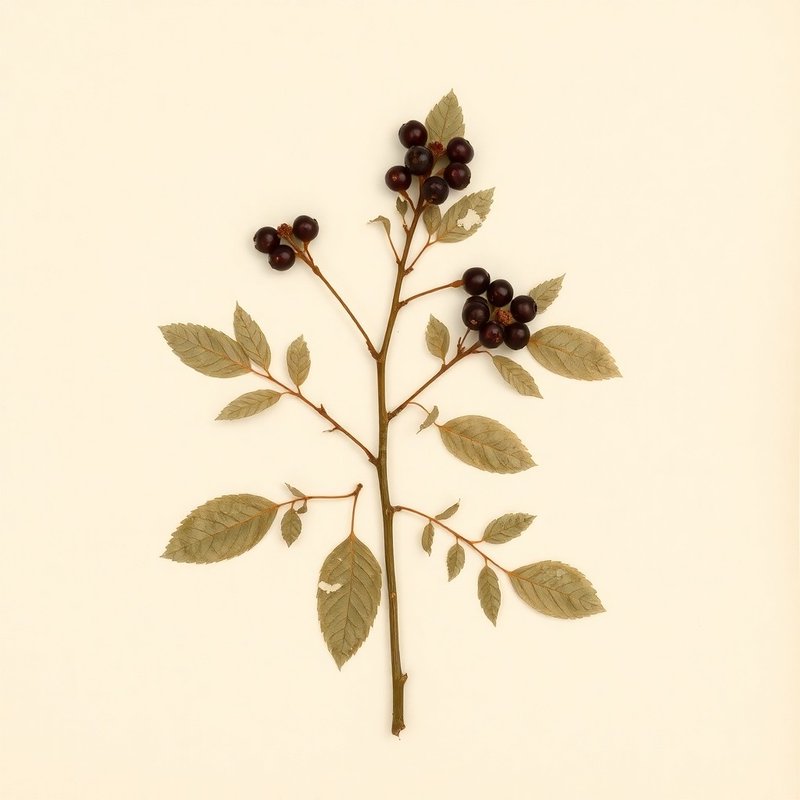
IOverview
Overview
Aronia melanocarpa, commonly known as chokeberry, is a deciduous shrub native to the eastern United States, ranging from Alabama to Wisconsin. This perennial plant thrives in diverse habitats and is known for its edible and medicinal properties. Chokeberry prefers well-drained soils that can be light, medium, or heavy and can tolerate both full sun and partial shade. It is hardy in zones 3 to 8, making it adaptable to a range of climates. The fruits of the chokeberry are the primary edible part, and despite their name, they are not as bitter as one might expect. These fruits can be used in jams, jellies, and other culinary applications, contributing to their value in the kitchen. Medicinally, chokeberry has been traditionally used in North American herbalism to support immune health, thanks to its high anthocyanin content, which contributes to antioxidant and anti-inflammatory properties. The plant's adaptability and nutritional benefits make it a valuable addition to gardens in its native range and beyond. Chokeberry's ability to grow in various soil types and light conditions, along with its hardiness, makes it a versatile choice for gardeners looking to enhance their landscapes with a plant that offers both culinary and medicinal benefits.
What is Chokeberry?
Aronia melanocarpa, commonly known as chokeberry, is a deciduous shrub native to the eastern United States, ranging from Alabama to Wisconsin. This perennial plant thrives in diverse habitats and is known for its edible and medicinal properties.
What is Chokeberry used for?
Traditionally used for immune support. Each claim is evidence-rated — see Section II for full citations.
IIBenefits & evidence
1 claim · traditional-use context
Benefits & evidence
1 claim · traditional-use context- Chokeberry has been traditionally used in North American herbalism to support immune health, with its high anthocyanin content contributing to antioxidant and anti-inflammatory properties.
Anthocyanins found in chokeberries have potent antioxidant effects that help neutralize free radicals and reduce oxidative stress, which may contribute to enhanced immune function. The mechanism is not fully characterised but involves multiple pathways related to inflammation modulation.
▲ ModerateImmune support →
VCultivation
Cultivation
VIEdible & utility
Edible & utility
VIIDistribution
37 native · 0 introduced
Distribution
37 native · 0 introducedIXSpecimen gallery
1 image
Specimen gallery
1 imageXSee also
8 related
See also
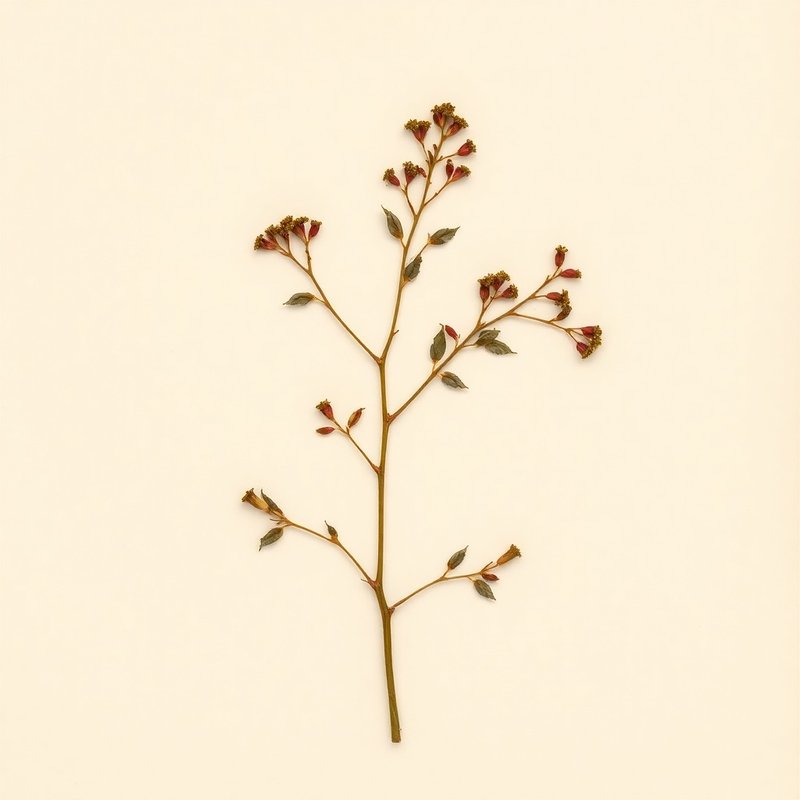
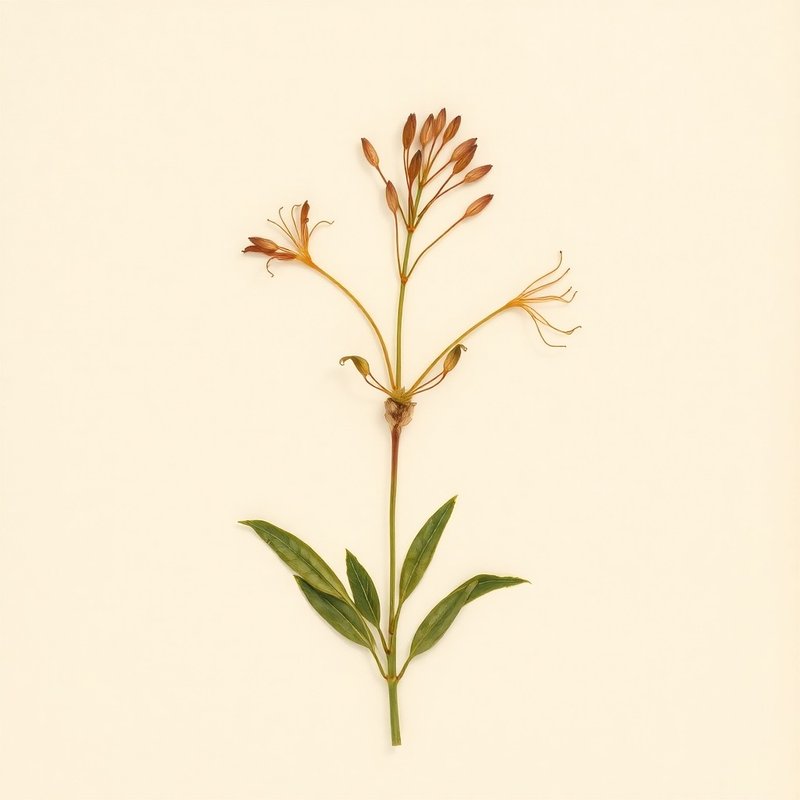
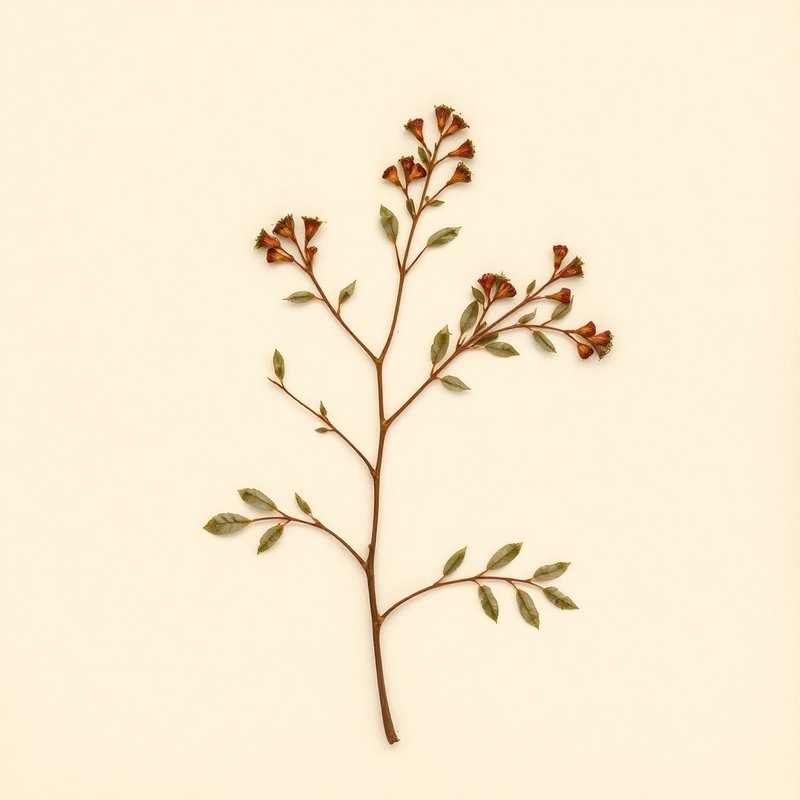
8 relatedPlants you might compare or use together — scored by shared family, common use cases, and growing requirements.


Explore further
About this entry
- Last updated
- Citation
- How to cite this entry · Submit a correction
Continue reading
Get archive updates
Occasional email when substantial new content lands — plant profiles, seasonal growing notes, folk-remedy additions. Free, no tracking, unsubscribe anytime.