
Taraxacum heterolepis
Taraxacum heterolepisfam. Asteraceae
Educational content — not medical, botanical, or professional advice. Always consult a qualified clinician before using any herbal preparation — especially during pregnancy, breastfeeding, while on medication, or for children. How we source & review →
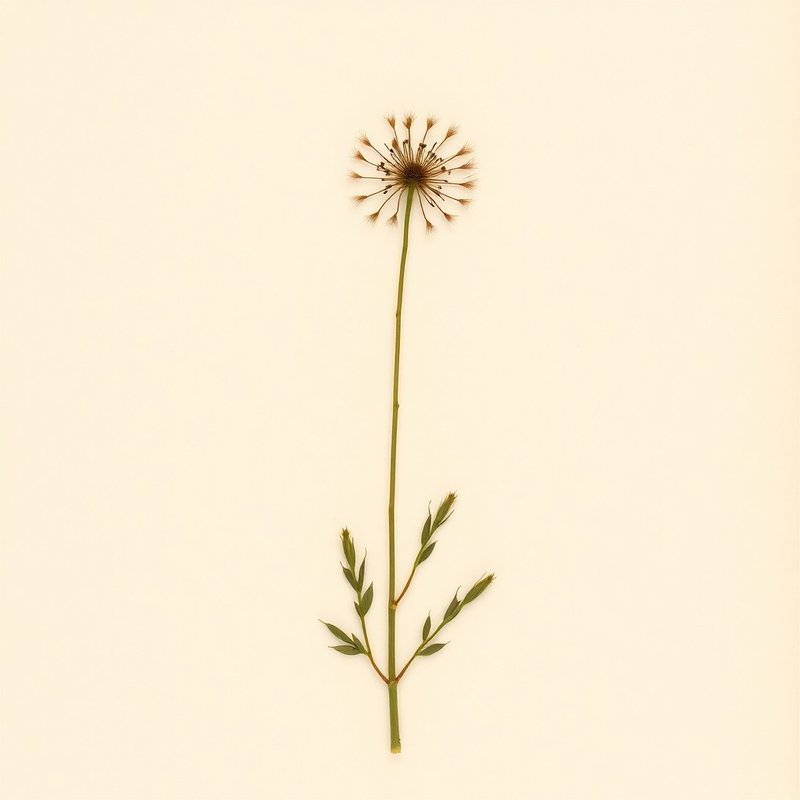
Pl. 4260 — Taraxacum heterolepis
Taraxacum heterolepisTaraxacum heterolepisTaraxacum heterolepisTaraxacum heterolepisTaraxacum heterolepisTaraxacum heterolepisTaraxacum heterolepisTaraxacum heterolepisTaraxacum heterolepisTaraxacum heterolepisTaraxacum heterolepisTaraxacum heterolepisTaraxacum heterolepisTaraxacum heterolepis
IOverview
Overview
Taraxacum heterolepis, a member of the Asteraceae family, is a perennial plant native to regions such as Amur, Inner Mongolia, Khabarovsk, Kuril Islands, Manchuria, Mongolia, and Primorye. This plant thrives in moist conditions with partial sun or shade, making it adaptable to various soil types including light (sandy), medium, and heavy (clay). Known for its edible parts—flowers, leaves, and roots—T. heterolepis has been utilized both as a food source and in traditional medicine across its native range. Its distinctive features include the presence of multiple leaf forms, with some leaves having a distinctively different texture or coloration compared to others on the same plant, contributing to its unique appearance in the wild.
Quick answers
What is Taraxacum heterolepis?
Taraxacum heterolepis, a member of the Asteraceae family, is a perennial plant native to regions such as Amur, Inner Mongolia, Khabarovsk, Kuril Islands, Manchuria, Mongolia, and Primorye.
Growingconditions · propagation · uses
VCultivation
Cultivation
Taraxacum heterolepis thrives in full to partial sun and prefers moist soil that can be light (sandy), medium, or heavy (clay). It is a perennial that grows well in habitats similar to its native range in Amur, Inner Mongolia, Khabarovsk, Kuril Islands, Manchuria, Mongolia, and Primorye. This plant requires consistent moisture but can tolerate various soil types. For cultivation, ensure the soil remains moist and provide ample sunlight or partial shade. Harvest edible parts including flowers, leaves, and roots.
Light
Full sun, Partial sun/shade
Water
Moist
Soil
Light (sandy), Medium, Heavy (clay)
Life cycle
Perennial
For first-time growers
How to grow Taraxacum heterolepis for the first time
8steps
Start with Taraxacum heterolepis as a simple, low-maintenance perennial for your garden.
- 1
What you'll need
A small packet of seeds or young plants, a trowel, and a watering can.
- 2
Best time to plant
Plant in early spring when the soil is workable, or in late summer for fall flowering.
- 3
Soil and container prep
Prepare well-draining soil with a mix of light sand, medium loam, and heavy clay. Ensure containers are at least 12 inches deep.
- 4
Sowing or transplanting
Direct sow seeds ¼ inch deep in rows 18 inches apart. Transplant young plants into the garden after they have grown a few leaves.
- 5
First two weeks
Water regularly to keep soil moist but not waterlogged. Monitor for pests and diseases, treating if necessary.
- 6
Ongoing care
Provide full sun or partial shade, depending on the light conditions in your area. Water when the top inch of soil dries out.
- 7
Harvest or pruning
Prune dead leaves and spent flowers to encourage new growth and a tidy appearance.
- 8
Common mistakes
Overwatering, planting in heavy shade, neglecting to prune, and not providing enough sunlight.
VIEdible & utility
Edible & utility
Edible parts:FlowersLeavesRoot
Edible uses: Coffee, Tea
Contextrange · companions · related
VIIDistribution
7 native · 1 introduced
Distribution
7 native · 1 introducedDistribution across1 continent· 7 native· 1 introduced
Asia2 regions
native (2)ChinaMongolia
Broader regions
native:Amur, Khabarovsk, Kuril Is., Primorye
introduced:Sakhalin
VIIIGarden companions
1 pair
Garden companions
1 pairPlant near these
These plants help — by repelling pests, fixing nitrogen, attracting pollinators, or sharing space well.
IXSpecimen gallery
1 image
Specimen gallery
1 imageXSee also
8 related
See also
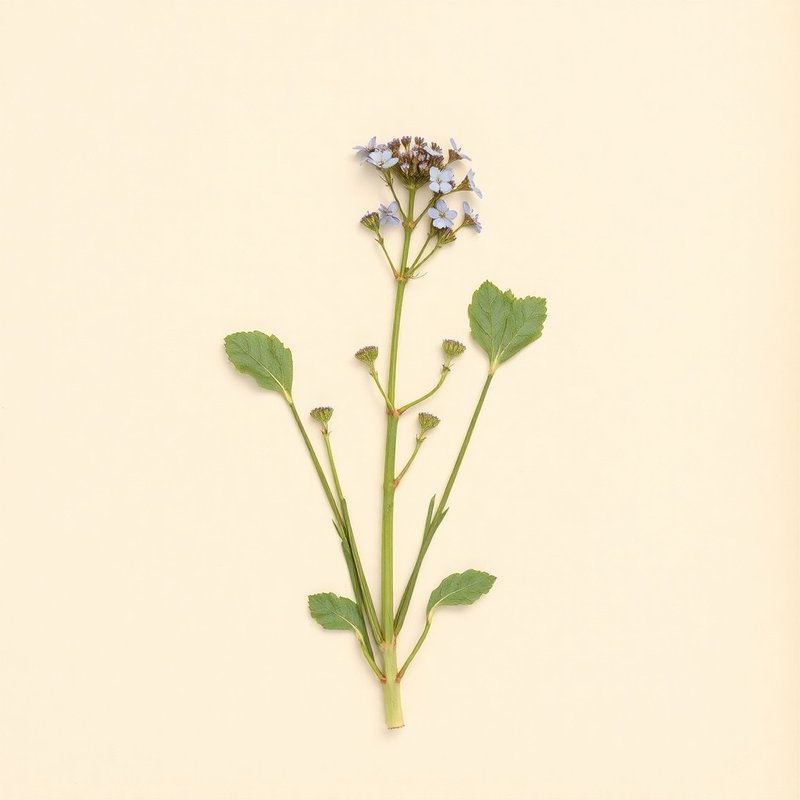
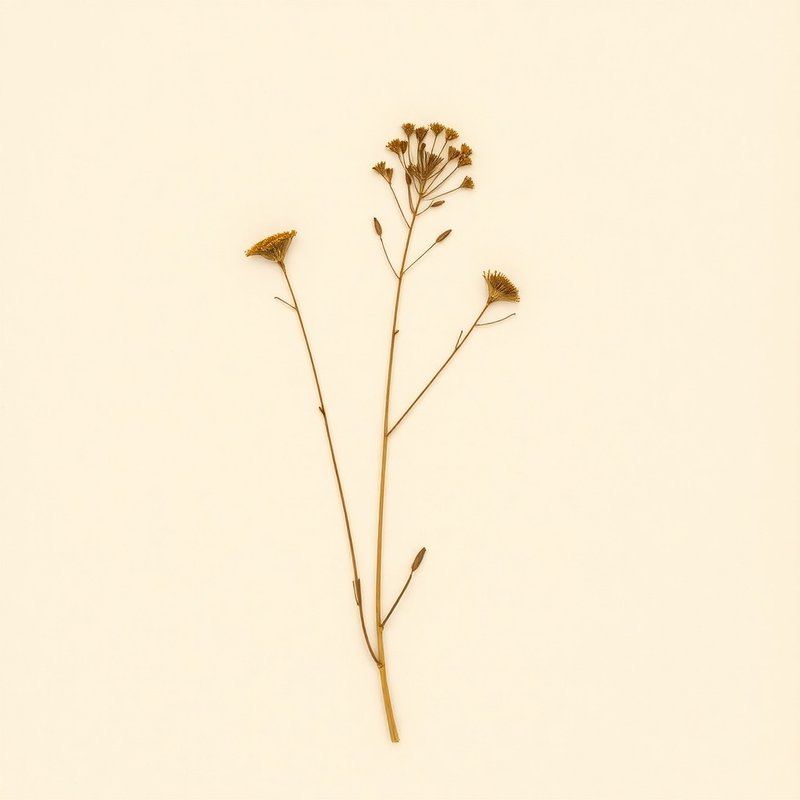
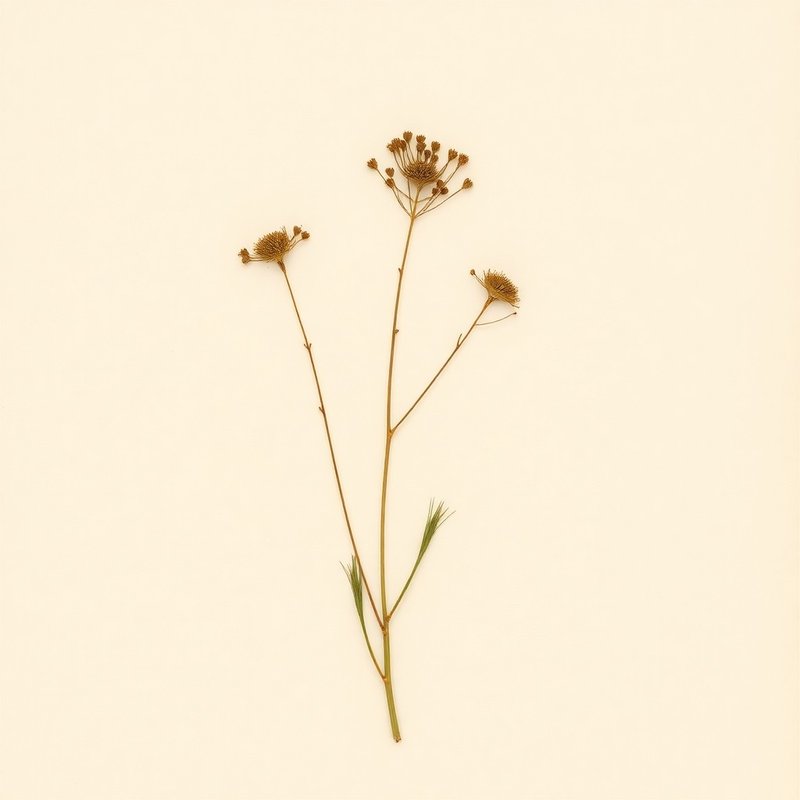
8 relatedPlants you might compare or use together — scored by shared family (Asteraceae), common use cases, and growing requirements.
same family · Asteraceae
Botanical relatives — often share phytochemistry + growing needs.

XI
Explore further
Companion planting
Compare with similar plants
XII
About this entry
- Last updated
- Citation
- How to cite this entry · Submit a correction
Back to the cataloguePlant id · 4260952d-acfc-45a7-9c56-2b7ac91e9225
Decision aid
Choosing between Taraxacum heterolepis and something else?
Continue reading
❦❦❦❦
Endpaper · archive updates
Get archive updates
Occasional email when substantial new content lands — plant profiles, seasonal growing notes, folk-remedy additions. Free, no tracking, unsubscribe anytime.