
Oats
IOverview
Overview
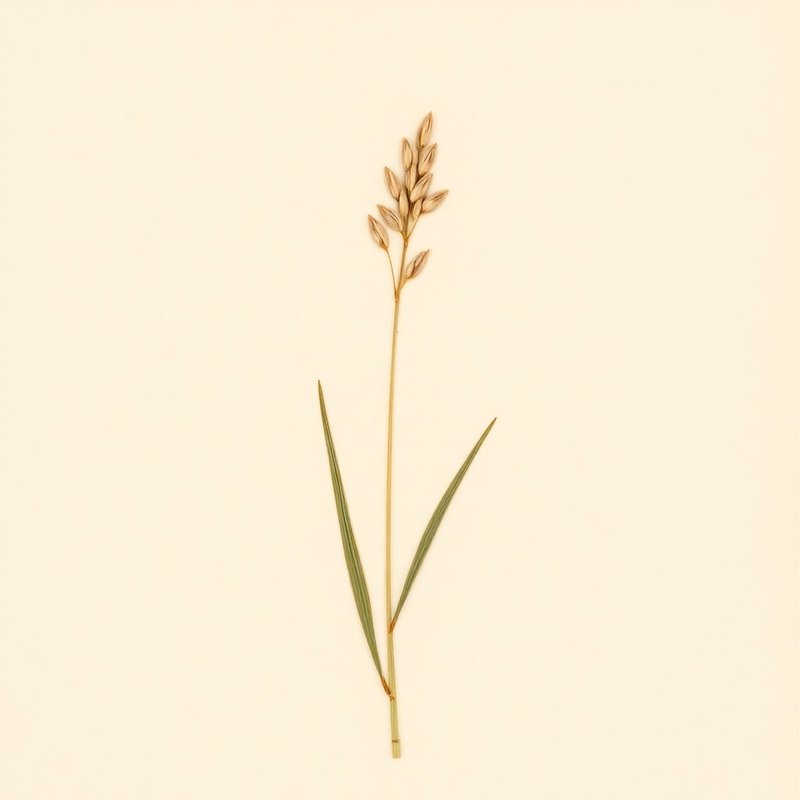
Oats (Avena ludoviciana) belong to the Poaceae family and are native to regions spanning from the Mediterranean to Central Asia, including countries such as Afghanistan, Albania, Algeria, Bulgaria, and others. These plants thrive in a variety of soil types—light, medium, or heavy clay—and prefer slightly alkaline conditions with a pH between 7.5 and 8. Oats are annual graminoids that can grow in both dry and moist environments, making them adaptable to various growing conditions. The edible seeds of oats have been cultivated for centuries across their native range, which includes the Canary Islands, Corsica, and parts of Spain. These plants are known to produce seeds suitable for consumption, often used as a substitute for coffee or ground into flour. Oats can be found in regions such as Argentina, Austria, Belgium, China, Czechoslovakia, Ethiopia, Germany, Great Britain, Hungary, Japan, New Zealand, Romania, and South Australia. Oats are hardy annuals that grow best in areas with cool summers and mild winters, requiring full sun to partial shade. They can tolerate a range of soil types, from sandy to clay-rich soils, enhancing their adaptability as a crop. For cultivation, plant oats in well-draining soil and water regularly to maintain moisture levels without overwatering. The seeds are the primary edible part harvested for consumption. While not traditionally used medicinally, oats have multiple practical uses including fiber, mulch, and textiles. Their ability to grow in diverse environments makes them a valuable crop in agricultural settings.
What is Oats?
Oats (Avena ludoviciana) belong to the Poaceae family and are native to regions spanning from the Mediterranean to Central Asia, including countries such as Afghanistan, Albania, Algeria, Bulgaria, and others.
VCultivation
Cultivation
How to grow Oats for the first time
Start with simple soil and basic care for a successful first attempt at growing oats.
- 1
What you'll need
Seeds, a container or garden plot, water, and a trowel.
- 2
Best time to plant
Plant in early spring when the soil is workable.
- 3
Soil and container prep
Choose a location with well-draining soil; amend if necessary. Ensure containers have drainage holes.
- 4
Sowing or transplanting
Sow seeds 0.5 inches deep, spacing them about 6-8 inches apart in rows 12-18 inches apart.
- 5
First two weeks
Keep the soil consistently moist; water regularly but avoid overwatering.
- 6
Ongoing care
Fertilize lightly with compost or a balanced fertilizer once during growth. Monitor for pests and diseases.
- 7
Harvest or pruning
Cut down the plants when the seed heads are dry, usually after 60-90 days from sowing. Prune any dead leaves to keep the plant healthy.
- 8
Common mistakes
Overwatering, planting too deep, neglecting to fertilize, and not harvesting at the right time.
VIEdible & utility
Edible & utility
VIIDistribution
89 native · 127 introduced
Distribution
89 native · 127 introducedIXSpecimen gallery
1 image
Specimen gallery
1 imageXSee also
8 related
See also
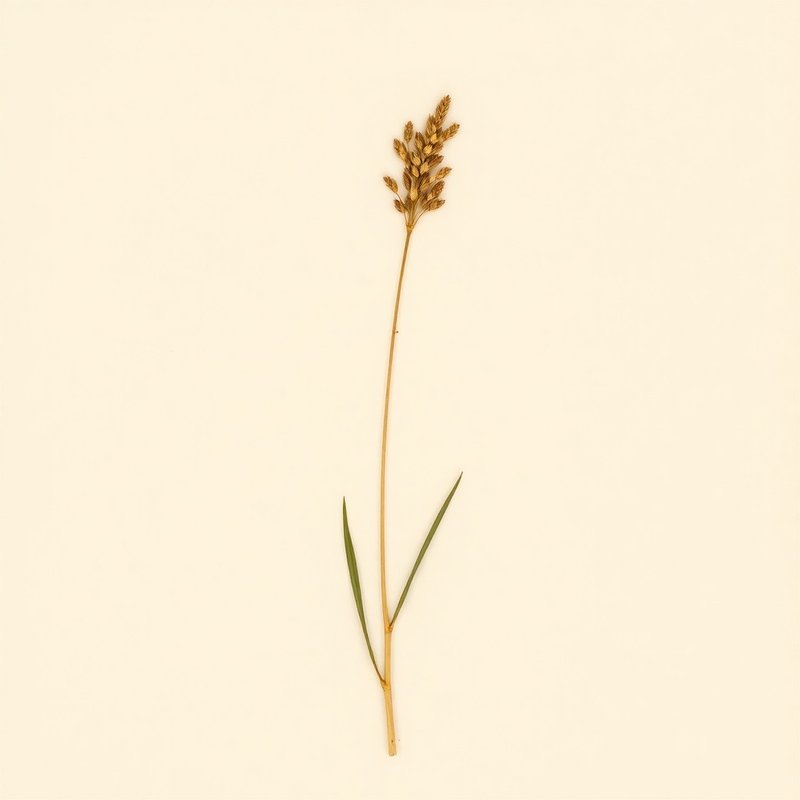
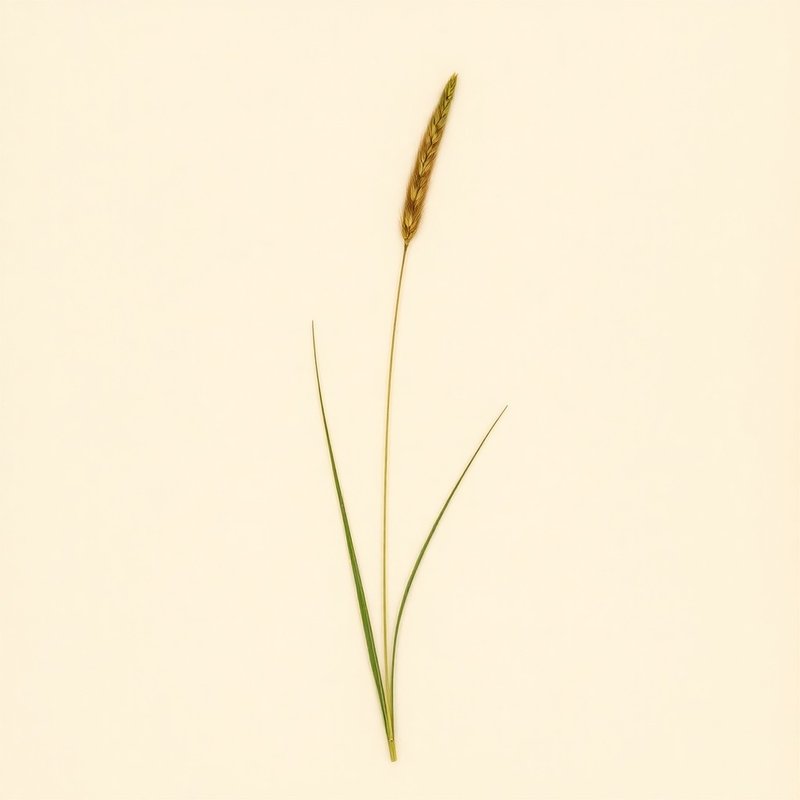
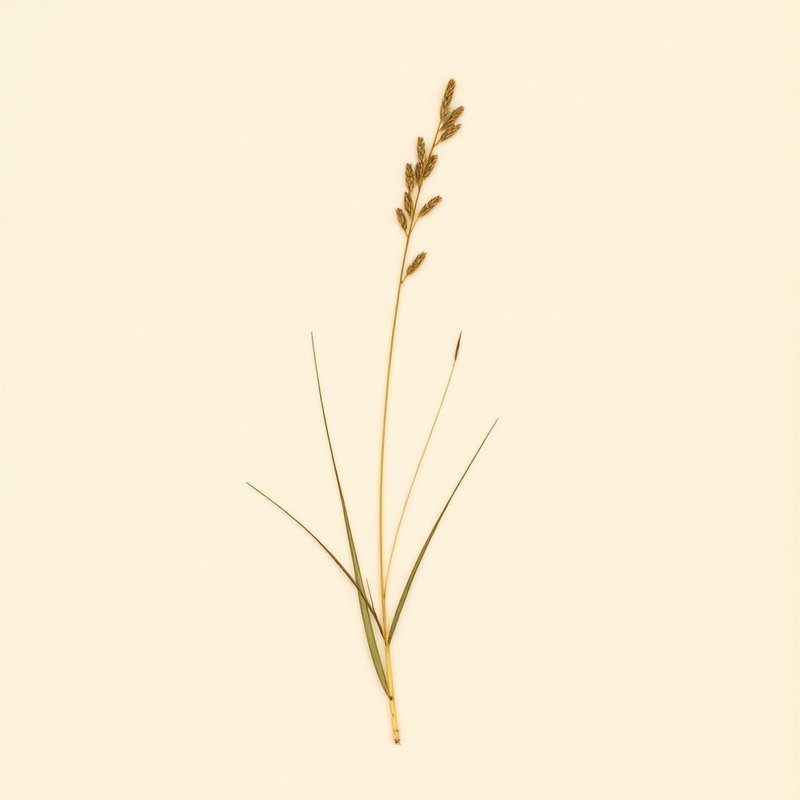
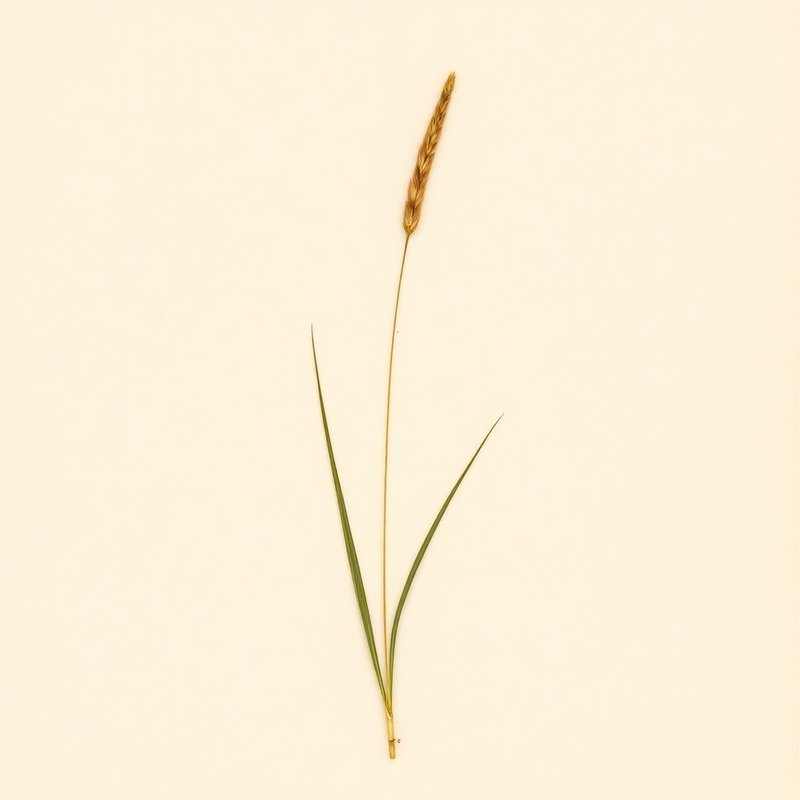
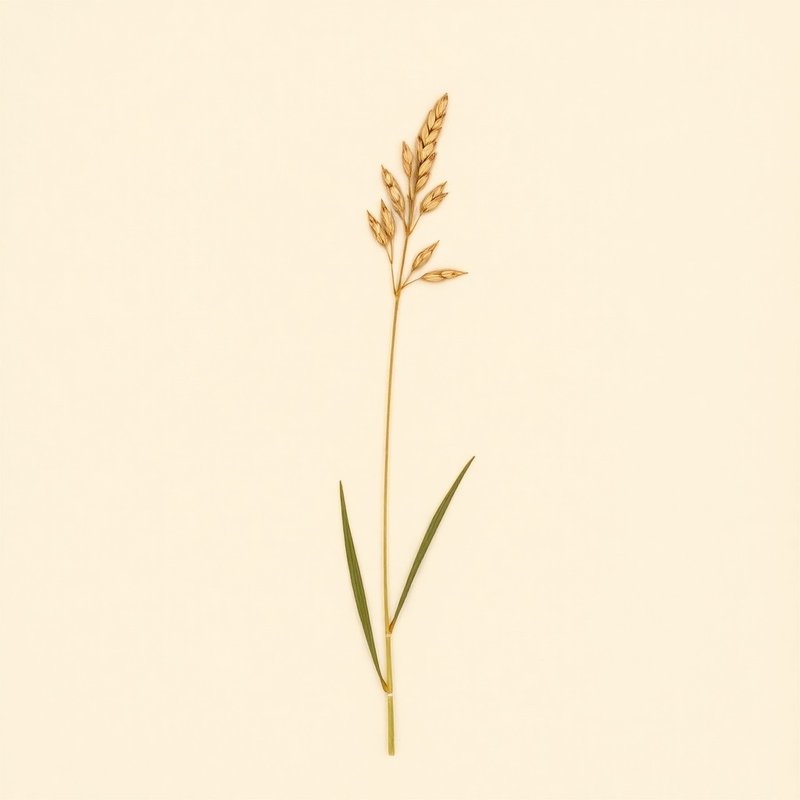
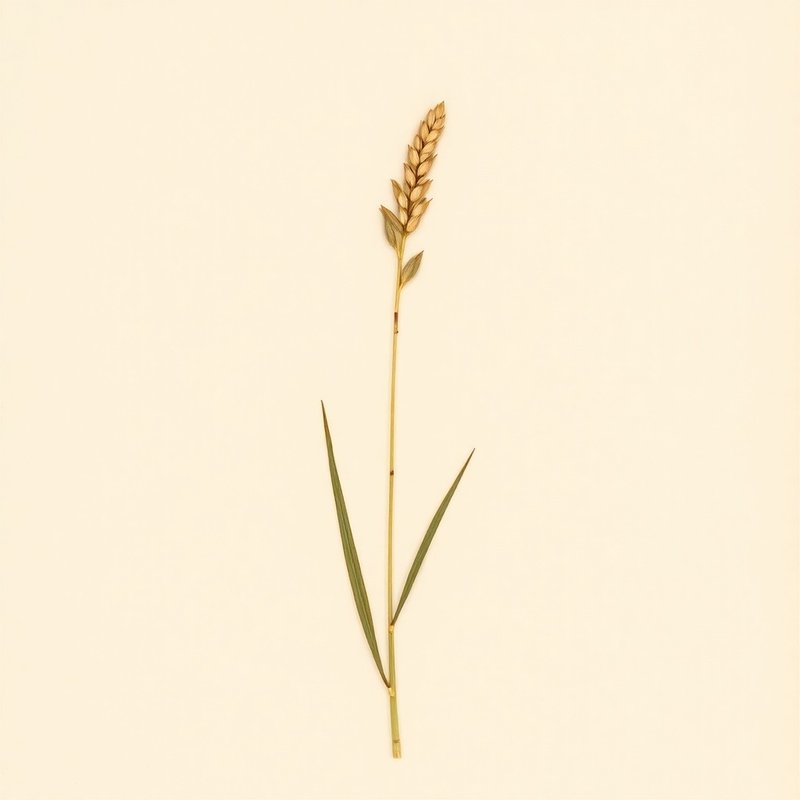
8 relatedPlants you might compare or use together — scored by shared family (Poaceae), common use cases, and growing requirements.


Explore further
About this entry
- Last updated
- Citation
- How to cite this entry · Submit a correction
Continue reading
Get archive updates
Occasional email when substantial new content lands — plant profiles, seasonal growing notes, folk-remedy additions. Free, no tracking, unsubscribe anytime.