
Green Bristle Grass
IOverview
Overview
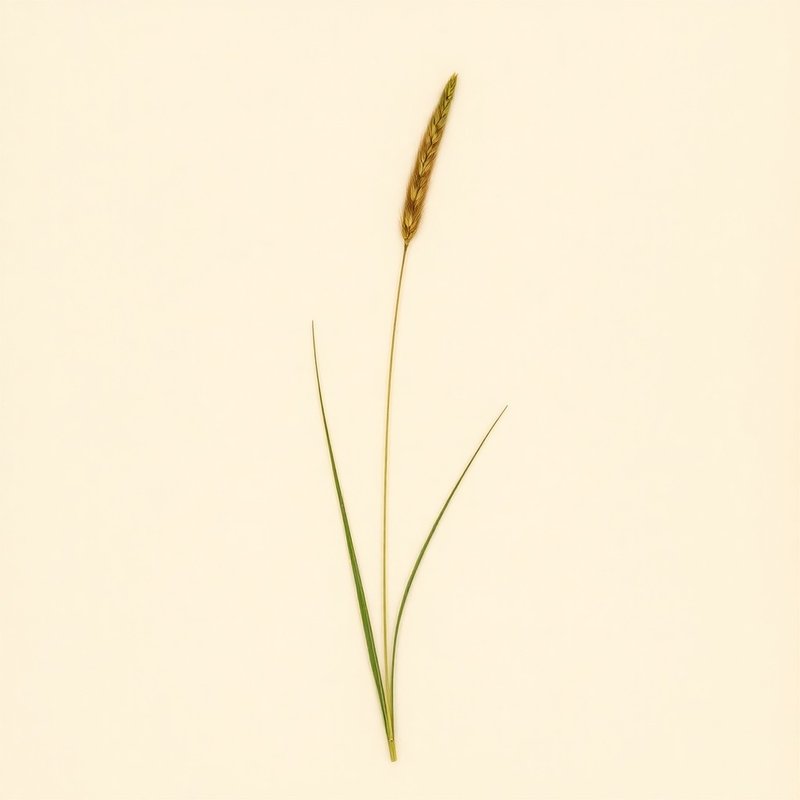
Green Bristle Grass (Setaria viridis) is a hardy annual grass native to a wide range of regions including Afghanistan, Albania, Algeria, and extending to Vietnam and Turkey. This versatile plant thrives in various soil types, including light, medium, and heavy soils, with a pH level of 5 to 5.5, making it adaptable to diverse growing conditions. Its native range spans across parts of Asia, Europe, and Africa, where it can be found in diverse habitats. Typically reaching a height of about 0.5 meters, Green Bristle Grass is known for its edible seeds, which can be used as a coffee substitute. It prefers environments that are either dry or moist and can grow in partial shade or full sun. This grass is hardy in temperate regions, with a hardiness zone of 5 to 9. For cultivation, it can be sown directly into the garden bed or started indoors, with well-draining soil to prevent waterlogging, especially in heavy clay conditions. While it is a valuable plant for its edible seeds, Green Bristle Grass is also considered a weed in some areas due to its invasive potential.
What is Green Bristle Grass?
Green Bristle Grass (Setaria viridis) is a hardy annual grass native to a wide range of regions including Afghanistan, Albania, Algeria, and extending to Vietnam and Turkey. This versatile plant thrives in various soil types, including light, medium, and heavy soils, with a pH level of 5 to 5.
VCultivation
Cultivation
How to grow Green Bristle Grass for the first time
Green Bristle Grass is a simple annual grass for beginners, perfect for learning basic gardening techniques.
- 1
What you'll need
Seeds of Green Bristle Grass and containers or garden space with well-draining soil.
- 2
Best time to plant
Plant in spring after the last frost, when temperatures are mild.
- 3
Soil and container prep
Prepare a sunny spot with light (sandy), medium, or heavy (clay) soil that is slightly acidic (pH 5-5.5).
- 4
Sowing or transplanting
Direct sow seeds 0.5 meters apart in rows or plant them in containers filled with well-draining potting mix.
- 5
First two weeks
Water regularly to keep the soil moist but not waterlogged, and ensure plenty of sunlight.
- 6
Ongoing care
Continue regular watering as needed, especially during dry spells. Monitor for pests and weeds.
- 7
Harvest or pruning
Prune dead leaves to maintain the plant's health and appearance throughout the growing season.
- 8
Common mistakes
Overwatering, planting in heavy clay soil without drainage, neglecting regular weeding, not providing enough sunlight.
VIEdible & utility
Edible & utility
VIIDistribution
102 native · 95 introduced
Distribution
102 native · 95 introducedIXSpecimen gallery
1 image
Specimen gallery
1 imageXSee also
8 related
See also
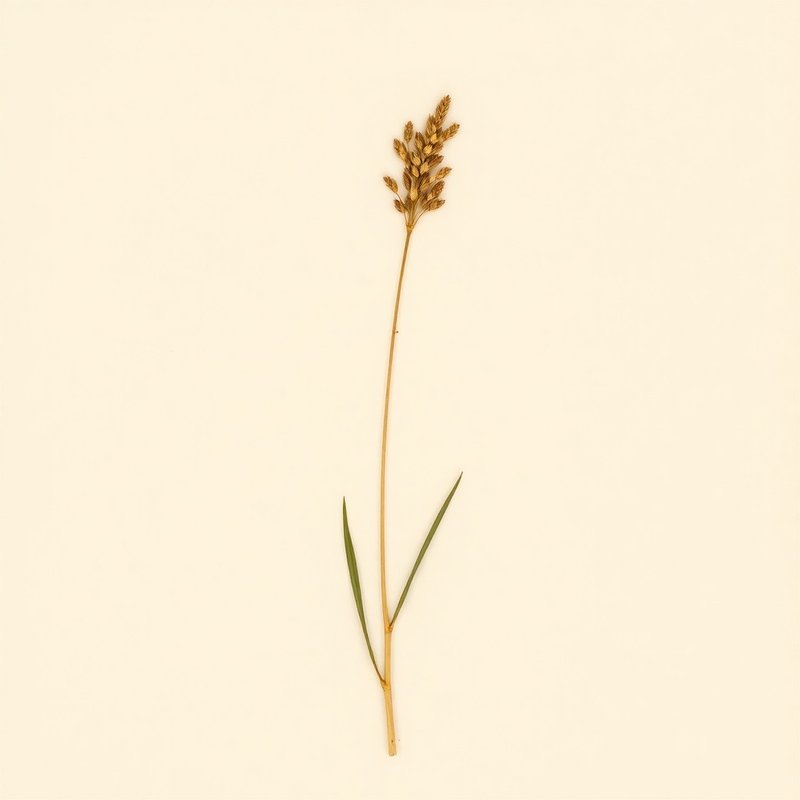
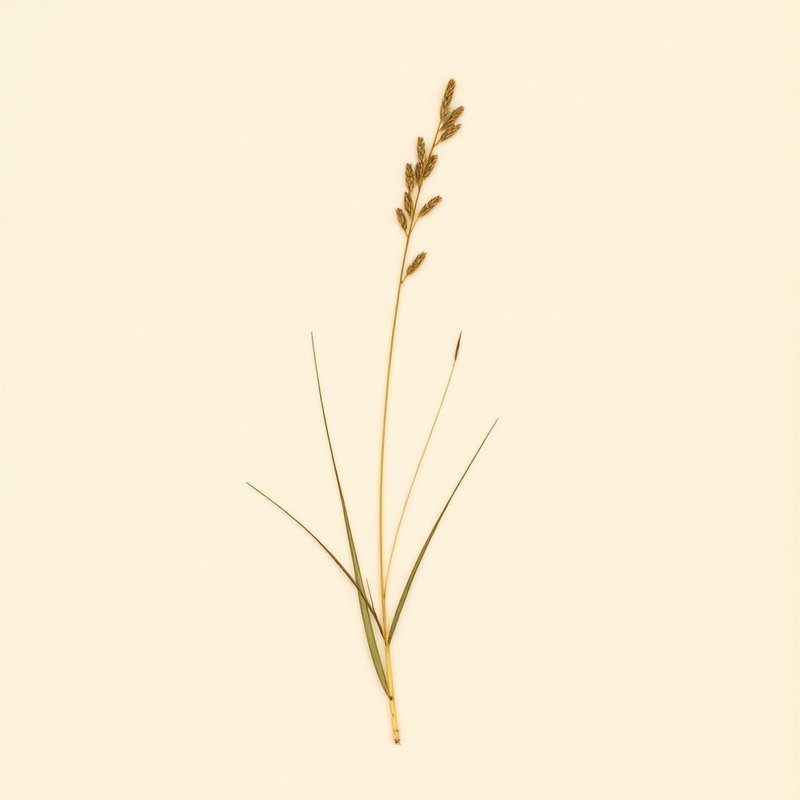
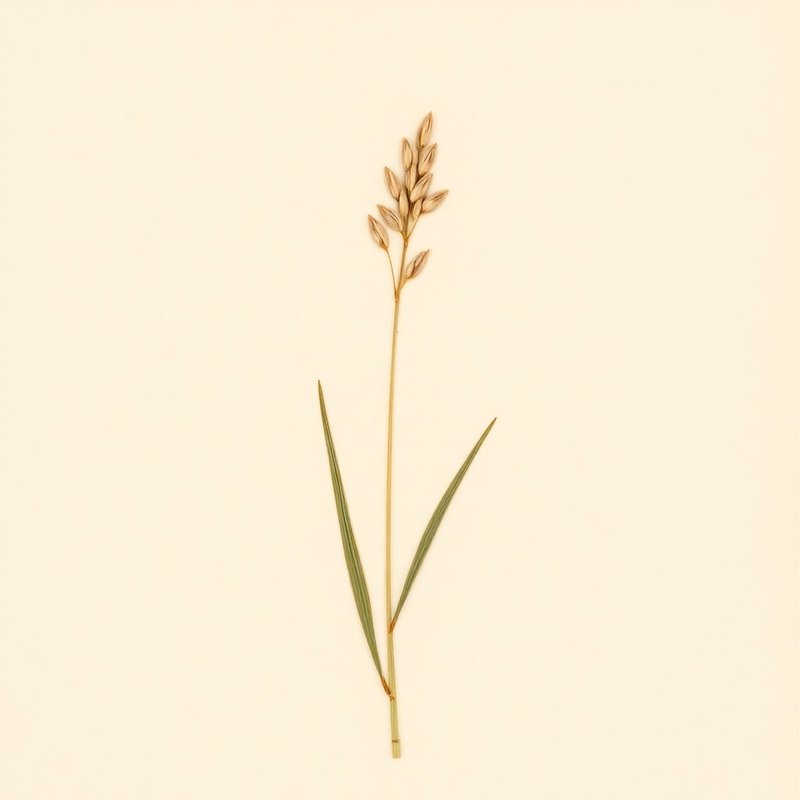
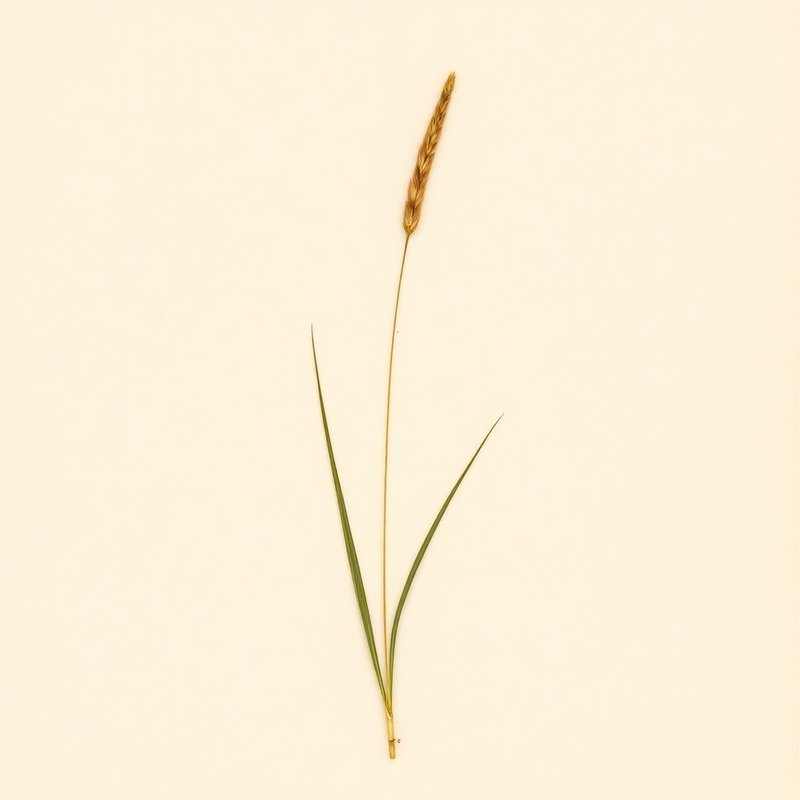
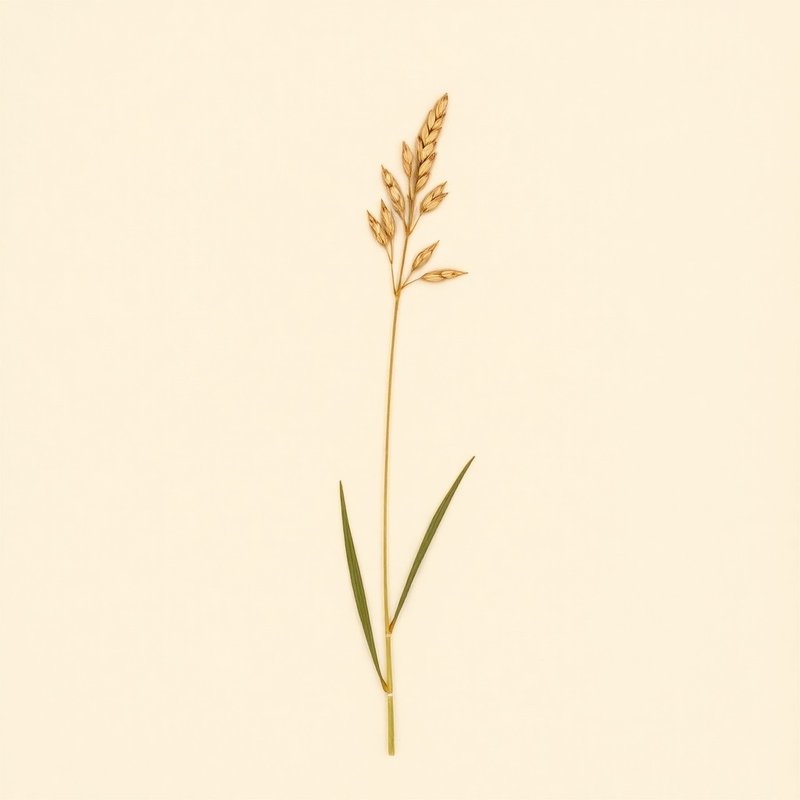
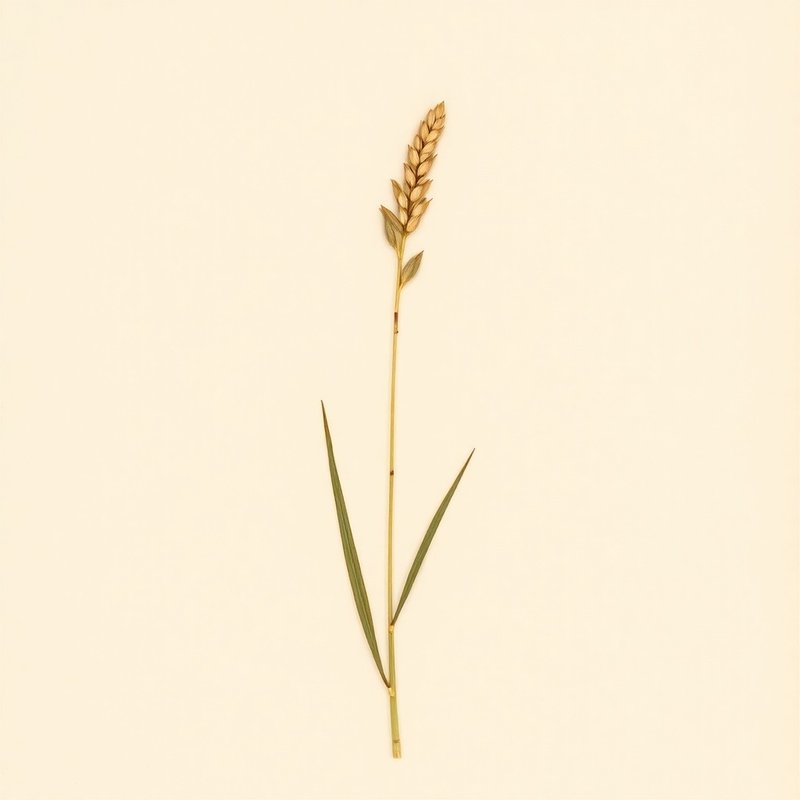
8 relatedPlants you might compare or use together — scored by shared family (Poaceae), common use cases, and growing requirements.


Explore further
About this entry
- Last updated
- Citation
- How to cite this entry · Submit a correction
Continue reading
Get archive updates
Occasional email when substantial new content lands — plant profiles, seasonal growing notes, folk-remedy additions. Free, no tracking, unsubscribe anytime.