
Lyme Grass
Leymus arenariusfam. Poaceae
Educational content — not medical, botanical, or professional advice. Plant identification, safety, and edibility depend on local conditions, cultivars, and correct identification. Consult a qualified botanist or forager before consuming or handling wild specimens. How we source & review →
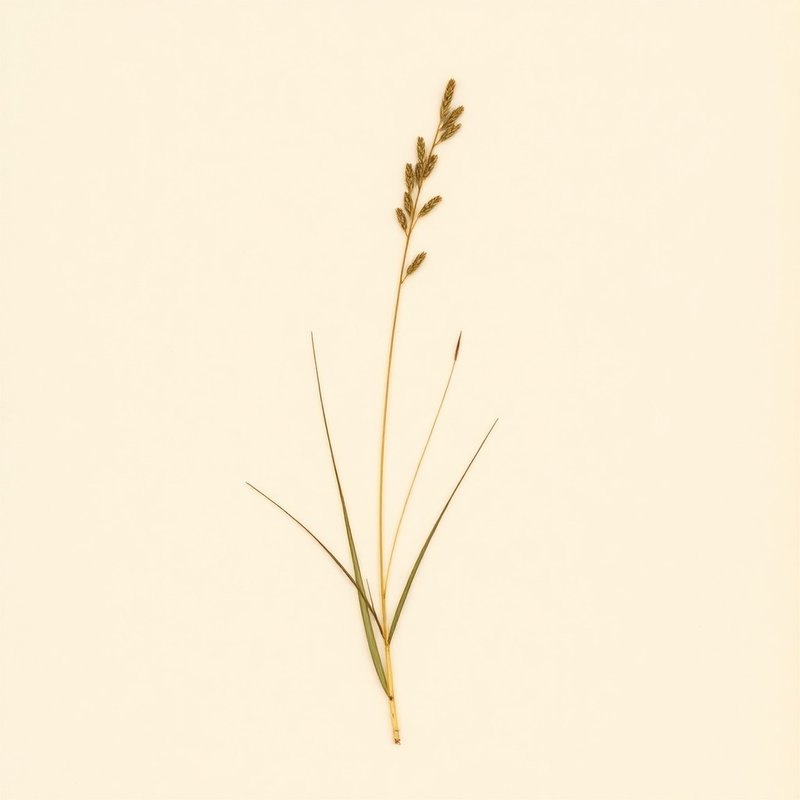
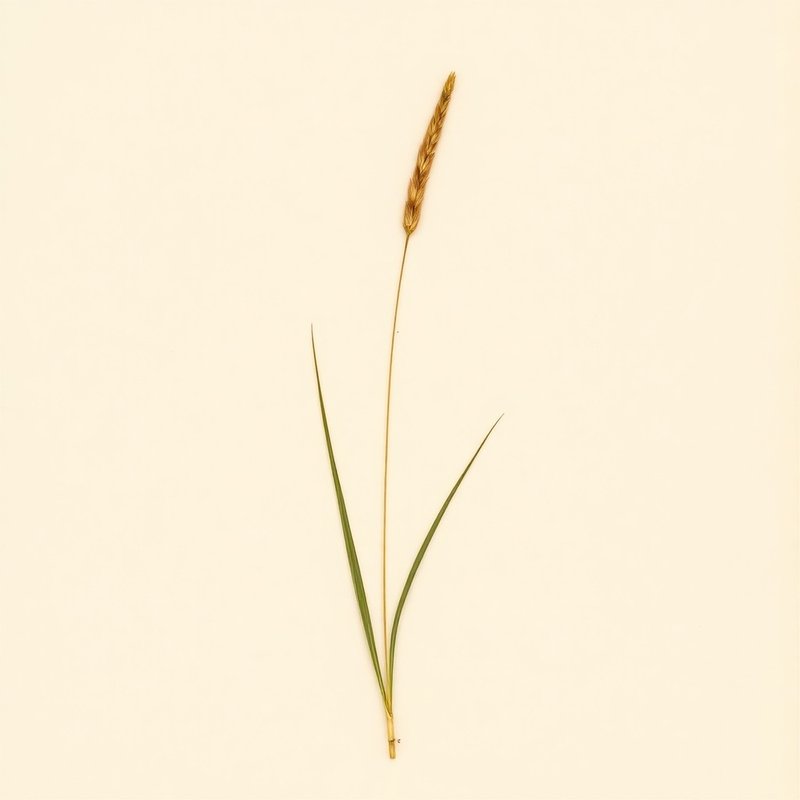
Pl. AA3A — Leymus arenarius
Leymus arenariusLeymus arenariusLeymus arenariusLeymus arenariusLeymus arenariusLeymus arenariusLeymus arenariusLeymus arenariusLeymus arenariusLeymus arenariusLeymus arenariusLeymus arenariusLeymus arenariusLeymus arenarius
IOverview
Overview
Lyme Grass (Leymus arenarius) belongs to the Poaceae family and is a perennial grass known for its adaptability across various European climates. Native to regions including Belarus, Belgium, Denmark, Finland, France, Germany, and other parts of Europe, this plant thrives in light, medium, and heavy soils with a pH range of 5.7–6.5, making it resilient in diverse environments. Its edible seeds are a notable feature, adding nutritional value to foraging practices. Standing at about 1.2 meters tall, Lyme Grass is an ornamental addition to landscapes while also serving as a valuable food source.
Quick answers
What is Lyme Grass?
Lyme Grass (Leymus arenarius) belongs to the Poaceae family and is a perennial grass known for its adaptability across various European climates.
Growingconditions · propagation · uses
VCultivation
Cultivation
Lyme Grass thrives in light to medium and heavy soils with a pH between 5.7 and 6.5, making it adaptable to various conditions. It prefers dry to moist environments and can grow up to 1.2 meters tall. Hardy from zones 5-9, this perennial is suitable for temperate regions. For cultivation, ensure the grass receives adequate light but avoid overwatering; it is best suited in well-drained soil. Propagate through seed or division. Harvest the edible parts by collecting seeds when ripe.
Light
8/10
Water
Dry, Moist
Soil
Light (sandy), Medium, Heavy (clay)
Hardiness
5-9
Life cycle
Perennial
Habit
Graminoid
Mature size
1.2 m tall
Soil pH
5.7–6.5
For first-time growers
How to grow Lyme Grass for the first time
8steps
Starting with Lyme Grass is a straightforward task for beginners, focusing on basic soil preparation and care.
- 1
What you'll need
Leymus arenarius seeds or young plants, a garden fork, a rake.
- 2
Best time to plant
Plant in spring after the last frost or fall before the first freeze.
- 3
Soil and container prep
Prepare soil by loosening it with a garden fork to about 30 cm deep. Ensure drainage is good, as Leymus prefers well-drained conditions.
- 4
Sowing or transplanting
Direct sow seeds in the ground at a depth of 1-2 cm, spacing them 30-45 cm apart. Alternatively, plant young plants directly into the soil.
- 5
First two weeks
Keep the area moist but not waterlogged during germination. Water once or twice per week if there is no rain.
- 6
Ongoing care
Water Leymus sparingly, especially in wetter months. Fertilize lightly with compost every spring to promote healthy growth.
- 7
Harvest or pruning
Prune dead foliage in early spring to encourage new growth and maintain the plant's appearance.
- 8
Common mistakes
Overwatering, planting too close together, not providing enough drainage, neglecting to prune old growth.
VIEdible & utility
Edible & utility
Edible parts:Seed
Edible uses: The seed of Lyme Grass is edible and can be harvested for consumption. Typically, the seeds are dried before being ground into a flour or used in various culinary applications. They can also be eaten raw but are more commonly prepared by grinding to incorporate into breads, pastries, or other grain-based dishes.
Other uses:FiberErosion controlWeaving materialGround cover
Contextrange · companions · related
VIIDistribution
20 native · 10 introduced
Distribution
20 native · 10 introducedDistribution across2 continents· 20 native· 10 introduced
Europe17 regions
native (17)BelarusBelgiumDenmarkFinlandFranceGermanyGreeceIcelandIrelandNetherlandsNorwayPolandRussiaSpainSwedenUkraineUnited Kingdom
Americas1 region
introduced (1)Greenland
Broader regions
native:Føroyar
introduced:Czechoslovakia, Baltic States, Chatham Is., Chile South, Connecticut, Falkland Is., Illinois, Indiana, Michigan
IXSpecimen gallery
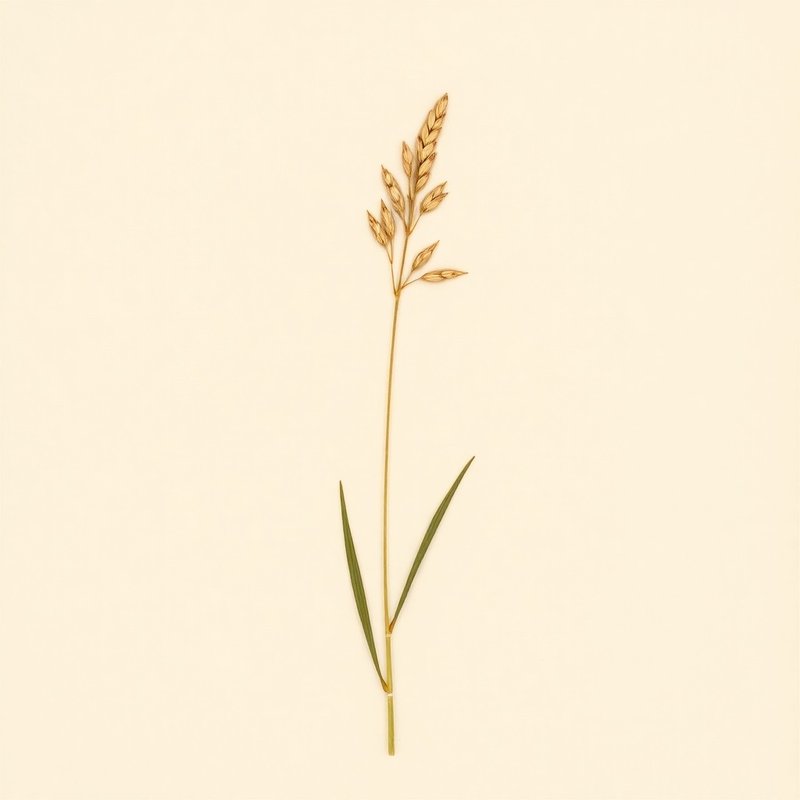
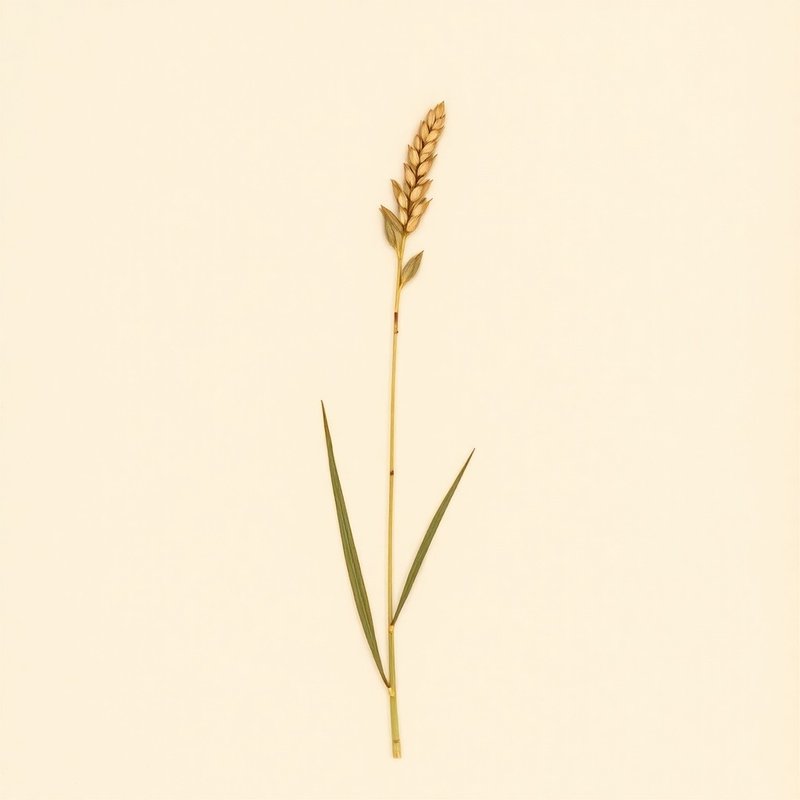
1 image
Specimen gallery
1 imageXSee also
8 related
See also
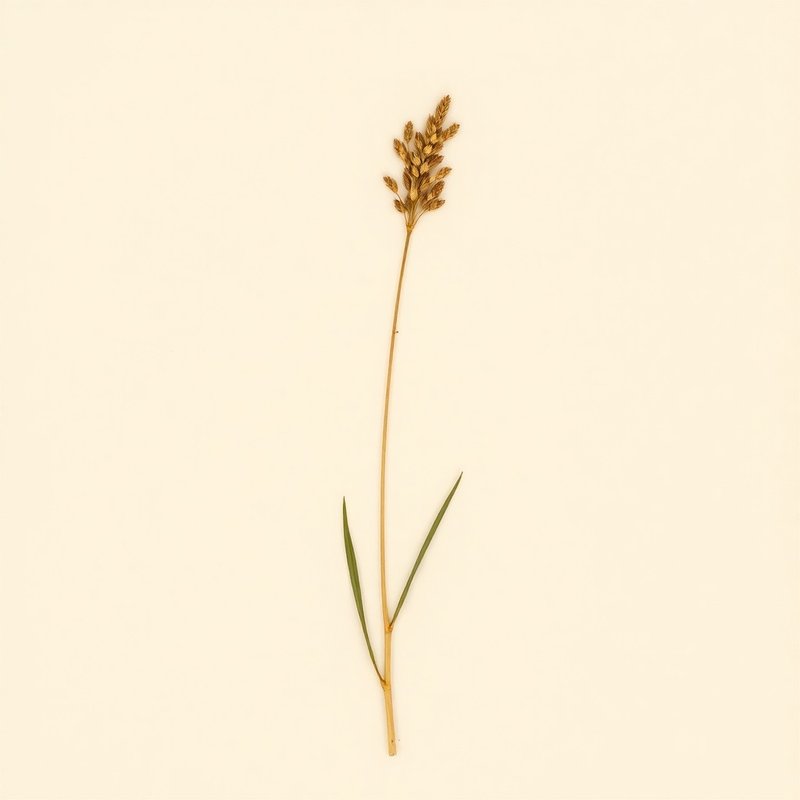
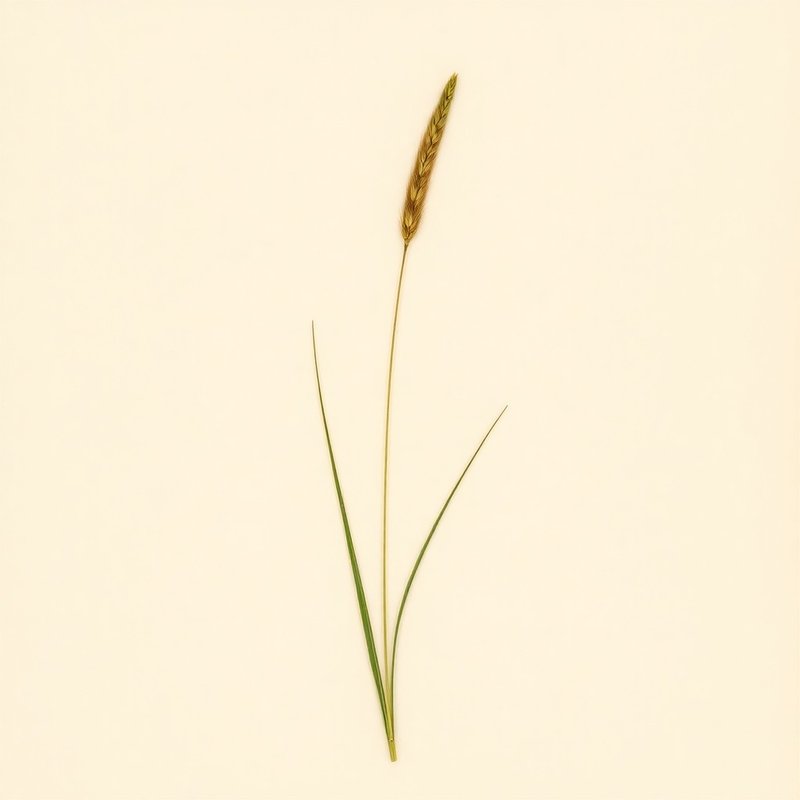
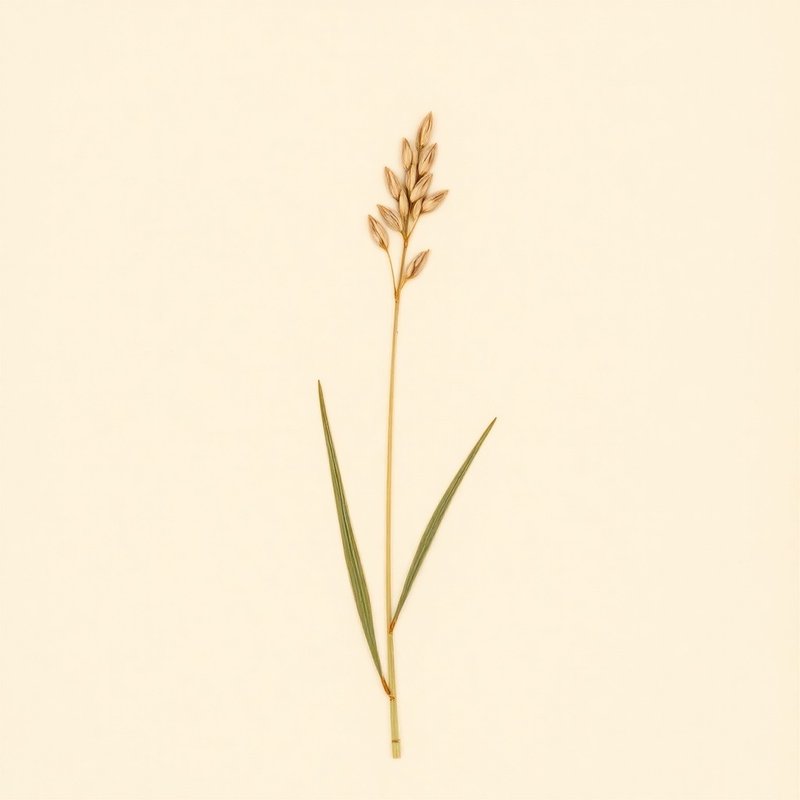
8 relatedPlants you might compare or use together — scored by shared family (Poaceae), common use cases, and growing requirements.
same family · Poaceae
Botanical relatives — often share phytochemistry + growing needs.


XI
Explore further
Companion planting
Compare with similar plants
Growing zone
XII
About this entry
- Last updated
- Citation
- How to cite this entry · Submit a correction
Back to the cataloguePlant id · aa3a4357-e5ab-4797-9b9c-460ab8d2564a
Decision aid
Choosing between Lyme Grass and something else?
Continue reading
❦❦❦❦
Endpaper · archive updates
Get archive updates
Occasional email when substantial new content lands — plant profiles, seasonal growing notes, folk-remedy additions. Free, no tracking, unsubscribe anytime.