
Mouse Barley
Hordeum murinumfam. Poaceae
Educational content — not medical, botanical, or professional advice. Plant identification, safety, and edibility depend on local conditions, cultivars, and correct identification. Consult a qualified botanist or forager before consuming or handling wild specimens. How we source & review →

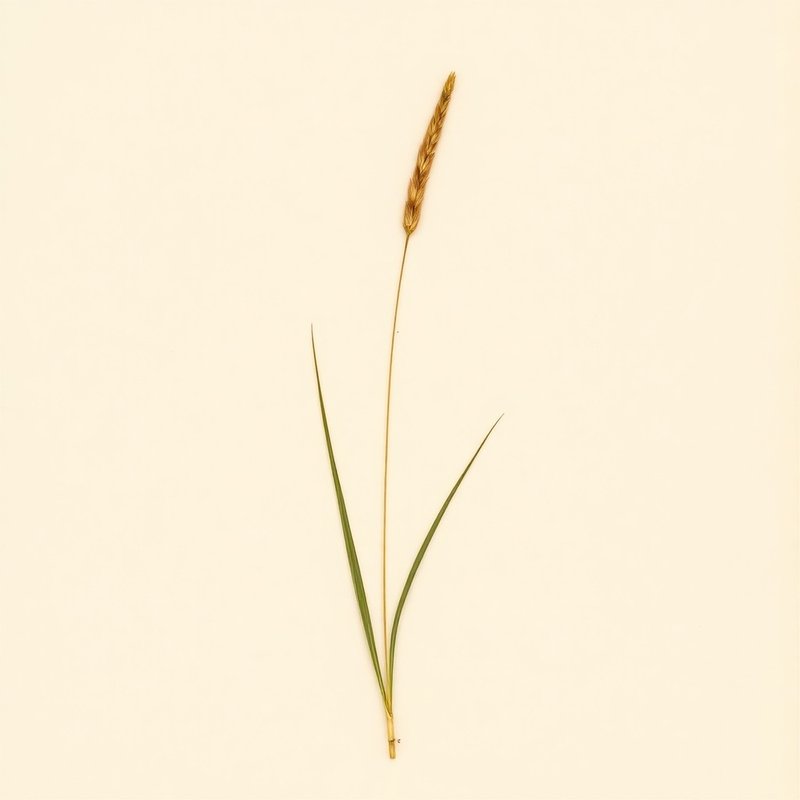
Pl. 2F5B — Hordeum murinum
Hordeum murinumHordeum murinumHordeum murinumHordeum murinumHordeum murinumHordeum murinumHordeum murinumHordeum murinumHordeum murinumHordeum murinumHordeum murinumHordeum murinumHordeum murinumHordeum murinum
IOverview
Overview
Mouse Barley, scientifically known as Hordeum murinum, is an annual grass native to a wide range of countries including Afghanistan, Albania, Algeria, and Austria. This plant thrives in various soil types—light (sandy), medium, and heavy (clay)—and prefers a pH between 7.5 and 8. It is known for its edible parts, specifically the seed, which can be consumed directly or used as feed. Mouse Barley is found across Europe, Asia, and North Africa, from Spain to Turkey and beyond. One distinctive feature of this plant is its light energy requirement, making it adaptable to different environmental conditions. Its presence in diverse habitats highlights its resilience and widespread distribution.
Quick answers
What is Mouse Barley?
Mouse Barley, scientifically known as Hordeum murinum, is an annual grass native to a wide range of countries including Afghanistan, Albania, Algeria, and Austria. This plant thrives in various soil types—light (sandy), medium, and heavy (clay)—and prefers a pH between 7.
Growingconditions · propagation · uses
VCultivation
Cultivation
Mouse Barley thrives in light to medium soil with a pH of 7.5-8 and prefers dry to moist conditions. It is an annual graminoid that grows up to 0.5 meters tall. This plant requires moderate sunlight and can be propagated by seed. Given its native range across Europe, Asia, and North Africa, it is generally hardy in temperate regions. Ensure the soil is well-draining but not overly sandy or clayey for best results. Regular watering during dry periods will help maintain optimal growth.
Light
8/10
Water
Dry, Moist
Soil
Light (sandy), Medium, Heavy (clay)
Life cycle
Annual
Habit
Graminoid
Mature size
0.5 m tall
Soil pH
7.5–8
Seasonal calendar
Northern hemisphere · UTC month is September
winterspringsummerautumnwinter
BloomJFMAMJJASOND
For first-time growers
How to grow Mouse Barley for the first time
8steps
Mouse Barley is a simple annual grass to grow, perfect for beginners.
- 1
What you'll need
Seeds of Mouse Barley and a small garden trowel.
- 2
Best time to plant
Plant in spring after the last frost or in autumn before the first freeze.
- 3
Soil and container prep
Choose a location with well-draining soil, pH 7.5–8. Lightly till the soil if planting directly in the ground.
- 4
Sowing or transplanting
Sow seeds 0.5 cm deep and about 10 cm apart. Water gently after sowing.
- 5
First two weeks
Keep the soil moist but not waterlogged during germination, which takes around 7-14 days.
- 6
Ongoing care
Water regularly to keep the soil consistently moist and mulch lightly if needed. Remove weeds carefully.
- 7
Harvest or pruning
Prune any dead or yellowing leaves to maintain plant health, but wait for seeds to mature before harvesting them.
- 8
Common mistakes
Overwatering, planting in heavy clay soil, and neglecting to remove weeds are common pitfalls.
VIEdible & utility
Edible & utility
Edible parts:Seed
Edible uses: Mouse Barley is edible and its seeds can be eaten raw or cooked. Typically, the seeds are prepared by boiling or roasting to enhance their flavor and texture before consumption. They can also be ground into flour for baking or added to soups and stews.
Contextrange · companions · related
VIIDistribution
30 native · 0 introduced
Distribution
30 native · 0 introducedDistribution across3 continents· 30 native
Europe15 regions
native (15)AlbaniaAustriaBelarusBelgiumBulgariaCyprusFranceGermanyGreeceHungaryItalyPortugalRussiaSpainUkraine
Asia5 regions
native (5)AfghanistanIranIraqKazakhstanKuwait
Africa2 regions
native (2)AlgeriaEgypt
Broader regions
native:Czechoslovakia, East Aegean Is., Gulf States, Kirgizstan, Kriti
IXSpecimen gallery
1 image
Specimen gallery
1 imageXSee also
8 related
See also
8 relatedPlants you might compare or use together — scored by shared family (Poaceae), common use cases, and growing requirements.
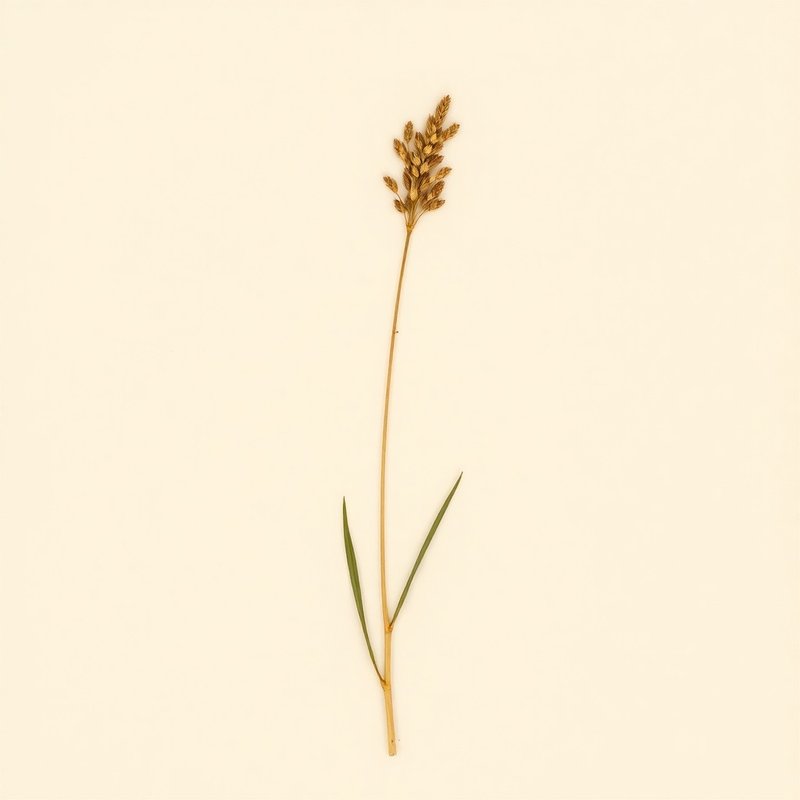
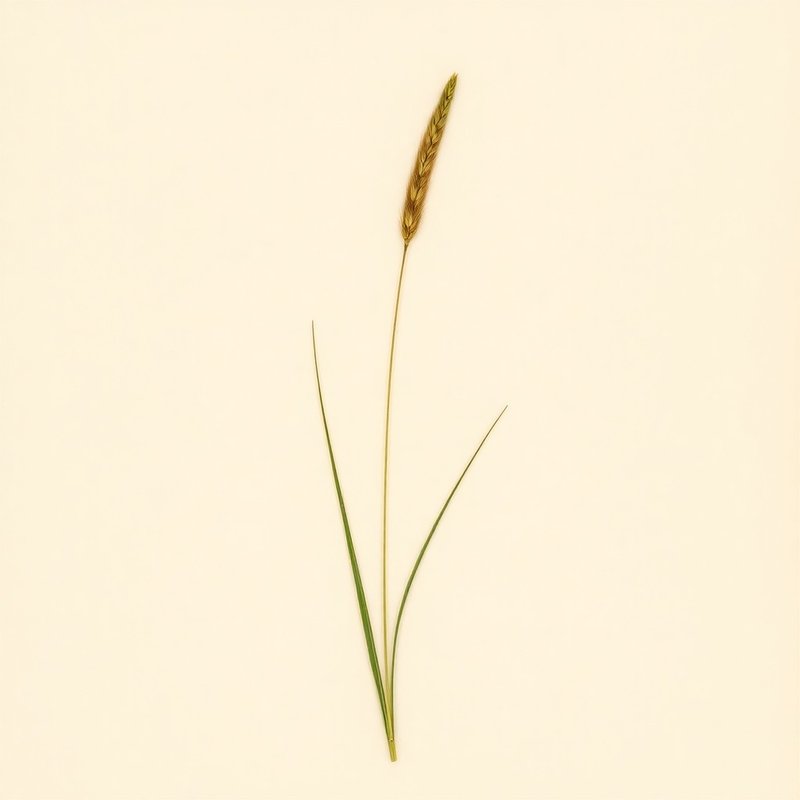
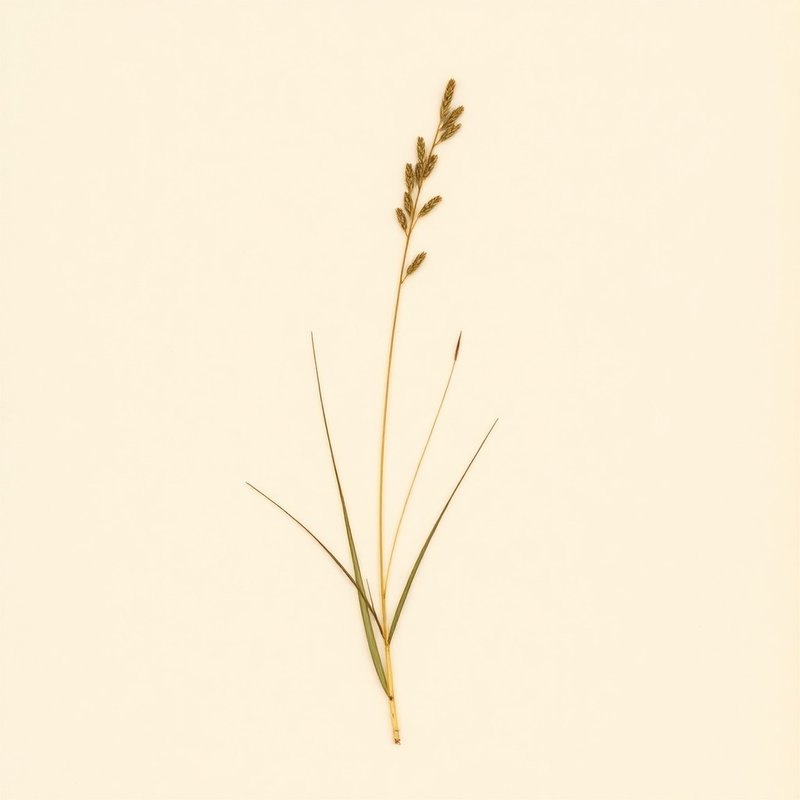
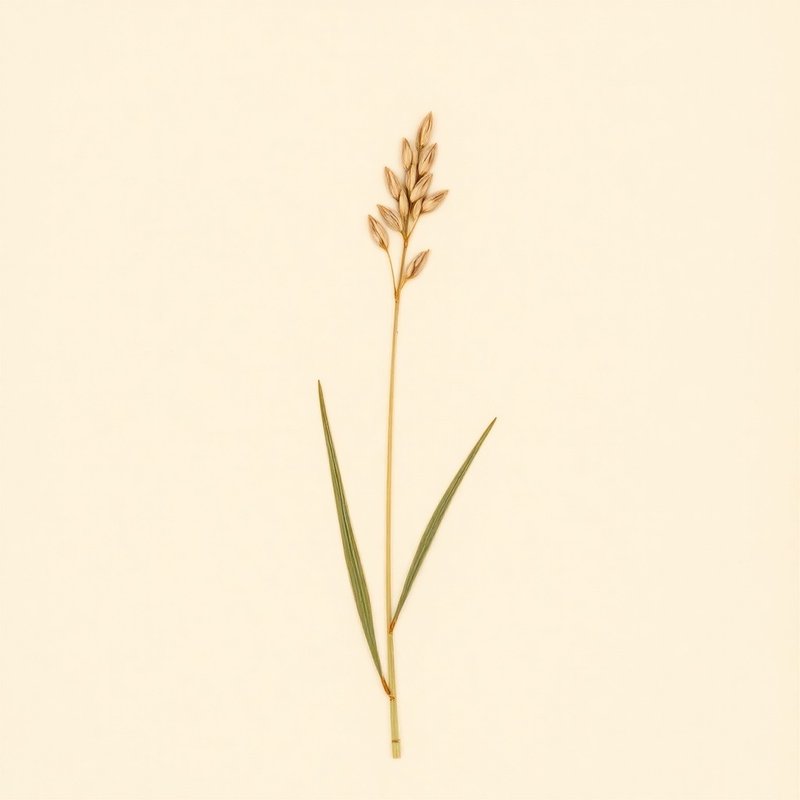
same family · Poaceae
Botanical relatives — often share phytochemistry + growing needs.

XI
Explore further
Companion planting
Compare with similar plants
XII
About this entry
- Last updated
- Citation
- How to cite this entry · Submit a correction
Back to the cataloguePlant id · 2f5bbc71-b6c9-48ab-bf87-603e9114baae
Decision aid
Choosing between Mouse Barley and something else?
Continue reading
❦❦❦❦
Endpaper · archive updates
Get archive updates
Occasional email when substantial new content lands — plant profiles, seasonal growing notes, folk-remedy additions. Free, no tracking, unsubscribe anytime.