
Cauliflower
IOverview
Overview
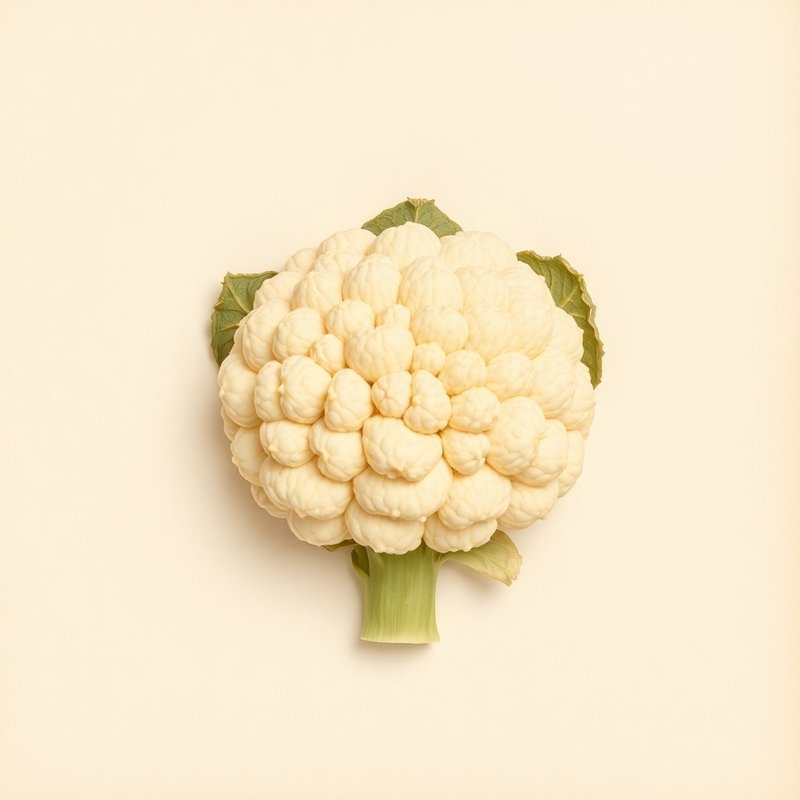
Cauliflower (Brassica oleracea botrytis) is an annual plant belonging to the Brassicaceae family, known for its edible flowers and leaves. Native to regions including East Aegean Islands, Greece, Kriti, Lebanon-Syria, Palestine, and Turkey, cauliflower thrives in full or partial sun with moist soil that can be light (sandy), medium, or heavy (clay). Hardy in zones 3-10, it grows to a height of about 0.8 meters. The plant's distinctive feature is its compact, white flower heads, which are the edible portion. Cauliflower is also valued for its antifungal properties and as a dynamic accumulator, making it a useful companion plant in gardens. The edible parts include both the flowers and leaves, which can be prepared in various ways, such as steaming, roasting, or stir-frying. The leaves, though less commonly used, can be prepared similarly to other cruciferous greens, often sautéed or added to soups. Traditional use notes suggest that cauliflower is part of herbal sources around after-meal comfort traditions, often as a traditional preparation. While not recommended for medicinal use, this information is provided for context.
What is Cauliflower?
Cauliflower (Brassica oleracea botrytis) is an annual plant belonging to the Brassicaceae family, known for its edible flowers and leaves.
What is Cauliflower used for?
Traditionally used for digestion. Each claim is evidence-rated — see Section II for full citations.
IIBenefits & evidence
1 claim · traditional-use context
Benefits & evidence
1 claim · traditional-use context- Traditional-use note: Cauliflower appears in herbal sources around after-meal comfort traditions, often as a traditional preparation. PlantSage presents this as ethnobotanical context, not as medical advice.
Traditional context only. This reviewed claim keeps the original low confidence level, but avoids treatment, disease, dosage, or guaranteed-effect language.
▲ LimitedDigestion →
IV·bMixology suggestions
1 draft
Mixology suggestions
1 draftVCultivation
Cultivation
- Seed viability
- 3-7 years
How to grow Cauliflower for the first time
Start with easy-to-grow cauliflower for a successful beginner gardening experience.
- 1
What you'll need
Cauliflower seeds, small pots or trays, compost, and a garden plot or large container.
- 2
Best time to plant
Plant in spring after the last frost, or start seeds indoors 4-6 weeks before outdoor planting.
- 3
Soil and container prep
Ensure soil is well-draining with a pH between 6.0 and 7.5; amend with compost if needed.
- 4
Sowing or transplanting
Start seeds indoors in small pots, then transplant seedlings outdoors when they have 2-3 true leaves.
- 5
First two weeks
Water regularly to keep soil moist and protect young plants from extreme heat or cold.
- 6
Ongoing care
Provide full sun (6+ hours daily), regular watering, and support for tall plants with stakes.
- 7
Harvest or pruning
Prune any yellow leaves to encourage growth; harvest when heads are firm and white.
- 8
Common mistakes
Overwatering, planting too late in the season, neglecting support for tall plants, and not removing dead leaves.
VIEdible & utility
Edible & utility
VIIDistribution
6 native · 3 introduced
Distribution
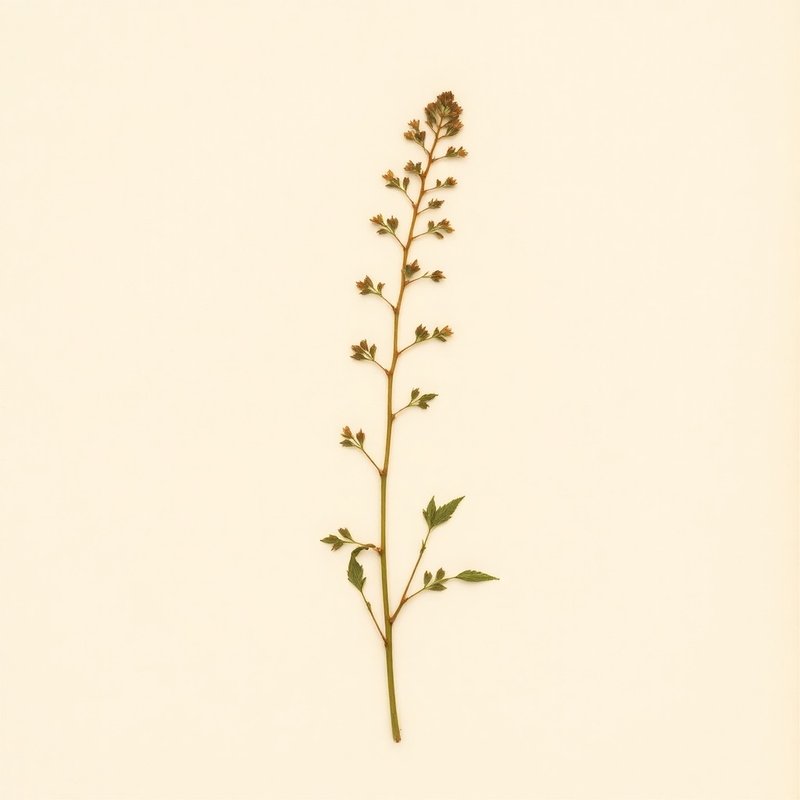
6 native · 3 introducedIXSpecimen gallery
1 image
Specimen gallery
1 imageXSee also
8 related
See also
8 relatedPlants you might compare or use together — scored by shared family, common use cases, and growing requirements.



Explore further
About this entry
- Last updated
- Citation
- How to cite this entry · Submit a correction
Continue reading
Get archive updates
Occasional email when substantial new content lands — plant profiles, seasonal growing notes, folk-remedy additions. Free, no tracking, unsubscribe anytime.