
Gum Tree
Bursera simarubafam. Burseraceae
Educational content — not medical, botanical, or professional advice. Plant identification, safety, and edibility depend on local conditions, cultivars, and correct identification. Consult a qualified botanist or forager before consuming or handling wild specimens. How we source & review →
Garden journal pausedUse profile notes below
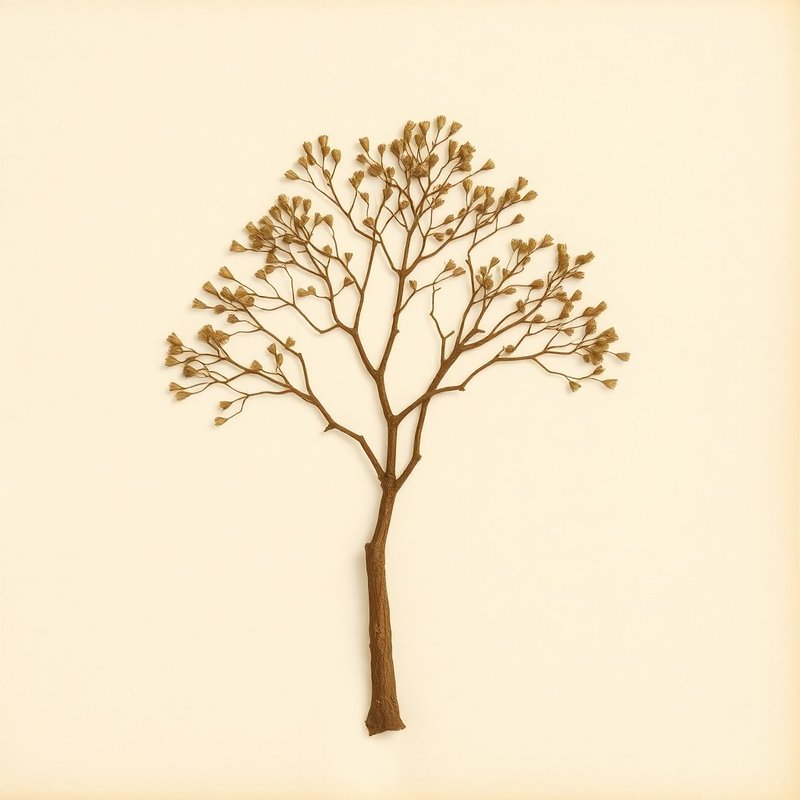
Pl. BDF4 — Bursera simaruba
Bursera simarubaBursera simarubaBursera simarubaBursera simarubaBursera simarubaBursera simarubaBursera simarubaBursera simarubaBursera simarubaBursera simarubaBursera simarubaBursera simarubaBursera simarubaBursera simaruba
IOverview
Overview
Gum Tree (Bursera simaruba), a tree or shrub from the Burseraceae family, is native to regions stretching from Florida to Venezuela, including parts of the Caribbean and Central America such as Aruba, Bahamas, Belize, Brazil North, Colombia, Costa Rica, Cuba, Dominican Republic, El Salvador, and various islands. This plant thrives in full sun to partial shade and can tolerate both dry and moist conditions, making it adaptable to a variety of growing environments. It grows well in light (sandy), medium, or heavy (clay) soils with an optimal pH range of 6 to 7. The Gum Tree reaches heights up to 20 meters and is known for its rapid growth rate, adding practical value as a coppice plant. Its leaves are edible, making it useful in gardens or landscapes where its distinctive form can be appreciated. The tree is also valued for its utility in providing adhesive, biomass, fire starter, fencing, lumber, gum, fragrance, preservative, resin, and varnish materials. While primarily ornamental and not medicinal, the Gum Tree's versatility extends to various practical applications, including its use as a source of natural products such as gums and resins. Its presence in gardens or landscapes can offer both aesthetic appeal and functional benefits, enhancing biodiversity and providing resources for local communities.
Quick answers
What is Gum Tree?
Gum Tree (Bursera simaruba), a tree or shrub from the Burseraceae family, is native to regions stretching from Florida to Venezuela, including parts of the Caribbean and Central America such as Aruba, Bahamas, Belize, Brazil North, Colombia, Costa Rica, Cuba, Dominican Republic, El Salvador, and various islands.
Growingconditions · propagation · uses
VCultivation
Cultivation
The Gum Tree (Bursera simaruba) thrives in full to partial sun and prefers well-draining soils that are light (sandy), medium, or heavy (clay). It is drought-tolerant but performs best in moist conditions. This tree grows up to 20 meters tall and can be propagated through cuttings. Hardy in zones 10-12, it is native to regions including Aruba, Bahamas, Belize, Brazil North, Colombia, Costa Rica, Cuba, and other Caribbean islands. Leaves are edible. Ensure the soil pH is between 6 and 7 for optimal growth.
Light
Full sun, Partial sun/shade
Water
Dry, Moist
Soil
Light (sandy), Medium, Heavy (clay)
Hardiness
10-12
Habit
Tree, Shrub
Mature size
20.0 m tall
Soil pH
6–7
For first-time growers
How to grow Gum Tree for the first time
7steps
Start with a simple planting of Gum Tree to gain experience in caring for this hardy tree.
- 1
What you'll need
A young Gum Tree sapling, well-draining soil, and a container or garden space.
- 2
Best time to plant
Plant the Gum Tree in spring when temperatures are warm but not too hot.
- 3
Soil and container prep
Ensure the soil is light (sandy), medium, or heavy with a pH of 6–7. For containers, use a potting mix suitable for trees.
- 4
Sowing or transplanting
Transplant the young sapling into your prepared container or garden bed, ensuring it has enough space to grow.
- 5
First two weeks
Water the tree regularly but avoid overwatering. Keep the soil moist but not waterlogged.
- 6
Ongoing care
Provide full sun to partial shade and regular watering, especially during dry periods. Fertilize lightly in spring.
- 7
Harvest or pruning
Prune the tree to maintain its shape and remove any dead or damaged branches as needed.
VIEdible & utility
Edible & utility
Edible parts:Leaves
Edible uses: Gum, Tea
Other uses:AdhesiveBiomassFire starterFencingLumberGumFragrancePreservativeResinVarnishCoppice
Contextrange · companions · related
VIIDistribution
34 native · 0 introduced
Distribution
34 native · 0 introducedDistribution across1 continent· 34 native
Americas16 regions
native (16)BahamasBelizeColombiaCosta RicaCubaDominican RepublicEl SalvadorFrench GuianaGuatemalaGuyanaHondurasJamaicaNicaraguaPeruPuerto RicoVenezuela
Broader regions
native:Aruba, Brazil North, Cayman Is., Florida, Leeward Is., Mexico Central, Mexico Gulf, Mexico Northeast, Mexico Northwest, Mexico Southeast, Mexico Southwest, Netherlands Antilles, Panamá, Southwest Caribbean, Trinidad-Tobago, Turks-Caicos Is., Venezuelan Antilles, Windward Is.
IXSpecimen gallery
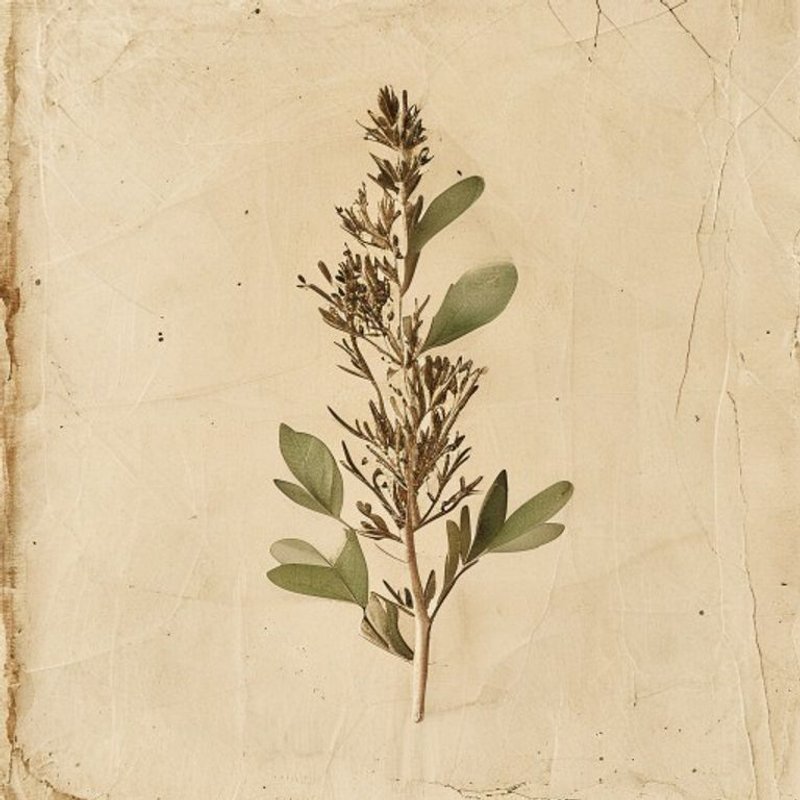
1 image
Specimen gallery
1 imageXSee also
5 related
See also
5 relatedPlants you might compare or use together — scored by shared family (Burseraceae), common use cases, and growing requirements.
same family · Burseraceae
Botanical relatives — often share phytochemistry + growing needs.

XI
Explore further
Companion planting
Compare with similar plants
Growing zone
XII
About this entry
- Last updated
- Citation
- How to cite this entry · Submit a correction
Back to the cataloguePlant id · bdf4658f-96bc-445a-add8-9fdb2a45faad
Decision aid
Choosing between Gum Tree and something else?
Continue reading
❦❦❦❦
Endpaper · archive updates
Get archive updates
Occasional email when substantial new content lands — plant profiles, seasonal growing notes, folk-remedy additions. Free, no tracking, unsubscribe anytime.
Newsletter returning soon.
We are rebuilding the update list around a lightweight editorial workflow. New dispatches will resume after the next content review cycle.