
Manila Elemi
IOverview
Overview
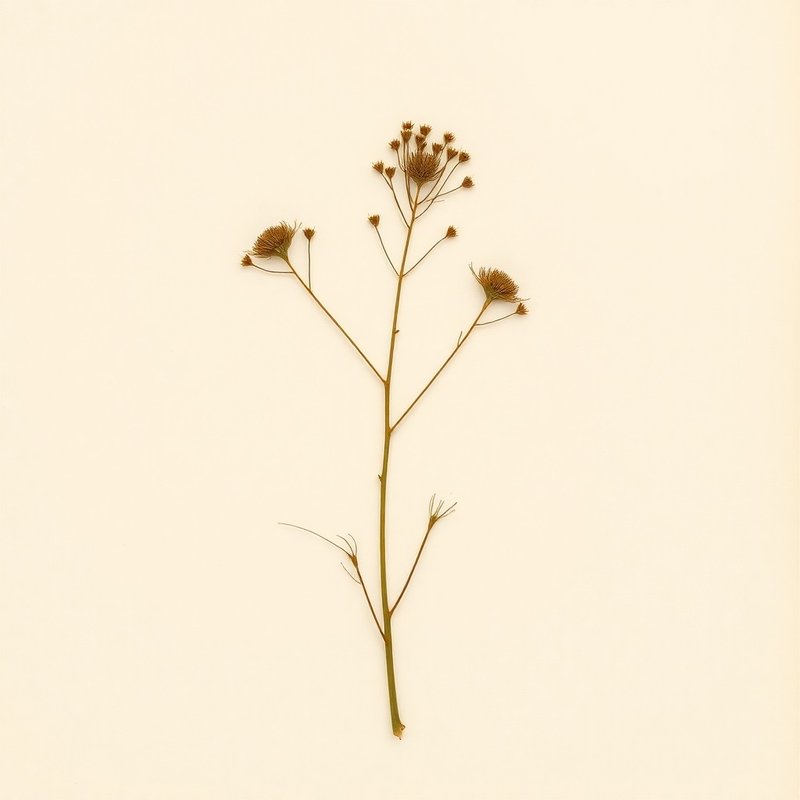
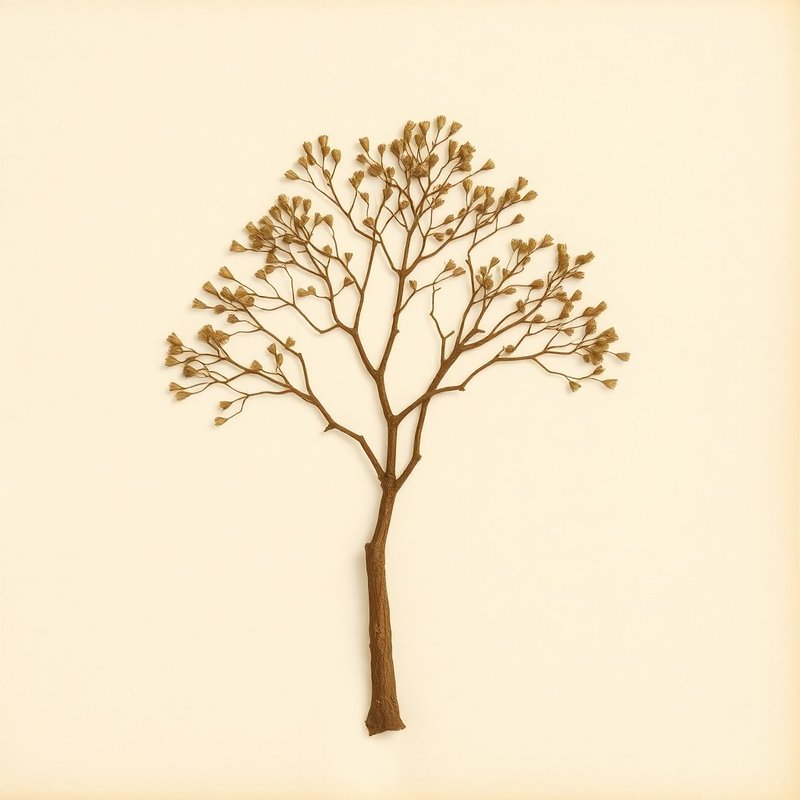
Manila Elemi (Canarium luzonicum) is a tall, evergreen tree in the Burseraceae family, native to the Philippines. A canopy species that can reach about 30 meters in height, it grows best in full sun with consistently moist soil that may range from light sand to heavy clay. It is suited to warm climates within hardiness zones 10 to 12 and is not considered drought resistant. The species has also been introduced to the Caroline Islands beyond its native range. The tree is valued for an unusual breadth of uses drawn from a single plant. Its resin is the source of an essential oil, while the timber supplies lumber, and these materials feed into products such as varnish, ink, oil-based preparations, tannin, and waterproofing agents. The plant is likewise regarded as a natural pest control resource, giving it a wide role in local industry and craft. As a food plant, Manila Elemi is noted for its fruit, seeds, and shoots, with the oil extracted from it also listed among its edible uses. Because so many of its applications involve resins, oils, and other extracted materials, the tree is chiefly an industrial and subsistence resource rather than a garden ornamental. Its many products, combined with its presence in both its native Philippine range and introduced settings like the Caroline Islands, make it an economically important member of its family.
What is Manila Elemi?
Manila Elemi (Canarium luzonicum) is a tall, evergreen tree in the Burseraceae family, native to the Philippines. A canopy species that can reach about 30 meters in height, it grows best in full sun with consistently moist soil that may range from light sand to heavy clay.
VCultivation
Cultivation
How to grow Manila Elemi for the first time
Start with a simple planting of Manila Elemi to experience growing a tree from scratch.
- 1
What you'll need
Seeds or seedlings, potting mix, containers if starting in pots.
- 2
Best time to plant
Plant seeds or transplant seedlings during the rainy season for better moisture availability.
- 3
Soil and container prep
Use a well-draining soil mix. Ensure containers have drainage holes.
- 4
Sowing or transplanting
Direct sow seeds in the ground or start them indoors 6-8 weeks before planting outside.
- 5
First two weeks
Keep the soil moist but not waterlogged. Place in a partially shaded area to avoid direct sun.
- 6
Ongoing care
Provide full sun once established, keep soil consistently moist, and mulch around the base.
- 7
Harvest or pruning
Prune young trees for shape; harvest fruits when they turn yellow. Seeds can be collected from ripe fruit.
- 8
Common mistakes
Overwatering, planting in heavy soil, not providing enough sunlight, and neglecting to prune.
VIEdible & utility
Edible & utility
VIIDistribution
1 native · 1 introduced
Distribution
1 native · 1 introducedIXSpecimen gallery
1 image
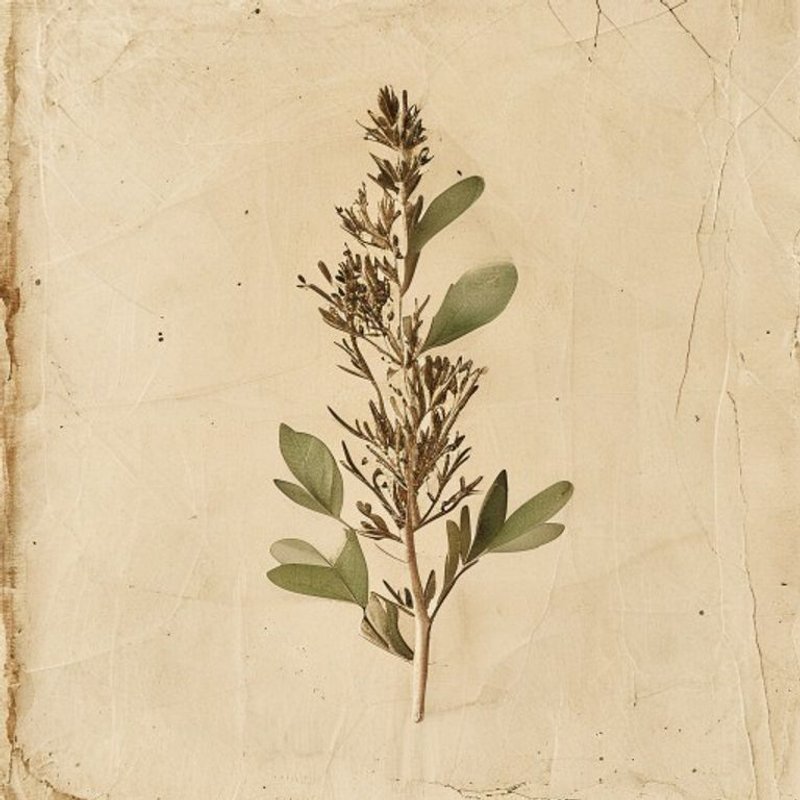
Specimen gallery
1 imageXSee also
5 related
See also
5 relatedPlants you might compare or use together — scored by shared family (Burseraceae), common use cases, and growing requirements.

Explore further
About this entry
- Last updated
- Citation
- How to cite this entry · Submit a correction
Continue reading
Get archive updates
Occasional email when substantial new content lands — plant profiles, seasonal growing notes, folk-remedy additions. Free, no tracking, unsubscribe anytime.