
Locoto

IOverview
Overview
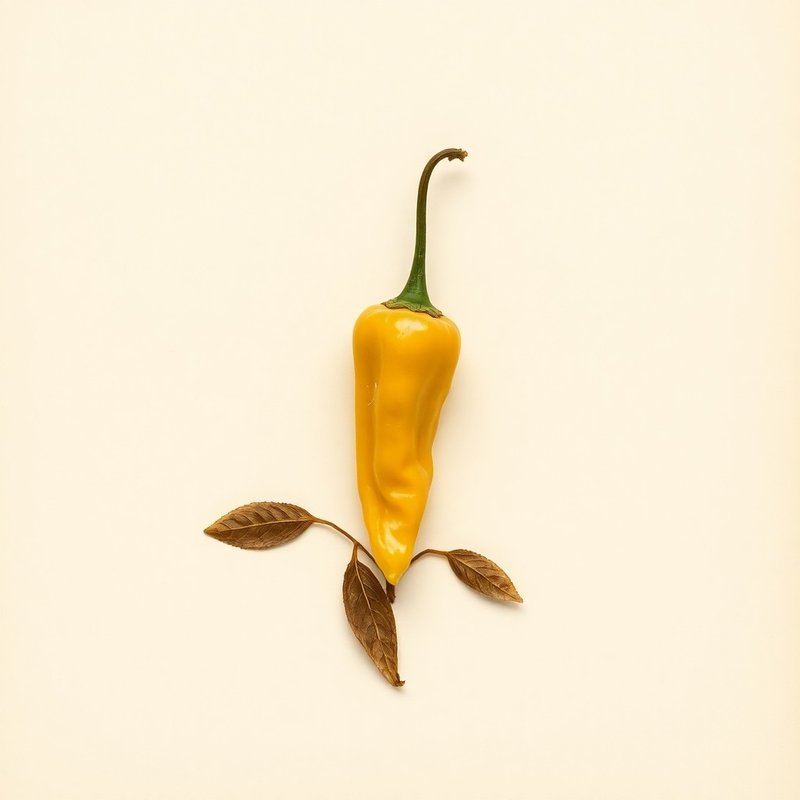
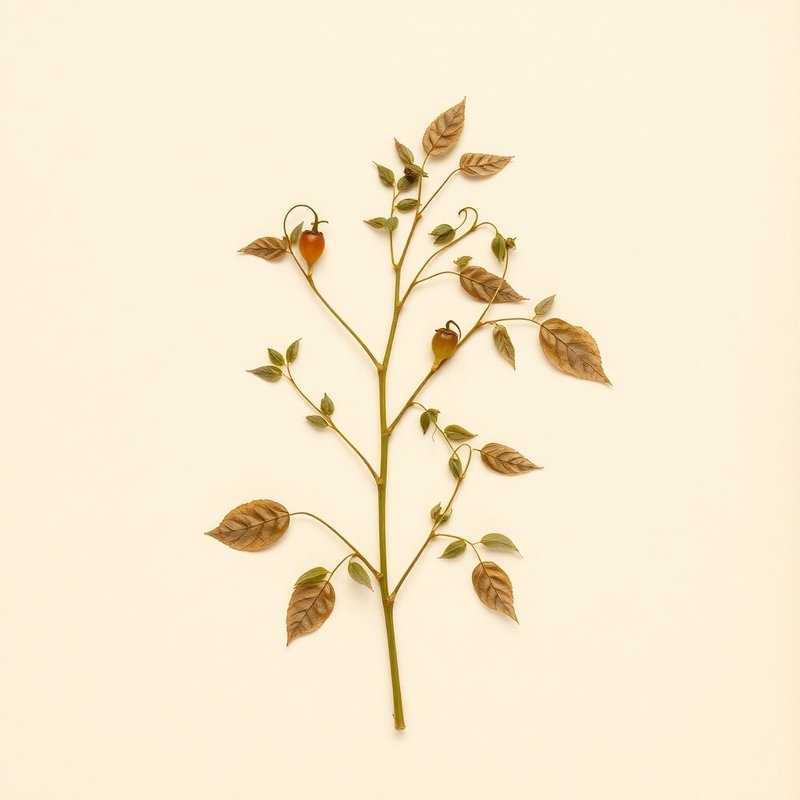
Locoto (Capsicum baccatum) is a perennial subshrub or herb native to Venezuela, with a range extending into Argentina, Bolivia, and Brazil. This plant thrives in full sun and prefers moist soil that can be light (sandy), medium, or heavy (clay). Locoto can grow up to 2 meters in height, making it a notable addition to gardens and landscapes. The fruit of Locoto is edible and commonly used as a condiment, adding a unique flavor to dishes. Additionally, Locoto has documented medicinal uses, though specific benefits and applications are not detailed here. Cultivation of Locoto is relatively straightforward, requiring regular watering and well-draining soil to ensure optimal growth. Its adaptability to various soil types and its presence in multiple South American countries make Locoto a versatile and interesting plant for gardeners and enthusiasts alike.
What is Locoto?
Locoto (Capsicum baccatum) is a perennial subshrub or herb native to Venezuela, with a range extending into Argentina, Bolivia, and Brazil. This plant thrives in full sun and prefers moist soil that can be light (sandy), medium, or heavy (clay).
IV·bMixology suggestions
1 draft
Mixology suggestions
1 draftVCultivation
Cultivation
How to grow Locoto for the first time
Start with a simple, sunny spot and basic soil preparation for your first locoto plant.
- 1
What you'll need
Seeds or seedlings, small pots, compost, potting mix.
- 2
Best time to plant
Start seeds indoors about 8 weeks before the last frost date in your area.
- 3
Soil and container prep
Use a well-draining potting mix. Ensure containers are at least 30 cm deep with good drainage holes.
- 4
Sowing or transplanting
Sow seeds indoors, keeping them warm until they germinate. Transplant seedlings outdoors after all danger of frost has passed.
- 5
First two weeks
Keep the soil consistently moist and provide partial shade if temperatures are high.
- 6
Ongoing care
Water regularly to keep the soil moist but not waterlogged. Fertilize every 4-6 weeks with a balanced liquid fertilizer.
- 7
Harvest or pruning
Prune any dead or diseased branches to maintain plant health and encourage new growth.
- 8
Common mistakes
Overwatering, planting in heavy soil, not providing enough support for the plant's height.
VIEdible & utility
Edible & utility
VIIDistribution
10 native · 21 introduced
Distribution
10 native · 21 introducedIXSpecimen gallery
1 image
Specimen gallery
1 imageXSee also
6 related
See also
6 relatedPlants you might compare or use together — scored by shared family (Solaneae), common use cases, and growing requirements.
Explore further
About this entry
- Last updated
- Citation
- How to cite this entry · Submit a correction
Continue reading
Get archive updates
Occasional email when substantial new content lands — plant profiles, seasonal growing notes, folk-remedy additions. Free, no tracking, unsubscribe anytime.