
Missouri groundcherry
Physalis missouriensisfam. Solaneae
Educational content — not medical, botanical, or professional advice. Plant identification, safety, and edibility depend on local conditions, cultivars, and correct identification. Consult a qualified botanist or forager before consuming or handling wild specimens. How we source & review →
Garden journal pausedUse profile notes below
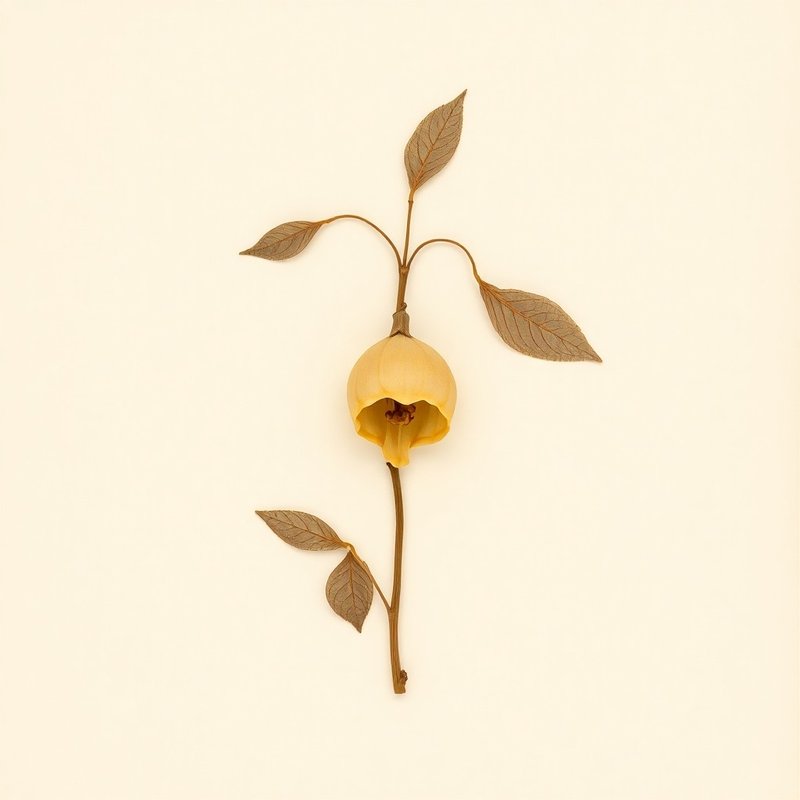
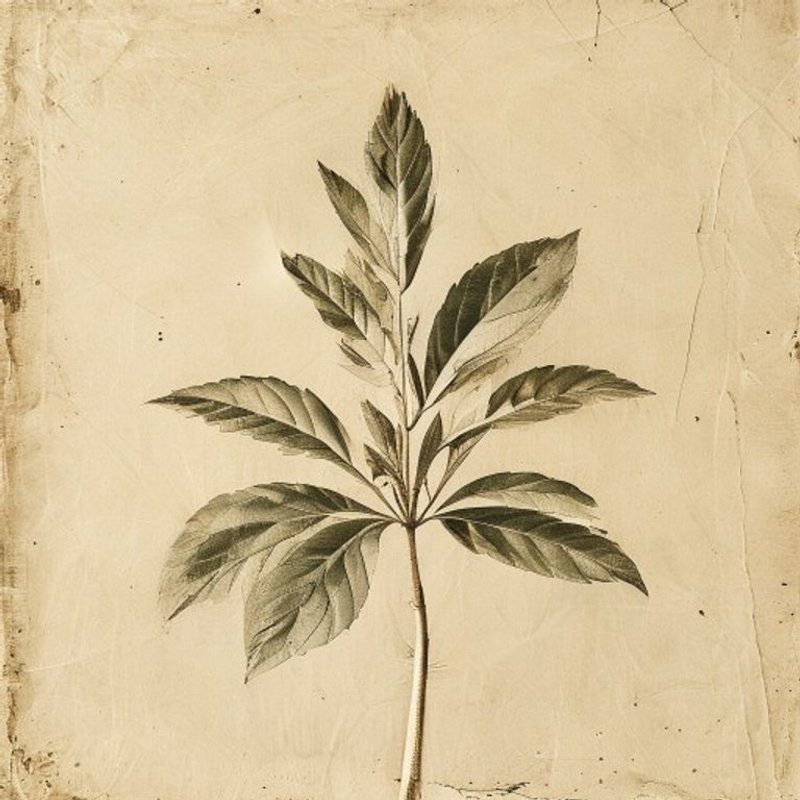
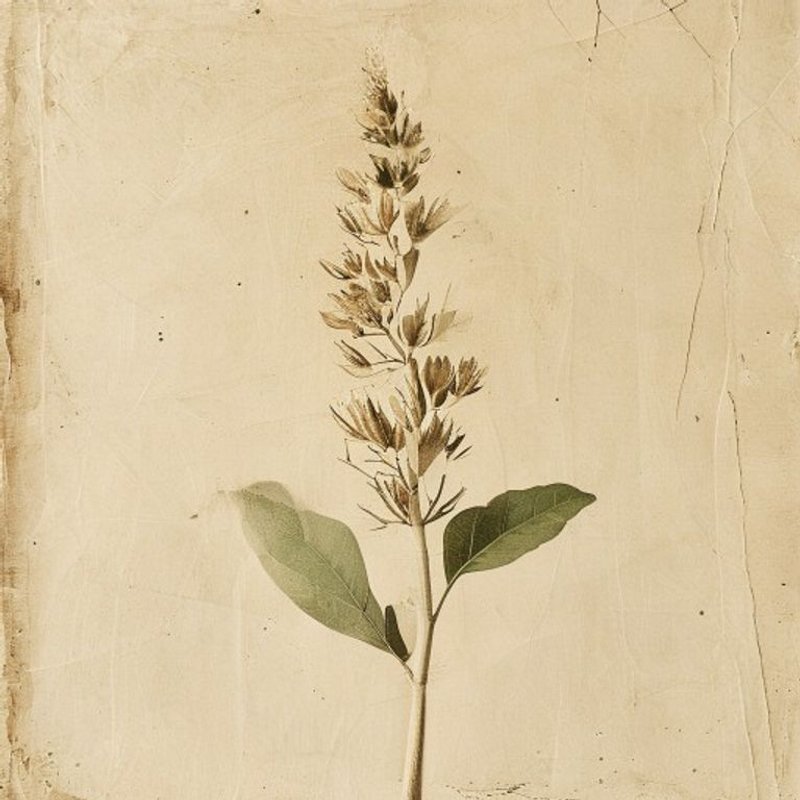
Pl. 71BD — Physalis missouriensis
Physalis missouriensisPhysalis missouriensisPhysalis missouriensisPhysalis missouriensisPhysalis missouriensisPhysalis missouriensisPhysalis missouriensisPhysalis missouriensisPhysalis missouriensisPhysalis missouriensisPhysalis missouriensisPhysalis missouriensisPhysalis missouriensisPhysalis missouriensis
IOverview
Overview
Missouri groundcherry (Physalis missouriensis) is an annual forb or herb native to the central United States, specifically found in Arkansas, Kansas, Missouri, Nebraska, Oklahoma, and Texas. This plant thrives in full sun and prefers soil that can be light (sandy), medium, or heavy (clay). Standing at about 1 meter tall, Missouri groundcherry is known for its edible fruit, which can be eaten raw or cooked and is often used in jams, jellies, and pies. The fruit's sweet flavor makes it a delightful addition to desserts, and it can also be dried for later use. The distinctive feature of this plant is the papery calyx that surrounds the fruit, a characteristic shared with other members of the nightshade family. While Missouri groundcherry is not medicinal, its edible fruit makes it a valuable addition to gardens, providing both ornamental appeal and a tasty harvest. For best results, ensure the soil remains consistently moist and provide ample sunlight.
Quick answers
What is Missouri groundcherry?
Missouri groundcherry (Physalis missouriensis) is an annual forb or herb native to the central United States, specifically found in Arkansas, Kansas, Missouri, Nebraska, Oklahoma, and Texas. This plant thrives in full sun and prefers soil that can be light (sandy), medium, or heavy (clay).
Growingconditions · propagation · uses
VCultivation
Cultivation
Missouri groundcherry thrives in full sun and prefers moist, well-draining soil that can be light (sandy), medium, or heavy (clay). This annual plant grows to about 1 meter in height and is native to regions including Arkansas, Kansas, Missouri, Nebraska, Oklahoma, and Texas. For propagation, sow seeds directly in the garden after the last frost. Ensure the soil remains consistently moist throughout the growing season. While hardiness isn't specified, the plant is generally hardy in temperate regions. Harvest the edible fruit when it turns a deep orange or red.
Light
Full sun
Water
Moist
Soil
Light (sandy), Medium, Heavy (clay)
Life cycle
Annual
Habit
Forb/herb
Mature size
1.0 m tall
For first-time growers
How to grow Missouri groundcherry for the first time
8steps
Start with Missouri groundcherry to gain experience in growing annuals.
- 1
What you'll need
Seeds, a small trowel or scoop, and a watering can.
- 2
Best time to plant
Plant seeds outdoors after the last frost, around late April or early May.
- 3
Soil and container prep
Choose a spot with full sun. Ensure soil is well-draining and rich in organic matter.
- 4
Sowing or transplanting
Direct sow seeds 0.5 inches deep, spacing them about 30 cm apart. Thin seedlings to 60 cm apart as they grow.
- 5
First two weeks
Keep the soil moist but not waterlogged. Water regularly and mulch lightly to retain moisture.
- 6
Ongoing care
Water when the top inch of soil feels dry, about once a week. Fertilize sparingly with compost.
- 7
Harvest or pruning
Prune any dead or yellowing leaves to encourage new growth and prevent disease spread.
- 8
Common mistakes
Overwatering, planting too close together, neglecting to prune, and not providing enough sunlight.
VIEdible & utility
Edible & utility
Edible parts:Fruit
Edible uses: The Missouri groundcherry is edible and its fruit can be eaten raw or cooked. The fruit is often used in jams, jellies, and pies, adding a sweet flavor to desserts. It can also be dried for later use. Skip the complex recipes; simple preparations highlight its natural taste.
Contextrange · companions · related
VIIDistribution
6 native · 0 introduced
Distribution
6 native · 0 introducedDistribution across0 continents· 6 native
Broader regions
native:Arkansas, Kansas, Missouri, Nebraska, Oklahoma, Texas
IXSpecimen gallery
1 image
Specimen gallery
1 imageXSee also
6 related
See also
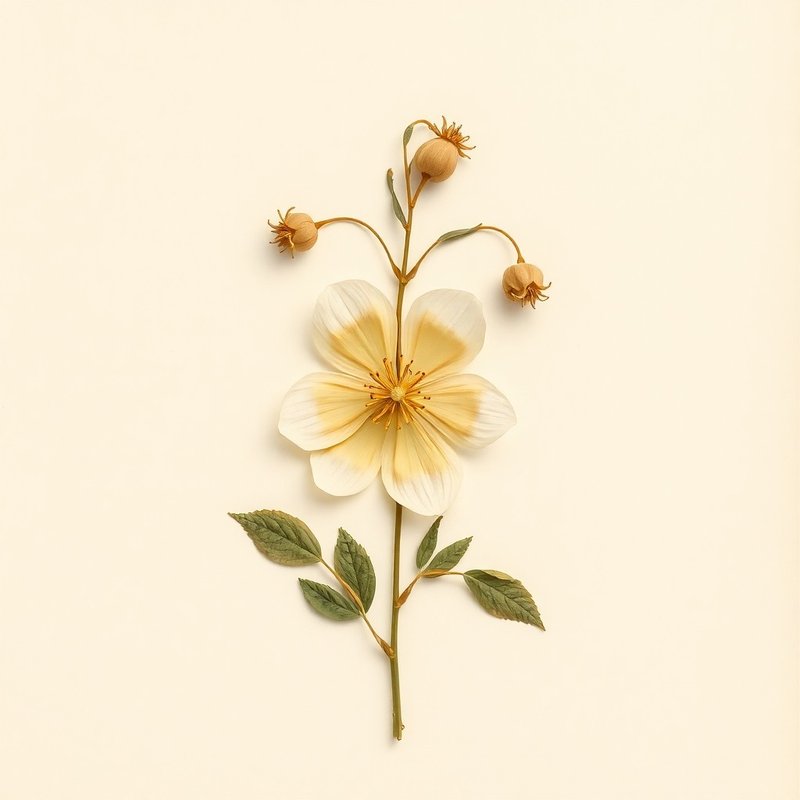
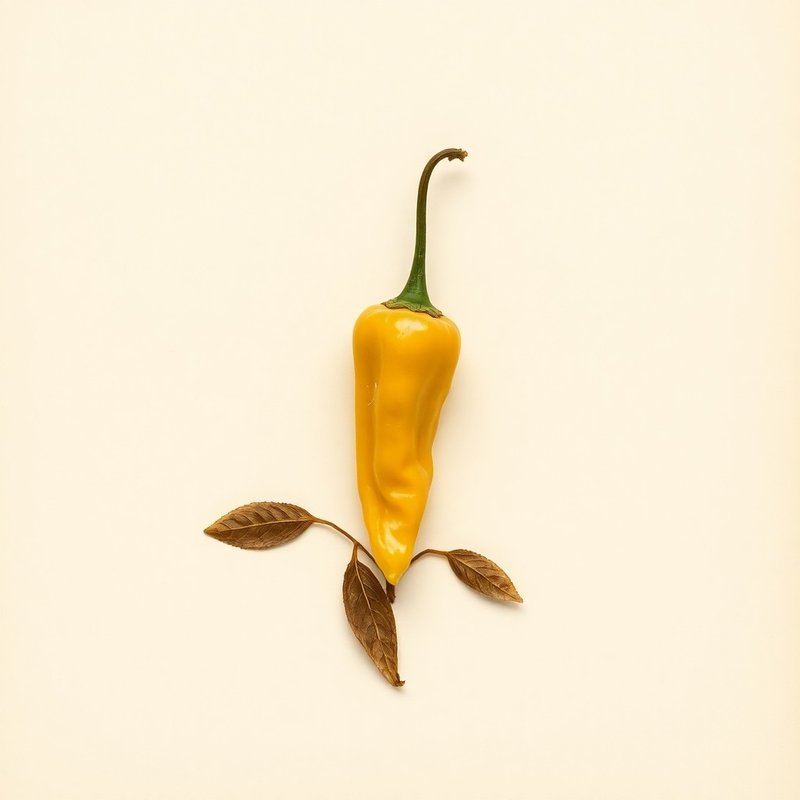
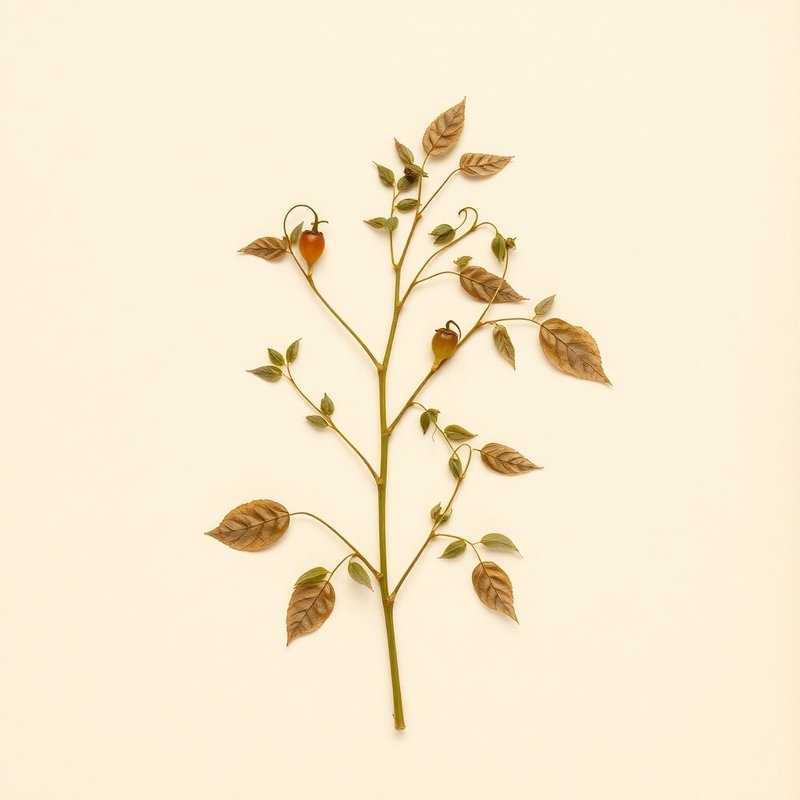
6 relatedPlants you might compare or use together — scored by shared family (Solaneae), common use cases, and growing requirements.
same family · Solaneae
Botanical relatives — often share phytochemistry + growing needs.

XI
Explore further
Companion planting
Compare with similar plants
XII
About this entry
- Last updated
- Citation
- How to cite this entry · Submit a correction
Back to the cataloguePlant id · 71bd42fd-c859-42d7-b7c8-1b2521d0f258
Decision aid
Choosing between Missouri groundcherry and something else?
Continue reading
❦❦❦❦
Endpaper · archive updates
Get archive updates
Occasional email when substantial new content lands — plant profiles, seasonal growing notes, folk-remedy additions. Free, no tracking, unsubscribe anytime.
Newsletter returning soon.
We are rebuilding the update list around a lightweight editorial workflow. New dispatches will resume after the next content review cycle.