
Tobacco
Nicotiana tabacumfam. Solaneae
Educational content — not medical, botanical, or professional advice. Always consult a qualified clinician before using any herbal preparation — especially during pregnancy, breastfeeding, while on medication, or for children. How we source & review →
Garden journal pausedUse profile notes below
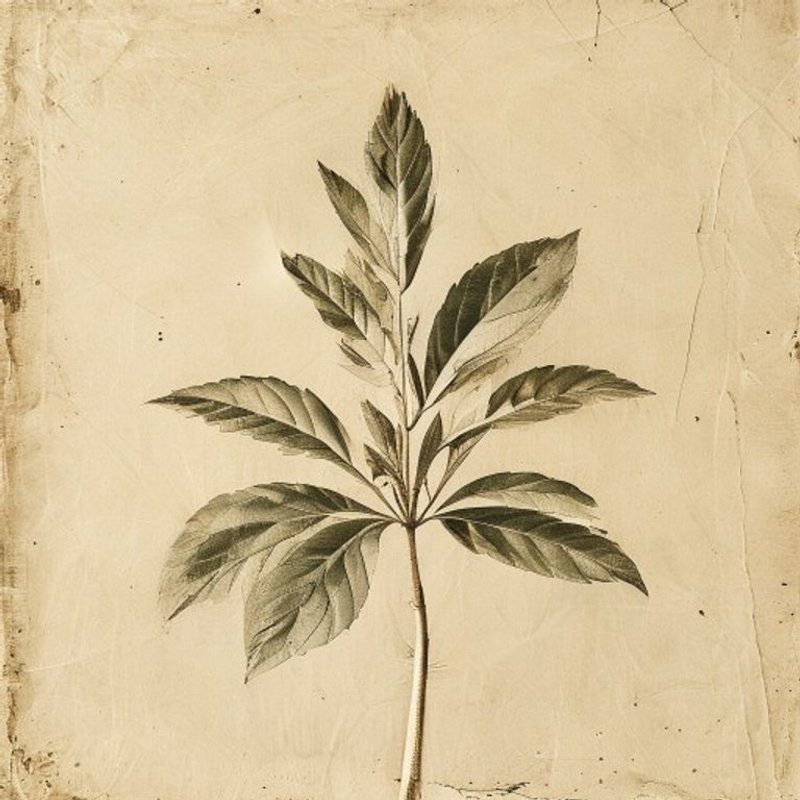
Pl. 4188 — Nicotiana tabacum
Nicotiana tabacumNicotiana tabacumNicotiana tabacumNicotiana tabacumNicotiana tabacumNicotiana tabacumNicotiana tabacumNicotiana tabacumNicotiana tabacumNicotiana tabacumNicotiana tabacumNicotiana tabacumNicotiana tabacumNicotiana tabacum
IOverview
Overview
Tobacco (Nicotiana tabacum) is an annual forb or herb native to Bolivia, known for its ornamental value and use in edible applications. This plant thrives in moist, light to heavy soil with a pH of 7.5–8, reaching heights of about 1.2 meters. The leaves are the edible part used by humans, making it a valuable addition to gardens and culinary practices. Tobacco is adapted to grow in hardiness zones 7-10 and prefers a light (sandy), medium, or heavy (clay) soil type. It requires ample moisture and a light energy requirement, making it suitable for various garden settings. The plant is also known for its ornamental value and can be used for pest control and fragrance. While it has a wide distribution, it is primarily cultivated in regions such as Albania, Algeria, Argentina, and many others, showcasing its adaptability. Despite its ornamental and edible uses, caution is advised due to its potential medicinal properties.
Quick answers
What is Tobacco?
Tobacco (Nicotiana tabacum) is an annual forb or herb native to Bolivia, known for its ornamental value and use in edible applications. This plant thrives in moist, light to heavy soil with a pH of 7.5–8, reaching heights of about 1.2 meters.
IV·bMixology suggestions
1 draft
Mixology suggestions
1 draftEditorial drafts. These pairings are AI-suggested from traditional herbal lore. Always verify with a qualified herbalist before brewing.
Tobacco support blend
generaltea
AI returned a direct ingredient list; normalized into one draft blend for editorial review.
Growingconditions · propagation · uses
VCultivation
Cultivation
Tobacco (Nicotiana tabacum) thrives in light to medium moisture and prefers well-draining soils that are slightly alkaline, with a pH between 7.5 and 8. It is hardy in temperate regions but may require protection from frost during its annual life cycle. Plant tobacco in full sun or partial shade for best results. The soil should be light (sandy), medium, or heavy (clay). Water regularly to maintain moist conditions. Harvest the edible leaves when needed. Skip hardiness zones as not specified.
Light
8/10
Water
Moist
Soil
Light (sandy), Medium, Heavy (clay)
Hardiness
7-10
Life cycle
Annual
Habit
Forb/herb
Mature size
1.2 m tall
Soil pH
7.5–8
For first-time growers
How to grow Tobacco for the first time
7steps
Start with easy-to-grow tobacco for a simple gardening experience.
- 1
What you'll need
Seeds, small pots or trays, potting mix, and a sunny spot in your garden.
- 2
Best time to plant
Start seeds indoors about 6-8 weeks before the last frost date for outdoor planting.
- 3
Soil and container prep
Use well-draining soil with a pH of 7.5–8, ensuring containers are at least 12 inches deep.
- 4
Sowing or transplanting
Sow seeds indoors in small pots, keeping them moist until they germinate; transplant seedlings outdoors after danger of frost passes.
- 5
First two weeks
Keep the soil consistently moist and provide partial shade to help young plants establish.
- 6
Ongoing care
Water regularly, especially during dry spells, and fertilize with a balanced plant food every 4-6 weeks.
- 7
Harvest or pruning
Prune back the plant after flowering to encourage more blooms and maintain shape.
VIEdible & utility
Edible & utility
Edible parts:Leaves
Edible uses: Oil, Egg
Other uses:Pest controloilDynamic accumulatorFragrance
Contextrange · companions · related
VIIDistribution
1 native · 166 introduced
Distribution
1 native · 166 introducedDistribution across5 continents· 1 native· 166 introduced
Europe18 regions
introduced (18)AlbaniaAustriaBelgiumBulgariaCyprusDenmarkFranceGermanyGreeceHungaryItalyNetherlandsPortugalRomaniaRussiaSpainSwitzerlandUkraine
Asia19 regions
introduced (19)BangladeshCambodiaIndiaKazakhstanLaosMaldivesMyanmarNepalOmanPakistanPhilippinesSaudi ArabiaSouth KoreaThailandTurkeyTurkmenistanUzbekistanVietnamYemen
Americas16 regions
native (1)Bolivia
introduced (15)BahamasBelizeColombiaCosta RicaCubaDominican RepublicGuatemalaHaitiHondurasJamaicaParaguayPeruPuerto RicoUnited StatesVenezuela
Africa37 regions
introduced (37)AlgeriaBeninBurkina FasoBurundiCabo VerdeCameroonChadComorosCôte d'IvoireEquatorial GuineaEritreaEthiopiaGabonGambiaGhanaGuineaGuinea-BissauKenyaLibyaMadagascarMalawiMaliMauritiusMoroccoMozambiqueNigerNigeriaRwandaSenegalSeychellesSierra LeoneSomaliaTanzaniaTogoTunisiaZambiaZimbabwe
Oceania3 regions
introduced (3)FijiNew CaledoniaSamoa
Broader regions
introduced:Aldabra, Argentina Northwest, Aruba, Ascension, Bermuda, Bismarck Archipelago, Borneo, Brazil North, Brazil Northeast, Brazil South, Brazil Southeast, Brazil West-Central, Cape Provinces, Caroline Is., Cayman Is., Central African Repu, Christmas I., Congo, Cook Is., Czechoslovakia, East Himalaya, Easter Is., Galápagos, Gilbert Is., Gulf of Guinea Is., Jawa, Juan Fernández Is., Kazan-retto, Kentucky, Kriti, KwaZulu-Natal, Leeward Is., Line Is., Marcus I., Marianas, Marquesas, Marshall Is., Maryland, Mexico Central, Mexico Southwest, Netherlands Antilles, New Guinea, New York, New Zealand North, Nicobar Is., Niue, Norfolk Is., Northern Provinces, Ogasawara-shoto, Pitcairn Is., Primorye, Réunion, Rodrigues, Selvagens, Society Is., Socotra, Solomon Is., Southwest Caribbean, St.Helena, Tadzhikistan, Trinidad-Tobago, Turkey-in-Europe, Wake I., West Himalaya, Windward Is., Yugoslavia, Zaïre
IXSpecimen gallery
1 image
Specimen gallery
1 imageXSee also
6 related
See also
6 relatedPlants you might compare or use together — scored by shared family (Solaneae), common use cases, and growing requirements.
same family · Solaneae
Botanical relatives — often share phytochemistry + growing needs.

XI
Explore further
Companion planting
Compare with similar plants
Growing zone
Native to
XII
About this entry
- Last updated
- Citation
- How to cite this entry · Submit a correction
Back to the cataloguePlant id · 4188b3f2-76d6-495c-a09a-e99a74f698b0
Decision aid
Choosing between Tobacco and something else?
Continue reading
❦❦❦❦
Endpaper · archive updates
Get archive updates
Occasional email when substantial new content lands — plant profiles, seasonal growing notes, folk-remedy additions. Free, no tracking, unsubscribe anytime.
Newsletter returning soon.
We are rebuilding the update list around a lightweight editorial workflow. New dispatches will resume after the next content review cycle.