
West African Laburnum
Cassia sieberiana
Educational content — not medical, botanical, or professional advice. Always consult a qualified clinician before using any herbal preparation — especially during pregnancy, breastfeeding, while on medication, or for children. How we source & review →
Garden journal pausedUse profile notes below
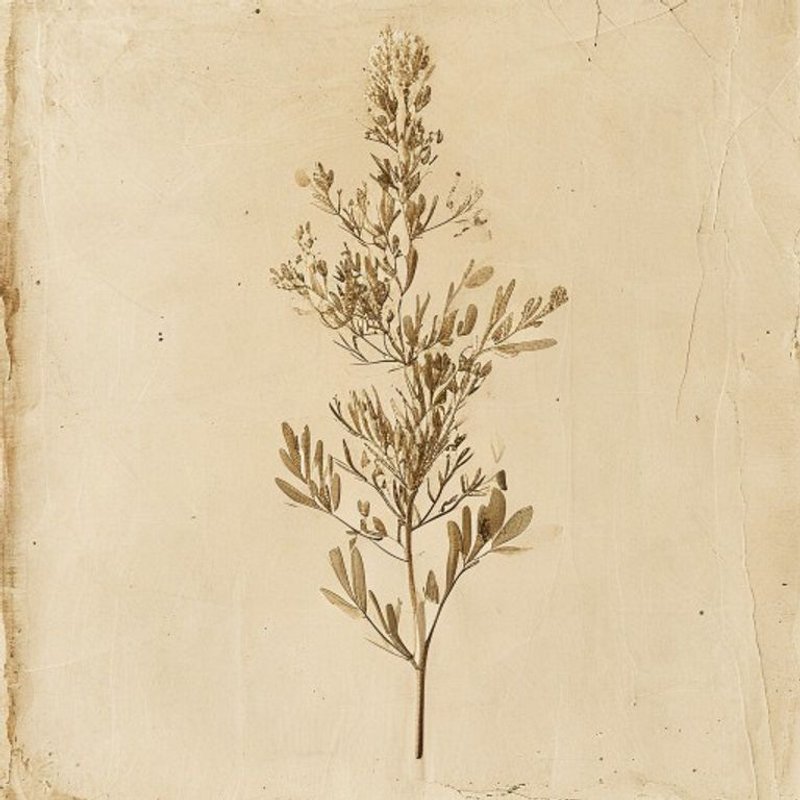
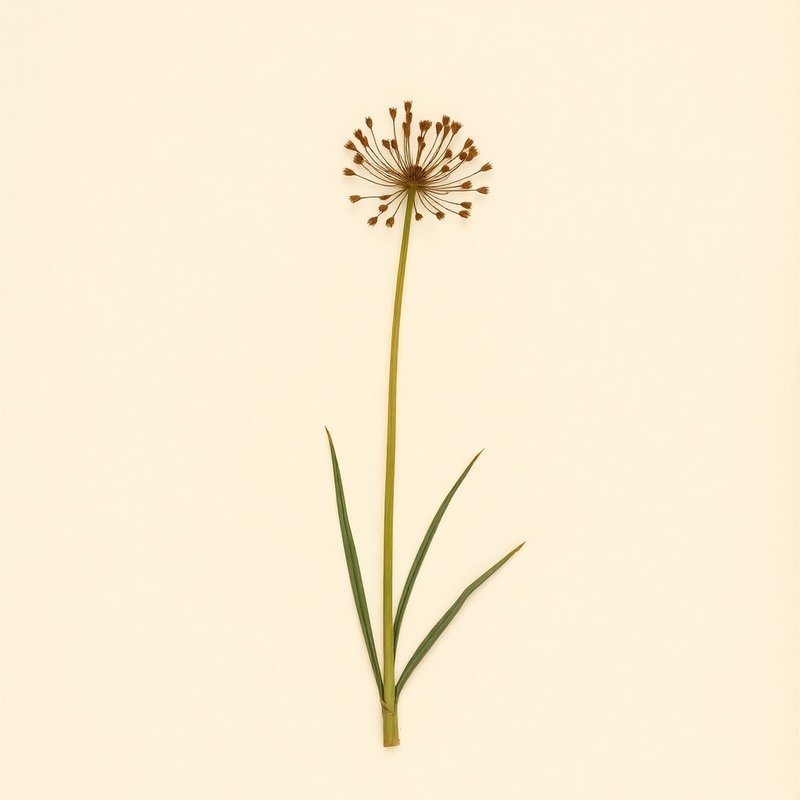
Pl. E8FB — Cassia sieberiana
Cassia sieberianaCassia sieberianaCassia sieberianaCassia sieberianaCassia sieberianaCassia sieberianaCassia sieberianaCassia sieberianaCassia sieberianaCassia sieberianaCassia sieberianaCassia sieberianaCassia sieberianaCassia sieberiana
IOverview
Overview
West African Laburnum, scientifically known as Cassia sieberiana, is an ornamental tree native to West African countries such as Ghana, Guinea, Ivory Coast, Liberia, and Sierra Leone. This tree thrives in full sun and can adapt to various soil types, including light (sandy), medium, and heavy (clay). Standing up to 15 meters tall, it is known for its distinctive yellow pea-like flowers, which create a striking display during spring. The leaves and stems of the West African Laburnum are edible and can be consumed after cooking, although raw consumption is not recommended due to potential toxicity concerns. In traditional West African herbal medicine, the tree is used for digestive issues, such as bloating and indigestion. A decoction of the leaves or stems is commonly prepared to support gastrointestinal health. Additionally, the plant has been traditionally used for pest control and as a natural remedy for dental issues, such as teeth problems. This tree is hardy in zones 10-12 and is drought-tolerant but can also grow in moist conditions. It is an adaptable and ornamental addition to gardens and landscapes, providing both aesthetic value and potential health benefits when used appropriately.
Quick answers
What is West African Laburnum?
West African Laburnum, scientifically known as Cassia sieberiana, is an ornamental tree native to West African countries such as Ghana, Guinea, Ivory Coast, Liberia, and Sierra Leone. This tree thrives in full sun and can adapt to various soil types, including light (sandy), medium, and heavy (clay).
What is West African Laburnum used for?
Traditionally used for digestion. Each claim is evidence-rated — see Section II for full citations.
Best for
Top 1 evidence-ranked use of West African Laburnum
Clinicaluses · safety · chemistry · dosagemedicinal profile
IIBenefits & evidence
1 claim · traditional-use context
Benefits & evidence
1 claim · traditional-use contextTraditional-use context
These notes are presented as ethnobotanical context. No cited clinical references are catalogued for this plant yet.
- Cassia sieberiana has been traditionally used in West African herbal medicine for digestive issues, such as bloating and indigestion. A decoction of the leaves or stems is commonly prepared to support gastrointestinal health.
The mechanism by which Cassia sieberiana supports digestion is not fully characterised but may involve compounds that help regulate gut motility and reduce inflammation in the digestive tract.
▲ ModerateDigestion →
Growingconditions · propagation · uses
VCultivation
Cultivation
West African Laburnum thrives in full sun and prefers well-drained soil that can be light (sandy), medium, or heavy (clay). It is drought-tolerant but will also grow in moist conditions. The plant is hardy in zones 10-12, making it suitable for warmer climates. For propagation, use leaves and stems. Regular watering during dry periods and ample sunlight are key to its health and growth.
Light
Full sun
Water
Dry, Moist
Soil
Light (sandy), Medium, Heavy (clay)
Hardiness
10-12
Mature size
15.0 m tall
For first-time growers
How to grow West African Laburnum for the first time
7steps
Start with planting West African Laburnum in a sunny spot, and follow these steps for success.
- 1
What you'll need
Seeds or young plants, potting mix, a container if starting indoors.
- 2
Best time to plant
Plant seeds in spring after the last frost, or buy young plants any time of year.
- 3
Soil and container prep
Use well-draining soil; for containers, choose one at least 15 cm deep with drainage holes.
- 4
Sowing or transplanting
Direct sow seeds in the ground or start them indoors 6-8 weeks before planting outside.
- 5
First two weeks
Keep soil moist but not waterlogged; place containers in a sheltered spot if outdoors.
- 6
Ongoing care
Water regularly, especially during dry spells. Provide full sun and regular pruning to maintain shape.
- 7
Harvest or pruning
Prune after flowering to encourage bushier growth; remove dead or damaged branches as needed.
VIEdible & utility
Edible & utility
Edible parts:LeavesStem
Edible uses: The West African Laburnum is edible and its leaves and stems can be consumed. Typically, these parts are prepared by cooking before eating. Skip the raw form due to potential toxicity concerns.
Other uses:Pest controlTeeth
Contextrange · companions · related
VIIDistribution
21 native · 0 introduced
Distribution
21 native · 0 introducedDistribution across1 continent· 21 native
Africa19 regions
native (19)BeninBurkina FasoCameroonChadCôte d'IvoireGambiaGhanaGuineaGuinea-BissauLiberiaMaliMauritaniaNigerNigeriaSenegalSierra LeoneSudanTogoUganda
Broader regions
native:Central African Repu, Zaïre
IXSpecimen gallery
1 image
Specimen gallery
1 imageXSee also
8 related
See also
8 relatedPlants you might compare or use together — scored by shared family, common use cases, and growing requirements.
shared use cases
Different families, similar therapeutic role — good for comparing.




XI
Explore further
Companion planting
Compare with similar plants
Growing zone
XII
About this entry
- Last updated
- Citation
- How to cite this entry · Submit a correction
Back to the cataloguePlant id · e8fbdc8d-0b72-45f5-a00c-9979dcb43574
Decision aid
Choosing between West African Laburnum and something else?
Continue reading
❦❦❦❦
Endpaper · archive updates
Get archive updates
Occasional email when substantial new content lands — plant profiles, seasonal growing notes, folk-remedy additions. Free, no tracking, unsubscribe anytime.
Newsletter returning soon.
We are rebuilding the update list around a lightweight editorial workflow. New dispatches will resume after the next content review cycle.