
Saffron
Crocus sativus
Educational content — not medical, botanical, or professional advice. Always consult a qualified clinician before using any herbal preparation — especially during pregnancy, breastfeeding, while on medication, or for children. How we source & review →
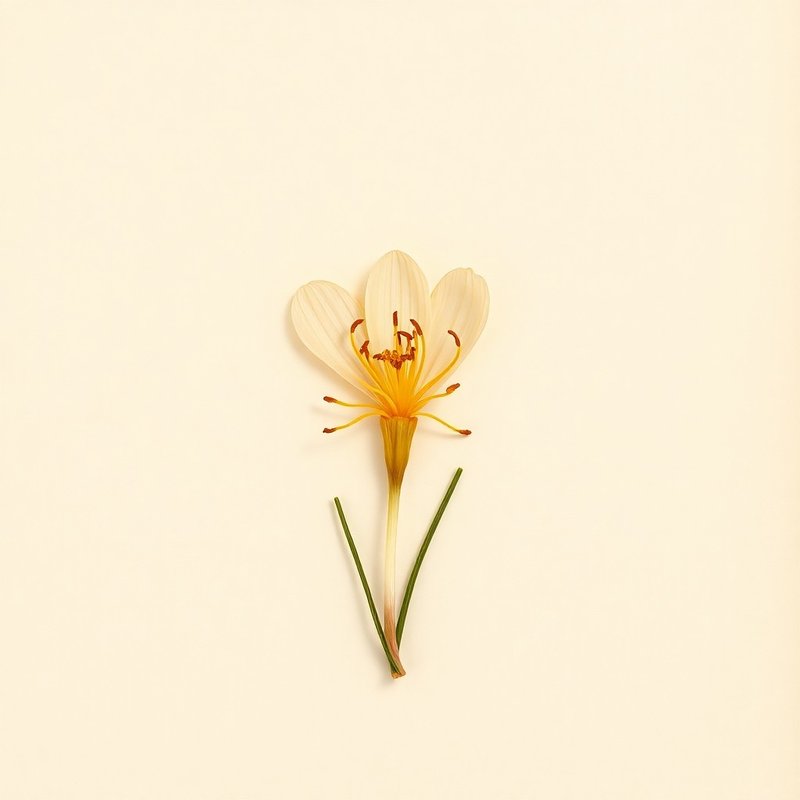
Pl. 6909 — Crocus sativus
Crocus sativusCrocus sativusCrocus sativusCrocus sativusCrocus sativusCrocus sativusCrocus sativusCrocus sativusCrocus sativusCrocus sativusCrocus sativusCrocus sativusCrocus sativusCrocus sativus
IOverview
Overview
Saffron (Crocus sativus) is a small perennial plant native to Greece and known for its vibrant crimson stigmas used extensively in culinary applications and traditional medicine. This plant thrives in full to partial sun and prefers well-drained soil that can be either dry or moist, making it adaptable to various growing conditions within hardiness zones 5-9. The saffron crocus grows to a height of only about 0.1 meters, with similar width, and its distinctive feature lies in the labor-intensive process of harvesting its valuable red stigmas, which are used both for their unique flavor and potential mood-supporting benefits through traditional use. Research indicates that saffron extract may offer comparable efficacy to fluoxetine in managing mild to moderate depression, though it should be noted that such claims are based on documented traditional uses rather than modern clinical trials.
Quick answers
What is Saffron?
Saffron (Crocus sativus) is a small perennial plant native to Greece and known for its vibrant crimson stigmas used extensively in culinary applications and traditional medicine.
What is Saffron used for?
Traditionally used for mood support. Each claim is evidence-rated — see Section II for full citations.
Best for
Top 1 evidence-ranked use of Saffron
Clinicaluses · safety · chemistry · dosagemedicinal profile
IIBenefits & evidence
1 claim · 0 sources
Benefits & evidence
1 claim · 0 sources- Traditional use: saffron extract comparable to fluoxetine in mild-moderate depression trials.
Crocin + safranal — monoamine reuptake
IV·bMixology suggestions
1 draft
Mixology suggestions
1 draftEditorial drafts. These pairings are AI-suggested from traditional herbal lore. Always verify with a qualified herbalist before brewing.
Mood Balance
mood supporttincture
Traditional use for mood enhancement.
Growingconditions · propagation · uses
VCultivation
Cultivation
Saffron (Crocus sativus) thrives in full to partial sun and prefers well-draining soil that is light or sandy with medium moisture levels. It grows best in hardiness zones 5-9 and can be propagated by dividing the corms. The plant requires little water once established but benefits from moist conditions during flowering. While it can tolerate some shade, full sun promotes better growth and more abundant saffron production.
Light
Full sun, Partial sun/shade
Water
Dry, Moist
Soil
Light (sandy), Medium
Hardiness
5-9
Mature size
0.1 m × 0.1 m
For first-time growers
How to grow Saffron for the first time
8steps
Start with planting Saffron in a sunny spot, as it's easy to grow and requires minimal care.
- 1
What you'll need
Saffron corms, well-draining soil, containers or garden beds.
- 2
Best time to plant
Plant in the fall, around September to November, for spring blooms.
- 3
Soil and container prep
Use a light, sandy soil with good drainage. Ensure containers have holes for water to escape.
- 4
Sowing or transplanting
Plant corms 2-3 inches deep and 4 inches apart in the soil.
- 5
First two weeks
Water sparingly, as Saffron prefers dry conditions. Keep them in a sunny spot.
- 6
Ongoing care
Water only when the soil is very dry. Fertilize lightly once or twice during spring and summer.
- 7
Harvest or pruning
After flowers fade, gently remove spent blooms to encourage more flowering but do not prune corms.
- 8
Common mistakes
Overwatering, planting too deep, using heavy soil, neglecting to protect from pests.
VIEdible & utility
Edible & utility
Edible parts:Root
Edible uses: Colouring, Condiment, Tea
Other uses:DyeFragrance
Contextrange · companions · related
VIIDistribution
1 native · 8 introduced
Distribution
1 native · 8 introducedDistribution across3 continents· 1 native· 8 introduced
Europe3 regions
native (1)Greece
introduced (2)ItalySpain
Asia3 regions
introduced (3)IranPakistanTurkey
Africa1 region
introduced (1)Morocco
Broader regions
introduced:West Himalaya, Czechoslovakia
IXSpecimen gallery
1 image
Specimen gallery
1 imageXSee also
8 related
See also
8 relatedPlants you might compare or use together — scored by shared family, common use cases, and growing requirements.
shared use cases
Different families, similar therapeutic role — good for comparing.

XI
Explore further
Companion planting
Health goals
Compare with similar plants
Growing zone
XII
About this entry
- Last updated
- Citation
- How to cite this entry · Submit a correction
Back to the cataloguePlant id · 6909cf7b-803d-4e2a-8a9a-3f323ed7e4e7
Decision aid
Choosing between Saffron and something else?
Continue reading
❦❦❦❦
Endpaper · archive updates
Get archive updates
Occasional email when substantial new content lands — plant profiles, seasonal growing notes, folk-remedy additions. Free, no tracking, unsubscribe anytime.