
Cucumis melo agrestis
IOverview
Overview
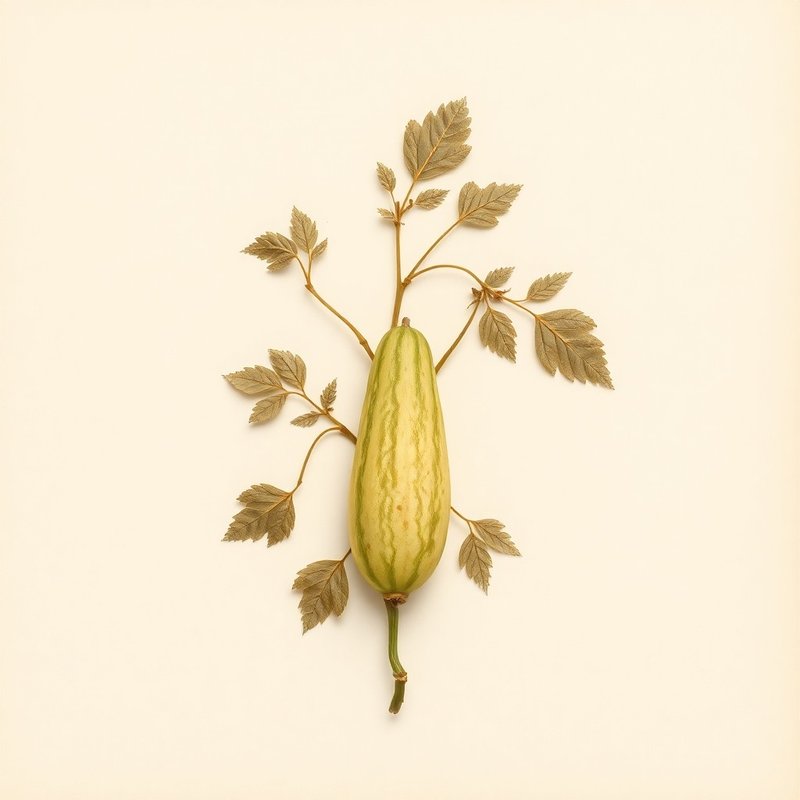
Cucumis melo agrestis, commonly known as wild melon or bitter gourd, is an annual plant belonging to the Cucurbitaceae family. Native to regions including Afghanistan, Angola, Chad, Eritrea, Ethiopia, the Gulf States, and India, this plant thrives in light-loving conditions, preferring moist, well-drained soil types such as light (sandy), medium, and heavy (clay). It can grow up to 1.5 meters tall and is hardy in USDA zones 9-11. The fruit of C. melo agrestis is edible and can be eaten raw or cooked, making it a versatile addition to salads or side dishes. This plant also has ornamental value due to its sprawling growth habit, making it a visually appealing addition to gardens. While primarily known for its edible fruit, C. melo agrestis can be propagated by sowing seeds directly into the garden once the threat of frost has passed, ensuring consistent moisture and well-draining soil for optimal growth.
What is Cucumis melo agrestis?
Cucumis melo agrestis, commonly known as wild melon or bitter gourd, is an annual plant belonging to the Cucurbitaceae family.
VCultivation
Cultivation
How to grow Cucumis melo agrestis for the first time
Start with a simple, light-loving annual that thrives in most soil types.
- 1
What you'll need
Seeds or seedlings, a sunny spot, and basic gardening tools.
- 2
Best time to plant
Plant seeds directly outdoors after the last frost, around late spring.
- 3
Soil and container prep
Choose a well-draining soil with plenty of organic matter. Containers should be at least 30 cm deep.
- 4
Sowing or transplanting
Direct sow seeds 2-3 cm deep, spaced about 60 cm apart. Transplant seedlings when they have two true leaves.
- 5
First two weeks
Water regularly to keep the soil moist but not waterlogged. Provide support for vines as they grow.
- 6
Ongoing care
Fertilize every 2-3 weeks with a balanced organic fertilizer. Keep weeds at bay and monitor for pests.
- 7
Harvest or pruning
Prune occasionally to encourage vine growth and fruit production, but avoid over-pruning.
- 8
Common mistakes
Overwatering, not providing enough support, and neglecting to prune are common issues.
VIEdible & utility
Edible & utility
VIIDistribution
31 native · 131 introduced
Distribution
31 native · 131 introducedIXSpecimen gallery
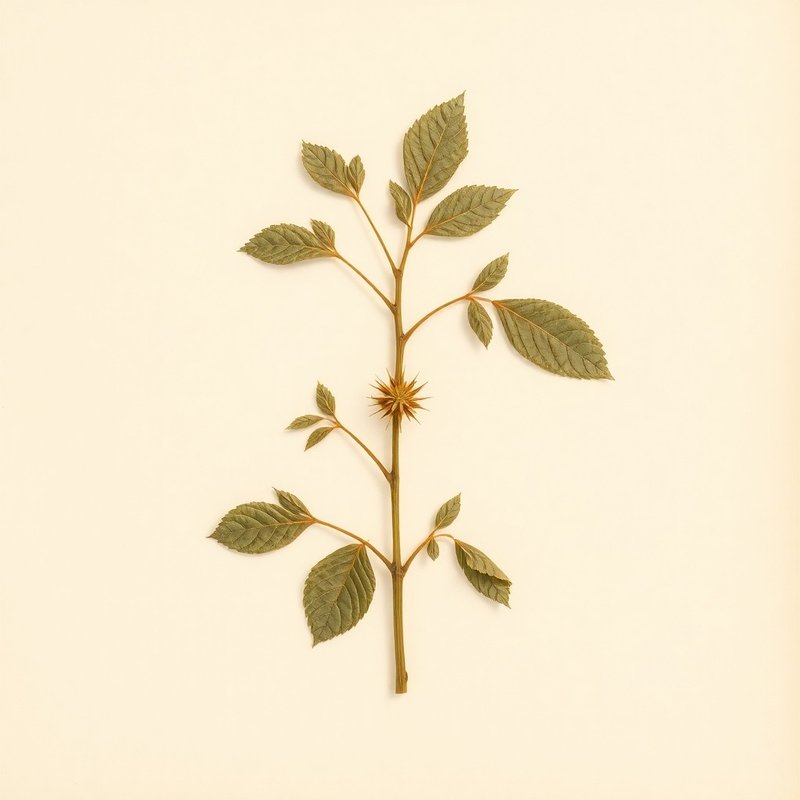
1 image
Specimen gallery
1 imageXSee also
8 related
See also
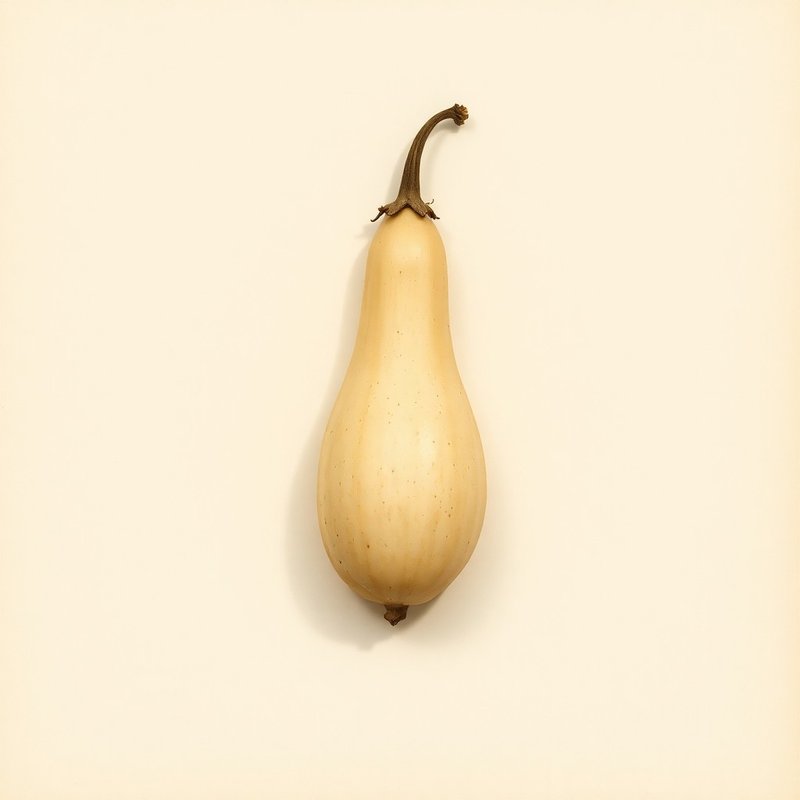
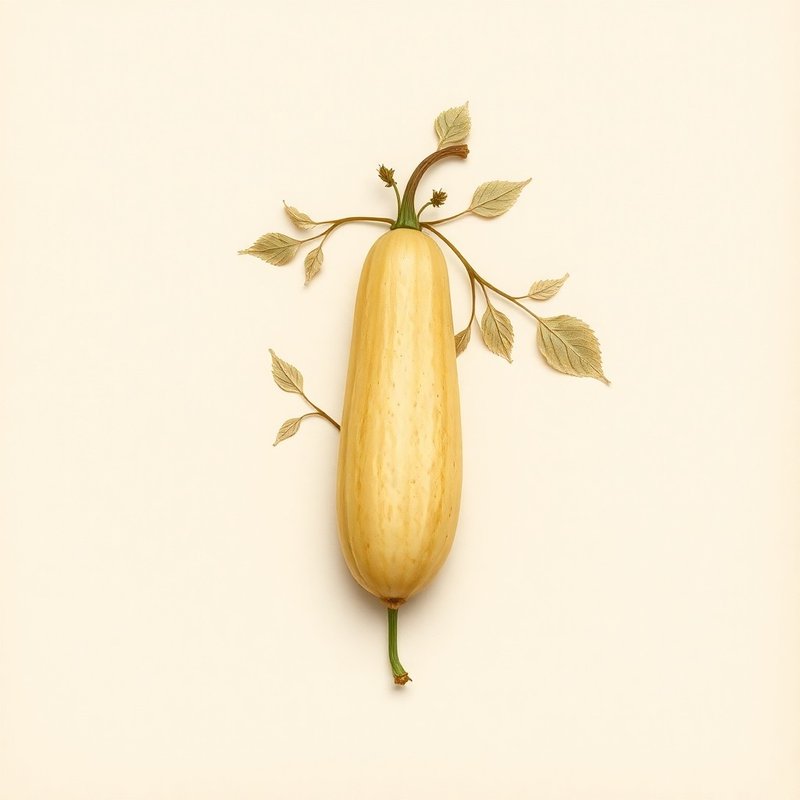
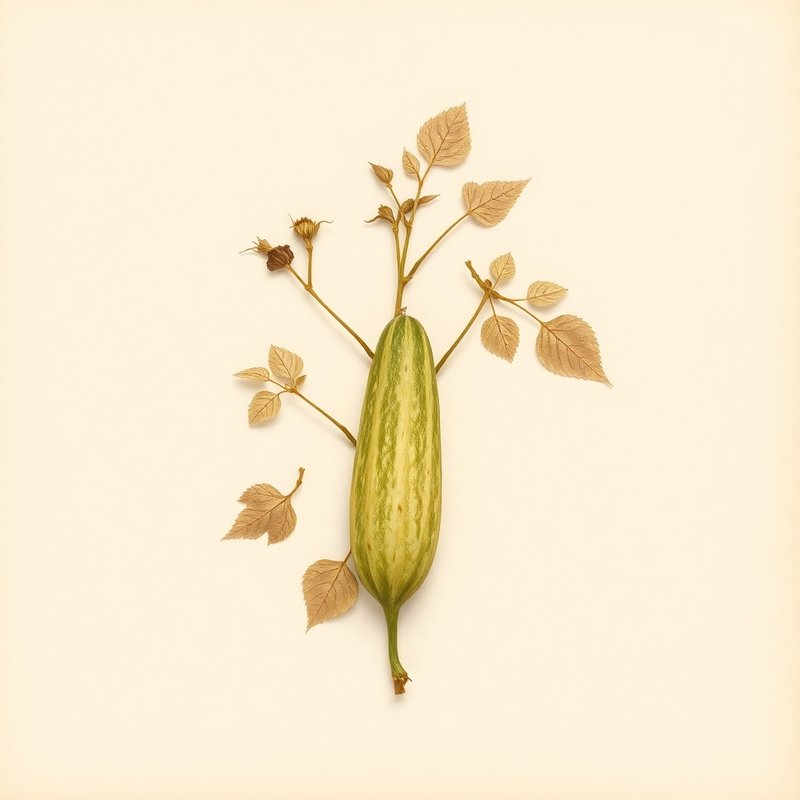
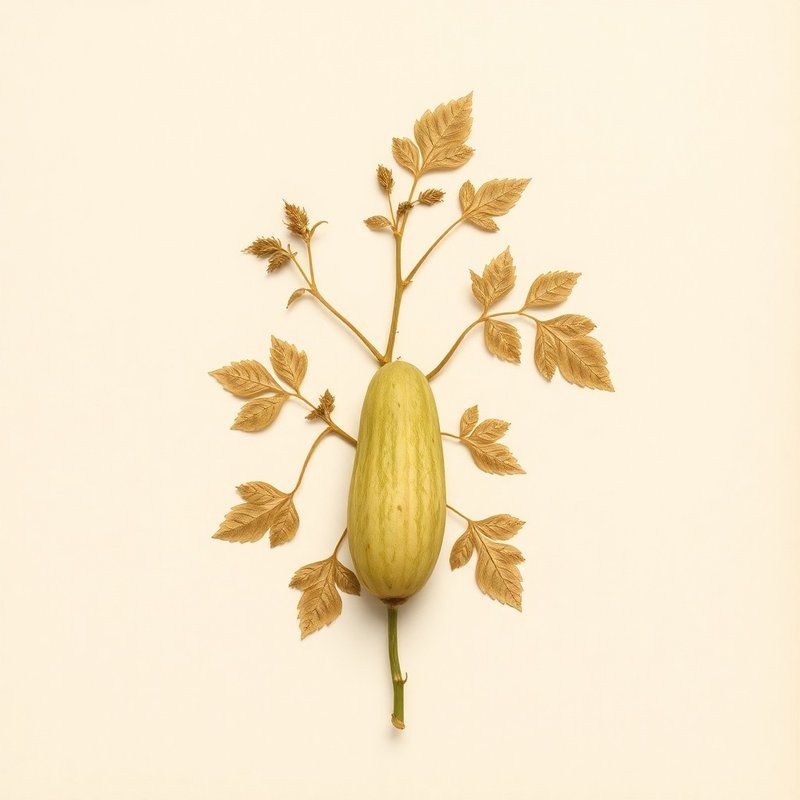
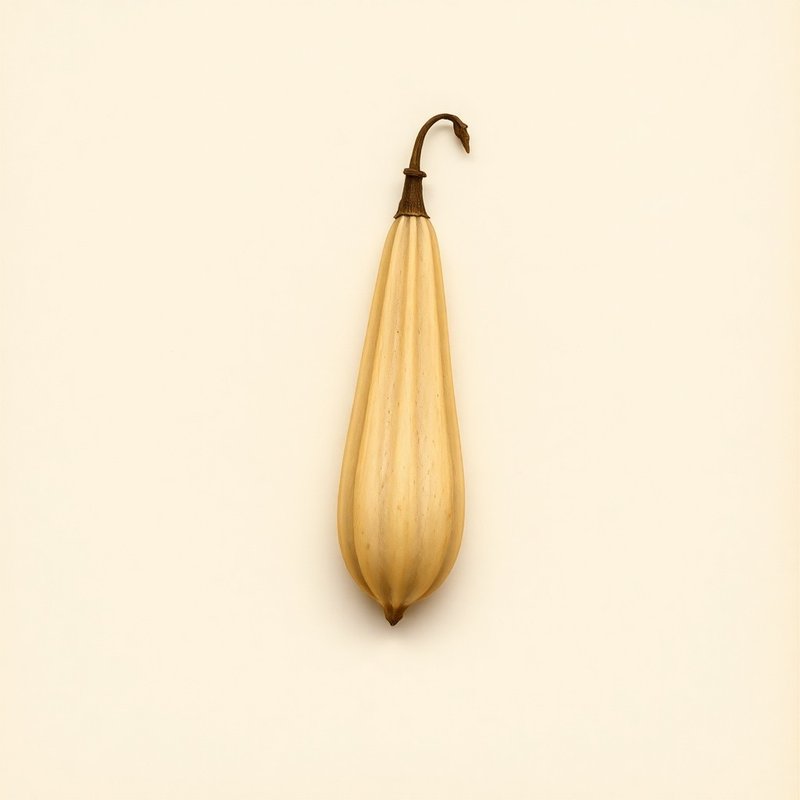
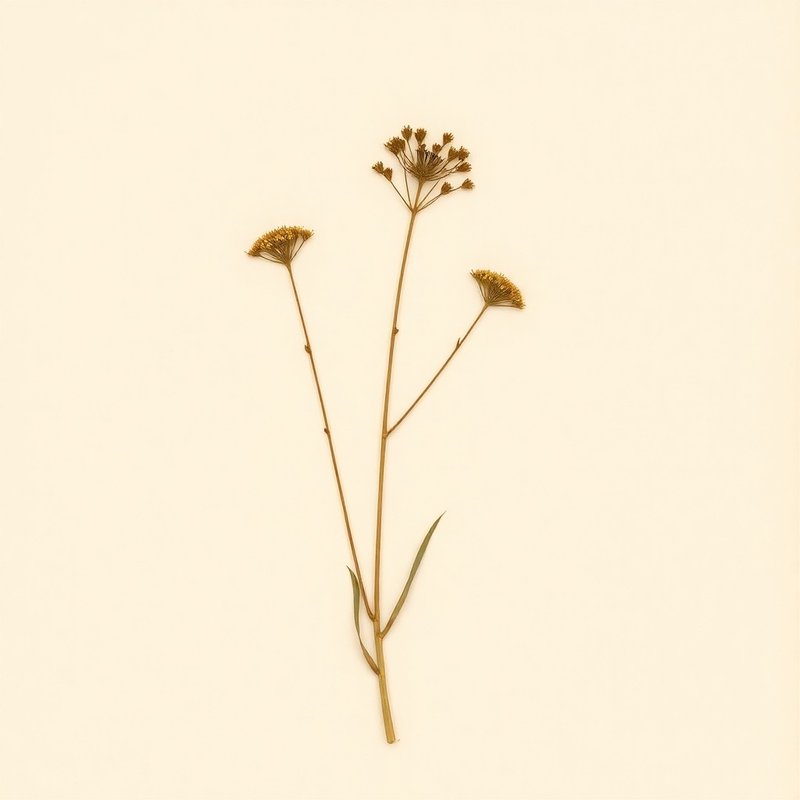
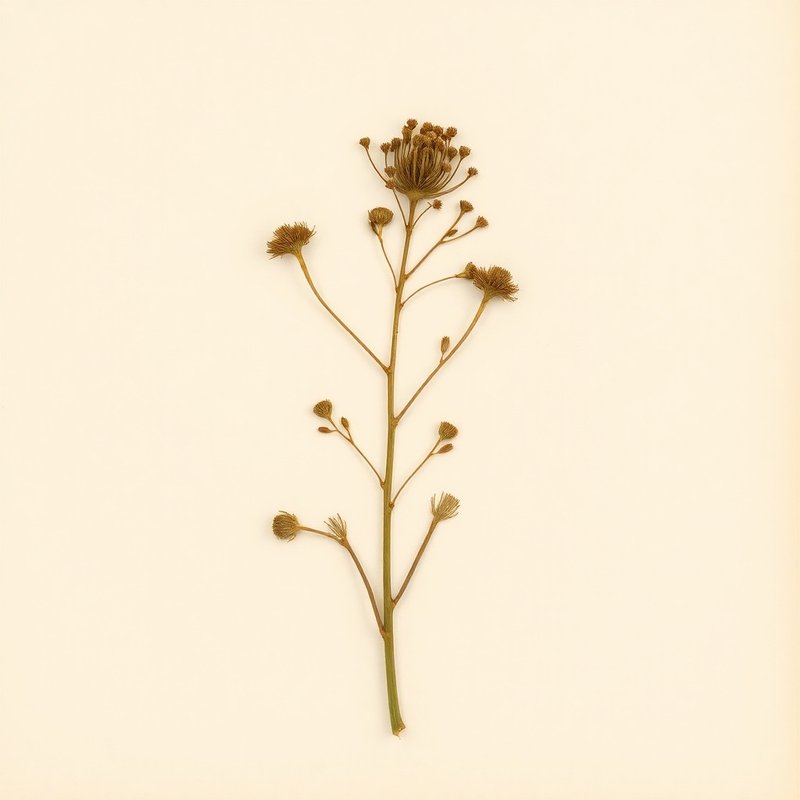
8 relatedPlants you might compare or use together — scored by shared family (Cucurbitaceae), common use cases, and growing requirements.
Explore further
About this entry
- Last updated
- Citation
- How to cite this entry · Submit a correction
Continue reading
Get archive updates
Occasional email when substantial new content lands — plant profiles, seasonal growing notes, folk-remedy additions. Free, no tracking, unsubscribe anytime.