Skip to content
IIIFolio · plant profile№ F531edible
Data provenancePermapeopleTreflePFAFreviewed 18 Oct 2026methodology → read
Home/Plants/Cucurbitaceae

Cucumis melo chito

Cucumis melo chitofam. Cucurbitaceae
Educational content — not medical, botanical, or professional advice. Plant identification, safety, and edibility depend on local conditions, cultivars, and correct identification. Consult a qualified botanist or forager before consuming or handling wild specimens. How we source & review →
edibleannualvinesannualedibleedible fruitnative asiavine
Updated·Quick Q&A →
Garden journal pausedUse profile notes below
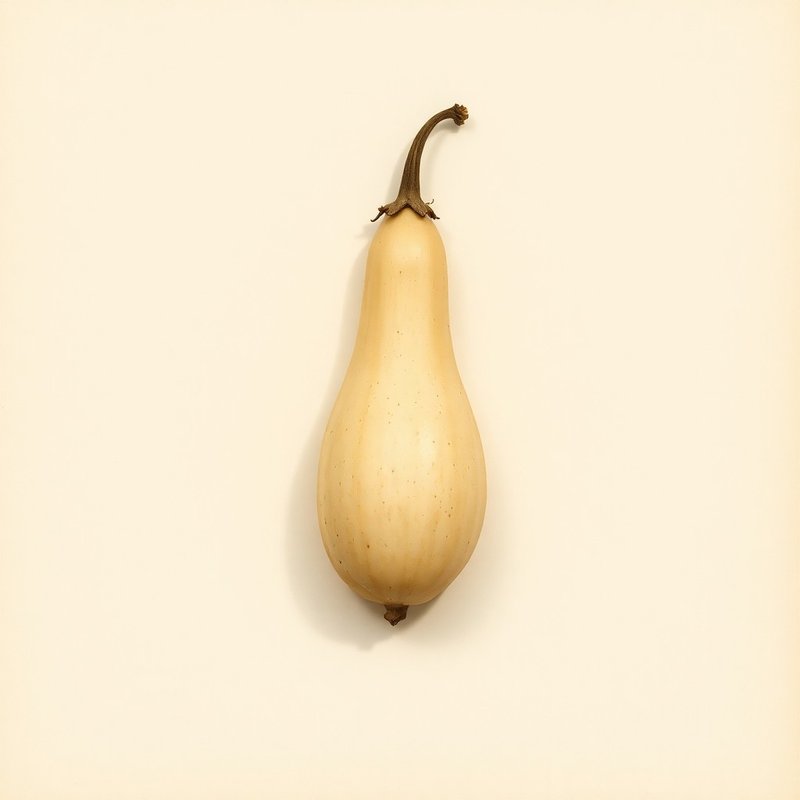
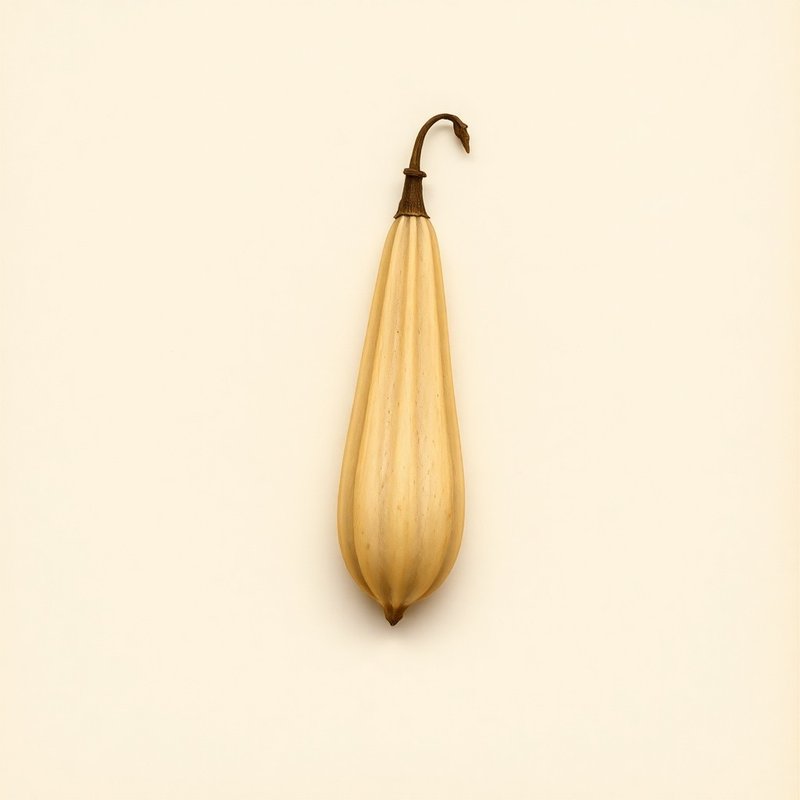
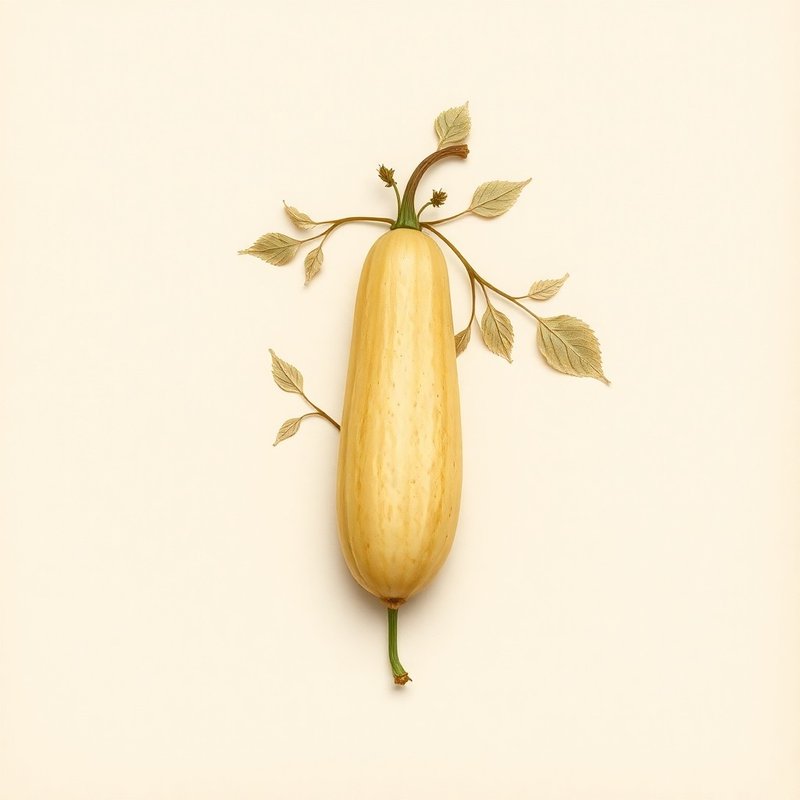
Cucumis melo chito (Cucumis melo chito) — botanical photograph
Pl. F531 — Cucumis melo chito
Cucumis melo chitoCucumis melo chitoCucumis melo chitoCucumis melo chitoCucumis melo chitoCucumis melo chitoCucumis melo chitoCucumis melo chitoCucumis melo chitoCucumis melo chitoCucumis melo chitoCucumis melo chitoCucumis melo chitoCucumis melo chito
I

Overview

Cucumis melo chito, a member of the Cucurbitaceae family, is an annual vine that can grow up to 1.5 meters in height. Native to regions including Afghanistan, Angola, Chad, Eritrea, Ethiopia, Gulf States, and India, this plant thrives in full sun and prefers soil that can be light (sandy), medium, or heavy (clay). It is hardy in zones 9-11, making it a versatile choice for gardeners. Cucumis melo chito is valued for its edible fruit and seeds, which can be used in various culinary applications. This plant's adaptability to different soil types and its annual nature make it a practical choice for gardeners seeking a versatile and productive vine. While not medicinal, it is important to handle the plant with care, especially when harvesting seeds, as some parts of the plant may cause skin irritation. For propagation, sow seeds directly in the garden once the danger of frost has passed. Ensure the soil is well-draining and keep the plants watered regularly to maintain moisture levels. Harvest the fruit when it reaches the desired size and ripeness.

Quick answers

What is Cucumis melo chito?

Cucumis melo chito, a member of the Cucurbitaceae family, is an annual vine that can grow up to 1.5 meters in height. Native to regions including Afghanistan, Angola, Chad, Eritrea, Ethiopia, Gulf States, and India, this plant thrives in full sun and prefers soil that can be light (sandy), medium, or heavy (clay).

Compare with:Bottle Gourd→Cucumis melo agrestis→Cucumis melo flexuosus→all comparisons →
Growingconditions · propagation · uses
V

Cultivation

Cucumis melo chito thrives in full sun and requires moist soil that can be light (sandy), medium, or heavy (clay). It is an annual plant that grows up to 1.5 meters tall and is hardy in temperate regions. For propagation, sow seeds directly in the garden once the danger of frost has passed. Ensure the soil is well-draining and keep the plants watered regularly to maintain moisture levels. Harvest the fruit when it reaches the desired size and ripeness.
Light
Full sun
Water
Moist
Soil
Light (sandy), Medium, Heavy (clay)
Hardiness
9-11
Life cycle
Annual
Mature size
1.5 m tall
For first-time growers

How to grow Cucumis melo chito for the first time

8steps

Start with a simple, light-loving plant that thrives in warm weather and well-draining soil.

  1. 1

    What you'll need

    Seeds or seedlings, potting mix, containers or garden space, stakes for support.

  2. 2

    Best time to plant

    Plant after the last frost in spring when temperatures are consistently above 15°C (60°F).

  3. 3

    Soil and container prep

    Use a light, well-draining soil mix. Ensure containers have drainage holes if planting indoors.

  4. 4

    Sowing or transplanting

    Direct sow seeds 2-3 cm deep in the garden or start seedlings indoors 4 weeks before planting out.

  5. 5

    First two weeks

    Keep soil consistently moist and provide partial shade if temperatures are very high.

  6. 6

    Ongoing care

    Water regularly, especially during dry spells. Fertilize lightly every few weeks with a balanced organic fertilizer.

  7. 7

    Harvest or pruning

    Prune vines to 3-4 main stems for better fruit production and easier maintenance.

  8. 8

    Common mistakes

    Overwatering, planting too early in cold soil, neglecting support structures, not providing enough sunlight.

VI

Edible & utility

Edible parts:FruitSeed
Edible uses: Oil
Other uses:oil
Contextrange · companions · related
VII

Distribution

31 native · 131 introduced
Distribution across5 continents· 31 native· 131 introduced
Europe9 regions
introduced (9)AlbaniaAustriaDenmarkFinlandNorwayPortugalRussiaSpainSweden
Asia28 regions
native (10)AfghanistanIndiaIranIraqOmanPakistanPalestineSaudi ArabiaSri LankaYemen
introduced (18)BangladeshCambodiaChinaGeorgiaIndiaJapanKazakhstanLaosMaldivesMyanmarNepalPhilippinesSouth KoreaThailandTurkeyTurkmenistanUzbekistanVietnam
Americas13 regions
introduced (13)BahamasBelizeBoliviaColombiaCosta RicaCubaDominican RepublicEcuadorEl SalvadorHaitiJamaicaNicaraguaVenezuela
Africa33 regions
native (13)AngolaChadEritreaEthiopiaKenyaMalawiMozambiqueSomaliaSudanTanzaniaUgandaZambiaZimbabwe
introduced (20)AlgeriaBeninBurkina FasoCabo VerdeCameroonCôte d'IvoireEgyptGambiaGhanaGuineaGuinea-BissauLibyaMaliMauritaniaMoroccoNigerNigeriaSenegalSeychellesTunisia
Oceania4 regions
introduced (4)FijiNauruNew CaledoniaSamoa
Broader regions
native:Gulf States, Lebanon-Syria, New South Wales, Northern Provinces, Northern Territory, Queensland, South Australia, Western Australia
introduced:Alabama, Andaman Is., Argentina Northeast, Argentina Northwest, Arizona, Arkansas, Bismarck Archipelago, Borneo, California, Caroline Is., Cayman Is., Central African Repu, Connecticut, Cook Is., Czechoslovakia, East Himalaya, Florida, Gilbert Is., Illinois, Jawa, Kentucky, Kirgizstan, Leeward Is., Lesser Sunda Is., Louisiana, Malaya, Marianas, Marquesas, Marshall Is., Masachusettes, Mexico Southwest, Michigan, Mississippi, Missouri, Nevada, New Guinea, New Hampshire, New Mexico, New York, Nicobar Is., North Carolina, Ohio, Oklahoma, Ontario, Pennsylvania, Rhode I., Society Is., Solomon Is., South Carolina, Tadzhikistan, Texas, Transcaucasus, Trinidad-Tobago, Utah, Venezuelan Antilles, Virginia, Wake I., West Virginia, Windward Is., Zaïre
IX

Specimen gallery

1 image
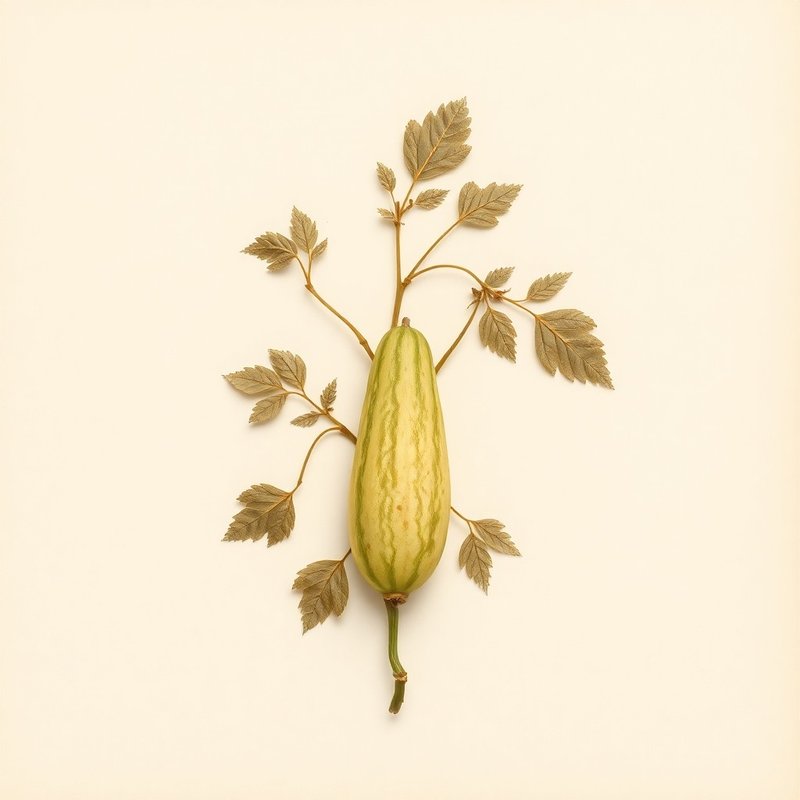
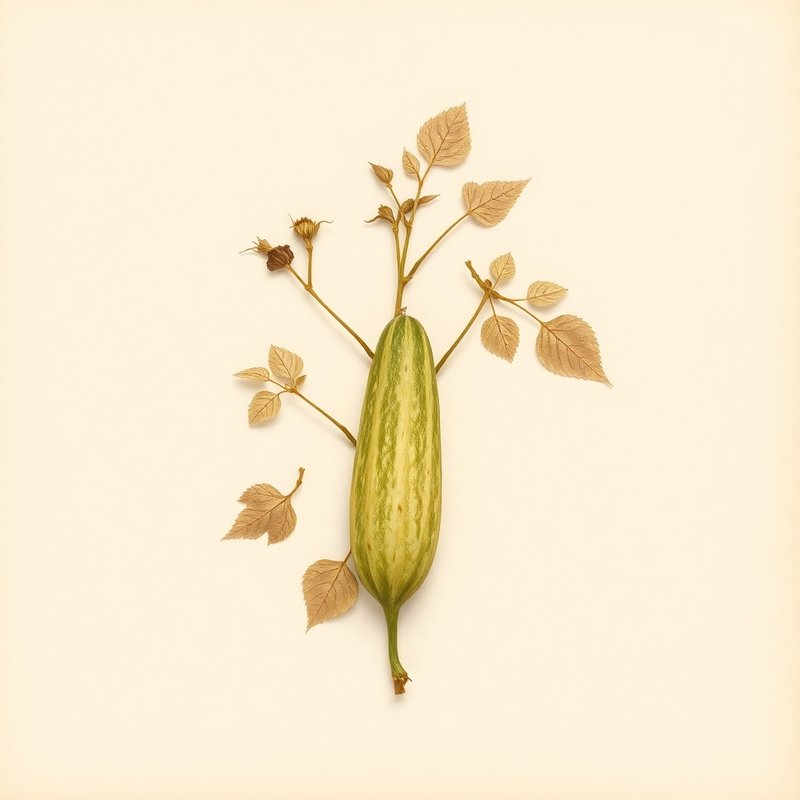
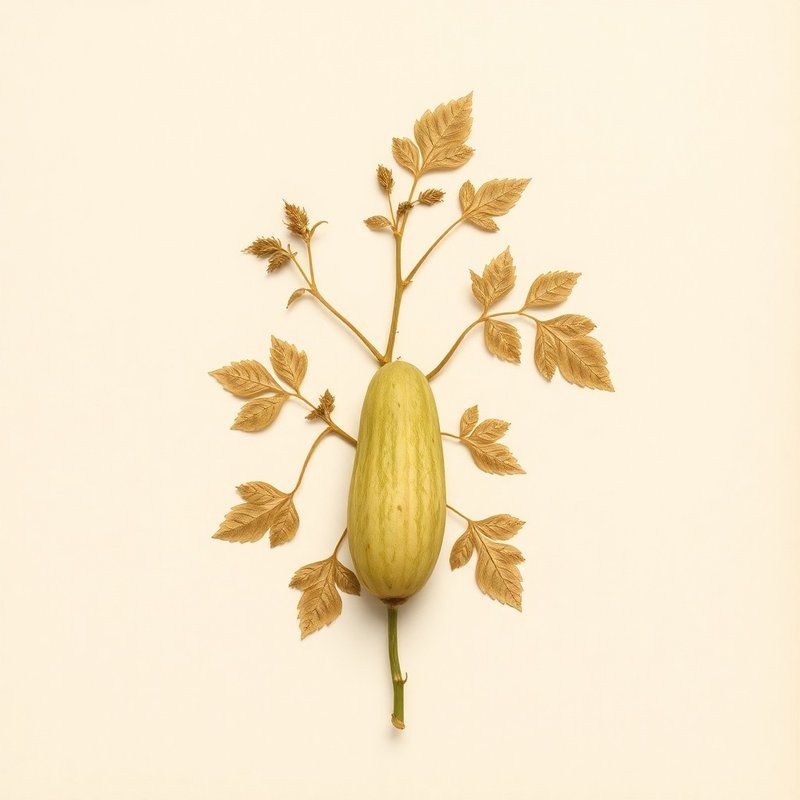
Cucumis melo chito (Cucumis melo chito) — botanical photograph
Cucumis melo chito (Cucumis melo chito)
X

See also

8 related
XI

Explore further

XII

About this entry

Last updated
Citation
How to cite this entry · Submit a correction
Back to the cataloguePlant id · f5317d52-c04a-4959-bd6d-45bcbc4aa725
❦❦❦❦
Endpaper · archive updates

Get archive updates

Occasional email when substantial new content lands — plant profiles, seasonal growing notes, folk-remedy additions. Free, no tracking, unsubscribe anytime.

Newsletter returning soon.
We are rebuilding the update list around a lightweight editorial workflow. New dispatches will resume after the next content review cycle.
iCare notes