
Chayote
Sechium edulefam. Cucurbitaceae
Educational content — not medical, botanical, or professional advice. Plant identification, safety, and edibility depend on local conditions, cultivars, and correct identification. Consult a qualified botanist or forager before consuming or handling wild specimens. How we source & review →
Garden journal pausedUse profile notes below
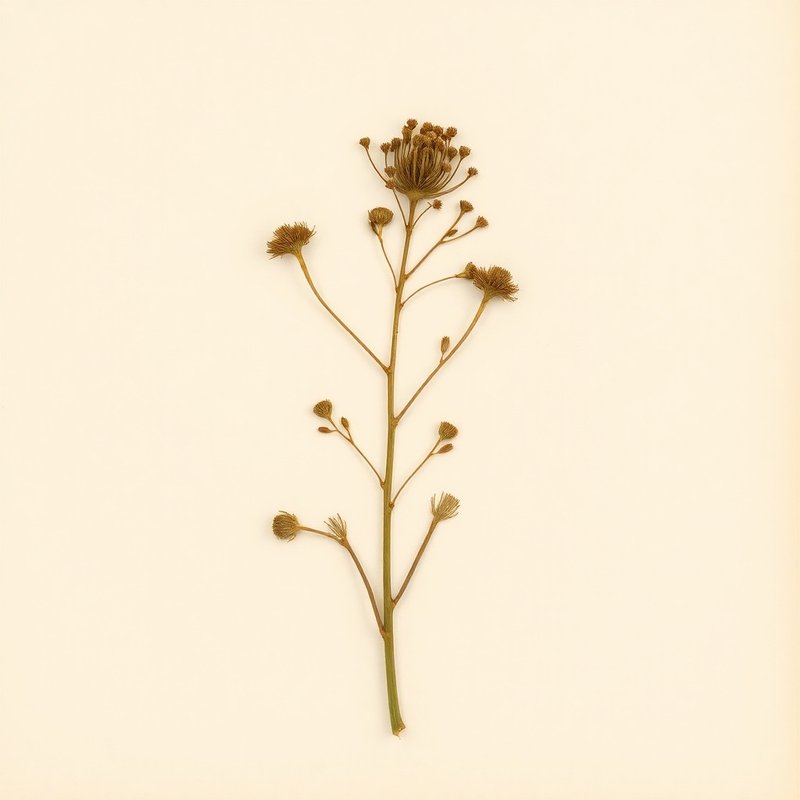
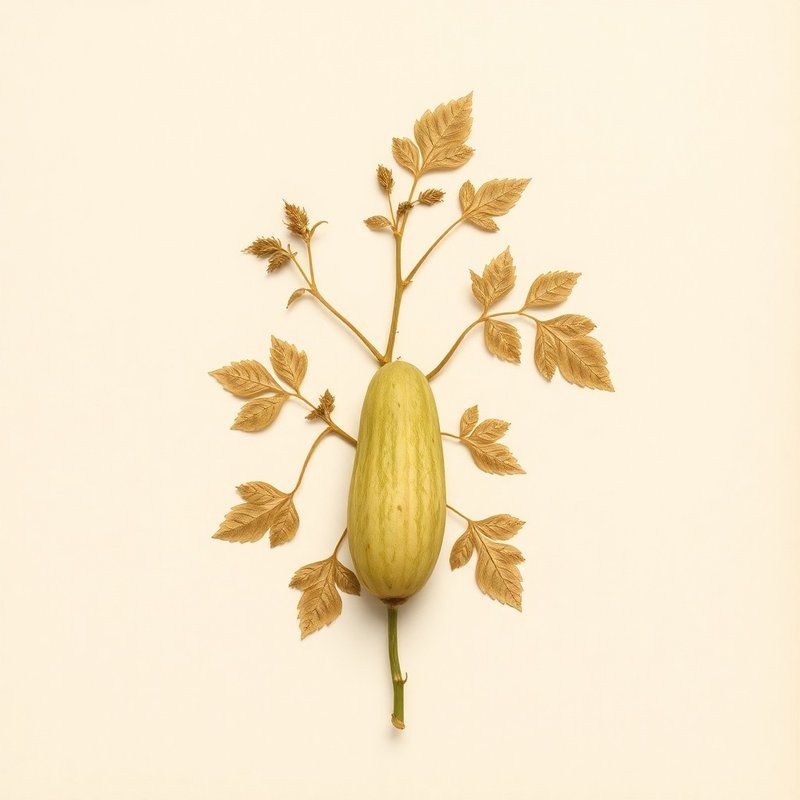
Pl. F741 — Sechium edule
Sechium eduleSechium eduleSechium eduleSechium eduleSechium eduleSechium eduleSechium eduleSechium eduleSechium eduleSechium eduleSechium eduleSechium eduleSechium eduleSechium edule
IOverview
Overview
Chayote (Sechium edule), a member of the Cucurbitaceae family, is a perennial vine native to tropical regions in Mexico and Central America. This plant thrives in full sun to partial shade and prefers moist, well-draining soil that can be light (sandy), medium, or heavy (clay). Chayote vines can grow up to 12 meters tall, making them a prominent feature in gardens and landscapes within their native range. Edible parts of the chayote plant are versatile and widely used. The fruit, leaves, and shoots can be eaten raw or cooked, often prepared as a vegetable side dish, either sautéed or boiled. Chayote flowers are also edible and can be used fresh or fried. Roots and seeds are less commonly consumed but may be utilized in stews and soups. Introduced into various regions such as Argentina Northwest, Ascension, Assam, Azores, Bangladesh, Bolivia, Cameroon, Canary Islands, Cayman Islands, China South-Central, China Southeast, Colombia, Cook Islands, Costa Rica, Cuba, Dominican Republic, East Himalaya, Ecuador, El Salvador, Guatemala, Gulf of Guinea Islands, Haiti, Hawaii, Honduras, India, Jamaica, Java, Leeward Islands, Madeira, Mariana Islands, Mauritius, Nepal, New Caledonia, Peru, Puerto Rico, Rodrigues, Réunion, St. Helena, Thailand, Trinidad and Tobago, Venezuela, Venezuelan Antilles, Vietnam, West Himalaya, Windward Islands, chayote has become a valuable addition to both culinary and ornamental settings. Chayote vines are vigorous climbers and benefit from trellises or support structures for optimal growth. The plant is hardy in zones 9-12, making it suitable for warm climates. Regular watering, especially during the growing season, is essential for its health and productivity. Chayote can be propagated through seeds or cuttings, offering gardeners a reliable method to expand their collections. While chayote is primarily known for its culinary uses, it also has practical applications in weaving and fiber production due to its fibrous vines. Its adaptability and versatility make it a valuable plant in both native and introduced regions.
Quick answers
What is Chayote?
Chayote (Sechium edule), a member of the Cucurbitaceae family, is a perennial vine native to tropical regions in Mexico and Central America. This plant thrives in full sun to partial shade and prefers moist, well-draining soil that can be light (sandy), medium, or heavy (clay).
Growingconditions · propagation · uses
VCultivation
Cultivation
Chayote thrives in full to partial sun and prefers moist, well-draining soil that can be light (sandy), medium, or heavy (clay). It is hardy in zones 9-12, making it suitable for warm climates. The plant grows up to 12 meters tall and can be propagated from seeds or cuttings. Regular watering is essential, especially during the growing season. For best results, provide a trellis or support structure as chayote vines are vigorous climbers. Harvest edible parts such as flowers, fruit, leaves, roots, seeds, and shoots throughout the year.
Light
Full sun, Partial sun/shade
Water
Moist
Soil
Light (sandy), Medium, Heavy (clay)
Hardiness
9-12
Life cycle
Perennial
Mature size
12.0 m tall
For first-time growers
How to grow Chayote for the first time
8steps
Start with a simple, sunny spot and basic care for your chayote plant.
- 1
What you'll need
A large pot or garden space, seeds or young plants.
- 2
Best time to plant
Plant in spring when the risk of frost is low.
- 3
Soil and container prep
Use well-draining soil with a mix of light sand and organic matter. Ensure containers are at least 50 cm deep.
- 4
Sowing or transplanting
Direct sow seeds 2-3 cm deep, or transplant young plants after the last frost.
- 5
First two weeks
Keep soil consistently moist and provide partial shade to avoid scorching.
- 6
Ongoing care
Water regularly, especially during dry spells. Fertilize every 4-6 weeks with a balanced organic fertilizer.
- 7
Harvest or pruning
Prune vines to control size and encourage fruit production. Harvest fruits when they are firm and mature.
- 8
Common mistakes
Overwatering, not providing enough support for the vines, neglecting to prune, planting in heavy soil, and exposing plants to direct sun without acclimation.
VIEdible & utility
Edible & utility
Edible parts:FlowersFruitLeavesRootSeedShoots
Edible uses: Chayote is versatile in its culinary uses. The fruit, leaves, and shoots can be eaten raw or cooked. They are often prepared as a vegetable side dish, either sautéed or boiled. The flowers can also be used fresh or fried. Roots and seeds are less commonly consumed but are sometimes utilized in stews and soups.
Other uses:Weaving materialFiber
Contextrange · companions · related
VIIDistribution
7 native · 45 introduced
Distribution
7 native · 45 introducedDistribution across5 continents· 7 native· 45 introduced
Europe2 regions
introduced (2)PortugalSpain
Asia6 regions
introduced (6)BangladeshChinaIndiaNepalThailandVietnam
Americas16 regions
native (1)Belize
introduced (15)BoliviaColombiaCosta RicaCubaDominican RepublicEcuadorEl SalvadorGuatemalaHaitiHondurasJamaicaPeruPuerto RicoUnited StatesVenezuela
Africa2 regions
introduced (2)CameroonMauritius
Oceania1 region
introduced (1)New Caledonia
Broader regions
native:Mexico Central, Mexico Gulf, Mexico Northeast, Mexico Northwest, Mexico Southeast, Mexico Southwest
introduced:Argentina Northwest, Ascension, Cayman Is., Cook Is., East Himalaya, Gulf of Guinea Is., Jawa, Leeward Is., Marianas, Réunion, Rodrigues, St.Helena, Trinidad-Tobago, Venezuelan Antilles, West Himalaya, Windward Is.
IXSpecimen gallery
1 image
Specimen gallery
1 imageXSee also
8 related
See also
8 relatedPlants you might compare or use together — scored by shared family (Cucurbitaceae), common use cases, and growing requirements.
same family · Cucurbitaceae
Botanical relatives — often share phytochemistry + growing needs.
XI
Explore further
Companion planting
Compare with similar plants
Growing zone
Native to
XII
About this entry
- Last updated
- Citation
- How to cite this entry · Submit a correction
Back to the cataloguePlant id · f741f1e0-5fd7-4a2e-aa5f-8a161f44c76e
Decision aid
Choosing between Chayote and something else?
Continue reading
❦❦❦❦
Endpaper · archive updates
Get archive updates
Occasional email when substantial new content lands — plant profiles, seasonal growing notes, folk-remedy additions. Free, no tracking, unsubscribe anytime.
Newsletter returning soon.
We are rebuilding the update list around a lightweight editorial workflow. New dispatches will resume after the next content review cycle.