
Cucumis melo inodorus
Cucumis melo inodorusfam. Cucurbitaceae
Educational content — not medical, botanical, or professional advice. Plant identification, safety, and edibility depend on local conditions, cultivars, and correct identification. Consult a qualified botanist or forager before consuming or handling wild specimens. How we source & review →
Garden journal pausedUse profile notes below
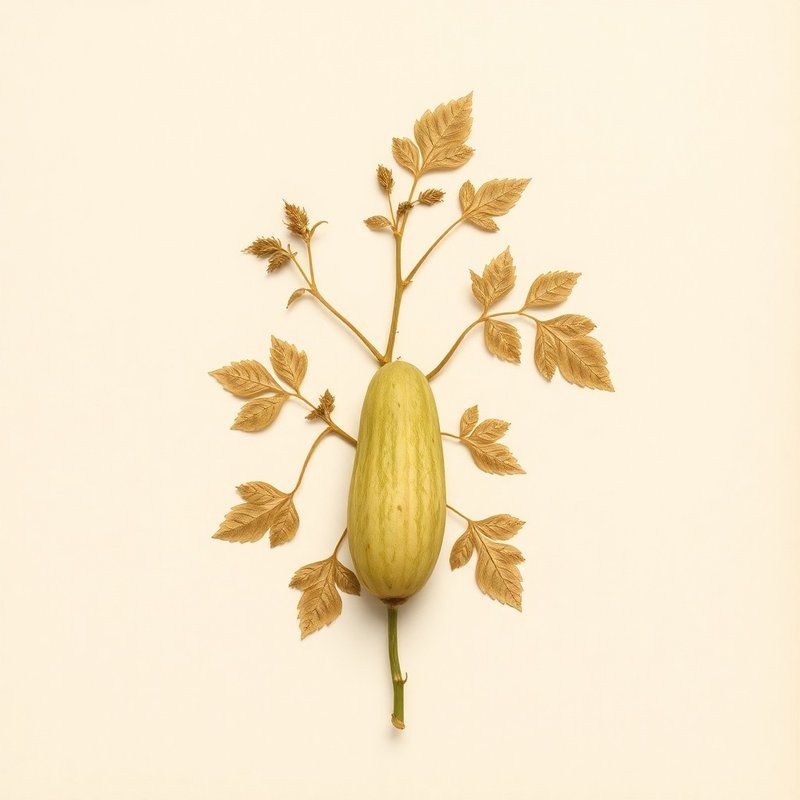
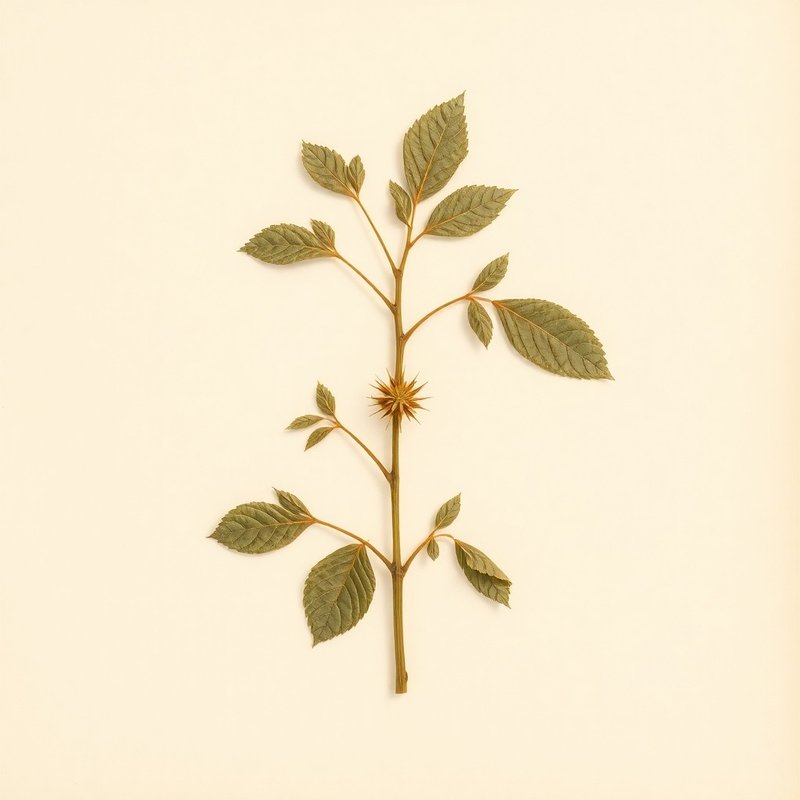
Pl. 31EC — Cucumis melo inodorus
Cucumis melo inodorusCucumis melo inodorusCucumis melo inodorusCucumis melo inodorusCucumis melo inodorusCucumis melo inodorusCucumis melo inodorusCucumis melo inodorusCucumis melo inodorusCucumis melo inodorusCucumis melo inodorusCucumis melo inodorusCucumis melo inodorusCucumis melo inodorus
IOverview
Overview
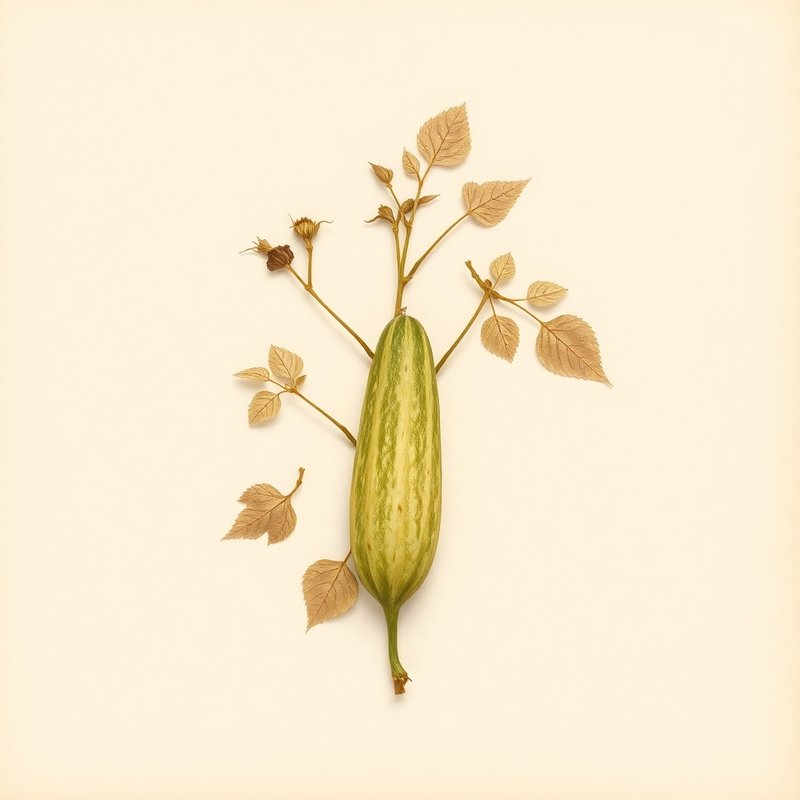
The honeydew melon (Cucumis melo inodorus) belongs to the Cucurbitaceae family and is native to tropical and subtropical regions across Africa, Asia, and parts of the Americas. This plant thrives in full sun with moist soil that can be light (sandy), medium, or heavy (clay). The honeydew melon has a spherical or oblong shape, with a smooth exterior, making it easily recognizable among other melons. Native to countries such as Afghanistan, Angola, Chad, and India, the honeydew melon is known for its edible fruit and seeds. Its annual life cycle and hardiness zones 9-11 make it suitable for cultivation in warm climates. The plant reaches a height of about 1.5 meters and benefits from regular watering to maintain soil moisture. For optimal growth, plant the seeds directly in the garden once the threat of frost has passed. Given its annual nature, it is best to sow new seeds each year for continuous harvests. While primarily cultivated for its fruit and seeds, the honeydew melon can also produce an oil from its seeds, though this use is not widely documented. The honeydew melon's smooth exterior and spherical or oblong shape are distinctive features that aid in practical identification. It thrives in full sun with moist soil types, making it adaptable to various growing conditions within its native range.
Quick answers
What is Cucumis melo inodorus?
The honeydew melon (Cucumis melo inodorus) belongs to the Cucurbitaceae family and is native to tropical and subtropical regions across Africa, Asia, and parts of the Americas. This plant thrives in full sun with moist soil that can be light (sandy), medium, or heavy (clay).
Growingconditions · propagation · uses
VCultivation
Cultivation
The honeydew melon thrives in full sun and requires moist soil that can be light (sandy), medium, or heavy (clay). It is hardy in zones 9-11, making it suitable for temperate regions with warm summers. For optimal growth, plant the seeds directly in the garden once the threat of frost has passed. The melon reaches a height of about 1.5 meters and benefits from regular watering to maintain soil moisture. Given its annual life cycle, it is best to sow new seeds each year for continuous harvests.
Light
Full sun
Water
Moist
Soil
Light (sandy), Medium, Heavy (clay)
Hardiness
9-11
Life cycle
Annual
Mature size
1.5 m tall
For first-time growers
How to grow Cucumis melo inodorus for the first time
8steps
Start with a simple, sunny spot and basic soil preparation for your first honeydew melon.
- 1
What you'll need
Seeds or seedlings, a trellis or support structure, garden tools like a rake and hoe.
- 2
Best time to plant
Plant seeds after the last frost in spring when temperatures are consistently above 15°C (60°F).
- 3
Soil and container prep
Choose a well-draining soil with plenty of organic matter. Ensure containers are at least 30 cm deep and wide.
- 4
Sowing or transplanting
Direct sow seeds 2-3 cm deep, spaced about 60 cm apart in rows 150 cm apart. Transplant seedlings when they have two true leaves.
- 5
First two weeks
Water regularly to keep the soil moist but not waterlogged. Monitor for pests and diseases.
- 6
Ongoing care
Provide consistent watering, especially during fruit development. Fertilize every 4-6 weeks with a balanced organic fertilizer.
- 7
Harvest or pruning
Prune any non-productive vines to focus energy on the main fruit-bearing vines. Harvest when fruits are fully ripe and slightly soft.
- 8
Common mistakes
Overwatering, planting too early in cold soil, neglecting support structures, not providing enough space between plants.
VIEdible & utility
Edible & utility
Edible parts:FruitSeed
Edible uses: Oil
Other uses:oil
Contextrange · companions · related
VIIDistribution
31 native · 131 introduced
Distribution
31 native · 131 introducedDistribution across5 continents· 31 native· 131 introduced
Europe9 regions
introduced (9)AlbaniaAustriaDenmarkFinlandNorwayPortugalRussiaSpainSweden
Asia28 regions
native (10)AfghanistanIndiaIranIraqOmanPakistanPalestineSaudi ArabiaSri LankaYemen
introduced (18)BangladeshCambodiaChinaGeorgiaIndiaJapanKazakhstanLaosMaldivesMyanmarNepalPhilippinesSouth KoreaThailandTurkeyTurkmenistanUzbekistanVietnam
Americas13 regions
introduced (13)BahamasBelizeBoliviaColombiaCosta RicaCubaDominican RepublicEcuadorEl SalvadorHaitiJamaicaNicaraguaVenezuela
Africa33 regions
native (13)AngolaChadEritreaEthiopiaKenyaMalawiMozambiqueSomaliaSudanTanzaniaUgandaZambiaZimbabwe
introduced (20)AlgeriaBeninBurkina FasoCabo VerdeCameroonCôte d'IvoireEgyptGambiaGhanaGuineaGuinea-BissauLibyaMaliMauritaniaMoroccoNigerNigeriaSenegalSeychellesTunisia
Oceania4 regions
introduced (4)FijiNauruNew CaledoniaSamoa
Broader regions
native:Gulf States, Lebanon-Syria, New South Wales, Northern Provinces, Northern Territory, Queensland, South Australia, Western Australia
introduced:Alabama, Andaman Is., Argentina Northeast, Argentina Northwest, Arizona, Arkansas, Bismarck Archipelago, Borneo, California, Caroline Is., Cayman Is., Central African Repu, Connecticut, Cook Is., Czechoslovakia, East Himalaya, Florida, Gilbert Is., Illinois, Jawa, Kentucky, Kirgizstan, Leeward Is., Lesser Sunda Is., Louisiana, Malaya, Marianas, Marquesas, Marshall Is., Masachusettes, Mexico Southwest, Michigan, Mississippi, Missouri, Nevada, New Guinea, New Hampshire, New Mexico, New York, Nicobar Is., North Carolina, Ohio, Oklahoma, Ontario, Pennsylvania, Rhode I., Society Is., Solomon Is., South Carolina, Tadzhikistan, Texas, Transcaucasus, Trinidad-Tobago, Utah, Venezuelan Antilles, Virginia, Wake I., West Virginia, Windward Is., Zaïre
IXSpecimen gallery
1 image
Specimen gallery
1 imageXSee also
8 related
See also
8 relatedPlants you might compare or use together — scored by shared family (Cucurbitaceae), common use cases, and growing requirements.
same family · Cucurbitaceae
Botanical relatives — often share phytochemistry + growing needs.
XI
Explore further
Companion planting
Compare with similar plants
Growing zone
Native to
XII
About this entry
- Last updated
- Citation
- How to cite this entry · Submit a correction
Back to the cataloguePlant id · 31ecf64e-ba30-4119-bdea-73065c9e0bc3
Decision aid
Choosing between Cucumis melo inodorus and something else?
Continue reading
❦❦❦❦
Endpaper · archive updates
Get archive updates
Occasional email when substantial new content lands — plant profiles, seasonal growing notes, folk-remedy additions. Free, no tracking, unsubscribe anytime.
Newsletter returning soon.
We are rebuilding the update list around a lightweight editorial workflow. New dispatches will resume after the next content review cycle.