
Eleutherococcus gracylistylus
Eleutherococcus gracylistylus
Educational content — not medical, botanical, or professional advice. Always consult a qualified clinician before using any herbal preparation — especially during pregnancy, breastfeeding, while on medication, or for children. How we source & review →
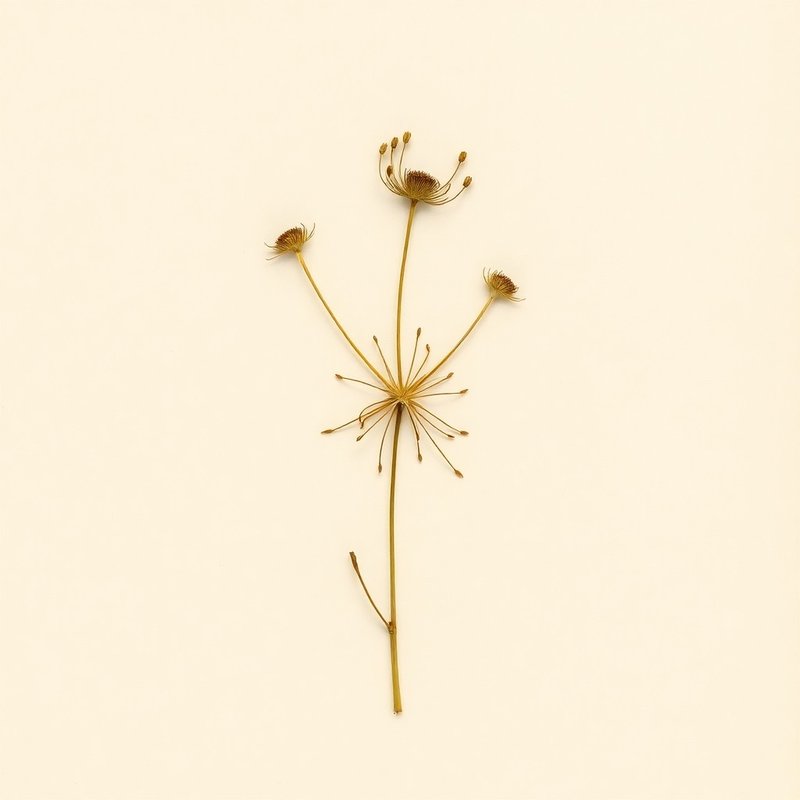
Pl. F0DA — Eleutherococcus gracylistylus
Eleutherococcus gracylistylusEleutherococcus gracylistylusEleutherococcus gracylistylusEleutherococcus gracylistylusEleutherococcus gracylistylusEleutherococcus gracylistylusEleutherococcus gracylistylusEleutherococcus gracylistylusEleutherococcus gracylistylusEleutherococcus gracylistylusEleutherococcus gracylistylusEleutherococcus gracylistylusEleutherococcus gracylistylusEleutherococcus gracylistylus
IOverview
Overview
Eleutherococcus gracylistylus, a member of the Eleutherococcus genus, is native to China's north-central, south-central, and southeast regions as well as Taiwan. This plant thrives in light conditions ranging from full sun to partial shade and prefers moist soil that can be either sandy, medium, or clayey. It grows up to 3 meters tall and is known for its edible flowers, making it a versatile addition to gardens and landscapes. Its medicinal use has been documented, adding another layer of value to this plant.
Quick answers
What is Eleutherococcus gracylistylus?
Eleutherococcus gracylistylus, a member of the Eleutherococcus genus, is native to China's north-central, south-central, and southeast regions as well as Taiwan. This plant thrives in light conditions ranging from full sun to partial shade and prefers moist soil that can be either sandy, medium, or clayey.
What is Eleutherococcus gracylistylus used for?
Traditionally used for energy & focus, immune support. Each claim is evidence-rated — see Section II for full citations.
Best for
Top 2 evidence-ranked uses of Eleutherococcus gracylistylus
Clinicaluses · safety · chemistry · dosagemedicinal profile
IIBenefits & evidence
2 claims · 0 sources
Benefits & evidence
2 claims · 0 sources- Traditional-use note: Eleutherococcus gracylistylus appears in herbal sources around clarity and study-routine traditions, often as a decoction. PlantSage presents this as ethnobotanical context, not as medical advice.
Traditional context only. This reviewed claim keeps the original moderate confidence level, but avoids treatment, disease, dosage, or guaranteed-effect language.
- Eleutherococcus species have a long history in traditional Chinese medicine for immune support, often prepared as decoctions or teas. Eleutherococcus gracylistylus may provide similar benefits.
The eleutherosides found in Eleutherococcus species are thought to modulate the immune system by enhancing cytokine production and increasing natural killer cell activity. However, specific mechanisms for E. gracylistylus have not been fully elucidated.
IV·bMixology suggestions
2 drafts
Mixology suggestions
2 draftsEditorial drafts. These pairings are AI-suggested from traditional herbal lore. Always verify with a qualified herbalist before brewing.
Stress Relief
stresstincture
Traditional use for stress and fatigue reduction.
Immune Boost
immunedecoction
Historically used to support the immune system.
Growingconditions · propagation · uses
VCultivation
Cultivation
Eleutherococcus gracylistylus thrives in full to partial sun and requires moist soil that can be light (sandy), medium, or heavy (clay). It is hardy in zones 5-9 and grows up to 3 meters tall. For cultivation, ensure the plant receives adequate moisture while maintaining well-drained conditions. Harvest its edible flowers for use.
Light
Full sun, Partial sun/shade
Water
Moist
Soil
Light (sandy), Medium, Heavy (clay)
Hardiness
5-9
Mature size
3.0 m tall
For first-time growers
How to grow Eleutherococcus gracylistylus for the first time
8steps
Start with planting Eleutherococcus gracylistylus in a sunny spot and follow these beginner-friendly steps.
- 1
What you'll need
Eleutherococcus gracylistylus plants, garden soil, mulch, watering can.
- 2
Best time to plant
Plant in spring or early fall when the weather is mild.
- 3
Soil and container prep
Choose a location with well-draining soil that's light (sandy), medium, or heavy (clay).
- 4
Sowing or transplanting
Transplant young plants from nursery pots into the garden. Space them about 1 meter apart.
- 5
First two weeks
Water regularly to keep soil moist but not waterlogged. Monitor for any signs of stress.
- 6
Ongoing care
Provide full sun or partial shade, and ensure consistent moisture. Mulch around the base to retain moisture.
- 7
Harvest or pruning
Prune in late winter before new growth starts to maintain shape and health.
- 8
Common mistakes
Overwatering, planting in heavy clay soil without improving drainage, neglecting mulching.
VIEdible & utility
Edible & utility
Edible parts:Flowers
Edible uses: The flowers of Eleutherococcus gracylistylus are edible and can be enjoyed raw or used in various preparations. They are often picked when fully open and may be added to salads for a delicate flavor. While not commonly prepared as a tea, the flowers could potentially be steeped to create a light infusion.
Contextrange · companions · related
VIIDistribution
4 native · 0 introduced
Distribution
4 native · 0 introducedDistribution across1 continent· 4 native
Asia2 regions
native (2)ChinaTaiwan
IXSpecimen gallery
1 image
Specimen gallery
1 imageXSee also
8 related
See also
8 relatedPlants you might compare or use together — scored by shared family, common use cases, and growing requirements.
shared use cases
Different families, similar therapeutic role — good for comparing.


XI
Explore further
Companion planting
Health goals
Compare with similar plants
Growing zone
XII
About this entry
- Last updated
- Citation
- How to cite this entry · Submit a correction
Back to the cataloguePlant id · f0da4fc5-b08c-4fc1-b284-efeb4d029be5
Decision aid
Choosing between Eleutherococcus gracylistylus and something else?
Continue reading
❦❦❦❦
Endpaper · archive updates
Get archive updates
Occasional email when substantial new content lands — plant profiles, seasonal growing notes, folk-remedy additions. Free, no tracking, unsubscribe anytime.