
Purple Crowberry
IOverview
Overview
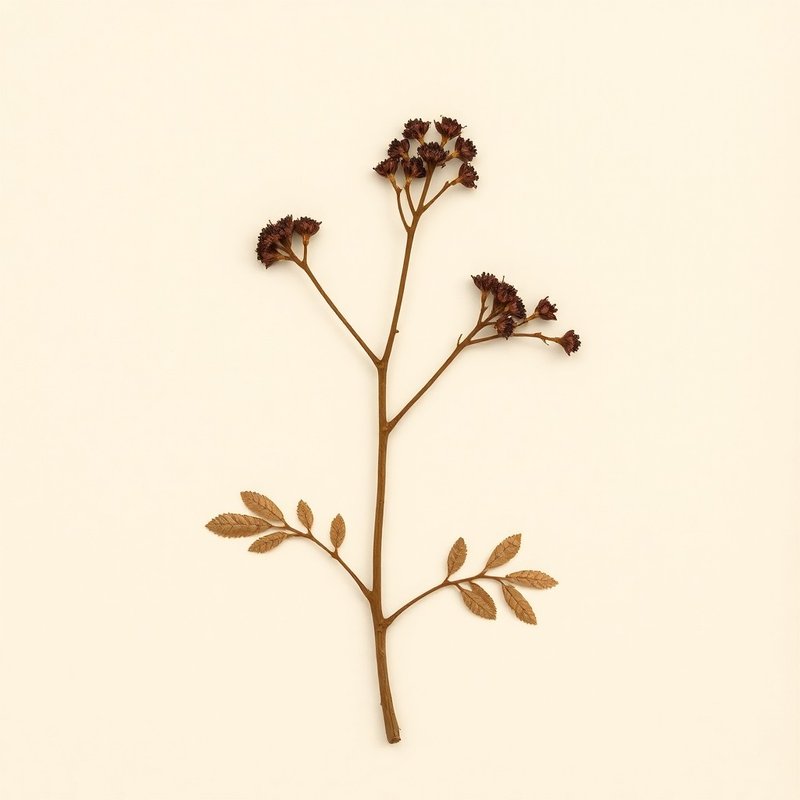
Purple Crowberry (Empetrum atropurpureum) is a subshrub native to northeastern North America, including regions such as Labrador, Maine, Minnesota, New Hampshire, and parts of Canada like Newfoundland, Nova Scotia, Prince Edward Island, and Québec. This plant thrives in moist, light to medium soil with a pH range of 4.3 to 7.8, making it adaptable but preferring slightly acidic conditions. Known for its edible fruit, Purple Crowberry is both ornamental and useful, adding vibrant purple color to the landscape while providing a food source. Growing up to about 20 cm in height, this subshrub has a stoloniferous growth form, spreading through underground stems. Its compact habit and slow growth rate make it ideal for ground cover applications. Purple Crowberry prefers partial shade but can tolerate full sun to some extent. It is hardy in temperate regions, making it suitable for gardens in similar climates. The fruit of the Purple Crowberry is edible and can be eaten raw or used in various preparations. These fruits grow naturally in northeastern United States and eastern Canada and are typically enjoyed fresh but can also be dried for later use. The plant's distinctive feature includes its coarse foliage texture and its ability to thrive in moist, light to medium soil conditions. While Purple Crowberry is not known for medicinal uses, it remains an important part of the local ecosystem and a valuable ornamental addition to gardens and landscapes.
What is Purple Crowberry?
Purple Crowberry (Empetrum atropurpureum) is a subshrub native to northeastern North America, including regions such as Labrador, Maine, Minnesota, New Hampshire, and parts of Canada like Newfoundland, Nova Scotia, Prince Edward Island, and Québec.
VCultivation
Cultivation
How to grow Purple Crowberry for the first time
Purple Crowberry is a low-maintenance plant perfect for beginners looking to add a hardy shrub to their garden.
- 1
What you'll need
Seeds or small plants, potting soil, containers with drainage holes.
- 2
Best time to plant
Plant in spring after the last frost or fall before the first freeze.
- 3
Soil and container prep
Use a well-draining mix suitable for acid-loving plants. Ensure pots have adequate drainage holes.
- 4
Sowing or transplanting
Direct sow seeds in late summer to early spring, or start indoors 8-10 weeks before the last frost and transplant outdoors.
- 5
First two weeks
Keep soil consistently moist. Place plants in a partially shaded area until they establish roots.
- 6
Ongoing care
Provide light shade during hot summer months. Water when the top inch of soil feels dry, especially in sandy soils.
- 7
Harvest or pruning
Prune after fruiting to maintain shape and encourage new growth. Remove dead or damaged branches.
- 8
Common mistakes
Overwatering, planting in heavy soil, not providing enough shade during hot weather, neglecting to prune regularly.
VIEdible & utility
Edible & utility
VIIDistribution
78 native · 0 introduced
Distribution
78 native · 0 introducedIXSpecimen gallery
1 image
Specimen gallery
1 imageXSee also
8 related
See also
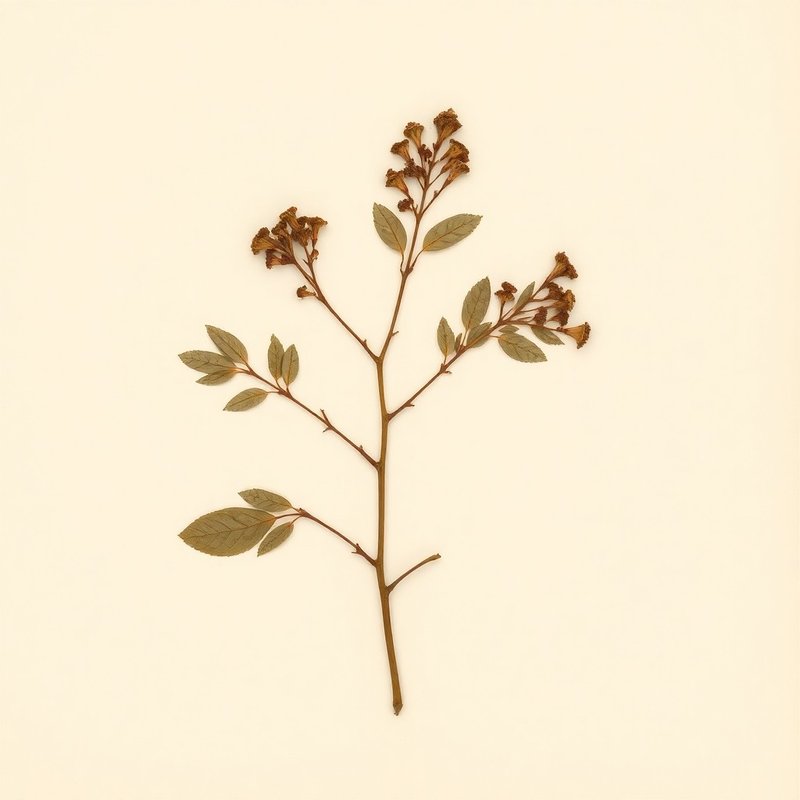
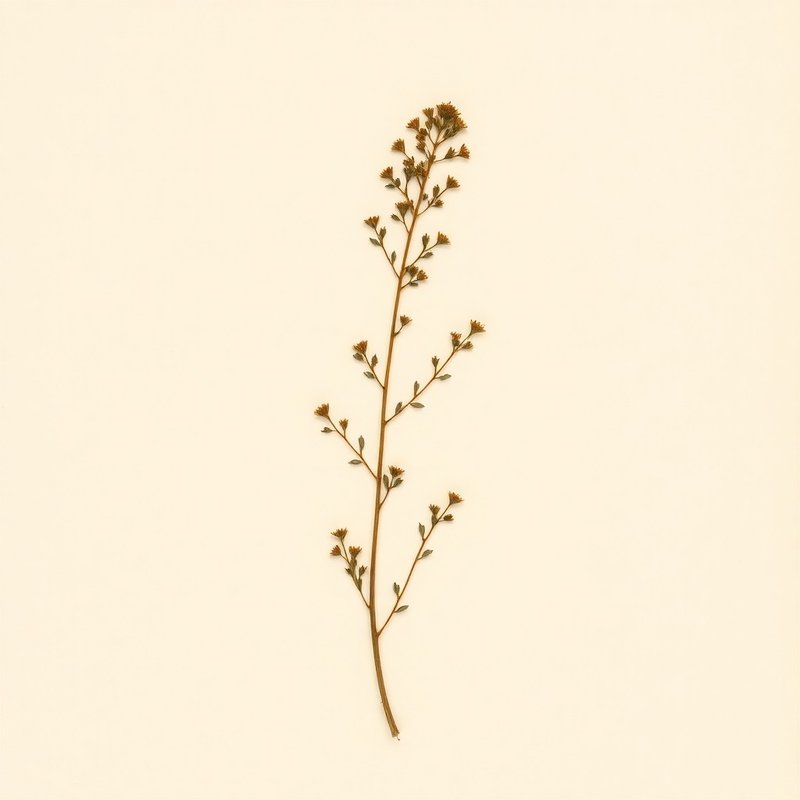
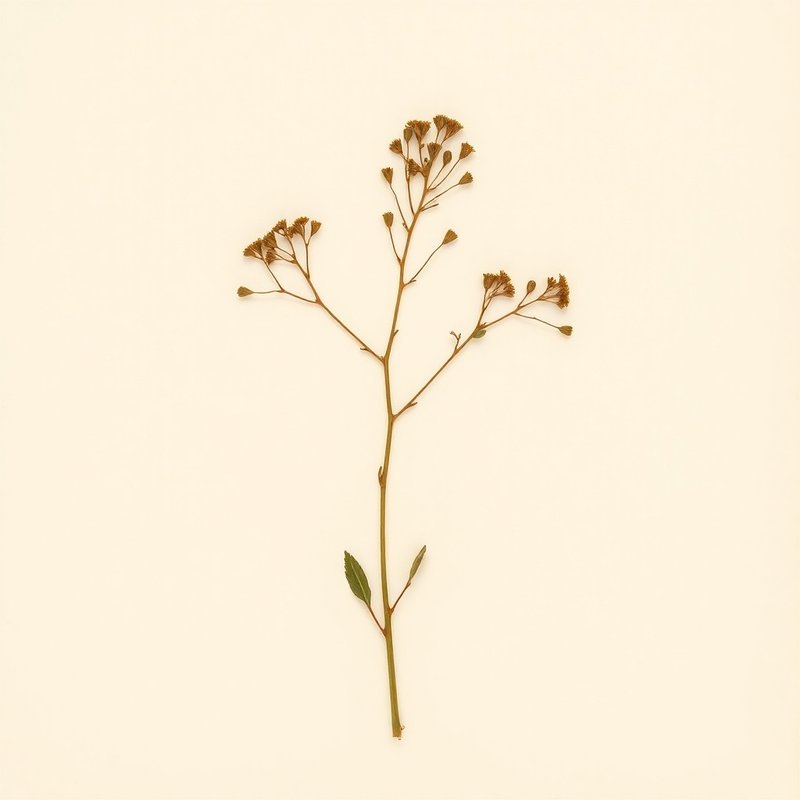
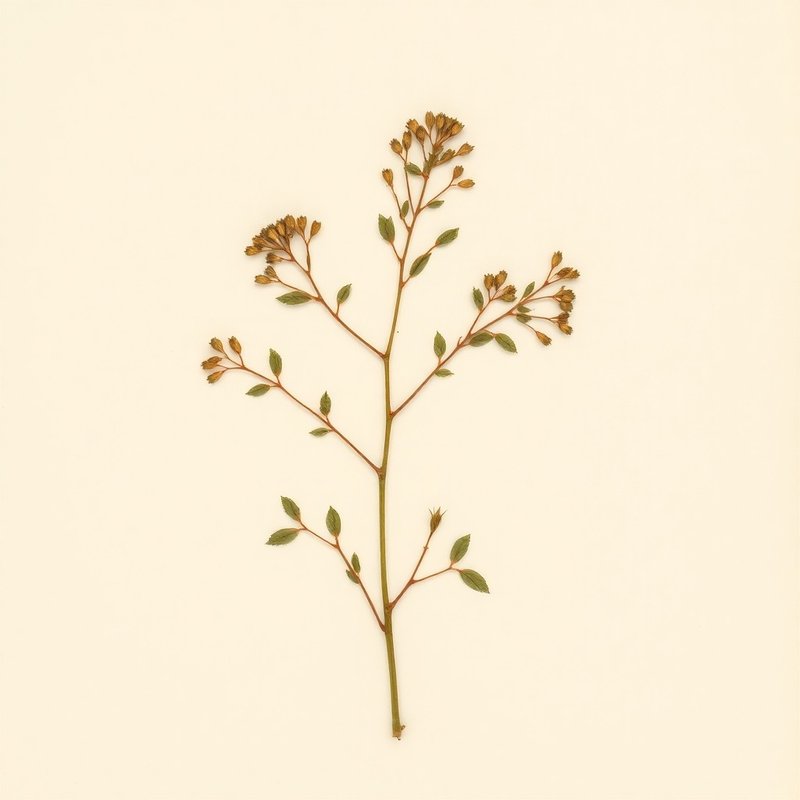
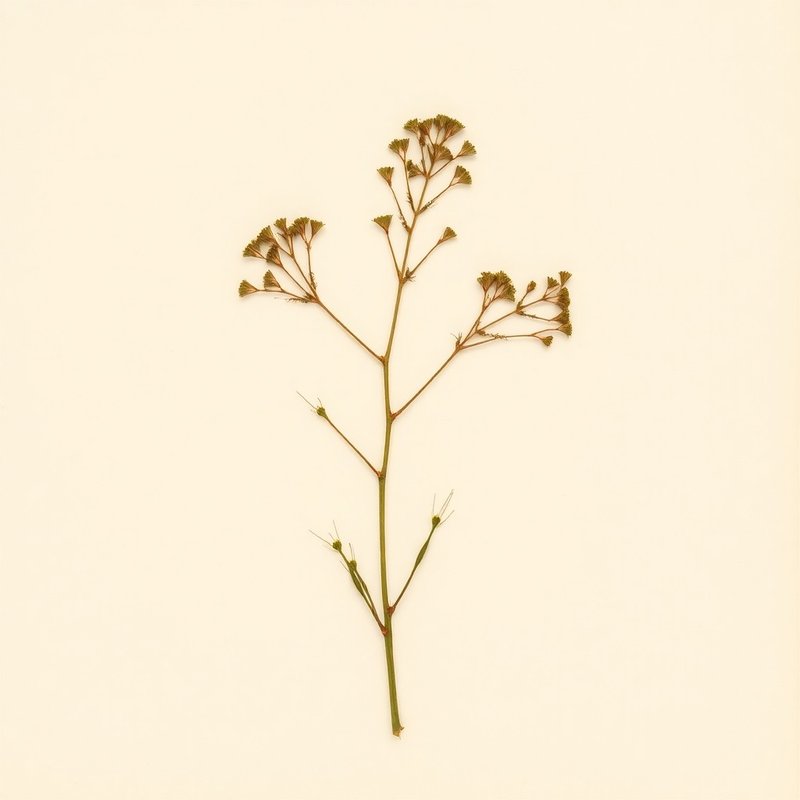
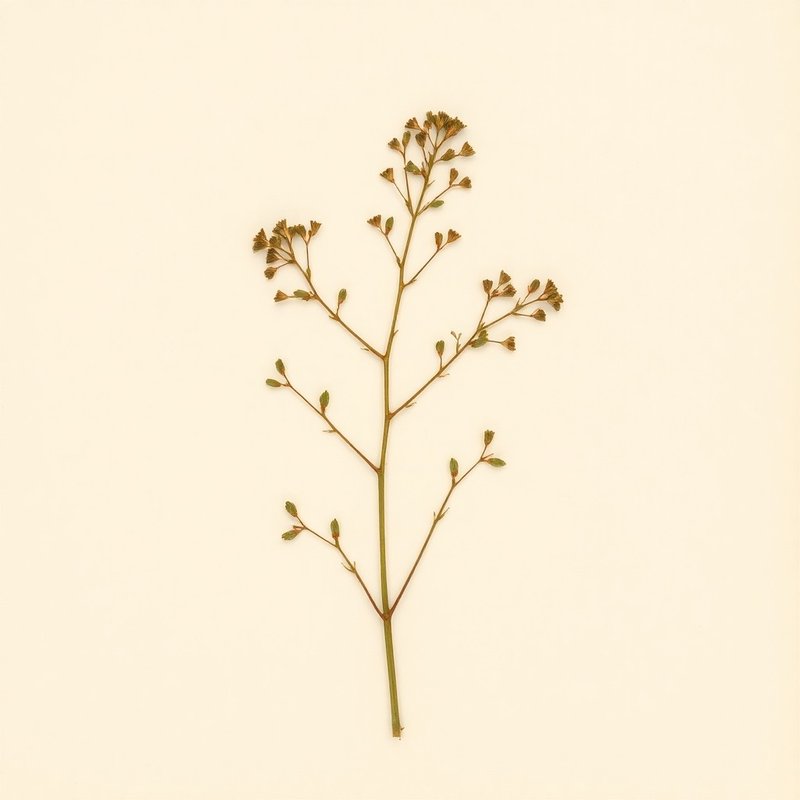
8 relatedPlants you might compare or use together — scored by shared family (Ericaceae), common use cases, and growing requirements.


Explore further
About this entry
- Last updated
- Citation
- How to cite this entry · Submit a correction
Continue reading
Get archive updates
Occasional email when substantial new content lands — plant profiles, seasonal growing notes, folk-remedy additions. Free, no tracking, unsubscribe anytime.