
Tef
Eragrostis teffam. Poaceae
Educational content — not medical, botanical, or professional advice. Plant identification, safety, and edibility depend on local conditions, cultivars, and correct identification. Consult a qualified botanist or forager before consuming or handling wild specimens. How we source & review →
Garden journal pausedUse profile notes below

Pl. 01CA — Eragrostis tef
Eragrostis tefEragrostis tefEragrostis tefEragrostis tefEragrostis tefEragrostis tefEragrostis tefEragrostis tefEragrostis tefEragrostis tefEragrostis tefEragrostis tefEragrostis tefEragrostis tef
IOverview
Overview
Tef, scientifically known as Eragrostis tef, is an annual graminoid that thrives in the dry and moist environments of Djibouti, Eritrea, Ethiopia, Kenya, Saudi Arabia, Somalia, Tanzania, and Uganda. This versatile plant has been cultivated for centuries and is particularly well-suited to light (sandy), medium, and heavy (clay) soils. Tef grows up to 1 meter in height and requires full sun with a hardiness range of zones 8-11. It is widely recognized as an edible crop, with its seeds being the primary part used for consumption. The tef seed is the primary edible part of this plant and can be eaten raw or cooked. It is commonly used to make flour for bread and other foods, and the seeds are also ground into a fine powder for use in various dishes. Tef has been introduced into numerous regions, including Angola, Argentina Northwest, Belgium, Botswana, Brazil North, and many others, making it a versatile and adaptable crop. Its ability to grow in a variety of soil types and environmental conditions has made it a valuable food source in many parts of the world.
Quick answers
What is Tef?
Tef, scientifically known as Eragrostis tef, is an annual graminoid that thrives in the dry and moist environments of Djibouti, Eritrea, Ethiopia, Kenya, Saudi Arabia, Somalia, Tanzania, and Uganda.
Growingconditions · propagation · uses
VCultivation
Cultivation
Tef thrives in full sun and can grow in various soil types, from light sandy to medium and heavy clay soils. It prefers dry to moist conditions and is hardy in zones 8-11. As an annual graminoid reaching up to 1 meter in height, tef requires consistent moisture during its growing period but can tolerate some drought once established. For propagation, seeds can be sown directly into the garden soil after the last frost.
Light
Full sun
Water
Dry, Moist
Soil
Light (sandy), Medium, Heavy (clay)
Hardiness
8-11
Life cycle
Annual
Habit
Graminoid
Mature size
1.0 m tall
For first-time growers
How to grow Tef for the first time
8steps
Tef is a versatile grain that's easy to grow for beginners, especially in warm climates.
- 1
What you'll need
Seeds, a small trowel or scoop, and a watering can.
- 2
Best time to plant
Plant Tef seeds from late spring to early summer when the soil is warm.
- 3
Soil and container prep
Choose a well-draining spot with light to medium soil. Ensure containers are at least 30 cm deep.
- 4
Sowing or transplanting
Sow seeds directly into the ground, spacing them about 15 cm apart in rows 45 cm apart.
- 5
First two weeks
Water regularly to keep soil moist but not waterlogged. Thin seedlings if they grow too close together.
- 6
Ongoing care
Tef requires little maintenance once established. Water only during dry spells and remove weeds as needed.
- 7
Harvest or pruning
Cut the mature plants down to ground level when seeds are fully ripe, usually after 3-4 months.
- 8
Common mistakes
Overwatering, planting too early in cold soil, and not providing enough space between seedlings.
VIEdible & utility
Edible & utility
Edible parts:Seed
Edible uses: The tef seed is the primary edible part of this plant. It can be eaten raw or cooked and is commonly used to make flour for bread and other foods. The seeds are also ground into a fine powder for use in various dishes.
Contextrange · companions · related
VIIDistribution
9 native · 47 introduced
Distribution
9 native · 47 introducedDistribution across4 continents· 9 native· 47 introduced
Europe10 regions
introduced (10)BelgiumDenmarkFranceGermanyItalyNetherlandsRussiaSwitzerlandUkraineUnited Kingdom
Asia6 regions
native (2)Saudi ArabiaYemen
introduced (4)IndiaKazakhstanMyanmarPalestine
Africa21 regions
native (7)DjiboutiEritreaEthiopiaKenyaSomaliaTanzaniaUganda
introduced (14)AngolaBotswanaEgyptLesothoLibyaMadagascarMalawiMauritaniaMozambiqueNamibiaSenegalSudanZambiaZimbabwe
Oceania1 region
introduced (1)New Caledonia
Broader regions
introduced:Argentina Northwest, Brazil North, Cape Provinces, Czechoslovakia, Free State, Jawa, KwaZulu-Natal, Nansei-shoto, New South Wales, Northern Provinces, Réunion, South Australia, South Carolina, Tasmania, Victoria, West Himalaya, Zaïre
IXSpecimen gallery
1 image
Specimen gallery
1 imageXSee also
8 related
See also
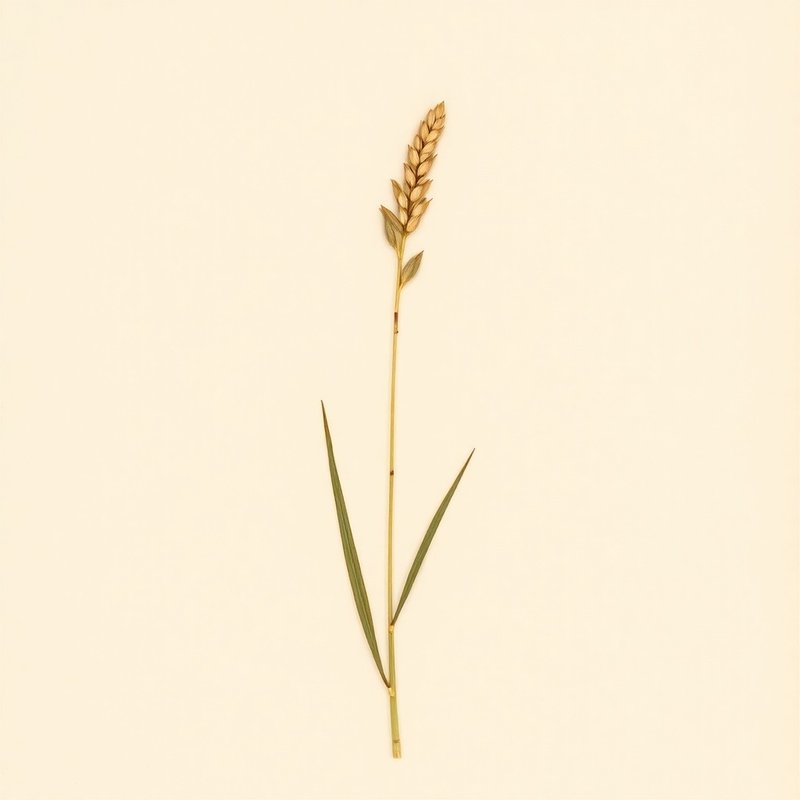
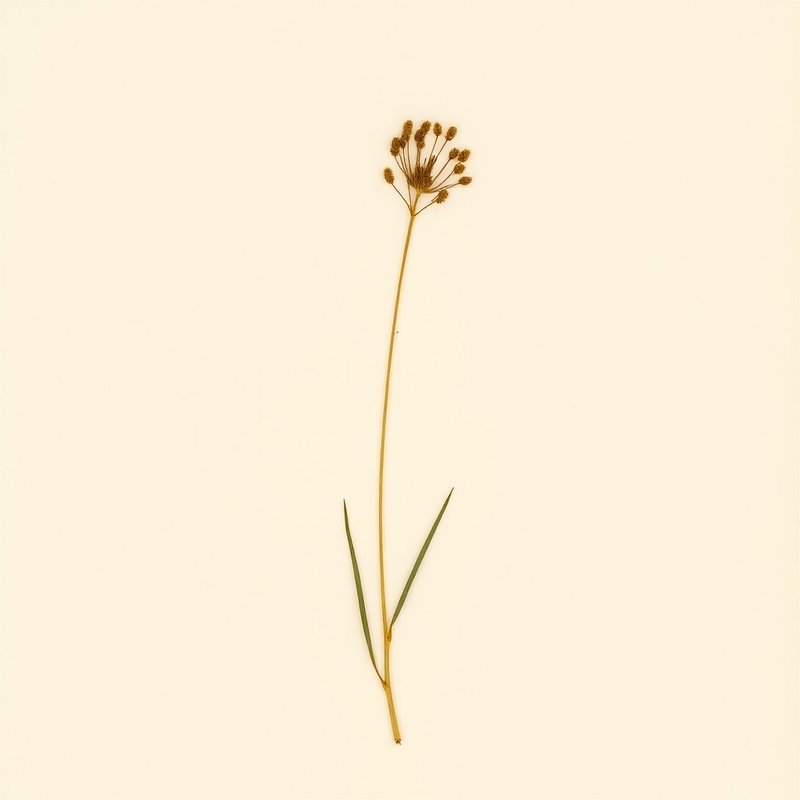
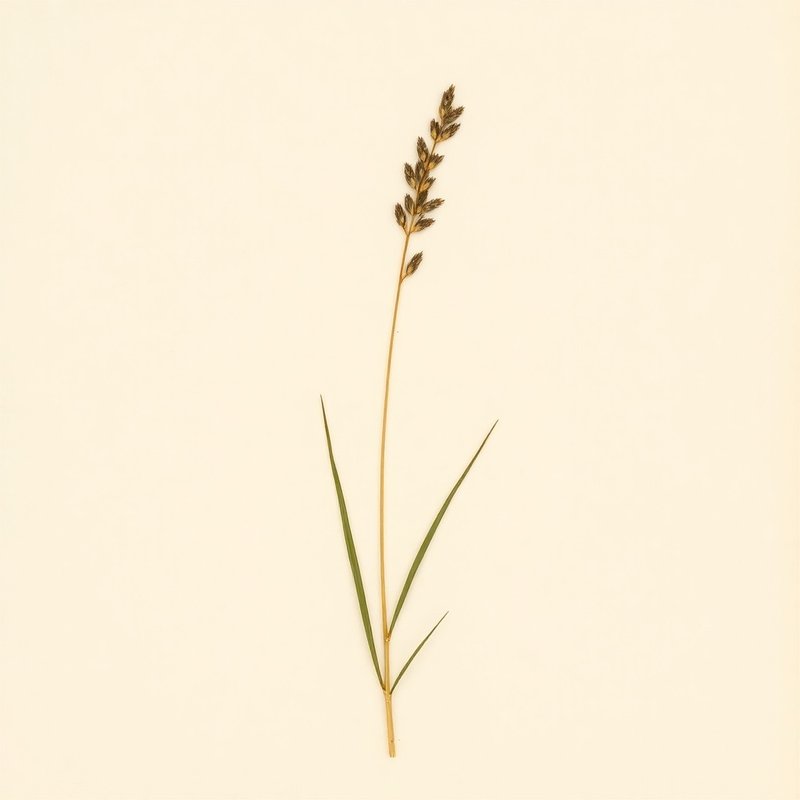
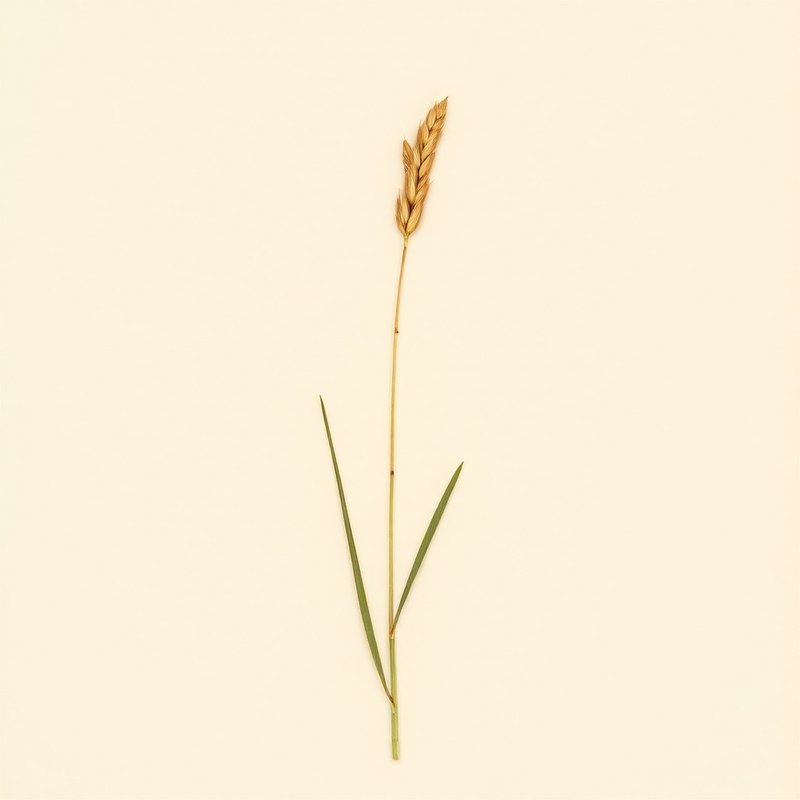
8 relatedPlants you might compare or use together — scored by shared family (Poaceae), common use cases, and growing requirements.
same family · Poaceae
Botanical relatives — often share phytochemistry + growing needs.
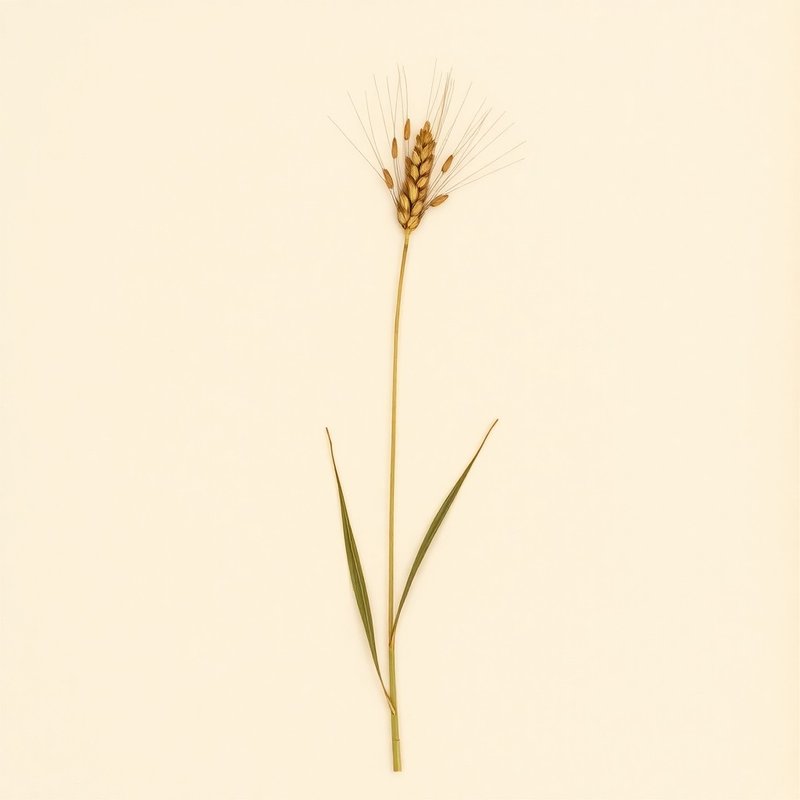
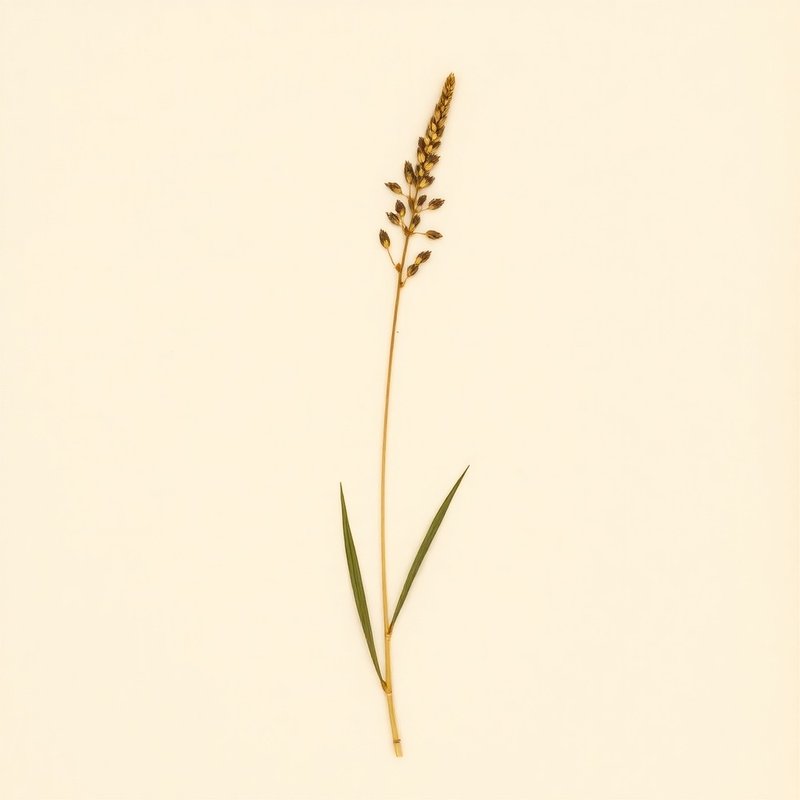
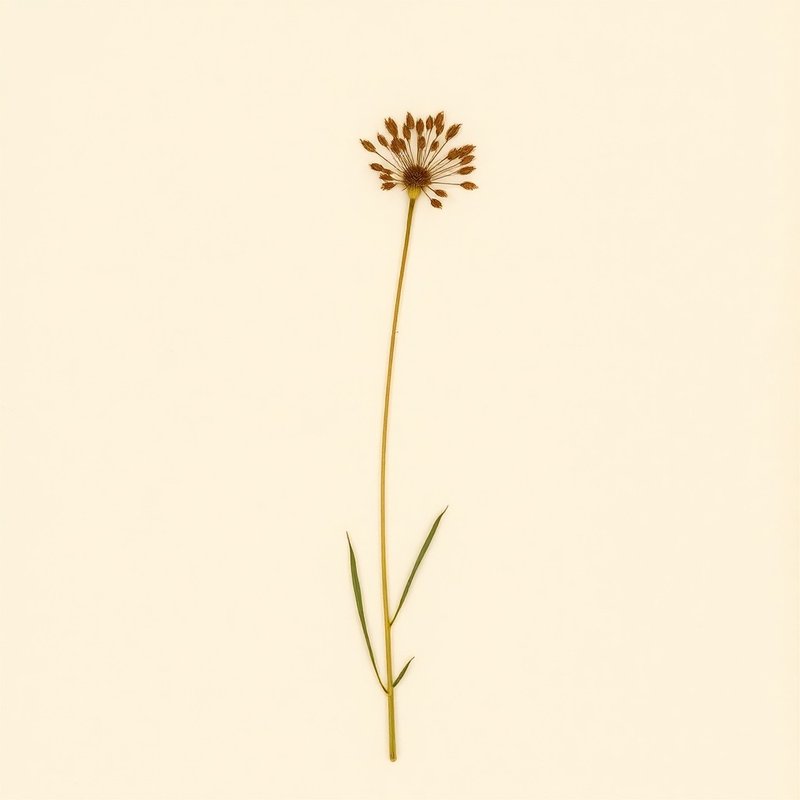
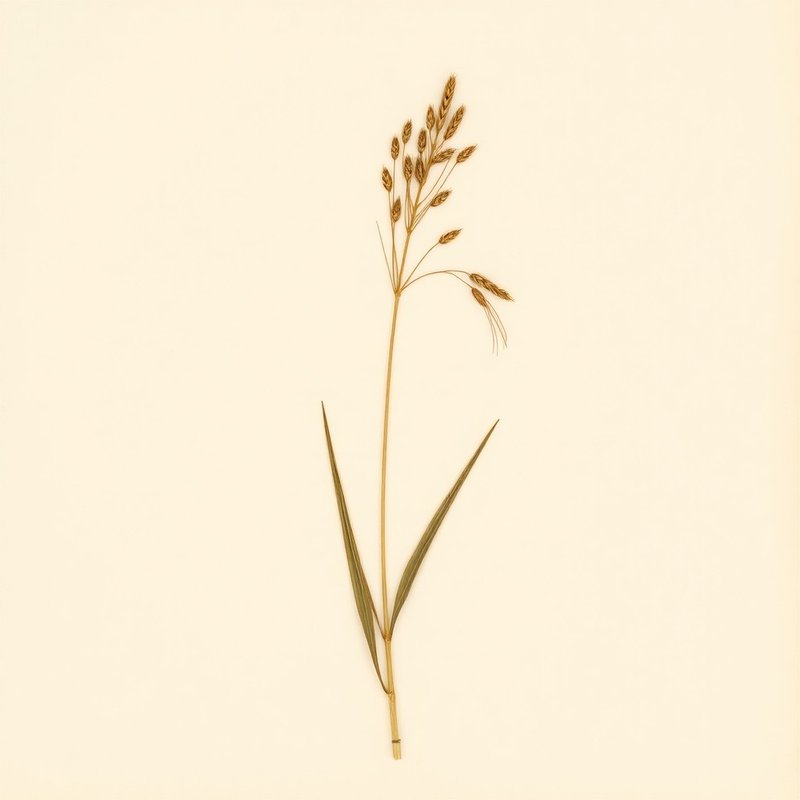
XI
Explore further
Companion planting
Compare with similar plants
Growing zone
XII
About this entry
- Last updated
- Citation
- How to cite this entry · Submit a correction
Back to the cataloguePlant id · 01ca839d-96dc-4598-811b-3a92ddecb005
Decision aid
Choosing between Tef and something else?
Continue reading
❦❦❦❦
Endpaper · archive updates
Get archive updates
Occasional email when substantial new content lands — plant profiles, seasonal growing notes, folk-remedy additions. Free, no tracking, unsubscribe anytime.
Newsletter returning soon.
We are rebuilding the update list around a lightweight editorial workflow. New dispatches will resume after the next content review cycle.