
Field Eryngo
Eryngium campestrefam. Apiaceae
Educational content — not medical, botanical, or professional advice. Always consult a qualified clinician before using any herbal preparation — especially during pregnancy, breastfeeding, while on medication, or for children. How we source & review →
Garden journal pausedUse profile notes below
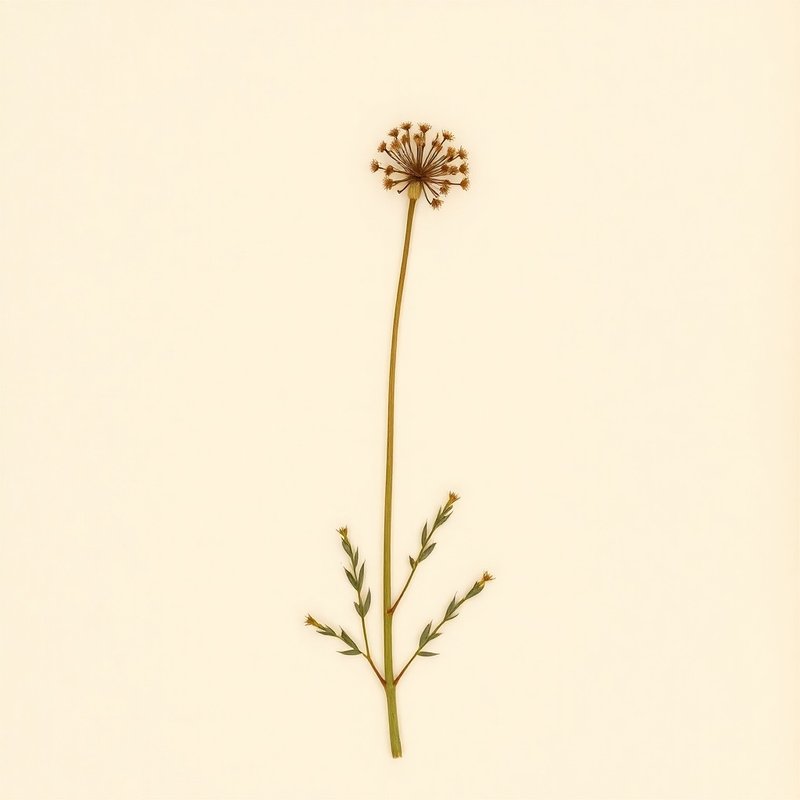
Pl. 1435 — Eryngium campestre
Eryngium campestreEryngium campestreEryngium campestreEryngium campestreEryngium campestreEryngium campestreEryngium campestreEryngium campestreEryngium campestreEryngium campestreEryngium campestreEryngium campestreEryngium campestreEryngium campestre
IOverview
Overview
Field Eryngo (Eryngium campestre) is a perennial herb native to central and southern Europe, as well as parts of North Africa and the Middle East. This plant thrives in a variety of environments, including Albania, Algeria, Austria, Belgium, Bulgaria, and many other regions. Known for its light, airy presence in gardens, Field Eryngo grows up to 0.6 meters tall and can be found in light or medium soil, thriving in conditions that are dry to moist. It prefers a pH of 7.5 to 8, making it adaptable to various soil types within its native range. Field Eryngo is both edible and medicinal, with its leaves, roots, and shoots being useful parts of the plant. The leaves and shoots can be used in salads or as a garnish, while the root may be boiled or roasted. The plant's distinctive feature is its light, airy form, which adds an ornamental touch to landscapes. Additionally, Field Eryngo is known to be hardy in temperate regions with zones 5-9, making it suitable for cultivation in many areas. While Field Eryngo is generally safe, it is important to exercise caution when using it for medicinal purposes, as its compounds and benefits have not been extensively studied. Its introduction into new regions such as Denmark, Great Britain, Maryland, New Jersey, New Zealand, Quebec, and Sweden has expanded its presence beyond its native range, making it a versatile plant for both ornamental and culinary use.
Quick answers
What is Field Eryngo?
Field Eryngo (Eryngium campestre) is a perennial herb native to central and southern Europe, as well as parts of North Africa and the Middle East. This plant thrives in a variety of environments, including Albania, Algeria, Austria, Belgium, Bulgaria, and many other regions.
Compare with:Asafoetida - Devil's Dung Hing (Indian)→Cumin - Jeera→Eryngium graecum→all comparisons →
IV·bMixology suggestions
2 drafts
Mixology suggestions
2 draftsEditorial drafts. These pairings are AI-suggested from traditional herbal lore. Always verify with a qualified herbalist before brewing.
Stress Relief
stresstincture
Historically used for calming the mind.
Growingconditions · propagation · uses
VCultivation
Cultivation
Field Eryngo thrives in well-draining soils that are slightly alkaline to neutral (pH 7.5-8), preferring light (sandy) and medium textures. It is a perennial plant that grows up to 0.6 meters tall and requires moist but not overly dry conditions, making it adaptable to various climates within its native range. Hardy in temperate regions with zones 5-9, Field Eryngo can be propagated by division or seed. Harvest edible parts such as leaves, roots, and shoots for culinary use. Ensure the plant receives full sun to partial shade for optimal growth.
Light
9/10
Water
Dry, Moist
Soil
Light (sandy), Medium
Hardiness
5-9
Life cycle
Perennial
Habit
Forb/herb
Mature size
0.6 m tall
Soil pH
7.5–8
For first-time growers
How to grow Field Eryngo for the first time
8steps
Start with Field Eryngo to gain experience in growing perennials.
- 1
What you'll need
A small trowel, a watering can, and some well-draining soil.
- 2
Best time to plant
Plant in early spring or late autumn when the weather is cooler.
- 3
Soil and container prep
Ensure your soil has a pH between 7.5–8 and is light (sandy) to medium.
- 4
Sowing or transplanting
Transplant young plants from a nursery or sow seeds directly in the garden after the last frost.
- 5
First two weeks
Water regularly, keeping the soil moist but not waterlogged. Avoid direct sunlight for the first few days.
- 6
Ongoing care
Water when the top inch of soil feels dry and mulch to retain moisture. Remove any dead leaves or shoots as needed.
- 7
Harvest or pruning
Prune after flowering to encourage new growth and maintain a neat appearance.
- 8
Common mistakes
Overwatering, planting in heavy soil, and not providing enough sunlight are common issues beginners face.
VIEdible & utility
Edible & utility
Edible parts:LeavesRootShoots
Edible uses: The field eryngo is edible and its leaves, roots, and shoots can be consumed. Typically, the plant's parts are prepared fresh or dried. The leaves and shoots are often used in salads or as a garnish, while the root may be boiled or roasted. Skip
Contextrange · companions · related
VIIDistribution
41 native · 8 introduced
Distribution
41 native · 8 introducedDistribution across3 continents· 41 native· 8 introduced
Europe21 regions
native (18)AlbaniaAustriaBelgiumBulgariaCyprusFranceGermanyGreeceHungaryItalyNetherlandsPolandPortugalRomaniaRussiaSpainSwitzerlandUkraine
introduced (3)DenmarkSwedenUnited Kingdom
Asia3 regions
native (3)IranIraqTurkey
Africa5 regions
native (5)AlgeriaEgyptLibyaMoroccoTunisia
Broader regions
native:Czechoslovakia, East Aegean Is., Kriti, Lebanon-Syria, Sinai, Transcaucasus, Turkey-in-Europe, Yugoslavia
introduced:Maryland, New Jersey, New Zealand North, New Zealand South, Québec
IXSpecimen gallery
1 image
Specimen gallery
1 imageXSee also
8 related
See also
8 relatedPlants you might compare or use together — scored by shared family (Apiaceae), common use cases, and growing requirements.
same family · Apiaceae
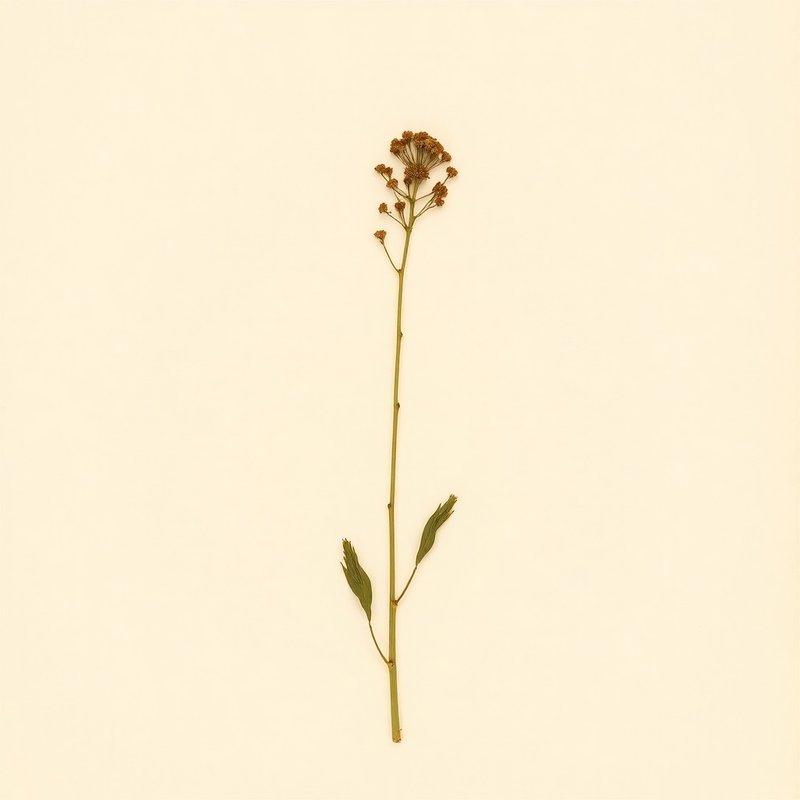
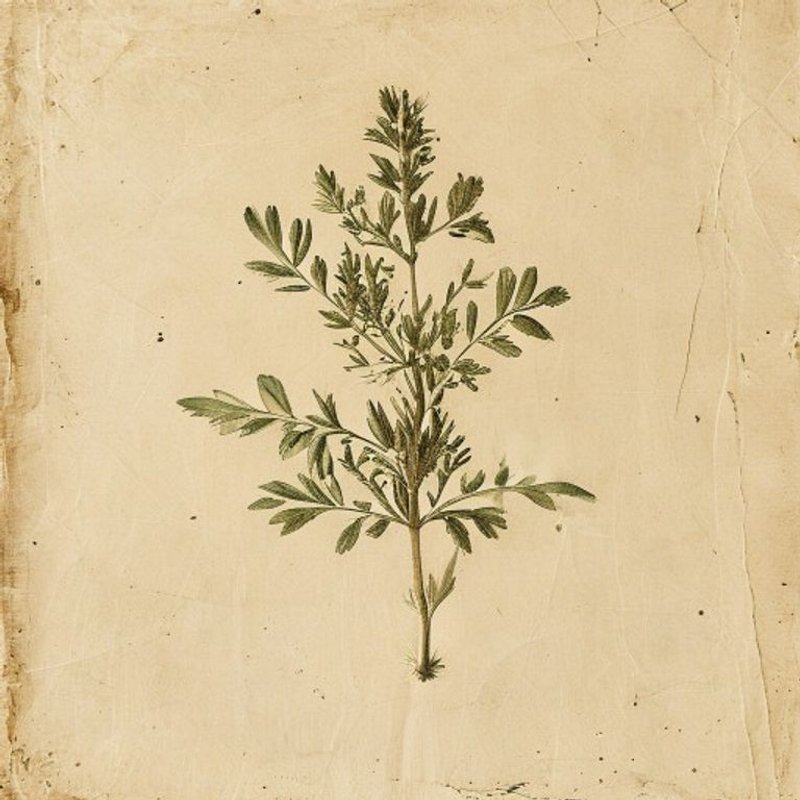
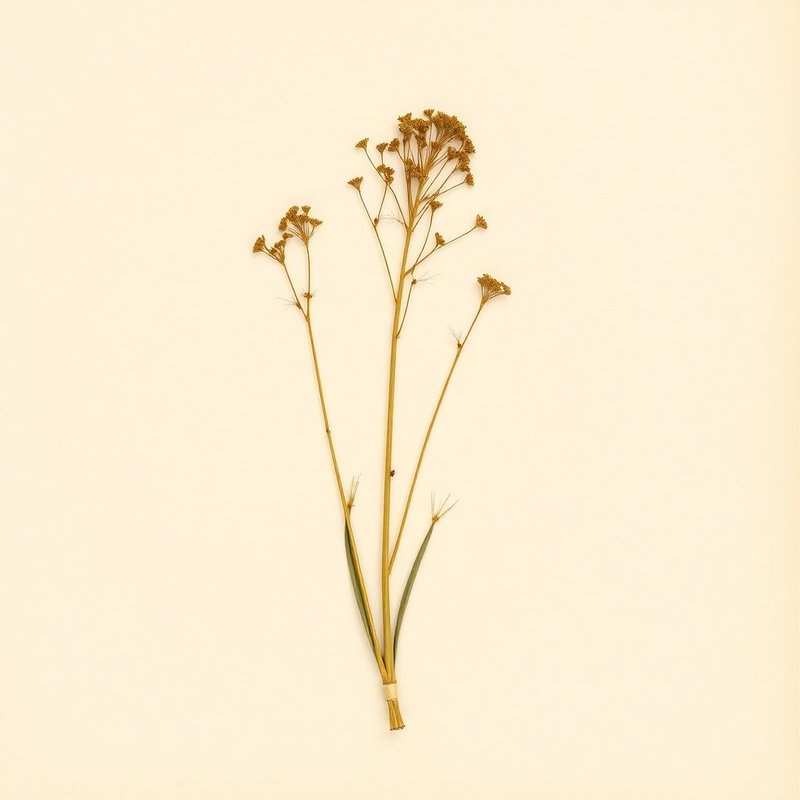
Botanical relatives — often share phytochemistry + growing needs.

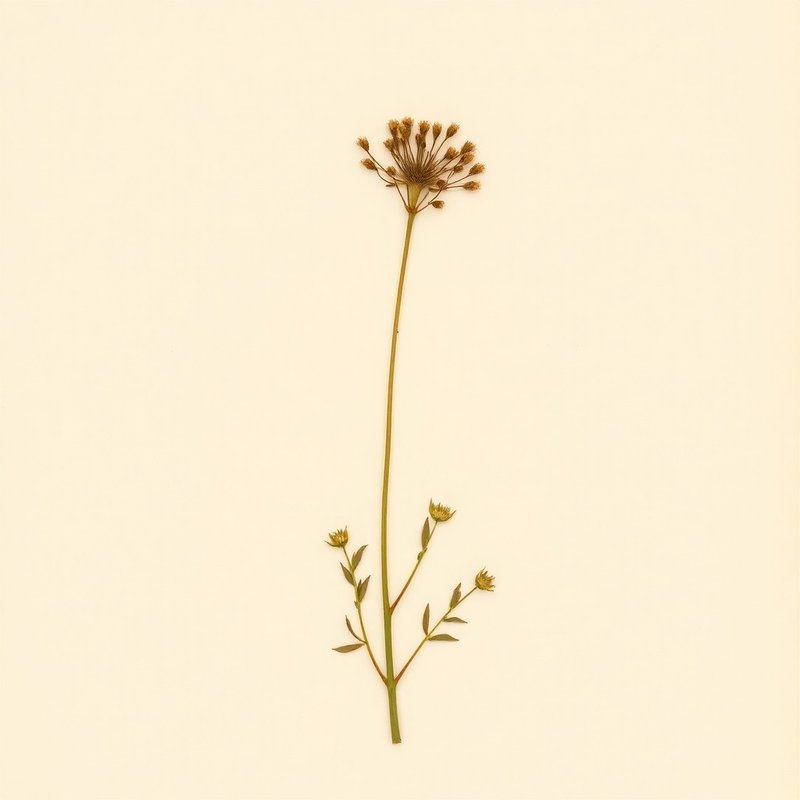
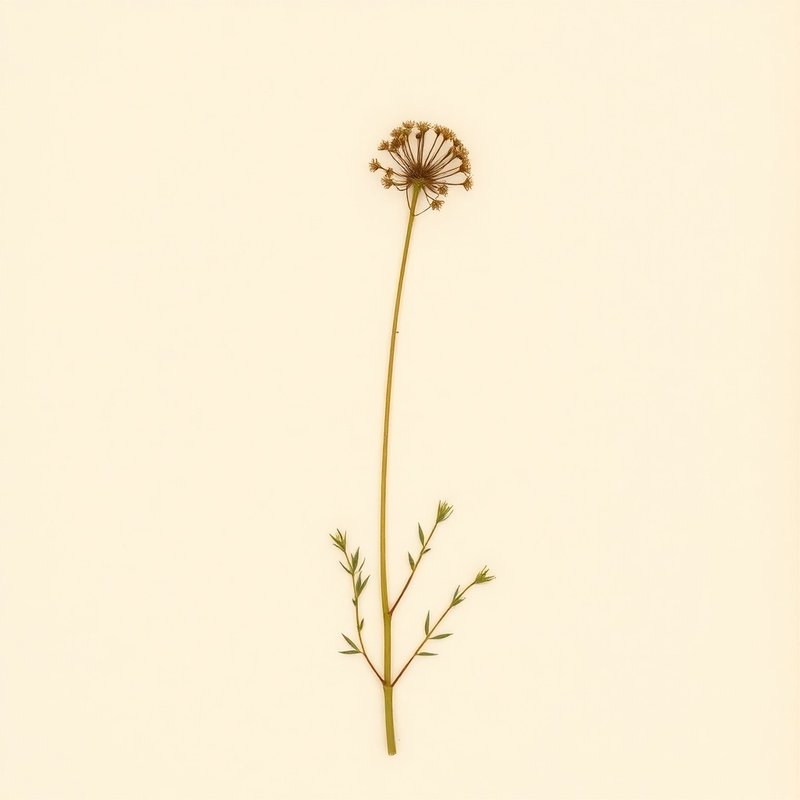
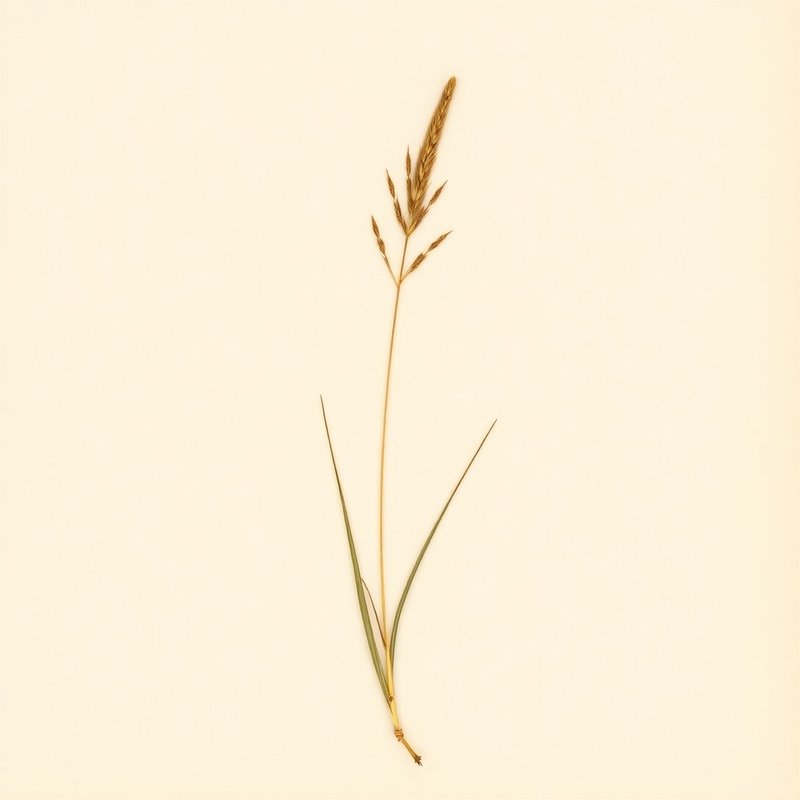
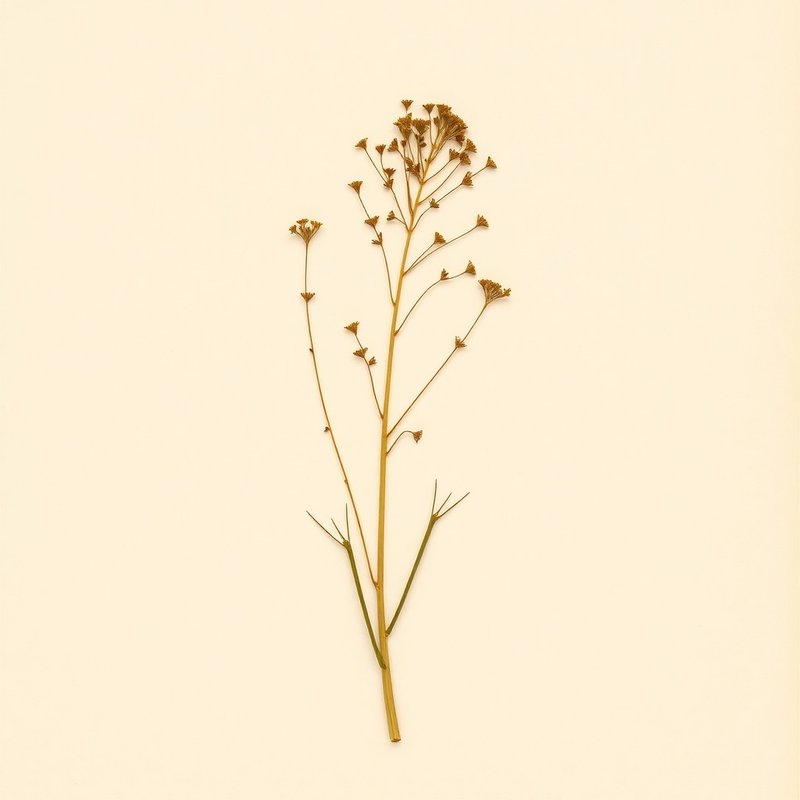
XI
Explore further
Companion planting
Compare with similar plants
Growing zone
XII
About this entry
- Last updated
- Citation
- How to cite this entry · Submit a correction
Back to the cataloguePlant id · 14351cc4-5944-458d-8ada-1943825ced17
Decision aid
Choosing between Field Eryngo and something else?
Continue reading
❦❦❦❦
Endpaper · archive updates
Get archive updates
Occasional email when substantial new content lands — plant profiles, seasonal growing notes, folk-remedy additions. Free, no tracking, unsubscribe anytime.
Newsletter returning soon.
We are rebuilding the update list around a lightweight editorial workflow. New dispatches will resume after the next content review cycle.