
Californian Poppy
Eschscholzia californica
Educational content — not medical, botanical, or professional advice. Always consult a qualified clinician before using any herbal preparation — especially during pregnancy, breastfeeding, while on medication, or for children. How we source & review →
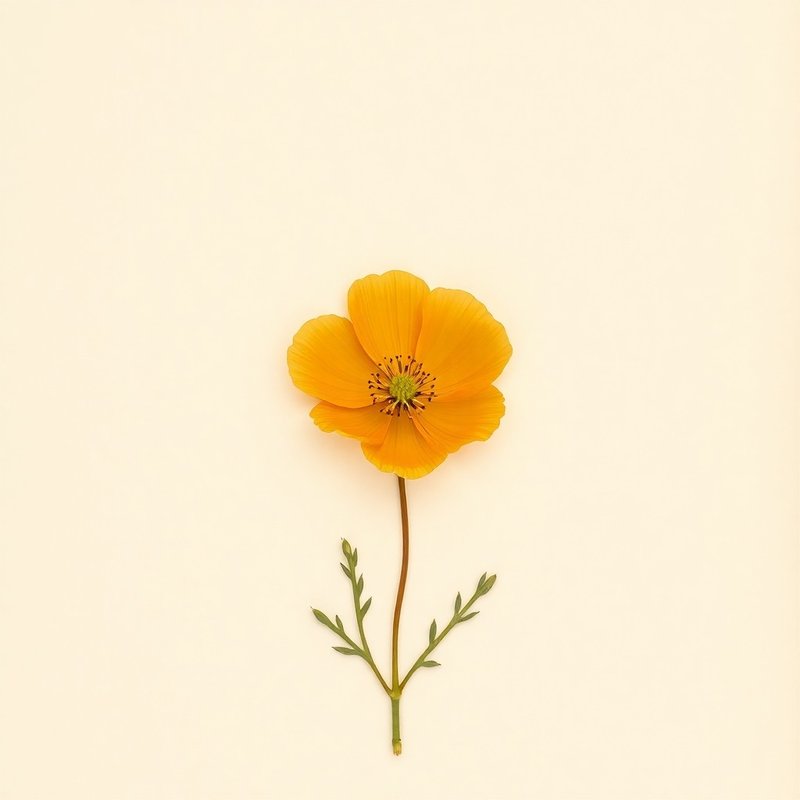
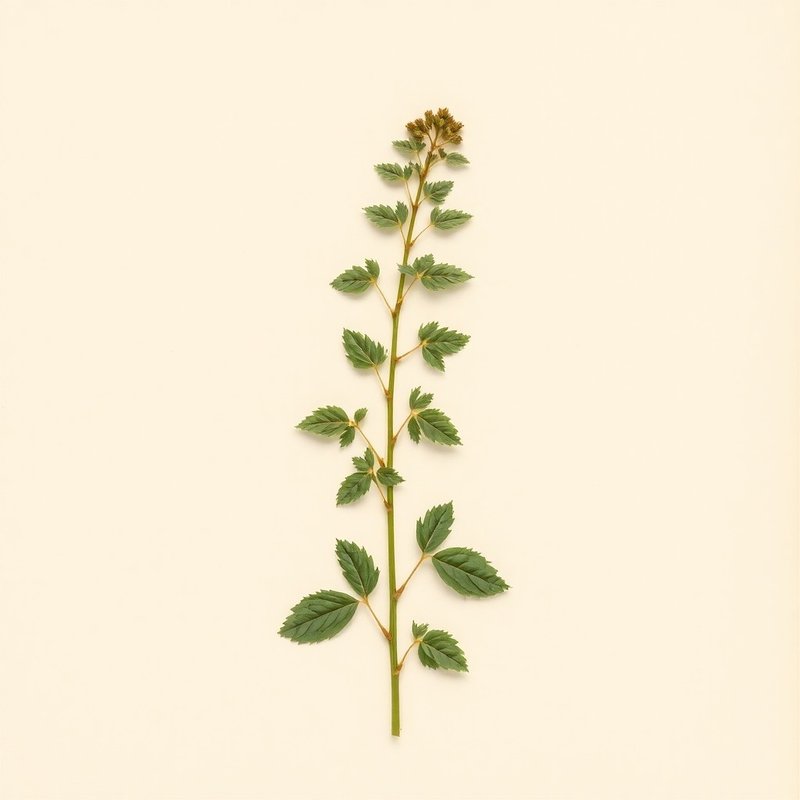
Pl. 4BE5 — Eschscholzia californica
Eschscholzia californicaEschscholzia californicaEschscholzia californicaEschscholzia californicaEschscholzia californicaEschscholzia californicaEschscholzia californicaEschscholzia californicaEschscholzia californicaEschscholzia californicaEschscholzia californicaEschscholzia californicaEschscholzia californicaEschscholzia californica
IOverview
Overview
The Californian Poppy, Eschscholzia californica, is a hardy perennial native to the western United States and northern Mexico. It thrives in full sun and can tolerate both dry and moist conditions, making it adaptable to various soil types including light (sandy), medium, and heavy (clay). Native Americans have long used this plant for its medicinal properties, particularly for promoting better sleep, as traditional use suggests it smooths the onset of sleep without causing grogginess the next day. The poppy’s distinctive feature is its vibrant orange or yellow flowers, which can be seen blooming from April to June in its native range across Arizona, California, Nevada, and other southwestern states. Its edible leaves add a mild flavor to salads or teas, making it not only ornamental but also useful as an ingredient in culinary dishes.
Quick answers
What is Californian Poppy?
The Californian Poppy, Eschscholzia californica, is a hardy perennial native to the western United States and northern Mexico. It thrives in full sun and can tolerate both dry and moist conditions, making it adaptable to various soil types including light (sandy), medium, and heavy (clay).
What is Californian Poppy used for?
Traditionally used for better sleep. Each claim is evidence-rated — see Section II for full citations.
Best for
Top 1 evidence-ranked use of Californian Poppy
Clinicaluses · safety · chemistry · dosagemedicinal profile
IIBenefits & evidence
1 claim · 0 sources
Benefits & evidence
1 claim · 0 sources- Traditional use: smooths sleep onset without next-day grogginess. Mild opioid receptor binding (non-addictive).
Alkaloid californidine binds GABA + low-affinity opioid sites
IV·bMixology suggestions
2 drafts
Mixology suggestions
2 draftsEditorial drafts. These pairings are AI-suggested from traditional herbal lore. Always verify with a qualified herbalist before brewing.
Sunset Soothe
stresstincture
Historical use for calming anxiety.
Growingconditions · propagation · uses
VCultivation
Cultivation
Californian poppies thrive in full sun and prefer well-draining soil with a pH between 5.8 and 7.5. They are hardy in zones 6-11 and can grow up to 0.3 meters tall as perennials. These plants are drought-tolerant but will benefit from moist soil, especially during dry spells. For best results, plant them in light (sandy), medium, or heavy (clay) soils. Propagate via seeds or division of established clumps. The edible parts include the leaves, making this a useful addition to both gardens and kitchens.
Light
Full sun
Water
Dry, Moist
Soil
Light (sandy), Medium, Heavy (clay)
Hardiness
6-11
Life cycle
Perennial
Habit
Forb/herb
Mature size
0.3 m tall
Soil pH
5.8–7.5
For first-time growers
How to grow Californian Poppy for the first time
7steps
Start with easy-to-grow Californian Poppy for a rewarding beginner gardening experience.
- 1
What you'll need
Seeds, small pots or direct planting area, potting soil.
- 2
Best time to plant
Plant in spring after the last frost or start seeds indoors 4-6 weeks before the last expected frost.
- 3
Soil and container prep
Use well-draining soil with a pH between 5.8 and 7.5. Ensure containers have drainage holes.
- 4
Sowing or transplanting
Direct sow seeds in the garden after danger of frost is past, or start indoors and transplant seedlings outdoors when they are about 2 inches tall.
- 5
First two weeks
Water regularly to keep soil moist but not waterlogged. Protect from strong winds until established.
- 6
Ongoing care
Water sparingly once established, especially in wetter climates. Deadhead spent flowers for continuous bloom.
- 7
Harvest or pruning
Prune dead leaves and spent blooms to maintain plant health and appearance.
VIEdible & utility
Edible & utility
Edible parts:Leaves
Edible uses: The leaves of the Californian Poppy (Eschscholzia californica) are edible and can be eaten raw or cooked. They are often added to salads for a mild flavor or used in soups and stews. The plant thrives in soil with a pH between 5.8 and 7.5, making it adaptable to various growing conditions.
Contextrange · companions · related
VIIDistribution
10 native · 20 introduced
Distribution
10 native · 20 introducedDistribution across4 continents· 10 native· 20 introduced
Europe2 regions
introduced (2)FranceRussia
Asia1 region
introduced (1)China
Americas1 region
introduced (1)United States
Africa1 region
introduced (1)Rwanda
Broader regions
native:New Mexico, Nevada, Texas, Utah, California, Mexico Northeast, Mexico Northwest, Oregon, Arizona, Washington
introduced:Illinois, Cape Provinces, Argentina South, Colorado, Mexico Southeast, Mexico Central, Mexico Southwest, New South Wales, New York, New Zealand North, New Zealand South, Primorye, Queensland, South Australia
IXSpecimen gallery
1 image
Specimen gallery
1 imageXSee also
8 related
See also
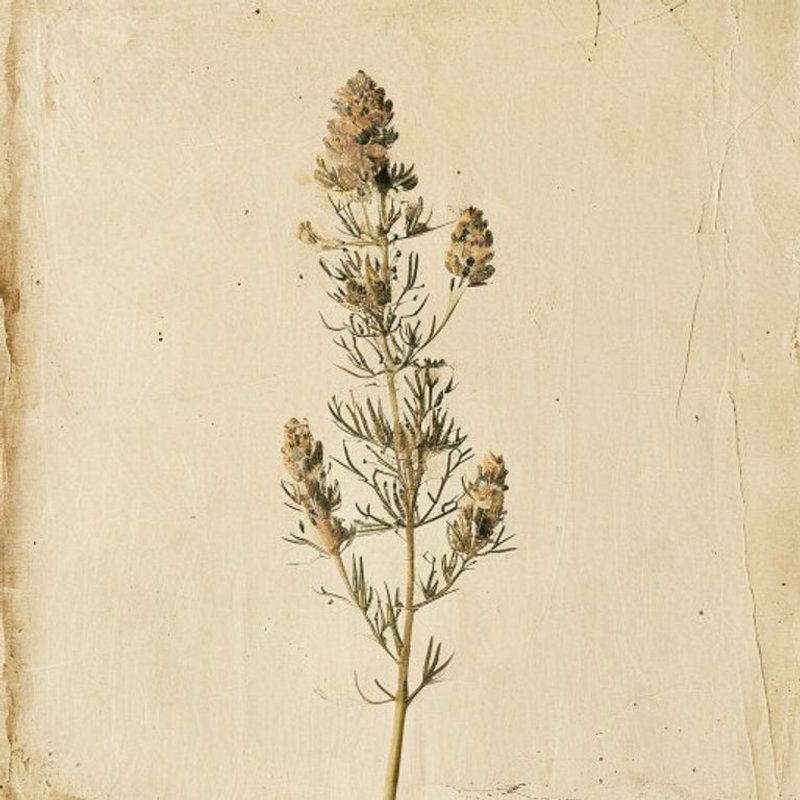
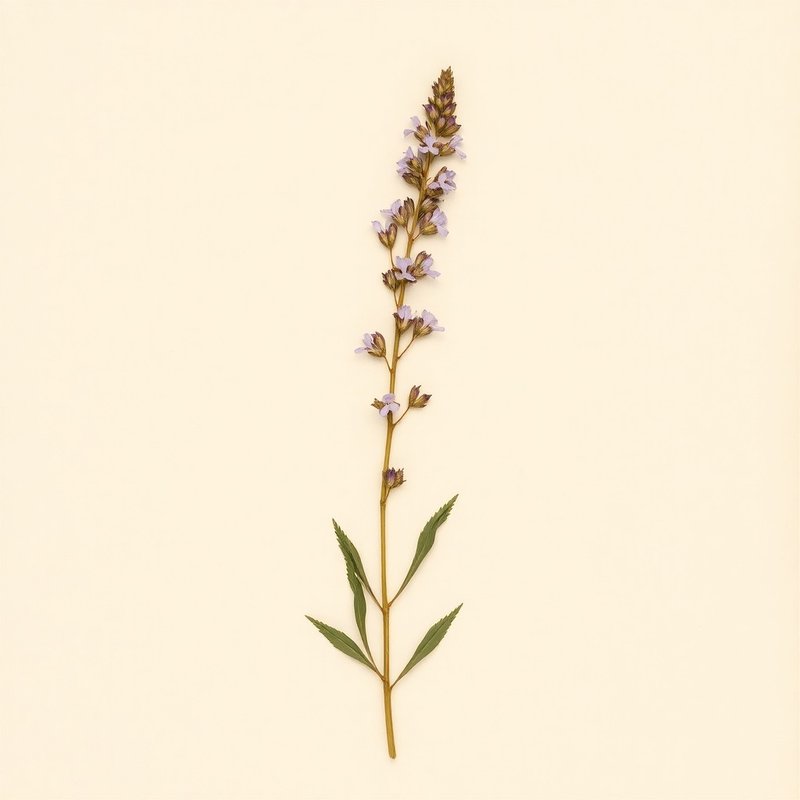
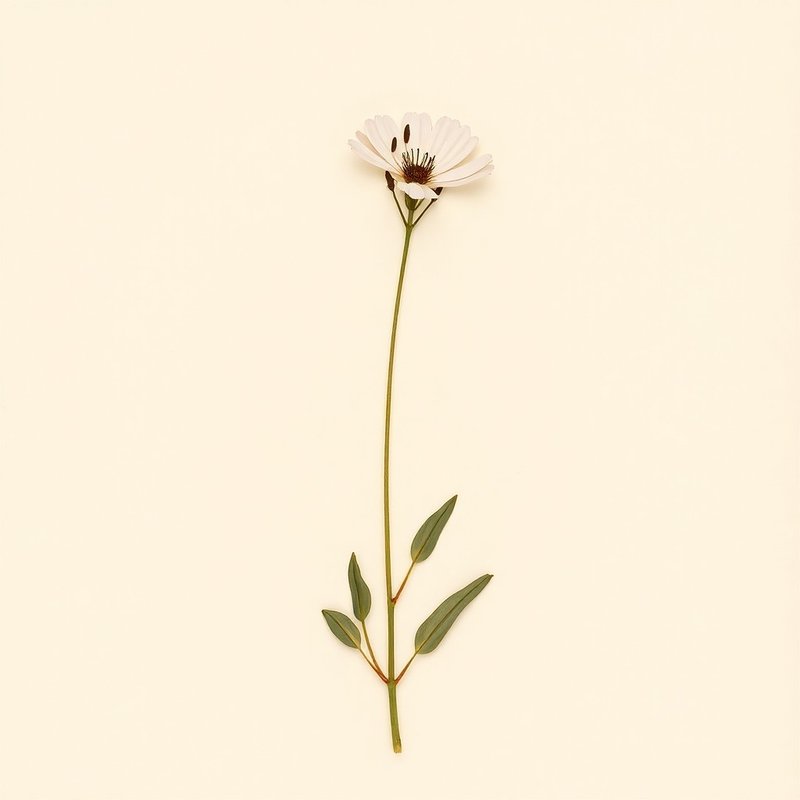
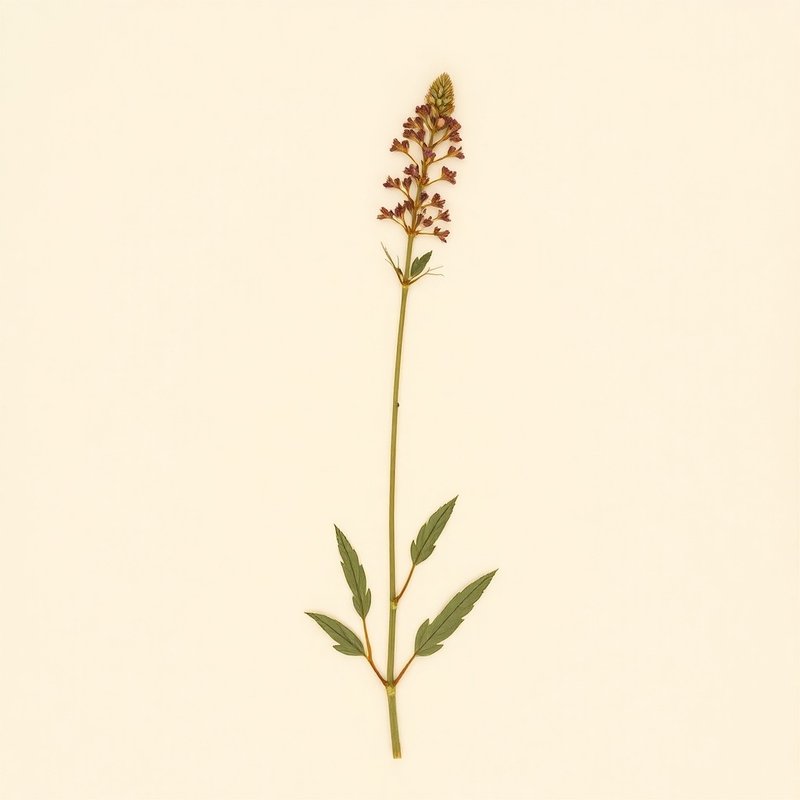
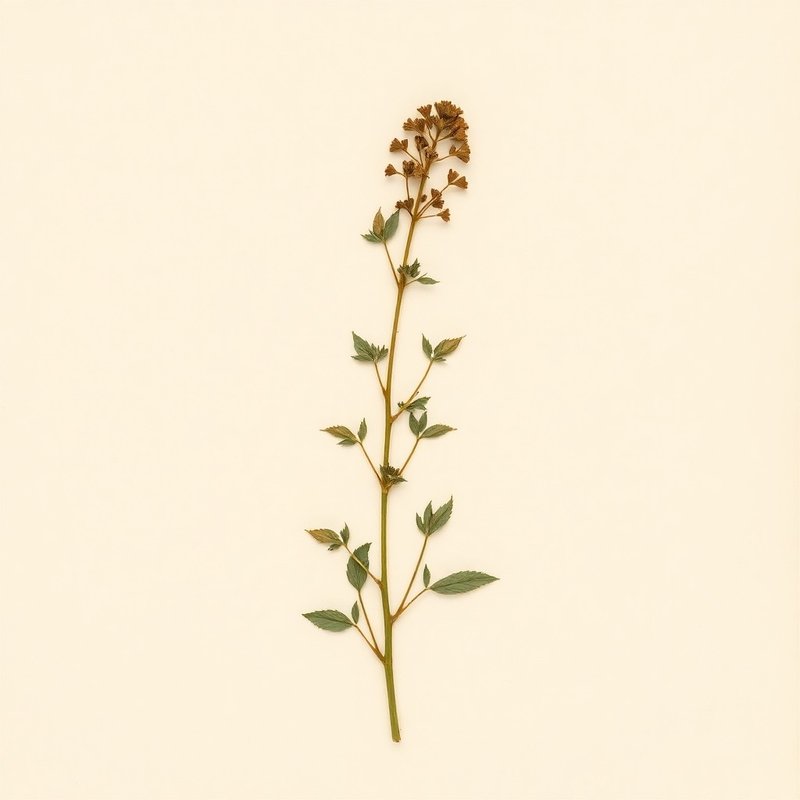
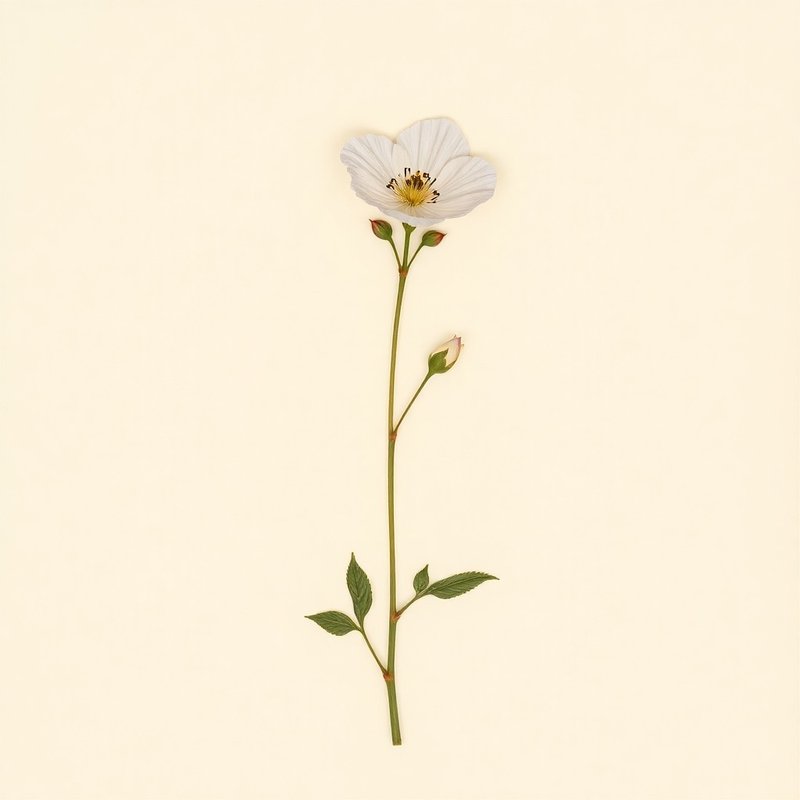
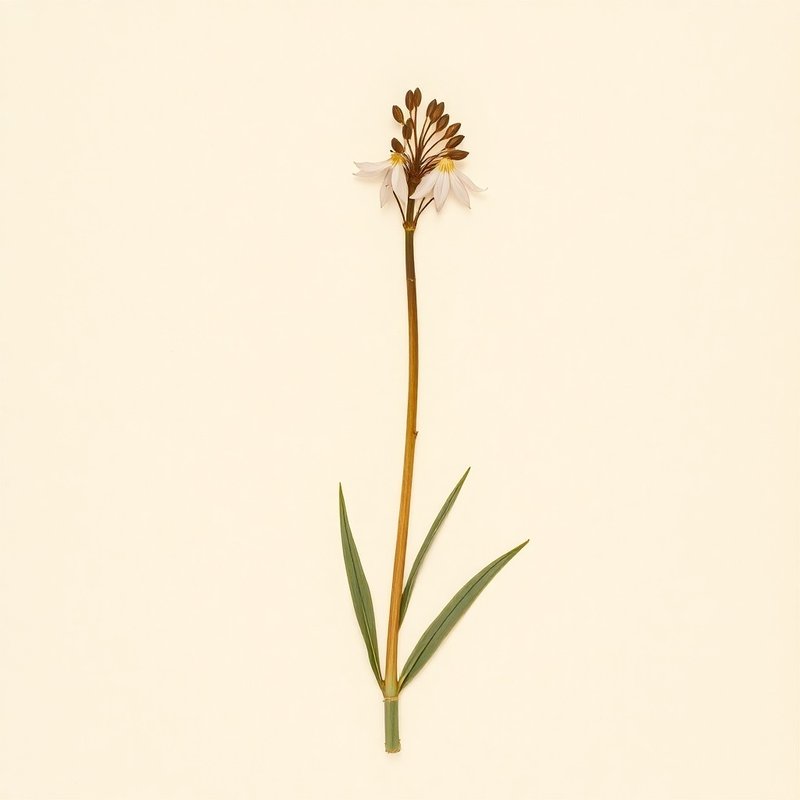
8 relatedPlants you might compare or use together — scored by shared family, common use cases, and growing requirements.
shared use cases
Different families, similar therapeutic role — good for comparing.
XI
Explore further
Companion planting
Compare with similar plants
Growing zone
XII
About this entry
- Last updated
- Citation
- How to cite this entry · Submit a correction
Back to the cataloguePlant id · 4be5c00d-9156-45c3-8911-d72cc421c6c0
Decision aid
Choosing between Californian Poppy and something else?
Continue reading
❦❦❦❦
Endpaper · archive updates
Get archive updates
Occasional email when substantial new content lands — plant profiles, seasonal growing notes, folk-remedy additions. Free, no tracking, unsubscribe anytime.