
Chia
Salvia hispanica
Educational content — not medical, botanical, or professional advice. Always consult a qualified clinician before using any herbal preparation — especially during pregnancy, breastfeeding, while on medication, or for children. How we source & review →
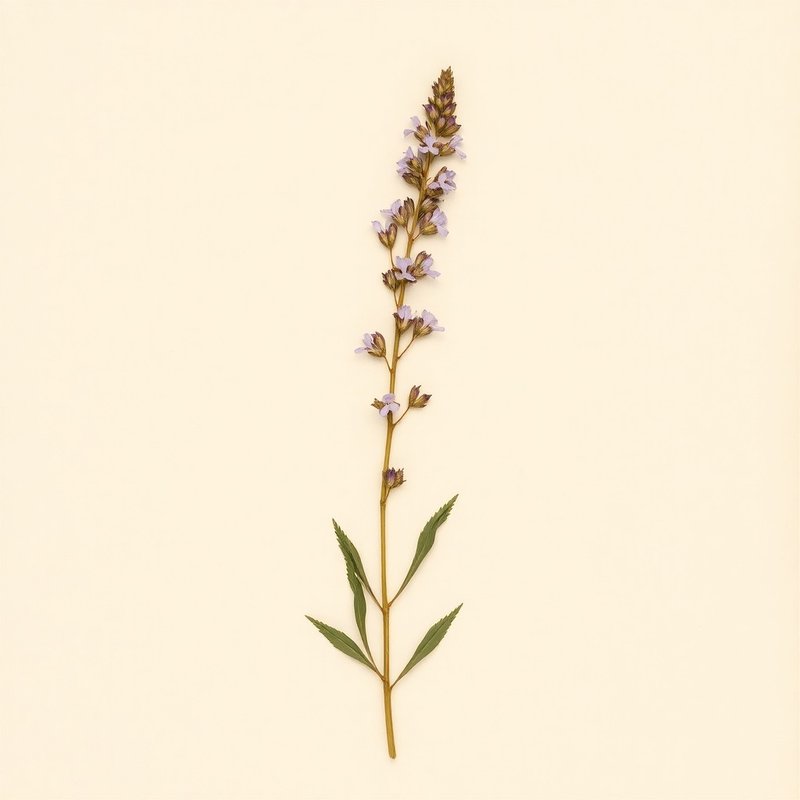
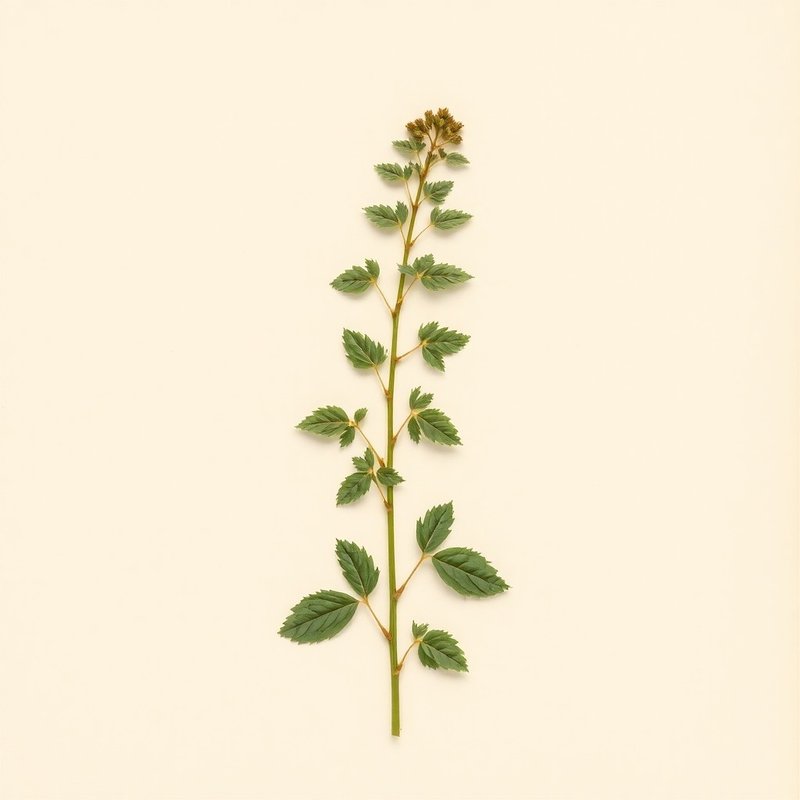
Pl. 6962 — Salvia hispanica
Salvia hispanicaSalvia hispanicaSalvia hispanicaSalvia hispanicaSalvia hispanicaSalvia hispanicaSalvia hispanicaSalvia hispanicaSalvia hispanicaSalvia hispanicaSalvia hispanicaSalvia hispanicaSalvia hispanicaSalvia hispanica
IOverview
Overview
Chia (Salvia hispanica) is an annual herb native to the Central and Southern regions of Mexico and parts of Guatemala and Colombia. This plant thrives in full sun with a preference for well-drained soil that can range from light sandy to medium textures. Chia is known for its edible seeds, which have been cultivated for centuries and are now widely recognized for their nutritional benefits. The seeds contain high levels of tryptophan and magnesium, traditionally used by Mexicans to aid in better sleep when consumed in evening warm milk. In addition to its culinary uses, chia has a long history of medicinal applications, making it a versatile plant with both edible and therapeutic properties. Its distinctive feature is the ability to absorb up to 12 times its weight in water, which makes it an excellent choice for soil retention and moisture management in arid conditions.
Quick answers
What is Chia?
Chia (Salvia hispanica) is an annual herb native to the Central and Southern regions of Mexico and parts of Guatemala and Colombia. This plant thrives in full sun with a preference for well-drained soil that can range from light sandy to medium textures.
What is Chia used for?
Traditionally used for better sleep. Each claim is evidence-rated — see Section II for full citations.
Best for
Top 1 evidence-ranked use of Chia
Clinicaluses · safety · chemistry · dosagemedicinal profile
IIBenefits & evidence
1 claim · 0 sources
Benefits & evidence
1 claim · 0 sources- Traditional use: chia seeds in evening warm milk — folk Mexican; tryptophan + magnesium boost.
Tryptophan precursor to serotonin/melatonin
IV·bMixology suggestions
2 drafts
Mixology suggestions
2 draftsEditorial drafts. These pairings are AI-suggested from traditional herbal lore. Always verify with a qualified herbalist before brewing.
Growingconditions · propagation · uses
VCultivation
Cultivation
Salvia hispanica thrives in full sun and prefers well-draining soil that is light (sandy) or medium. It can tolerate both dry and moist conditions but needs regular watering to produce abundant seeds. This annual plant grows up to 1 meter tall and is hardy in zones 8-11, making it suitable for temperate regions. For propagation, sow seeds directly into the garden after all danger of frost has passed. Ensure the soil remains consistently moist until germination occurs.
Light
Full sun
Water
Dry, Moist
Soil
Light (sandy), Medium
Hardiness
8-11
Life cycle
Annual
Mature size
1.0 m tall
For first-time growers
How to grow Chia for the first time
8steps
Start with easy-to-grow chia seeds for a rewarding beginner gardening experience.
- 1
What you'll need
Chia seeds, potting soil, small containers or garden bed, water.
- 2
Best time to plant
Plant in spring after the last frost when temperatures are above 10°C (50°F).
- 3
Soil and container prep
Use well-draining potting soil. Ensure containers have drainage holes if using pots.
- 4
Sowing or transplanting
Direct sow seeds in the garden or start them indoors 4-6 weeks before planting outside. Sow seeds 1/4 inch deep.
- 5
First two weeks
Keep soil consistently moist until germination, which takes about 7-10 days. Provide full sun exposure.
- 6
Ongoing care
Water when the top inch of soil feels dry. Fertilize sparingly with a balanced fertilizer every few months.
- 7
Harvest or pruning
Prune chia plants after flowering to encourage more blooms and prevent self-seeding.
- 8
Common mistakes
Overwatering, planting in heavy soil, not providing enough sunlight, neglecting to prune. Avoid these by following the steps carefully.
VIEdible & utility
Edible & utility
Edible parts:Seed
Edible uses: Drink
Contextrange · companions · related
VIIDistribution
12 native · 18 introduced
Distribution
12 native · 18 introducedDistribution across2 continents· 12 native· 18 introduced
Europe5 regions
introduced (5)AustriaBulgariaGermanySpainUnited Kingdom
Americas15 regions
native (6)ColombiaEcuadorEl SalvadorGuatemalaHondurasNicaragua
introduced (9)BahamasBoliviaColombiaCubaEcuadorEl SalvadorHondurasNicaraguaVenezuela
Broader regions
native:Mexico Northeast, Mexico Southeast, Mexico Southwest, Mexico Central, Mexico Gulf, Mexico Northwest
introduced:Czechoslovakia, Florida, Jawa, Texas
IXSpecimen gallery
1 image
Specimen gallery
1 imageXSee also
8 related
See also
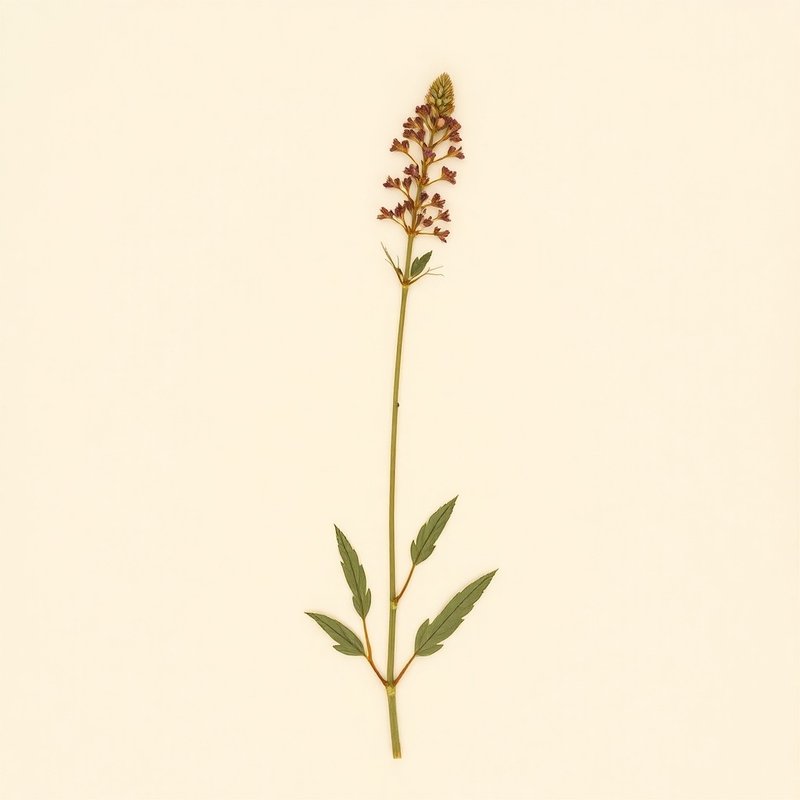
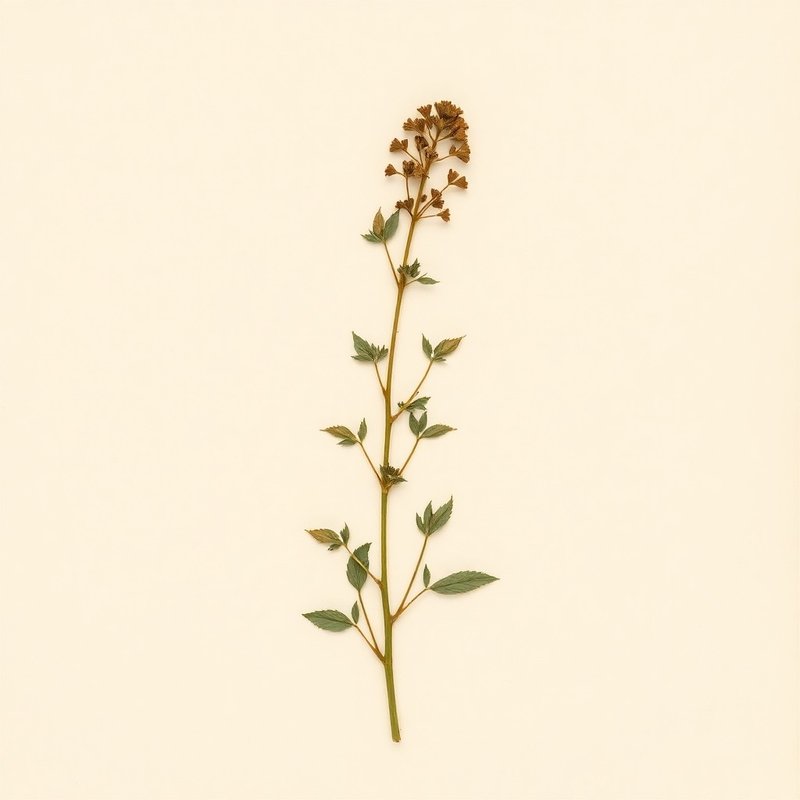
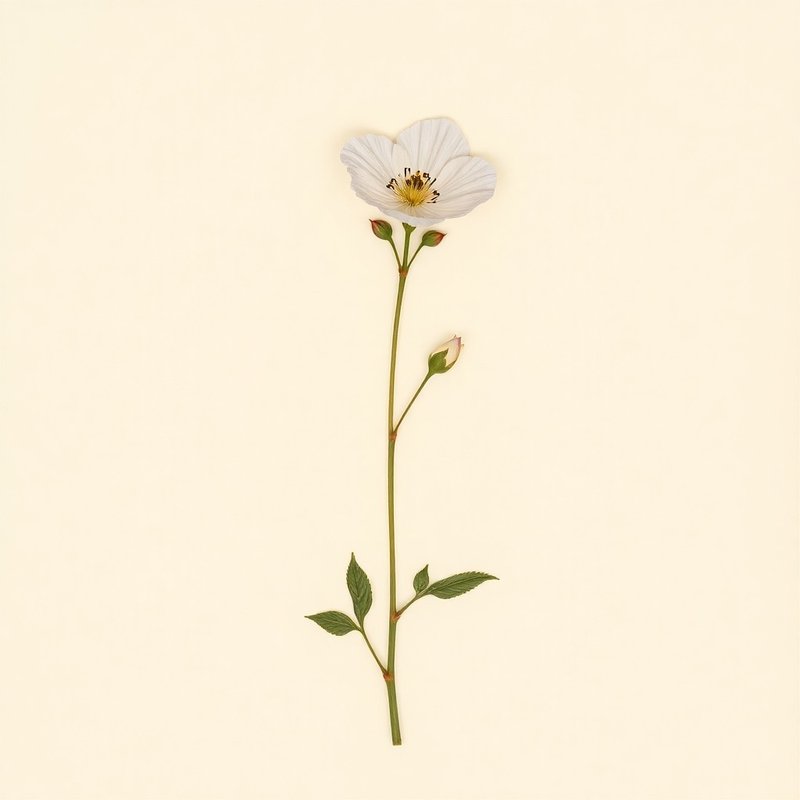
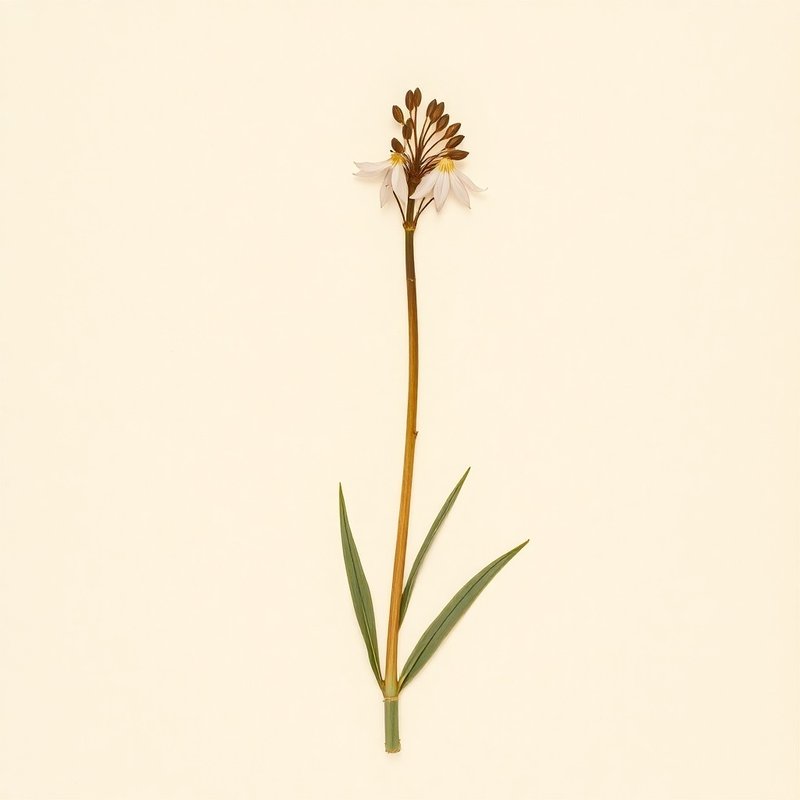
8 relatedPlants you might compare or use together — scored by shared family, common use cases, and growing requirements.
shared use cases
Different families, similar therapeutic role — good for comparing.
XI
Explore further
Companion planting
Health goals
Compare with similar plants
Growing zone
XII
About this entry
- Last updated
- Citation
- How to cite this entry · Submit a correction
Back to the cataloguePlant id · 69621540-2008-4449-80ae-572216e25ec1
Decision aid
Choosing between Chia and something else?
Continue reading
❦❦❦❦
Endpaper · archive updates
Get archive updates
Occasional email when substantial new content lands — plant profiles, seasonal growing notes, folk-remedy additions. Free, no tracking, unsubscribe anytime.