
Fowl Manna Grass
IOverview
Overview
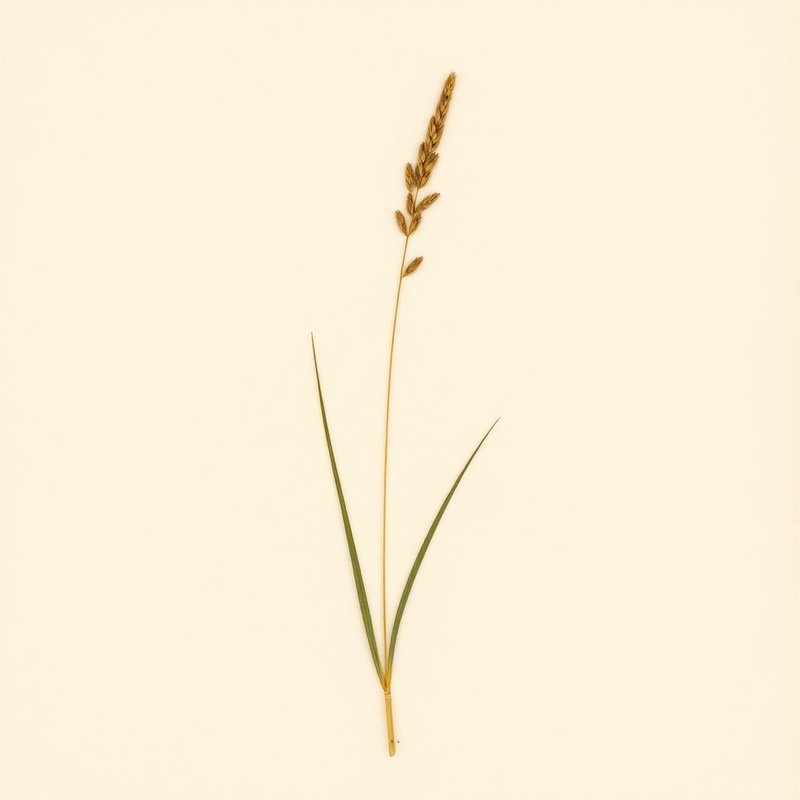
Fowl Manna Grass (Glyceria striata), a perennial graminoid from the Poaceae family, is native to a wide range of regions including Alabama, Alaska, and various states in between, as well as parts of Central Mexico. This plant thrives in habitats with light (sandy), medium, or heavy (clay) soils within a pH range of 4 to 8, making it adaptable to diverse environments. Fowl Manna Grass is known for its ornamental appeal and practical use due to its edible seeds, which can be harvested and prepared by drying before consumption or ground into flour for various dishes. This plant grows up to 1.5 meters tall with a moderate growth rate and a rhizomatous growth form, contributing to its distinctive appearance in landscapes. It prefers wet conditions but is not drought-resistant, making it ideal for areas with consistent moisture. Fowl Manna Grass has been introduced into several European countries such as Austria, France, Poland, and Ukraine, expanding its presence beyond its native range. While primarily noted for its ornamental value and edible seeds, Fowl Manna Grass does not have recognized medicinal uses. When cultivating this plant, ensure the soil remains consistently moist but avoid waterlogged conditions. It thrives in full sun or partial shade, making it suitable for a variety of garden settings where its light-loving characteristics are appreciated.
What is Fowl Manna Grass?
Fowl Manna Grass (Glyceria striata), a perennial graminoid from the Poaceae family, is native to a wide range of regions including Alabama, Alaska, and various states in between, as well as parts of Central Mexico.
VCultivation
Cultivation
How to grow Fowl Manna Grass for the first time
Start with Fowl Manna Grass as a simple, low-maintenance addition to your garden.
- 1
What you'll need
A packet of seeds or small plants, a container or plot in the ground, and basic gardening tools like a trowel.
- 2
Best time to plant
Plant Fowl Manna Grass in early spring or late fall when temperatures are cooler.
- 3
Soil and container prep
Ensure your soil is well-draining with a pH between 4 and 8. Amend heavy clay soils with sand for better drainage if needed.
- 4
Sowing or transplanting
Direct sow seeds in the ground or start them indoors about 6 weeks before planting outside. Transplant young plants carefully, ensuring roots are not damaged.
- 5
First two weeks
Keep the soil consistently moist during this period to help establish the plant. Avoid overwatering as it can lead to root rot.
- 6
Ongoing care
Water regularly but avoid excess moisture, especially in poorly drained soils. Fertilize sparingly if necessary, using a balanced fertilizer.
- 7
Harvest or pruning
Prune dead foliage in late winter to maintain the plant's health and appearance. Harvest seed heads for decorative purposes if desired.
VIEdible & utility
Edible & utility
VIIDistribution
70 native · 9 introduced
Distribution
70 native · 9 introducedIXSpecimen gallery
1 image
Specimen gallery
1 imageXSee also
8 related
See also
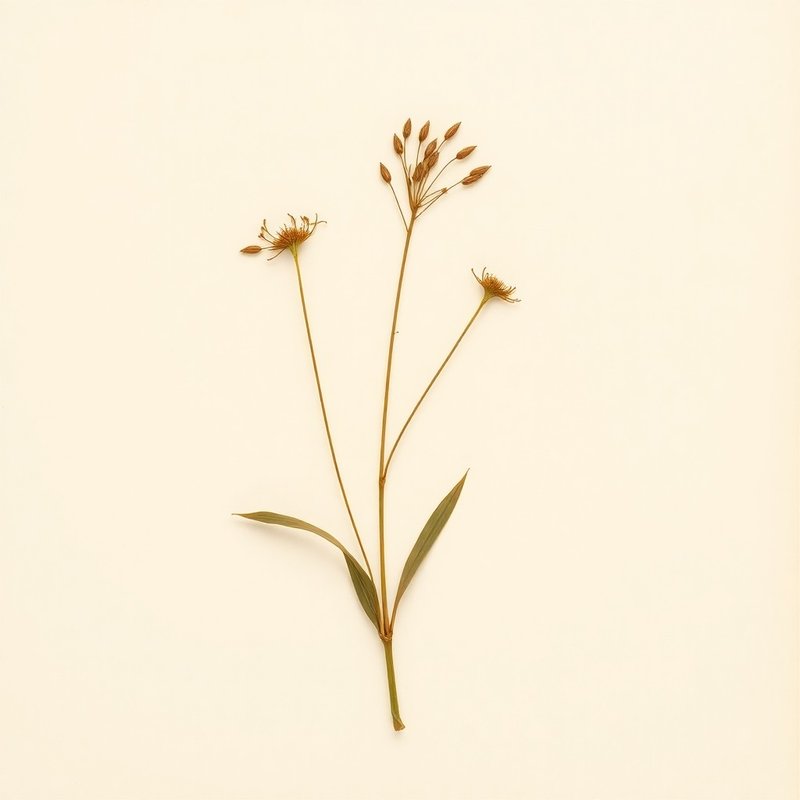
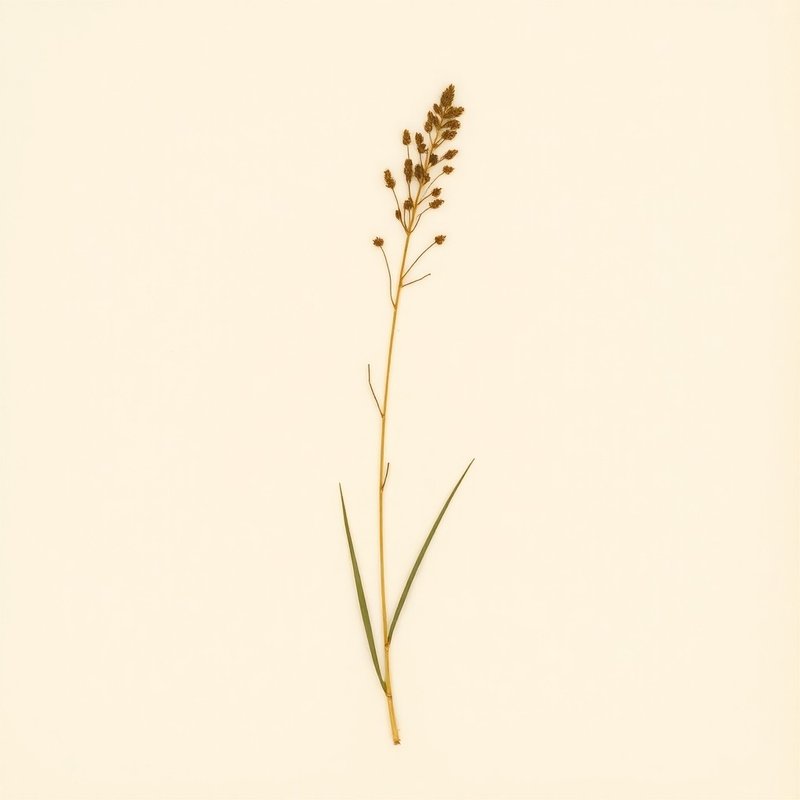
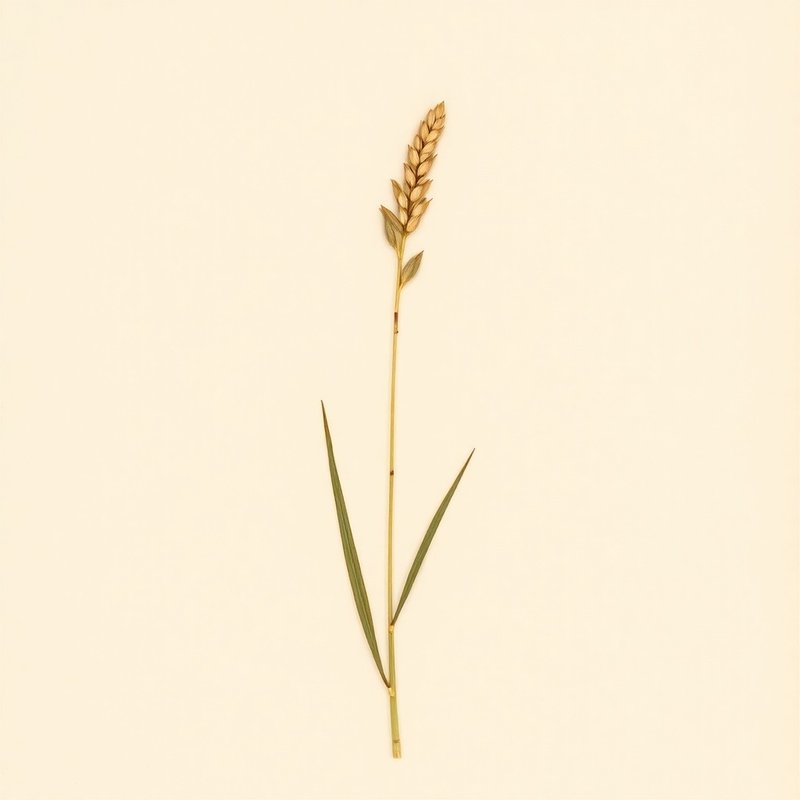
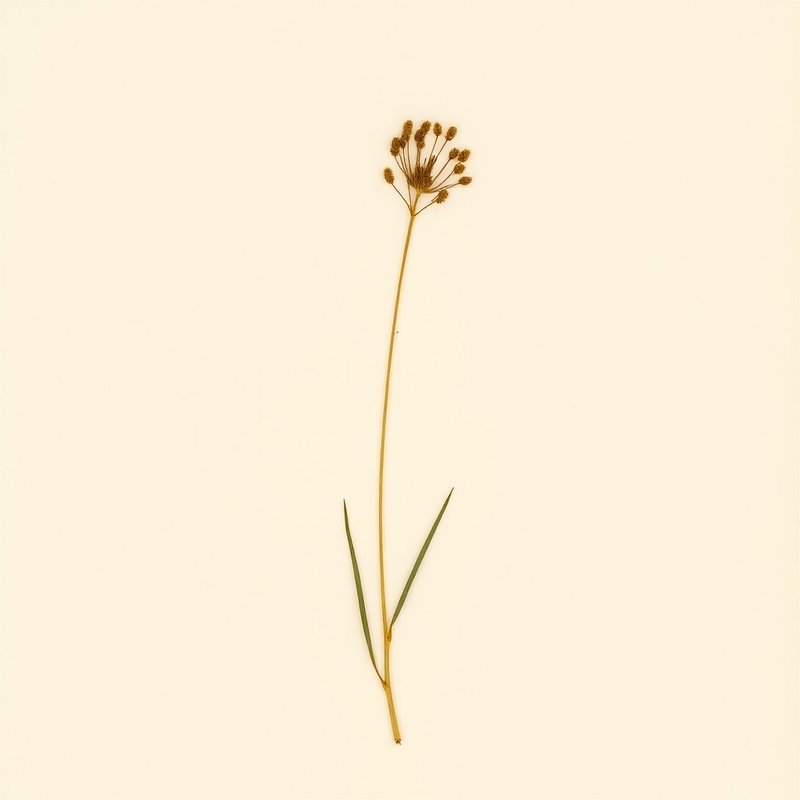
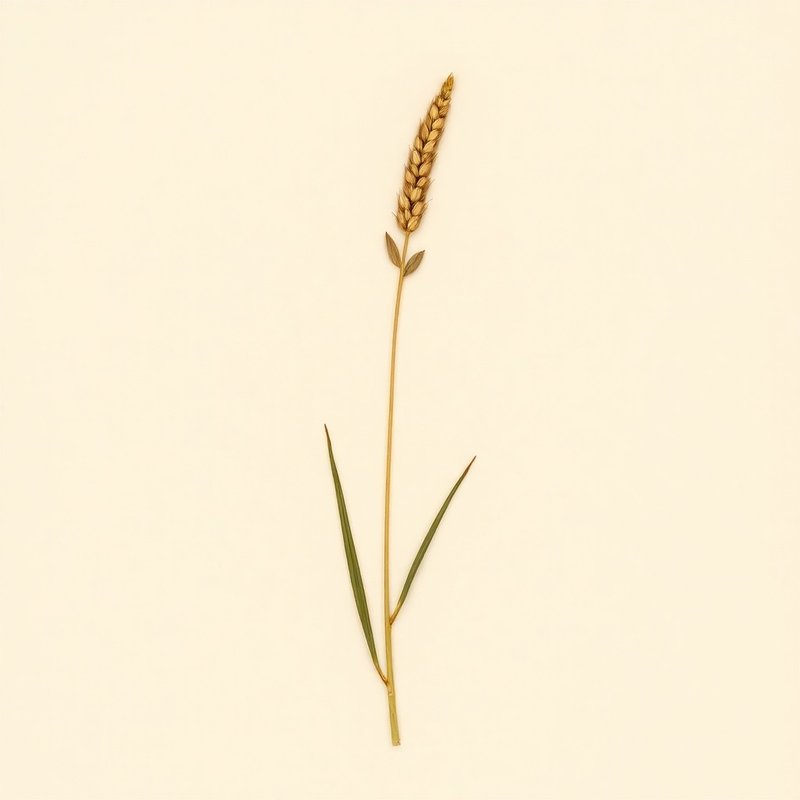
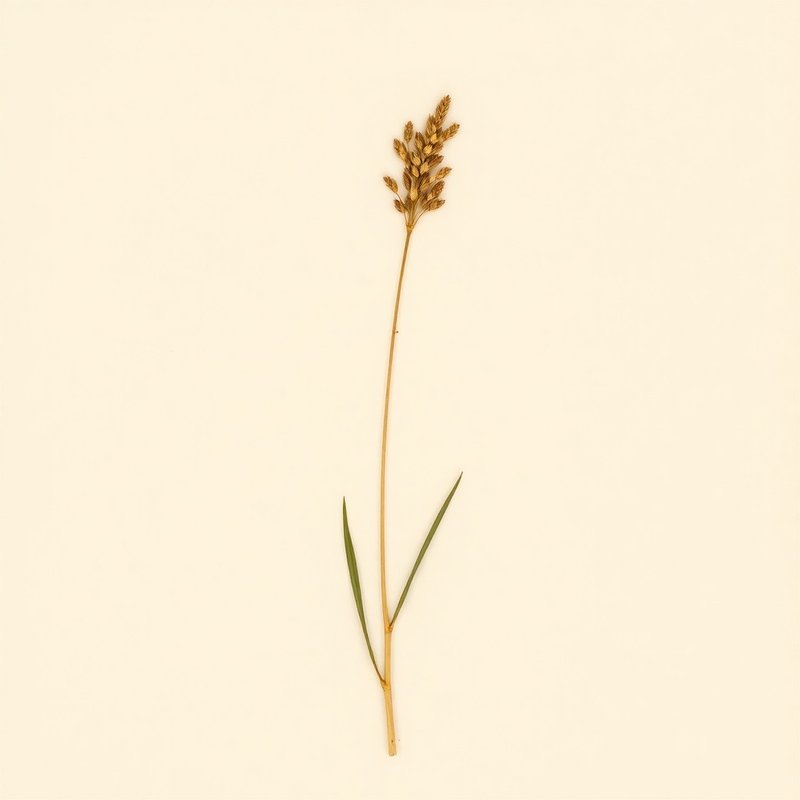
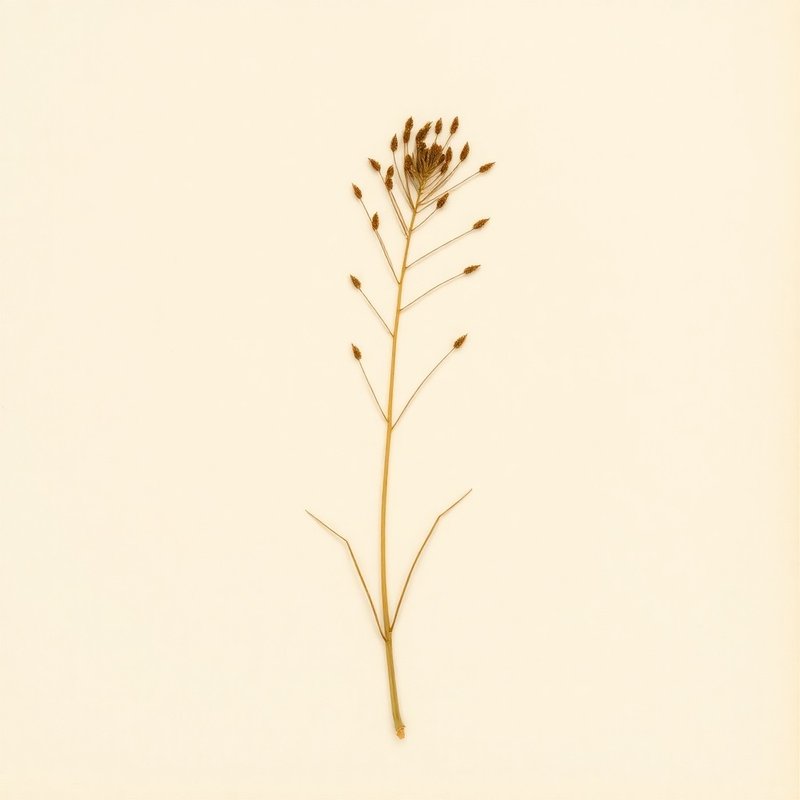
8 relatedPlants you might compare or use together — scored by shared family (Poaceae), common use cases, and growing requirements.
Explore further
About this entry
- Last updated
- Citation
- How to cite this entry · Submit a correction
Continue reading
Get archive updates
Occasional email when substantial new content lands — plant profiles, seasonal growing notes, folk-remedy additions. Free, no tracking, unsubscribe anytime.