
Fragrant Orchid
IOverview
Overview
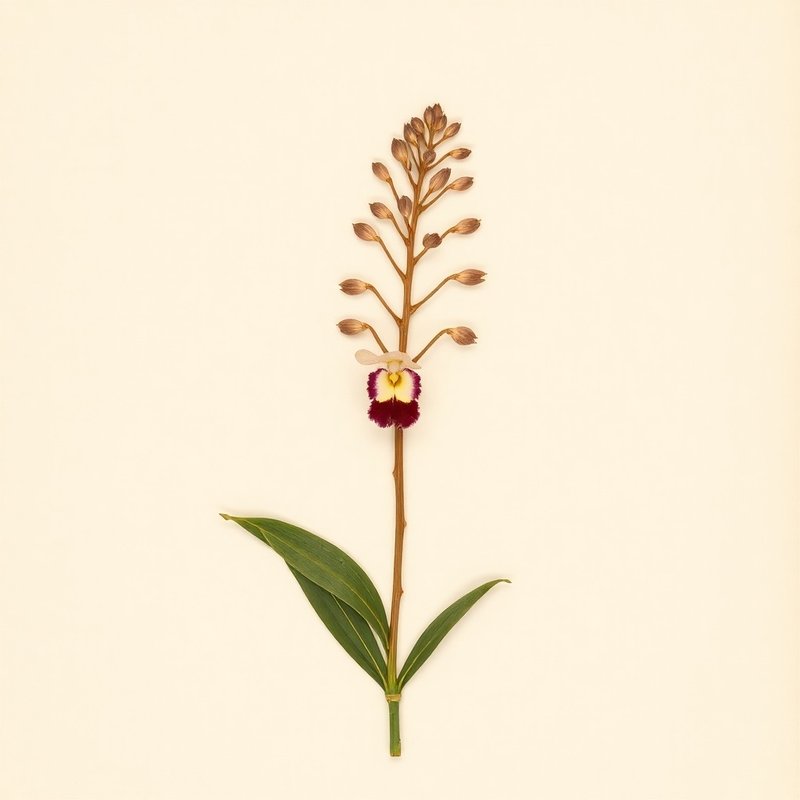
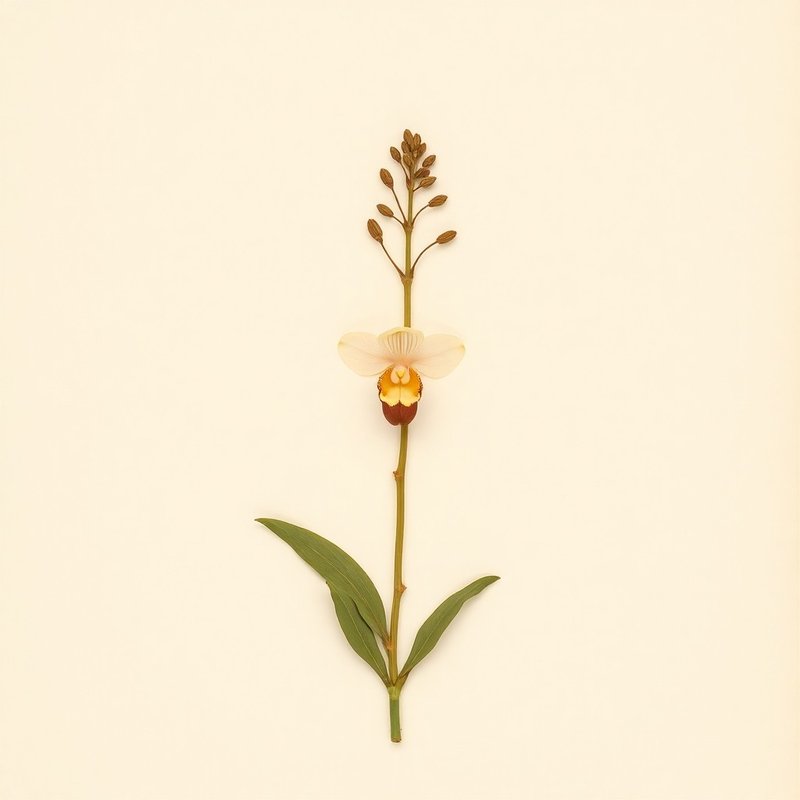
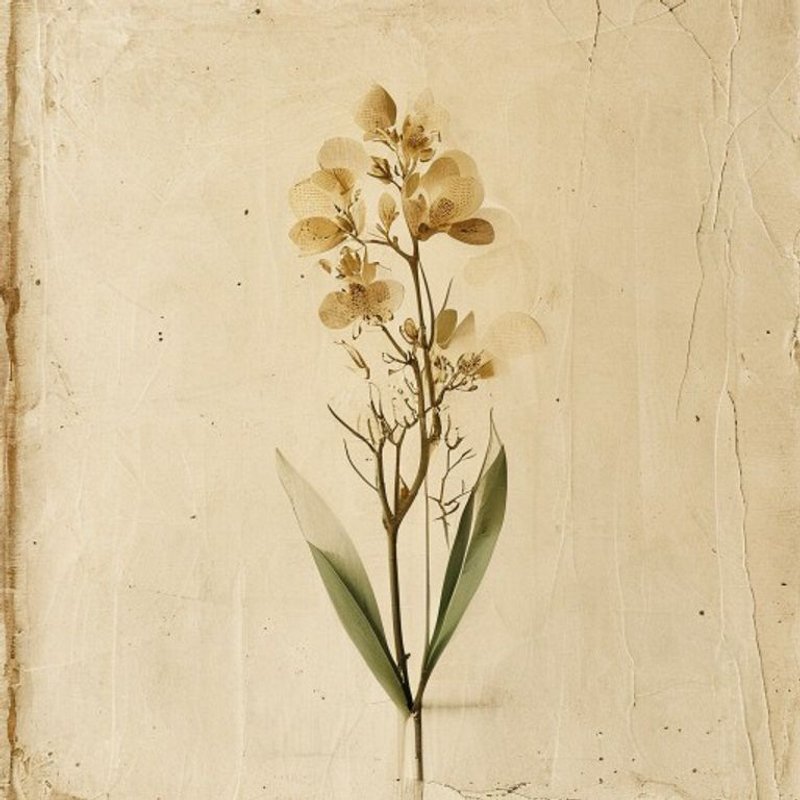
The Fragrant Orchid (Gymnadenia conopsea), belonging to the orchid family (Orchidaceae), is a delightful herbaceous plant native to central and eastern Europe, thriving in habitats ranging from Austria to Ukraine and as far west as Belgium and France. Known for its light and partial sun requirements, it prefers moist conditions and can grow in various soil types, including sandy, medium, and clay soils. Hardy from zones 6-9, this orchid reaches a height of about 0.3 meters and is valued not only for its ornamental appeal but also for its edible roots. Its distinctive feature lies in the pleasant fragrance it emits, making it a charming addition to gardens while offering culinary benefits as well. The Fragrant Orchid's roots are edible and can be consumed raw or cooked; typically, they are prepared by boiling to enhance their flavor and texture. This plant thrives in full to partial sun and prefers moist soil that is light (sandy), medium, or heavy (clay). It grows best in hardiness zones 6-9, making it suitable for temperate regions. For propagation, the root can be divided in early spring or fall. While primarily appreciated for its ornamental value and fragrance, this orchid also offers culinary benefits through its edible roots.
What is Fragrant Orchid?
The Fragrant Orchid (Gymnadenia conopsea), belonging to the orchid family (Orchidaceae), is a delightful herbaceous plant native to central and eastern Europe, thriving in habitats ranging from Austria to Ukraine and as far west as Belgium and France.
VCultivation
Cultivation
How to grow Fragrant Orchid for the first time
Start with planting Fragrant Orchid in a well-prepared soil and follow basic care instructions for the best beginner experience.
- 1
What you'll need
A healthy Fragrant Orchid plant or seeds, suitable potting mix, and a container with drainage holes.
- 2
Best time to plant
Plant in early spring before new growth starts or in late summer after the heat has passed.
- 3
Soil and container prep
Use a well-draining soil mix that is light, medium, or heavy. Ensure the container has adequate drainage holes.
- 4
Sowing or transplanting
Transplant young plants carefully to avoid damaging roots. For seeds, sow them lightly covered in moist soil.
- 5
First two weeks
Keep the soil consistently moist but not waterlogged. Place in a partially shaded area to prevent sunburn.
- 6
Ongoing care
Provide partial shade and keep the soil moist during dry periods. Fertilize sparingly with an orchid-specific fertilizer.
- 7
Harvest or pruning
Prune dead leaves and spent flowers to maintain plant health, but avoid disturbing the roots.
VIEdible & utility
Edible & utility
VIIDistribution
60 native · 1 introduced
Distribution
60 native · 1 introducedIXSpecimen gallery
1 image
Specimen gallery
1 imageXSee also
8 related
See also
8 relatedPlants you might compare or use together — scored by shared family (Orchidaceae), common use cases, and growing requirements.



Explore further
About this entry
- Last updated
- Citation
- How to cite this entry · Submit a correction
Continue reading
Get archive updates
Occasional email when substantial new content lands — plant profiles, seasonal growing notes, folk-remedy additions. Free, no tracking, unsubscribe anytime.