
Fly Orchid
Ophrys insectiferafam. Orchidaceae
Educational content — not medical, botanical, or professional advice. Plant identification, safety, and edibility depend on local conditions, cultivars, and correct identification. Consult a qualified botanist or forager before consuming or handling wild specimens. How we source & review →
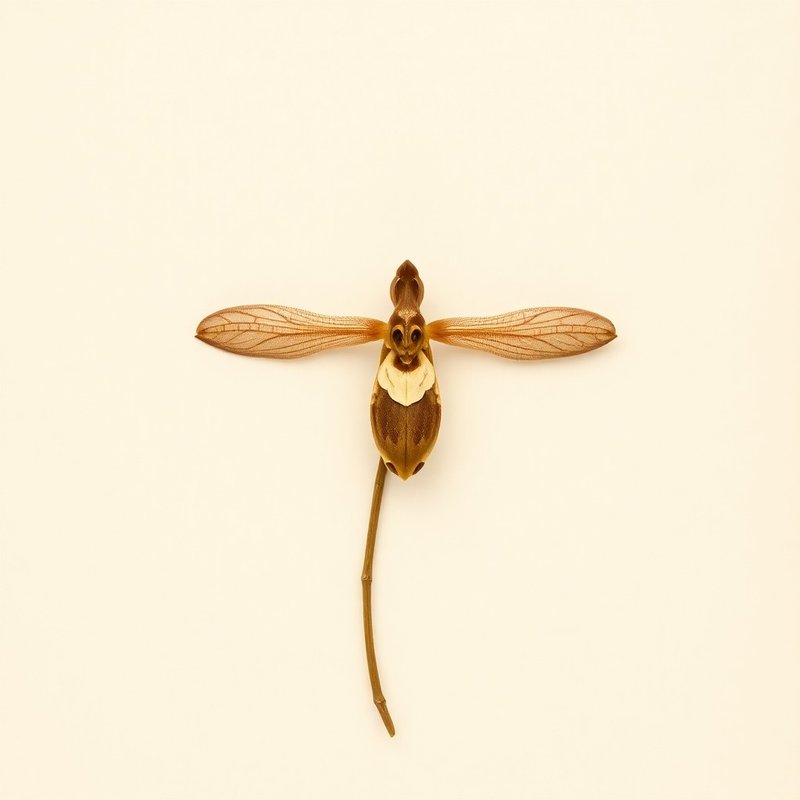
Pl. 7A49 — Ophrys insectifera
Ophrys insectiferaOphrys insectiferaOphrys insectiferaOphrys insectiferaOphrys insectiferaOphrys insectiferaOphrys insectiferaOphrys insectiferaOphrys insectiferaOphrys insectiferaOphrys insectiferaOphrys insectiferaOphrys insectiferaOphrys insectifera
IOverview
Overview
The Fly Orchid (Ophrys insectifera) is a perennial plant native to central and northern Europe, ranging from the British Isles to Ukraine. It thrives in various habitats including moist soils, often found in light or partial shade. Known for its distinctive mimicry of female flies to attract male insects for pollination, this orchid is both ornamental and edible. Its roots are the parts used for culinary purposes. The Fly Orchid can grow up to 0.5 meters tall and prefers full sun to partial shade, making it a fascinating addition to gardens or natural settings where its unique form and habitat requirements can be met.
Quick answers
What is Fly Orchid?
The Fly Orchid (Ophrys insectifera) is a perennial plant native to central and northern Europe, ranging from the British Isles to Ukraine. It thrives in various habitats including moist soils, often found in light or partial shade.
Growingconditions · propagation · uses
VCultivation
Cultivation
The Fly Orchid thrives in full sun to partial shade and prefers moist soil that is light (sandy), medium, or heavy (clay). It grows best in hardiness zones 5-9 and reaches a height of about 0.5 meters. Propagate through root division for new plants. This perennial is native to temperate regions across Europe and can be grown as an edible plant, with its roots being the edible part.
Light
Full sun, Partial sun/shade
Water
Moist
Soil
Light (sandy), Medium, Heavy (clay)
Hardiness
5-9
Life cycle
Perennial
Mature size
0.5 m tall
Seasonal calendar
Northern hemisphere · UTC month is September
winterspringsummerautumnwinter
BloomJFMAMJJASOND
For first-time growers
How to grow Fly Orchid for the first time
7steps
Start with a simple Fly Orchid planting to gain experience in orchid care.
- 1
What you'll need
A Fly Orchid plant, well-draining potting mix, and a container with drainage holes.
- 2
Best time to plant
Plant the Fly Orchid in spring or early summer when it's actively growing.
- 3
Soil and container prep
Use a mix of sphagnum moss, perlite, and peat for good drainage. Ensure the container has adequate holes at the bottom.
- 4
Sowing or transplanting
Transplant the Fly Orchid carefully to avoid damaging its roots. Place it in the center of the pot with the roots spread out.
- 5
First two weeks
Keep the soil moist but not waterlogged. Provide bright, indirect light and maintain a temperature between 60-75°F (15-24°C).
- 6
Ongoing care
Water when the top layer of soil feels dry to the touch. Fertilize sparingly with an orchid-specific fertilizer every few months.
- 7
Harvest or pruning
Prune dead flowers and yellow leaves to maintain plant health, but avoid disturbing the roots.
VIEdible & utility
Edible & utility
Edible parts:Root
Edible uses: The Fly Orchid's root is edible and can be consumed raw or cooked. Typically, the roots are dug up and prepared in various ways depending on preference, though specific culinary uses are not detailed here.
Other uses:Fragrance
Contextrange · companions · related
VIIDistribution
30 native · 0 introduced
Distribution
30 native · 0 introducedDistribution across1 continent· 30 native
Europe23 regions
native (23)AlbaniaAustriaBelarusBelgiumBulgariaDenmarkFinlandFranceGermanyGreeceHungaryIrelandItalyNetherlandsNorwayPolandRomaniaRussiaSpainSwedenSwitzerlandUkraineUnited Kingdom
Broader regions
native:Baltic States, Czechoslovakia
IXSpecimen gallery
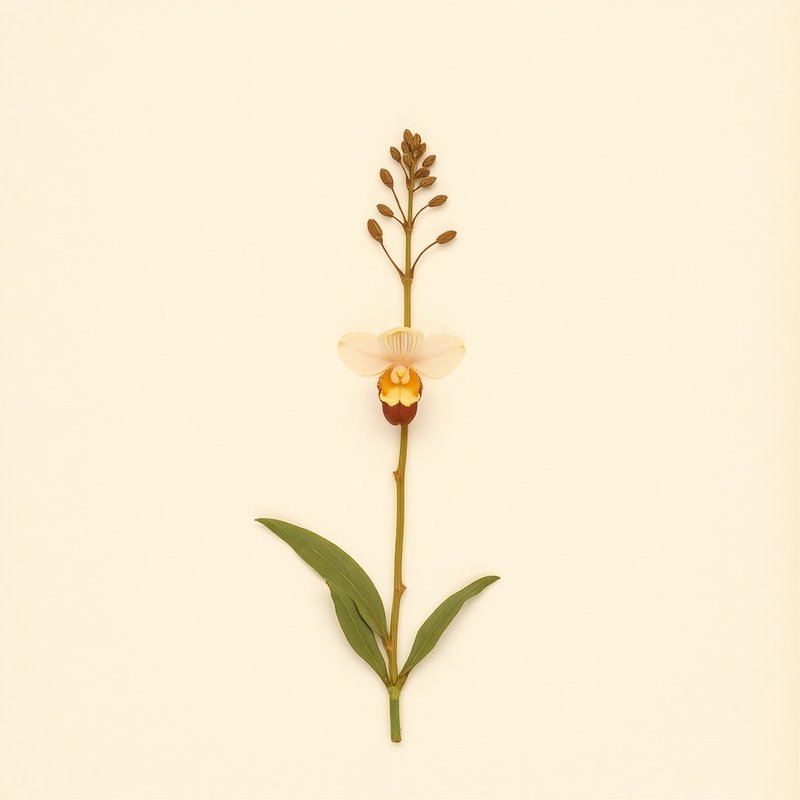
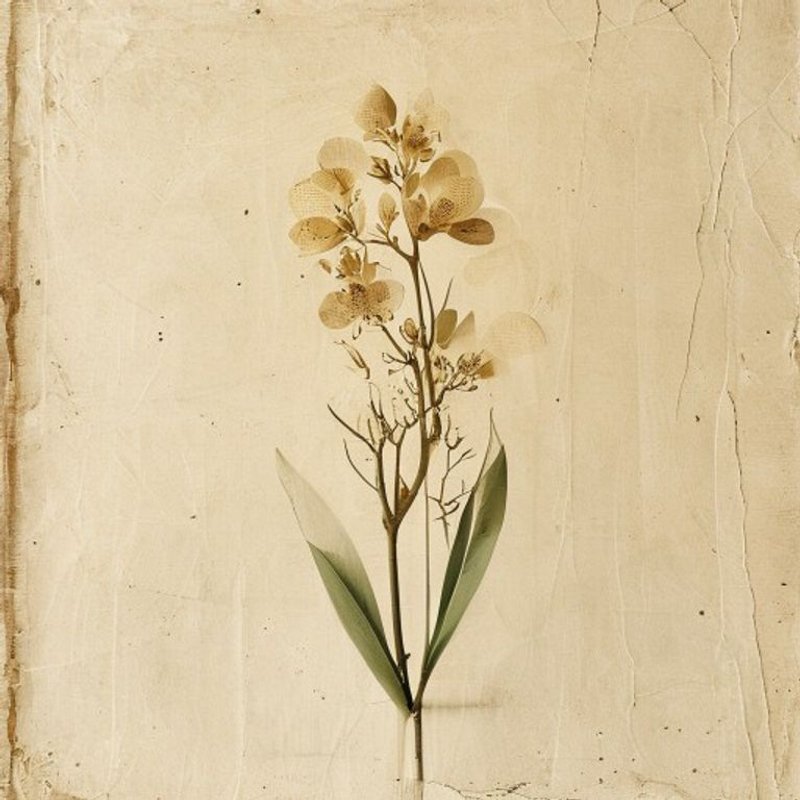
1 image
Specimen gallery
1 imageXSee also
8 related
See also
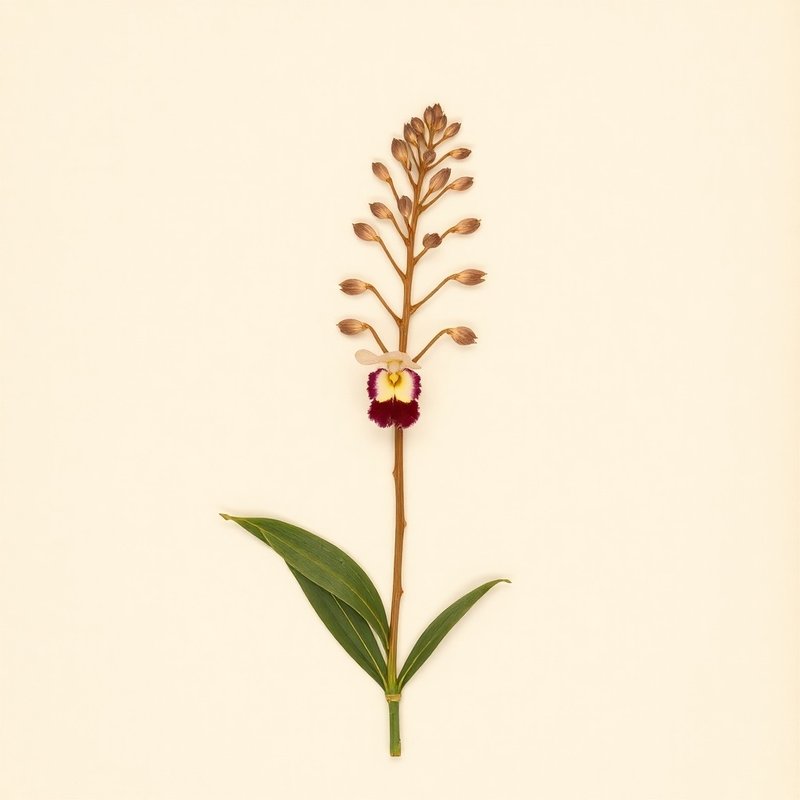
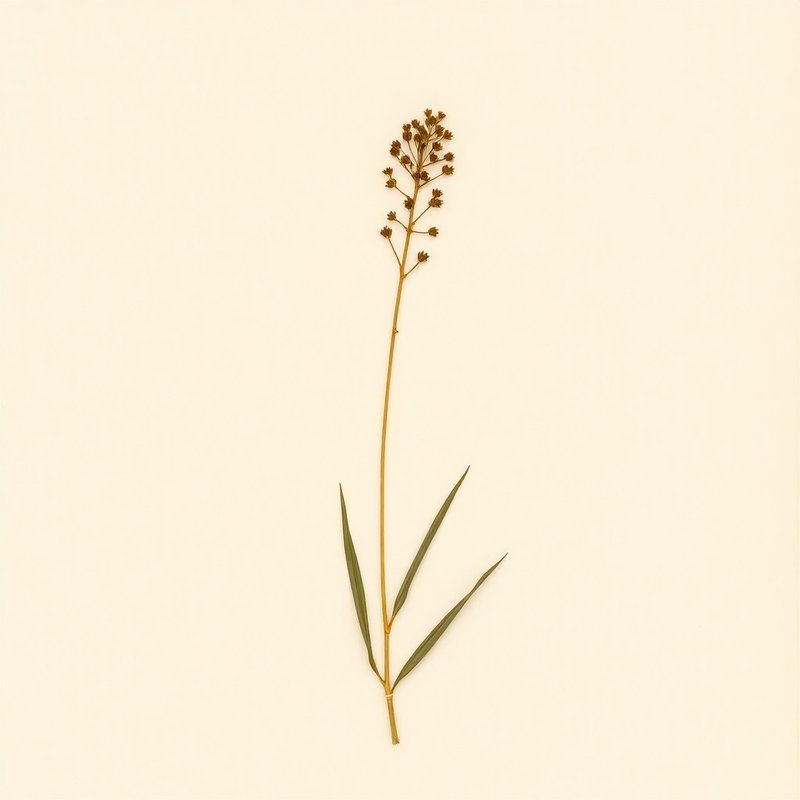
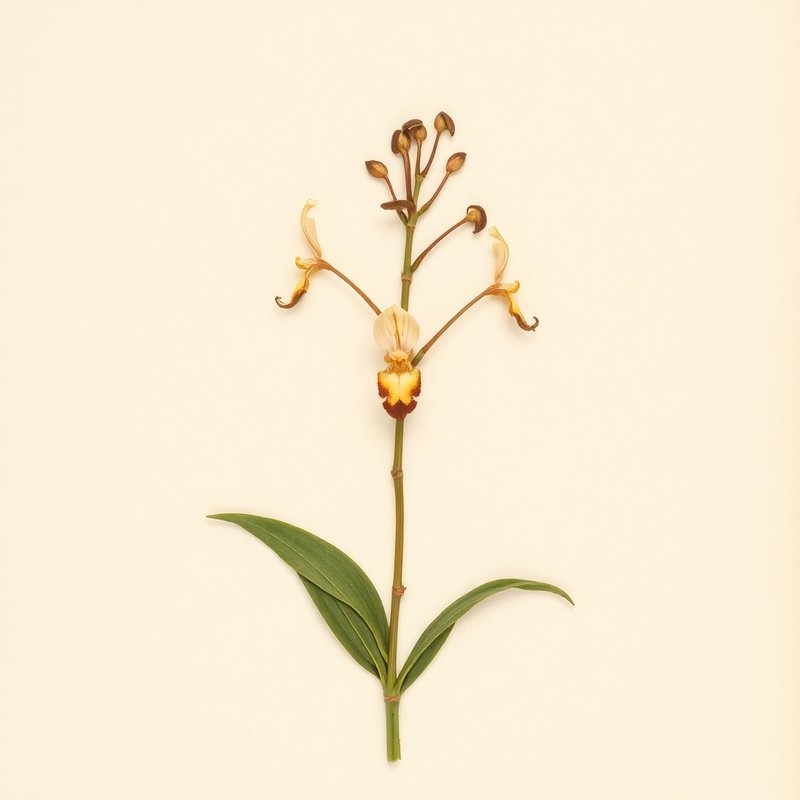
8 relatedPlants you might compare or use together — scored by shared family (Orchidaceae), common use cases, and growing requirements.
same family · Orchidaceae
Botanical relatives — often share phytochemistry + growing needs.



XI
Explore further
Companion planting
Compare with similar plants
Growing zone
XII
About this entry
- Last updated
- Citation
- How to cite this entry · Submit a correction
Back to the cataloguePlant id · 7a495f45-5fcc-4883-b570-f4ec004a75c4
Decision aid
Choosing between Fly Orchid and something else?
Continue reading
❦❦❦❦
Endpaper · archive updates
Get archive updates
Occasional email when substantial new content lands — plant profiles, seasonal growing notes, folk-remedy additions. Free, no tracking, unsubscribe anytime.