
Habenaria intermedia
IOverview
Overview
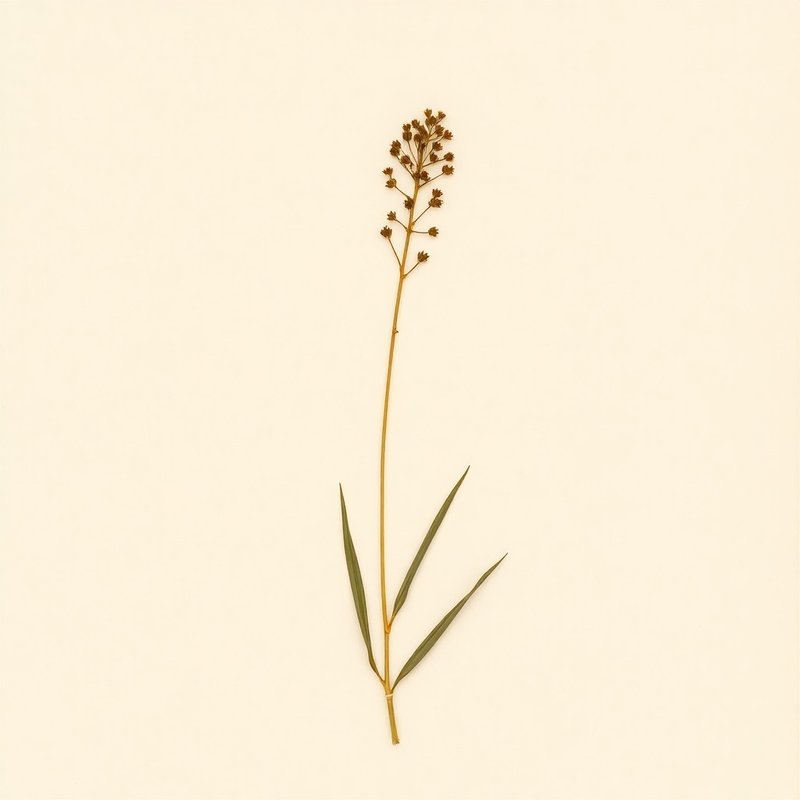
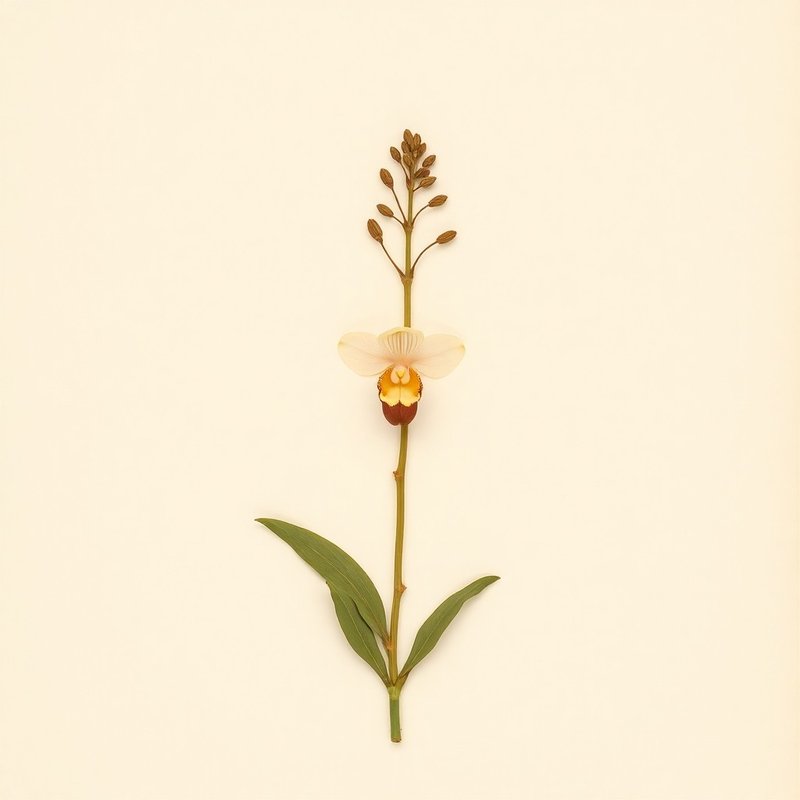
Habenaria intermedia, a perennial herb belonging to the Orchidaceae family, is native to the moist environments of Assam, East Himalaya, Myanmar, Nepal, Pakistan, Tibet, and West Himalaya. This plant thrives in a variety of soil types, including light (sandy), medium, and heavy (clay), and prefers full to partial sun. Standing at approximately 0.5 meters tall, H. intermedia is notable for its edible leaves and roots, which can be consumed raw or cooked as a vegetable. The roots can also be prepared and used in various dishes, making it a valuable addition to local cuisines. Its adaptability to different soil conditions and climate preferences makes it a versatile species within its native range. While not traditionally used for medicinal purposes, the plant's edible parts offer a nutritious addition to the diet in its native regions.
What is Habenaria intermedia?
Habenaria intermedia, a perennial herb belonging to the Orchidaceae family, is native to the moist environments of Assam, East Himalaya, Myanmar, Nepal, Pakistan, Tibet, and West Himalaya. This plant thrives in a variety of soil types, including light (sandy), medium, and heavy (clay), and prefers full to partial sun.
VCultivation
Cultivation
How to grow Habenaria intermedia for the first time
Start with Skip by providing basic care and understanding its needs.
- 1
What you'll need
A container, potting mix suitable for orchids, a few skip plants or divisions.
- 2
Best time to plant
Plant in spring when the weather is mild and stable.
- 3
Soil and container prep
Use a well-draining mix with perlite or sand. Ensure the container has drainage holes.
- 4
Sowing or transplanting
Transplant skip plants from their current location to your prepared container gently.
- 5
First two weeks
Keep the soil moist but not waterlogged. Place in a partially shaded area for acclimatization.
- 6
Ongoing care
Provide partial sun and keep the soil consistently moist, especially during active growth.
- 7
Harvest or pruning
Skip is primarily grown for its ornamental value. Prune dead leaves to maintain plant health.
- 8
Common mistakes
Overwatering, placing in full sun, using heavy soil, neglecting to prune, and not providing enough shade.
VIEdible & utility
Edible & utility
VIIDistribution
7 native · 0 introduced
Distribution
7 native · 0 introducedIXSpecimen gallery
1 image
Specimen gallery
1 imageXSee also
8 related
See also
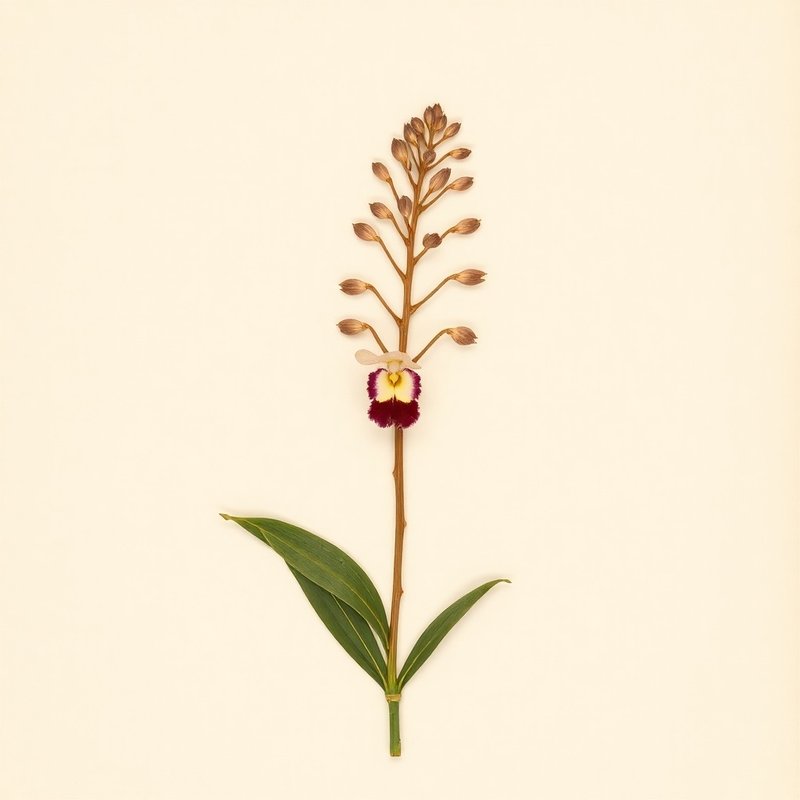
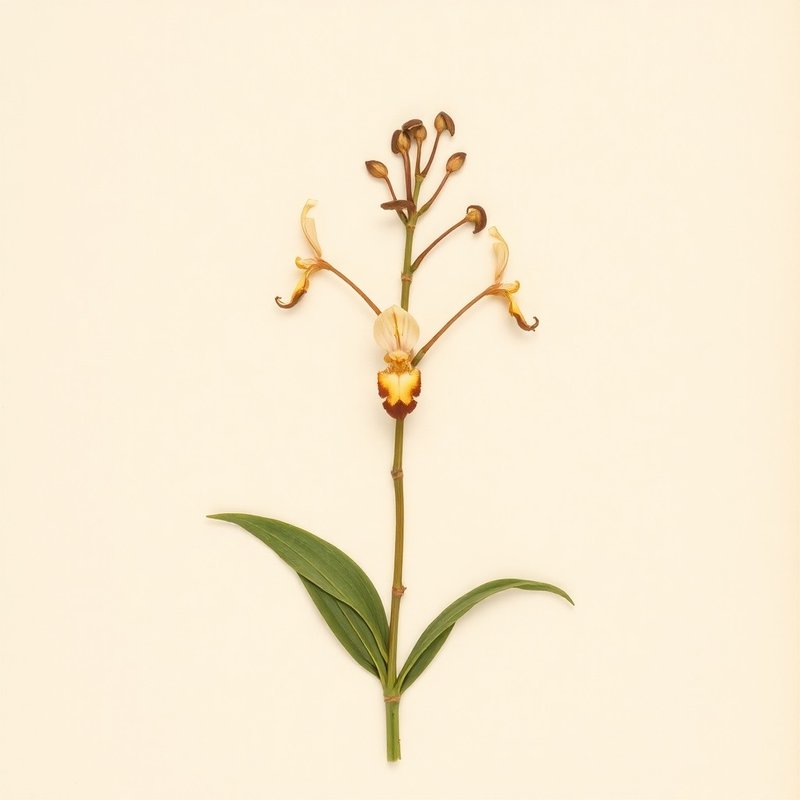
8 relatedPlants you might compare or use together — scored by shared family (Orchidaceae), common use cases, and growing requirements.



Explore further
About this entry
- Last updated
- Citation
- How to cite this entry · Submit a correction
Continue reading
Get archive updates
Occasional email when substantial new content lands — plant profiles, seasonal growing notes, folk-remedy additions. Free, no tracking, unsubscribe anytime.