
Military Orchis
IOverview
Overview
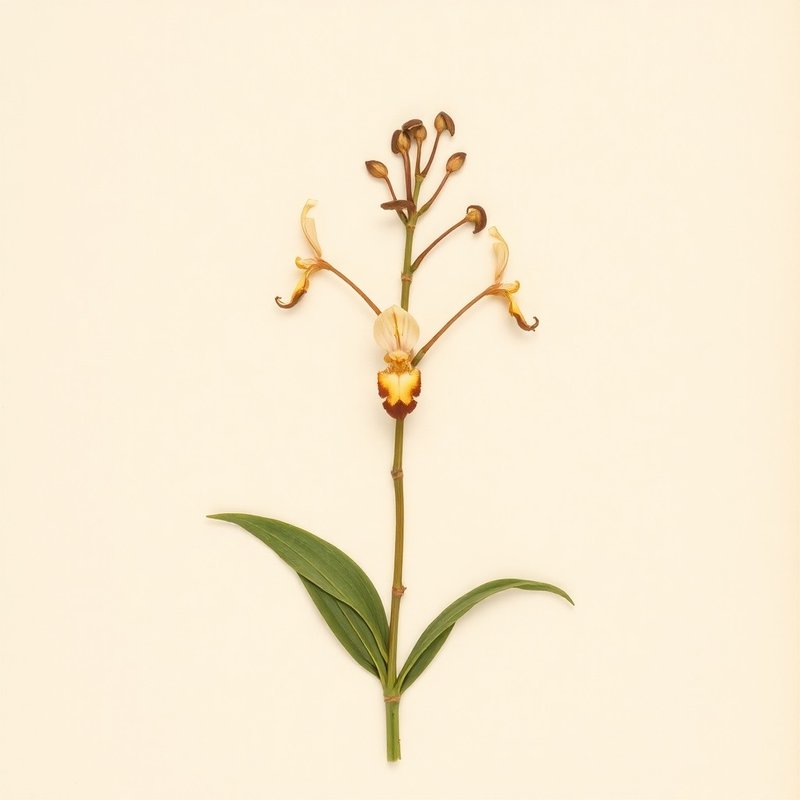
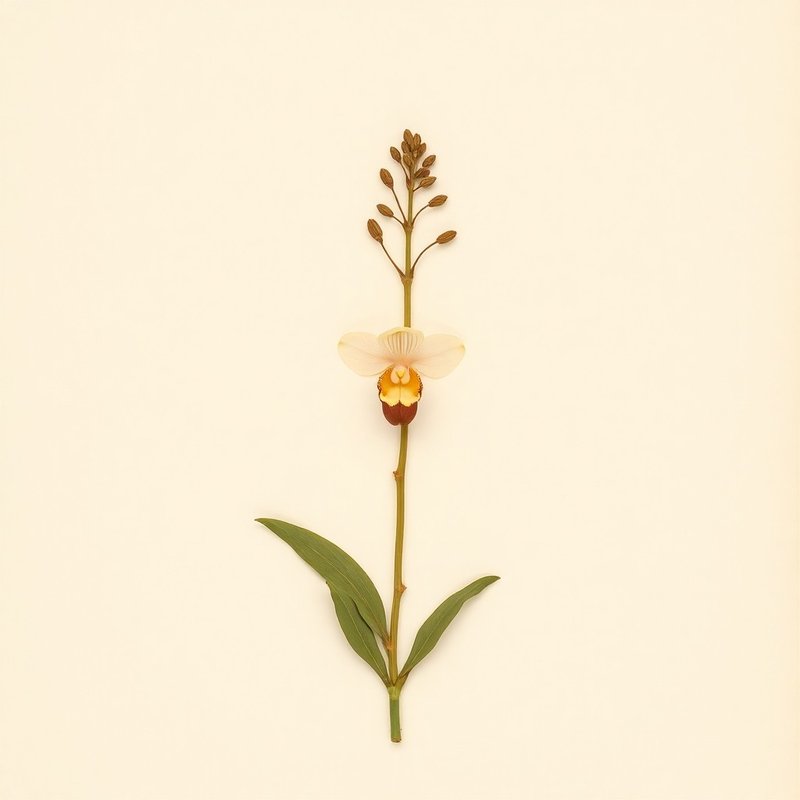
Military Orchis (Orchis militaris) is a species of orchid native to the Mediterranean region, found across countries such as Albania, Algeria, Baleares, Cyprus, Greece, Italy, Lebanon-Syria, Libya, Morocco, Palestine, Portugal, Sardegna, Sicilia, Spain, Tunisia, Turkey, and Yugoslavia. This plant thrives in moist environments with light to partial sun exposure and grows up to 0.6 meters tall. It prefers well-draining soil types, including light (sandy), medium, or heavy (clay), and can tolerate a range of temperatures within USDA hardiness zones 4-8. The roots of Military Orchis are edible and can be used in drinks, making it a valuable culinary addition to certain traditional practices. Its adaptability to various growing conditions, including its light to partial sun requirement, makes it a versatile plant for cultivation in gardens and natural settings. While not medicinal, it is important to handle the plant with care and avoid consumption without proper identification to ensure safety.
What is Military Orchis?
Military Orchis (Orchis militaris) is a species of orchid native to the Mediterranean region, found across countries such as Albania, Algeria, Baleares, Cyprus, Greece, Italy, Lebanon-Syria, Libya, Morocco, Palestine, Portugal, Sardegna, Sicilia, Spain, Tunisia, Turkey, and Yugoslavia.
VCultivation
Cultivation
How to grow Military Orchis for the first time
Start with Military Orchis as a simple, low-maintenance project for beginners.
- 1
What you'll need
A small Military Orchis plant or seeds, potting mix suitable for orchids, and a container with drainage holes.
- 2
Best time to plant
Plant in spring when the weather starts warming up, but before full summer heat.
- 3
Soil and container prep
Use a well-draining potting mix specifically formulated for orchids. Ensure your container has adequate drainage holes.
- 4
Sowing or transplanting
Transplant the plant carefully from its current pot to a new one, ensuring not to damage the roots.
- 5
First two weeks
Keep the soil slightly moist but avoid overwatering. Place in partial shade and monitor for signs of stress.
- 6
Ongoing care
Provide light that is either full sun or partial shade, depending on your local climate. Water when the top layer of soil feels dry.
- 7
Harvest or pruning
Focus on maintaining the plant's health and wait for flowering before considering any pruning.
- 8
Common mistakes
Overwatering, placing in direct full sun, using regular potting soil instead of orchid-specific mix, and neglecting to provide adequate drainage.
VIEdible & utility
Edible & utility
VIIDistribution
55 native · 0 introduced
Distribution
55 native · 0 introducedIXSpecimen gallery
1 image
Specimen gallery
1 imageXSee also
8 related
See also
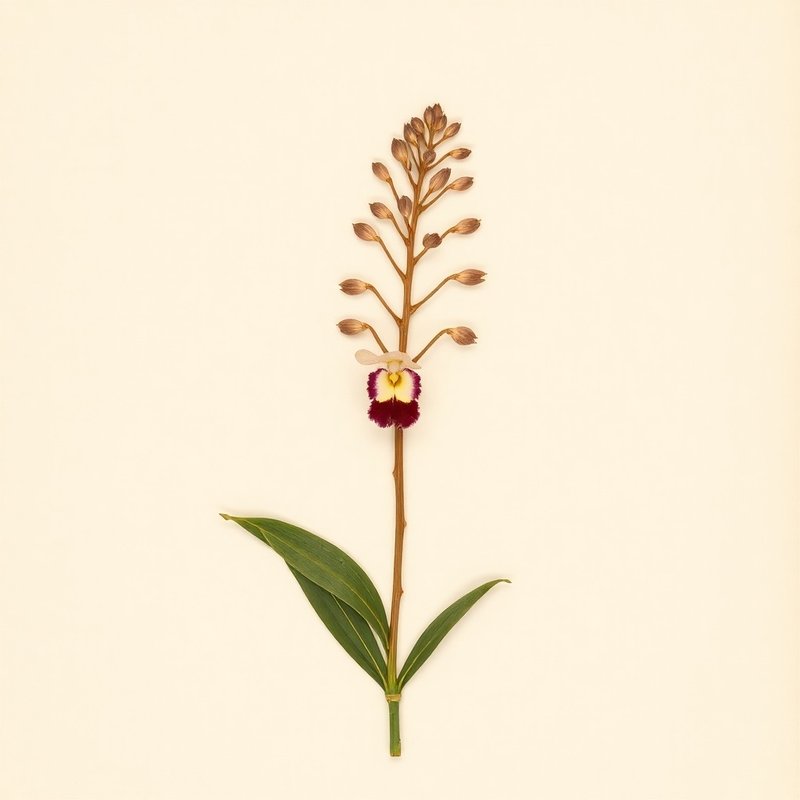
8 relatedPlants you might compare or use together — scored by shared family (Orchidaceae), common use cases, and growing requirements.



Explore further
About this entry
- Last updated
- Citation
- How to cite this entry · Submit a correction
Continue reading
Get archive updates
Occasional email when substantial new content lands — plant profiles, seasonal growing notes, folk-remedy additions. Free, no tracking, unsubscribe anytime.